Key takeaways
- The WFP data breach exposed PII and location data for 600,000 Gaza households.
- Attackers compromised the Self-Registration Application (SRA) on May 14, 2026.
- An independent expert reportedly warned the UN of SRA flaws two days prior.
- The UN’s history of cyber incidents highlights severe institutional cybersecurity debt.
- Aid distribution continues offline while the digital platform remains suspended.
The Architectural Reality of the WFP Data Breach
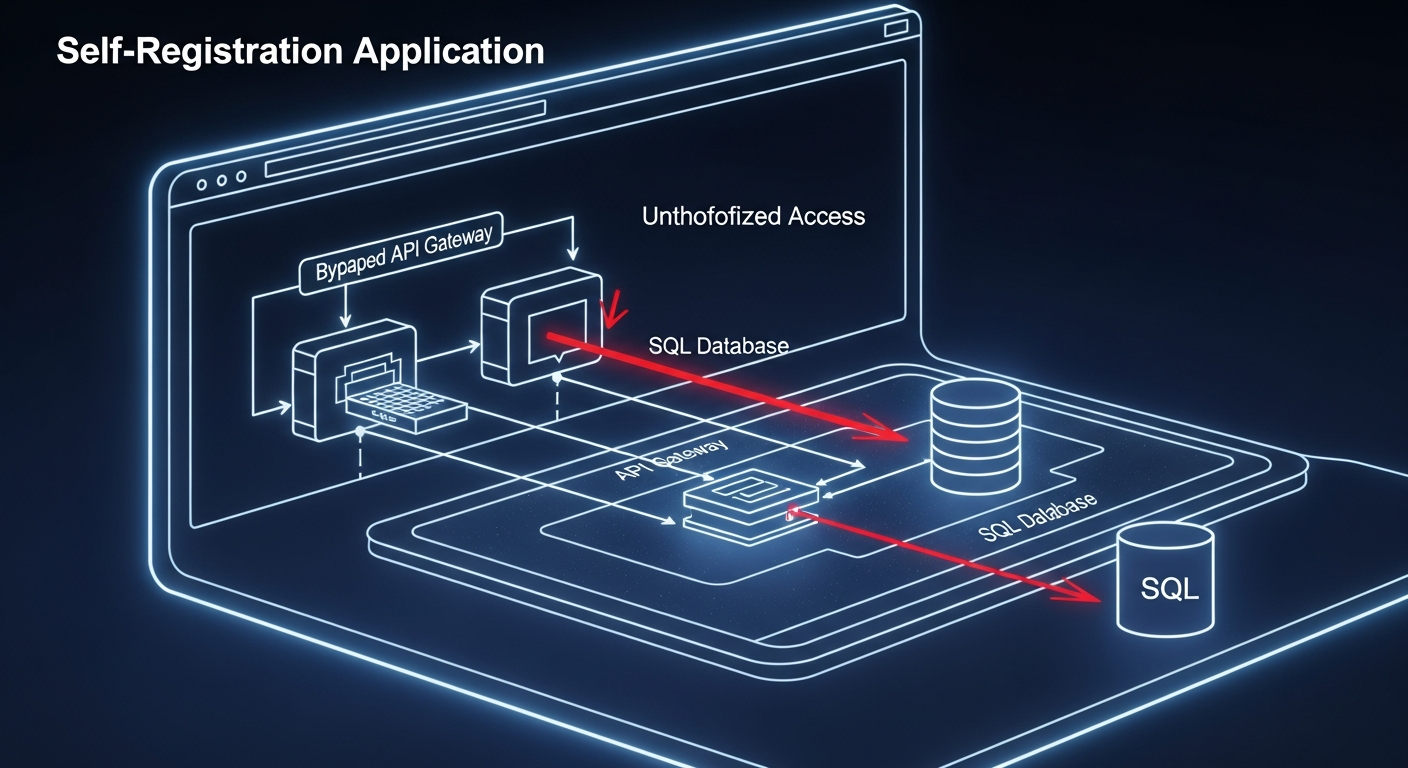
The recent WFP data breach represents a catastrophic failure of humanitarian data protection, exposing the fragile digital infrastructure underpinning global aid operations. On May 14, 2026, unauthorized threat actors breached the United Nations World Food Programme’s Self-Registration Application (SRA) for Palestine. The intrusion resulted in the exfiltration of highly sensitive Personally Identifiable Information (PII) belonging to approximately 600,000 Palestinian households across the Gaza Strip. The compromised dataset includes full names, national identification numbers, mobile phone numbers, and critical neighborhood-level location data recorded during the aid registration process.
From an engineering perspective, the mechanics of this breach point to severe vulnerabilities within the application layer of the WFP’s digital ecosystem. The SRA is designed as a web-facing portal, built to ingest high volumes of user data in regions where bandwidth is often limited and infrastructure is degraded. While the WFP has not publicly disclosed the exact attack vector, the nature of the breach strongly suggests an exploitation of API vulnerabilities, such as an Insecure Direct Object Reference (IDOR), broken access control, or an unpatched authentication bypass. When threat actors can scrape or exfiltrate 600,000 distinct household records, it indicates a fundamental failure in rate limiting, database query monitoring, and legacy infrastructure management.
Perhaps the most damning architectural revelation is the timeline of the attack. According to reports from Geneva-based news outlets, an independent cybersecurity expert acting as a whistleblower contacted the WFP’s beneficiary feedback mechanism on May 12—exactly two days before the intrusion occurred. The expert explicitly warned the agency of critical security flaws within the SRA platform. The failure to triage, verify, and patch this vulnerability within a 48-hour window highlights a sluggish incident response pipeline and a lack of automated containment protocols. When the breach was finally detected, the WFP was forced to completely suspend the SRA platform to “implement urgent security and system protection improvements.” This hard shutdown implies that the agency lacked the micro-segmentation required to isolate the compromised module, forcing them to take the entire digital registration system offline.
The reliance on monolithic application architectures in high-stakes environments is a recipe for disaster. A modern cloud security posture demands Zero Trust principles, where every API call is authenticated, authorized, and continuously validated. In the case of the SRA, it appears that once the perimeter was breached, the attackers enjoyed unfettered lateral movement across the backend database, allowing them to siphon off the identities of hundreds of thousands of vulnerable individuals.
Market Impact & Deployment: The Cost of Cybersecurity Debt

The WFP data breach is not an isolated incident; it is the latest symptom of a chronic, institutional cybersecurity debt plaguing the United Nations and its subsidiary agencies. Despite operating the largest humanitarian logistics network on the planet—managing 5,000 trucks, 20 ships, 80 aircraft, and disbursing $2.82 billion in financial assistance in 2024 alone—the UN’s digital defense mechanisms have repeatedly proven inadequate against modern threat actors.
A historical audit of UN cyber incidents reveals a troubling pattern of delayed disclosures and systemic vulnerabilities. In August 2019, the United Nations suffered a massive cyberattack on its Geneva offices, a breach the organization initially failed to disclose to the public. Five years ago, the UN’s Environmental Programme (UNEP) exposed the PII of over 100,000 employees due to unsecured databases. More recently, in 2024, the UN Development Programme (UNDP) was crippled by an 8Base ransomware attack, while threat actors simultaneously stole approximately 42,000 records from a recruitment database belonging to the UN International Civil Aviation Organization (ICAO). The WFP breach is simply the latest domino to fall in a long line of infrastructure failures.
For enterprise IT leaders and Chief Information Security Officers (CISOs), the market impact of this breach serves as a grim case study in the total cost of ownership (TCO) of insecure applications. The WFP now faces immense remediation costs. Beyond the immediate expense of forensic investigations, system overhauls, and the deployment of automated threat detection systems, the agency must manage the logistical nightmare of operating a massive aid distribution network without its primary digital registration tool. While the WFP has assured beneficiaries that food and cash assistance will continue as normal for those already registered, the suspension of the SRA creates a severe bottleneck for new registrations in a region experiencing an unprecedented humanitarian crisis.
Furthermore, this incident highlights the growing target on the back of Non-Governmental Organizations (NGOs) and humanitarian groups. Threat actors—whether state-sponsored Advanced Persistent Threats (APTs) or financially motivated cybercriminal syndicates—recognize that humanitarian organizations hold vast repositories of highly sensitive data but often lack the enterprise-grade security budgets of Fortune 500 companies. The WFP breach underscores the urgent need for the cybersecurity industry to provide subsidized, scalable, and easily deployable Zero Trust architectures to organizations operating on the front lines of global crises.
The Consumer Translation: Weaponizing Humanitarian Data
When a traditional enterprise suffers a data breach, the consumer impact is typically measured in credit monitoring subscriptions and the inconvenience of changing passwords. However, when a humanitarian organization like the WFP is breached, the consumer translation is a matter of life and death. For the 600,000 affected households in the Gaza Strip, the exposure of their digital identities introduces severe physical and psychological risks in an already volatile conflict zone.
The exfiltrated dataset includes neighborhood-level location data tied directly to full names and national identification numbers. In a besieged enclave where physical security is non-existent, the weaponization of this data is a terrifying prospect. If this database falls into the hands of state actors, militant groups, or intelligence agencies, it could be used for targeted surveillance, profiling, or physical tracking of vulnerable populations. The digital footprint of a refugee or aid recipient is inherently sensitive; exposing their exact whereabouts and contact information strips them of their remaining anonymity and safety.
Beyond the physical risks, the affected population now faces a barrage of digital threats. The WFP has already been forced to issue warnings via Telegram, urging Palestinian beneficiaries to “be wary of anyone claiming to represent the World Food Programme and requesting information or money.” In desperate situations, individuals relying on cash and food assistance are highly susceptible to social engineering and phishing campaigns. Attackers armed with legitimate names, ID numbers, and registration details can easily craft highly convincing SMS or WhatsApp messages, tricking victims into handing over the little financial resources they have, or coercing them into downloading malware under the guise of an “urgent aid update.”
This breach shatters the trust between humanitarian organizations and the populations they serve. To receive life-saving aid, individuals are forced to hand over their most sensitive personal data, entering into an implicit social contract that the agency will protect them. When that contract is broken, it breeds hesitation and fear. Future beneficiaries may refuse to register for aid, weighing the risk of starvation against the risk of digital exposure and subsequent physical targeting. The WFP data breach proves that in modern warfare and humanitarian crises, digital security is inextricably linked to physical survival.
Remediation and the Enterprise IT Mandate
The path forward for the World Food Programme—and any enterprise managing sensitive user data—requires a fundamental paradigm shift in how applications are developed, deployed, and monitored. The temporary suspension of the SRA platform must be used to implement more than just “urgent security improvements”; it requires a complete architectural teardown.
First, the WFP must implement strict Zero Trust Network Access (ZTNA) across all its web-facing portals. The assumption must be that the perimeter will be breached. Therefore, backend databases must be segmented, and data must be encrypted both in transit and at rest. API endpoints must be subjected to rigorous, continuous penetration testing, and rate-limiting must be enforced to prevent the mass scraping of hundreds of thousands of records in a single session.
Second, the agency must overhaul its threat intelligence and vulnerability disclosure programs. The fact that a whistleblower warning was allegedly ignored for two days prior to the breach is an unacceptable operational failure. Organizations must establish dedicated, highly responsive channels for security researchers to report vulnerabilities, backed by automated ticketing systems that immediately escalate critical flaws to senior engineering teams.
Finally, the UN must address its cybersecurity debt at a systemic level. Relying on fragmented, legacy IT systems across different agencies (WFP, UNDP, UNEP) creates a massive, unmanageable attack surface. A unified, hardened cloud infrastructure, backed by continuous breach and attack simulation (BAS) tools, is the only way to ensure that humanitarian data remains secure in an increasingly hostile digital landscape.
TechNode HQ Verdict: Pros, Cons & Usability
- Pro (Engineering): The hard shutdown of the SRA platform prevented further data exfiltration, demonstrating a willingness to prioritize security over uptime in a crisis.
- Pro (Consumer): The WFP successfully decoupled its digital registration platform from its physical logistics network, ensuring that food and cash assistance continues for already registered users.
- Con: The failure to act on a whistleblower’s vulnerability report two days prior to the breach highlights a broken incident response and threat intelligence pipeline.
- Con: The lack of micro-segmentation allowed attackers to access the records of 600,000 households, proving that the application lacked fundamental Zero Trust controls.
Enterprise Usability: For CTOs and enterprise IT leaders, this breach is a stark reminder that web-facing registration portals are prime targets. Deploying applications without rigorous API security, rate limiting, and a responsive vulnerability disclosure program is a liability. Enterprises must mandate continuous automated testing and ensure that threat intelligence is immediately actionable.
Everyday Usability: For the general public, and specifically vulnerable populations relying on aid, this incident is a tragic reminder that digital data is never truly safe. Users must remain hyper-vigilant against targeted phishing attacks, especially when threat actors possess their real names, ID numbers, and location data. Trust in digital registration systems must be balanced with extreme caution regarding unsolicited communications.