Key takeaways
- Samsung’s Color E-Paper draws 0.00W of power when displaying static images.
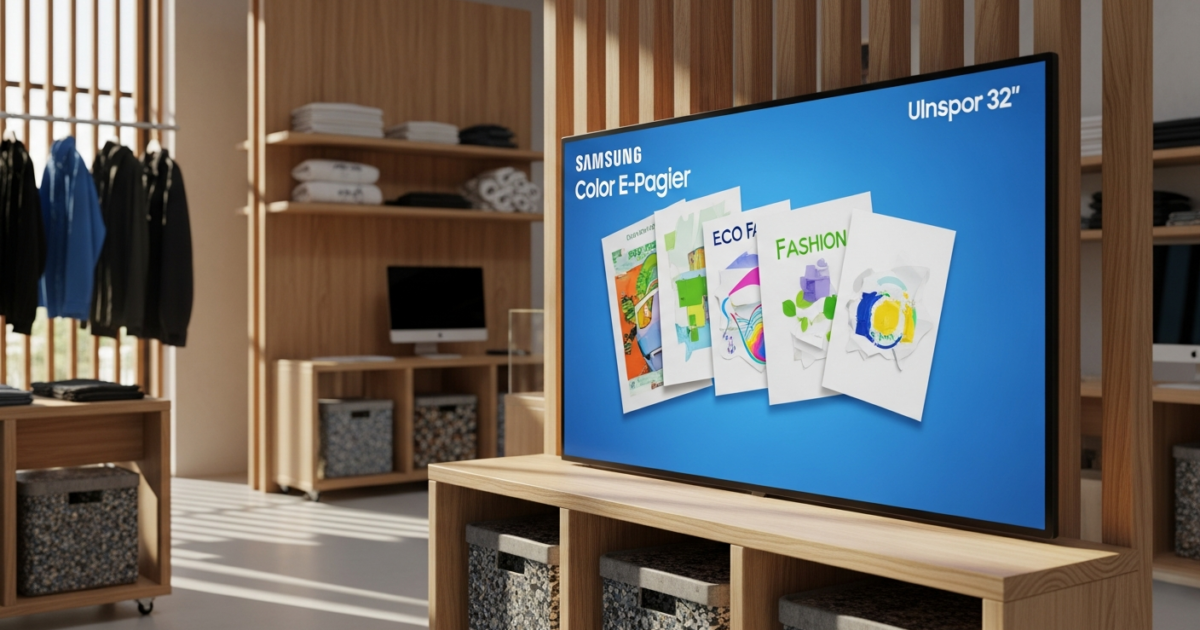
- The 32-inch EM32DX utilizes E Ink Spectra 6 technology for vibrant, paper-like visuals.
- A built-in 4,600 mAh battery allows up to 200 days of operation on a single charge.
- Enterprise deployment is managed remotely via Samsung’s cloud-based VXT CMS.
- The displays feature up to 55% recycled plastic, aligning with eco-brands like PLEATSMAMA.
The physical retail environment is undergoing a quiet, low-power revolution. For decades, brick-and-mortar stores have relied on a wasteful cycle of printing, shipping, and discarding seasonal promotional posters. The alternative—bright, power-hungry LCD screens—often clashes with the aesthetic of eco-conscious brands and drives up operational costs. Enter the Samsung Color E-Paper, a disruptive piece of enterprise hardware that promises to bridge the gap between digital agility and environmental sustainability. Recently showcased in a high-profile partnership with sustainable fashion brand PLEATSMAMA, this technology is proving that the future of retail signage isn’t just digital; it is fundamentally low-power.
By leveraging advanced electrophoretic display (EPD) technology, Samsung has engineered a display that consumes virtually no power once an image is rendered. This shift represents a massive leap forward for retail infrastructure, allowing brands to deploy dynamic, high-resolution signage without the need for complex electrical wiring or constant energy consumption.
The Architectural Reality of Samsung Color E-Paper
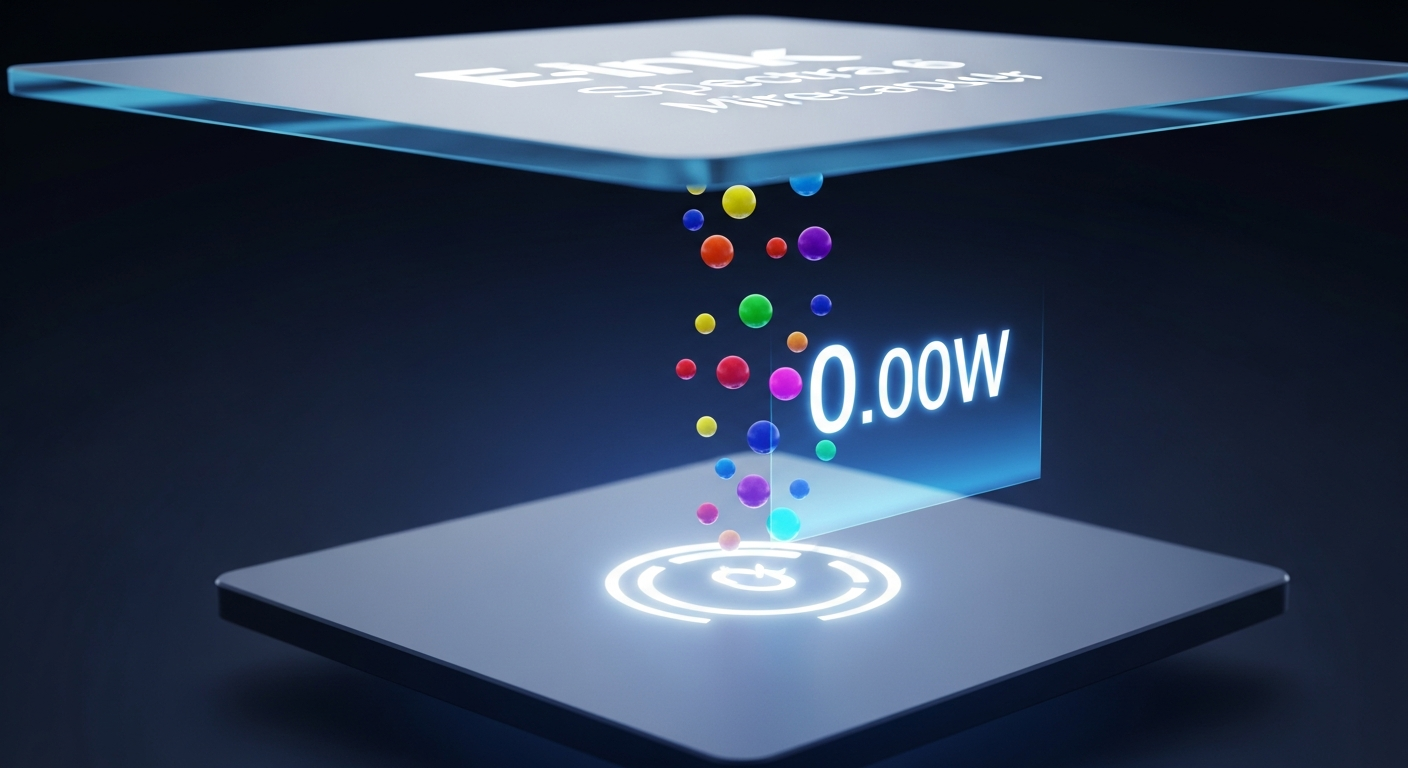
To understand the disruption, we must examine the hardware and silicon powering the device. The flagship 32-inch model (EM32DX) is built upon the E Ink Spectra 6 platform. Unlike traditional LCD or OLED panels that require a constant backlight to illuminate pixels, E Ink relies on microcapsules suspended in a clear fluid. When a specific electrical field is applied, colored pigments rise to the surface of the capsule, creating the image. Because the display relies entirely on ambient light reflection, it emits no harsh blue light and boasts a matte, paper-like texture.
The most heavily marketed specification of the Samsung Color E-Paper is its “0.00W” power consumption. While this sounds like a violation of thermodynamics, it is rooted in the IEC62301 standard set by the International Electrotechnical Commission. Under this standard, any device drawing less than 0.005W of power can be legally rated at 0.00W. Because the E Ink Spectra 6 panel only requires electricity to change the state of the microcapsules, the static image draw falls well below this threshold.
Power is supplied by an integrated 4,600 mAh lithium-ion battery. According to Samsung’s internal engineering data, a single three-hour charge via the onboard USB-C port can power the display for up to 200 days, assuming the content is updated once every 24 hours. The panel features a QHD resolution of 2560 x 1440, delivering a pixel density that ensures text and complex brand imagery remain razor-sharp, even upon close inspection by shoppers.
Market Impact & Deployment Strategies

The true value of the Samsung Color E-Paper lies in its integration with modern enterprise IT ecosystems. Deploying traditional digital signage requires significant capital expenditure (CapEx) for electrical routing, wall mounting, and ongoing energy costs. Weighing just 2.5kg (including the battery) and measuring a mere 17.9mm thick, the EM32DX can be hung from ceilings, mounted on standard VESA brackets, or placed on retail tables without a single power cable in sight.
Managing a fleet of these edge devices is handled through Samsung’s Tizen 8.0 operating system. For small businesses, content can be pushed locally via Wi-Fi or Bluetooth using the Samsung E-Paper mobile app. However, for global retail chains, the displays integrate seamlessly with the Samsung VXT Content Management System (CMS). This cloud-based platform allows IT administrators to monitor battery levels, schedule content updates, and push new promotional campaigns to thousands of screens simultaneously.
This centralized networking and cloud architecture drastically reduces the Total Cost of Ownership (TCO). Retailers eliminate the recurring costs of printing and shipping paper posters, while also bypassing the high electricity bills associated with 24/7 LCD signage. Furthermore, the VXT CMS includes a specialized preview function that simulates how colors will render on the E Ink panel, ensuring brand guidelines are strictly maintained before a global rollout.
Sustainability in Action: The PLEATSMAMA Partnership
The technological capabilities of the display are best contextualized through its real-world application. Samsung’s recent collaboration with PLEATSMAMA—a South Korean fashion brand known for creating bags and apparel from recycled PET bottles—serves as the perfect case study. For a brand whose entire identity is built on sustainability, outfitting a flagship store with power-hungry, glowing LCD screens creates a jarring cognitive dissonance for the consumer.
By deploying the Samsung Color E-Paper, PLEATSMAMA aligns its physical retail space with its core brand values. The displays themselves are manufactured with sustainability in mind; the housing of the 32-inch model is constructed from 55% recycled plastic, and the device ships in 100% paper-based packaging. (Samsung has also recently introduced a 13-inch variant, the EM13DX, which incorporates 10% phytoplankton-based bio-resin into its chassis).
This synergy between sustainable fashion and sustainable technology allows PLEATSMAMA to dynamically update pricing, tell the story of their recycled materials, and run seasonal campaigns without generating a single ounce of paper waste. The soft, non-emissive nature of the E Ink panel also complements the natural, minimalist interior design typical of modern eco-conscious boutiques.
The Consumer Translation and Retail Experience
For the everyday consumer, the shift from LCD to E-Paper fundamentally alters the sensory experience of shopping. Modern retail environments are often visually overwhelming, bombarded by high-nit digital screens competing for attention. The Samsung Color E-Paper offers a visual reprieve. Because it relies on ambient light, the display looks and feels like a high-quality printed poster. The advanced color imaging algorithms soften the edges of images and create smooth gradations, resulting in a warm, organic aesthetic.
However, consumers and retailers alike must understand the limitations of the medium. E-ink technology is strictly designed for static imagery. It cannot play video, and the screen will visibly flash or flicker when transitioning from one image to another—a necessary process to clear the previous pigment states and prevent “ghosting.” To protect the panel cells, Samsung recommends a full image refresh at least once every three days. Therefore, this technology is not a replacement for interactive kiosks or dynamic video walls; it is a highly specialized tool for static, sustainable storytelling.
TechNode HQ Verdict: Pros, Cons & Usability
- Pro (Engineering): Achieves <0.005W power consumption during static display, enabling up to 200 days of battery life and entirely wireless deployment.
- Pro (Consumer): Delivers a glare-free, paper-like visual experience that reduces sensory overload and perfectly complements eco-conscious brand aesthetics.
- Con: The inherent limitations of EPD technology mean zero support for video playback, and visible screen flashing occurs during content updates.
- Con: High initial CapEx compared to traditional printed posters, requiring a longer timeline to achieve a positive Return on Investment (ROI) through saved printing costs.
Enterprise Usability: For CTOs and retail fleet managers, the Samsung Color E-Paper is a highly recommended deployment for static signage. The integration with Tizen 8.0 and VXT CMS makes managing a global fleet of wireless displays incredibly efficient. It is the ideal solution for pricing boards, end-cap promotions, and brand storytelling where electrical routing is unfeasible.
Everyday Usability: While not a consumer-facing gadget for the home, everyday shoppers will benefit from the reduced environmental impact and improved aesthetic of their favorite retail stores. If you are a small business owner looking to modernize your storefront without inflating your energy bill, the EM32DX is a premium, future-proof investment.