Key takeaways
- Agentic AI Infrastructure is replacing reactive IT with autonomous, machine-speed remediation.
- Kimberly-Clark’s “Agentic SOC” showcases the shift toward AI-driven cybersecurity automation.
- Amazon and McCain Foods are scaling hyper-distributed AI workloads via GPU-optimized fabrics.
- Banco do Brasil achieved a 40% network energy reduction using modern Cisco Nexus hardware.
- TIAA’s unified OpenTelemetry framework highlights the critical need for standardized observability.
The Architectural Reality of Agentic AI Infrastructure
The era of human-gated network management is officially over. At Cisco Live 2026 in Las Vegas, the unveiling of the Cisco Customer Achievement Awards AMER underscored a seismic shift in enterprise technology: the rapid maturation and deployment of Agentic AI Infrastructure. This transition moves organizations away from reactive, dashboard-heavy monitoring toward autonomous, machine-speed remediation [2]. The underlying mechanics of this shift rely on a convergence of high-throughput silicon, unified telemetry, and AI agents capable of executing complex operational runbooks without human intervention.
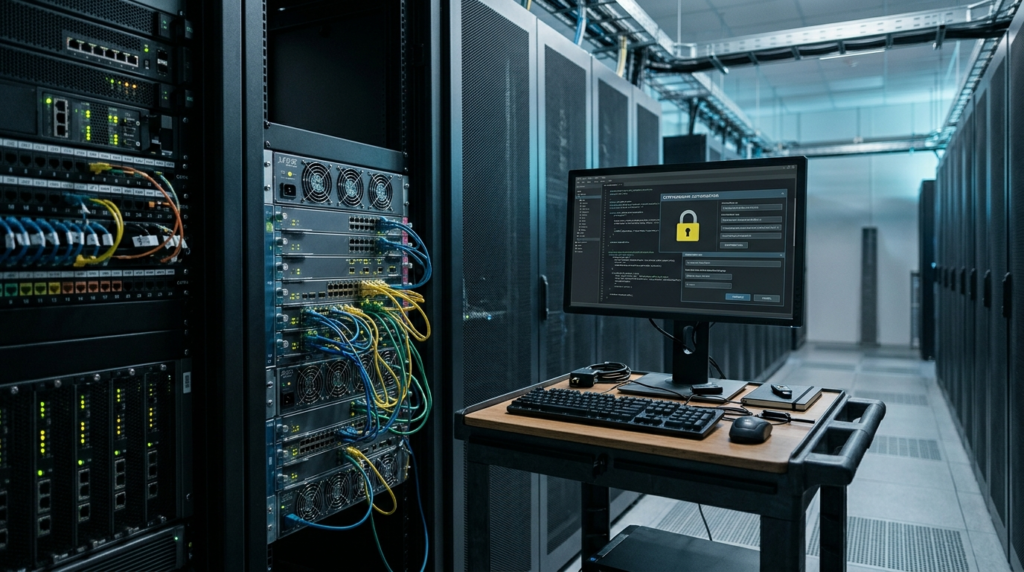
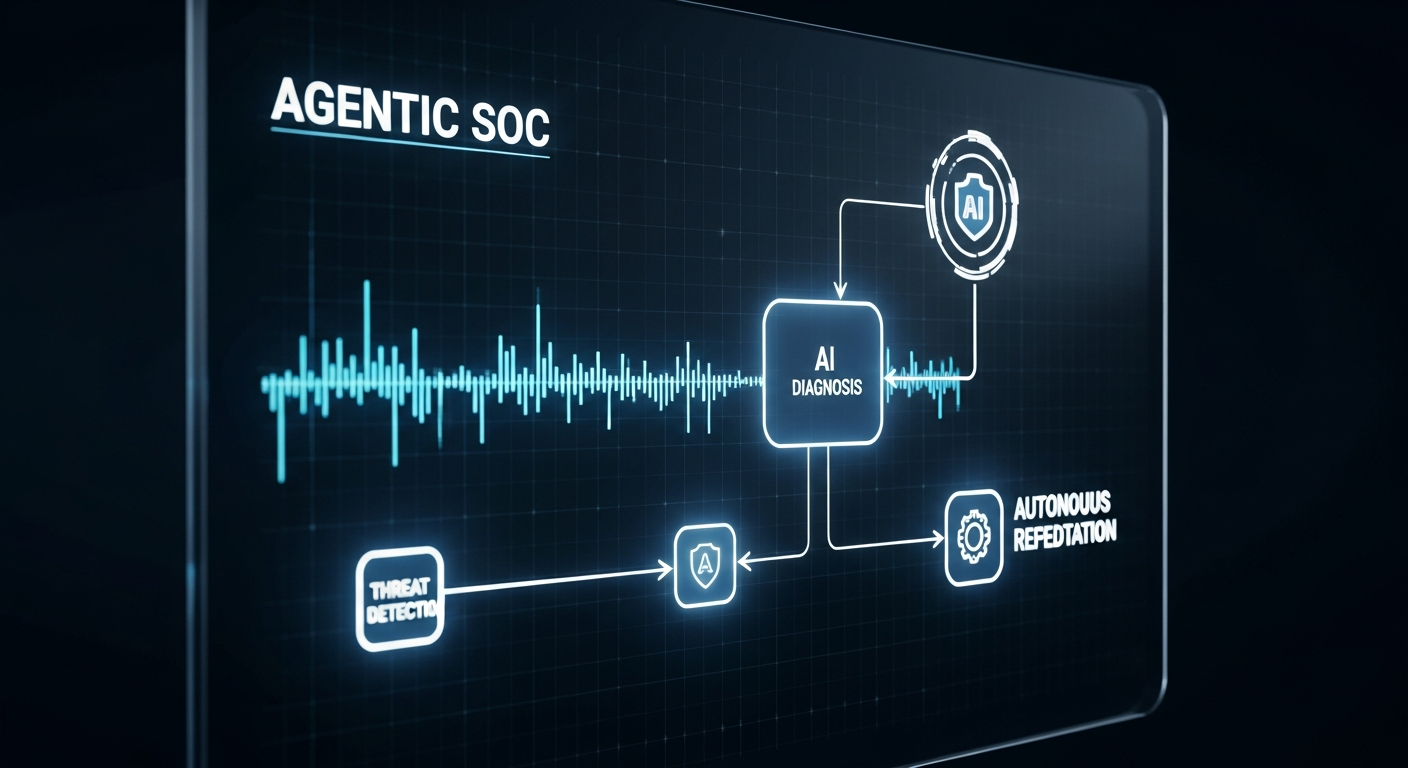
For years, the industry has relied on AIOps (Artificial Intelligence for IT Operations) to highlight anomalies and pinpoint where a problem might exist. However, traditional AIOps still kept the human at the center of decision-making [2]. The new paradigm, dubbed “AgenticOps,” utilizes AI agents as digital teammates. A prime example of this architectural evolution is Kimberly-Clark Corporation, which secured the Cybersecurity Defender Award for its deployment of an “Agentic SOC” (Security Operations Center) [5]. By leveraging Cisco’s security portfolio, Kimberly-Clark has automated threat detection and response, effectively creating a closed-loop system. In an Agentic SOC, when a threat is detected, the AI agent autonomously isolates the compromised endpoint, detonates the payload in a sandbox, correlates the hash with global threat intelligence, and rewrites firewall rules across the enterprise edge in milliseconds—all while maintaining strict human governance through digital twin validation [18].
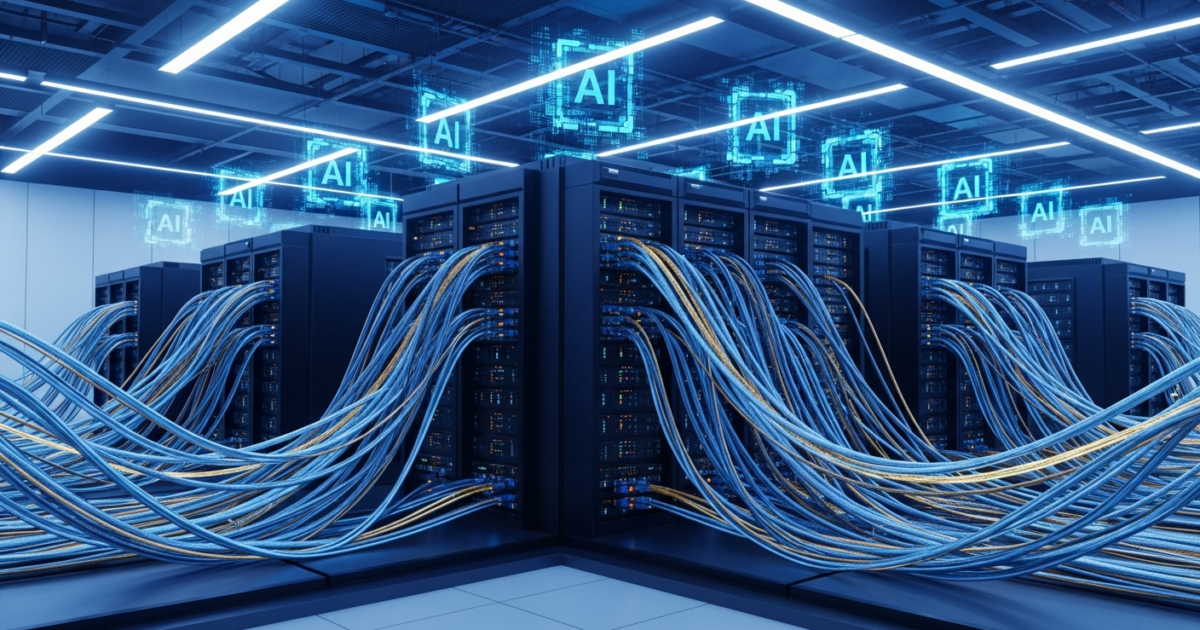
Simultaneously, the physical layer is being aggressively re-architected to support hyper-distributed AI workloads. Amazon, recognized as the Applied AI Pioneer, implemented Cisco’s AI-ready infrastructure to manage the immense east-west traffic generated by distributed machine learning models [5]. Training frontier models requires thousands of GPUs communicating constantly. If the network drops a single packet during a gradient synchronization phase, the entire cluster stalls—a phenomenon known as the tail latency problem. Cisco’s AI-ready infrastructure utilizes lossless Ethernet, deep buffers, and advanced congestion control mechanisms to ensure these workloads scale linearly.
In the manufacturing sector, McCain Foods integrated advanced GPU compute fabrics to power a real-time Digital Twin of its high-volume production lines [5]. An intelligent Digital Twin requires ingesting millions of data points per second from IoT sensors (temperature, vibration, throughput). This necessitates a massive edge compute presence and a highly deterministic network to simulate fluid dynamics and mechanical stress in real-time, maximizing throughput while dynamically optimizing energy consumption.
Market Impact & Deployment
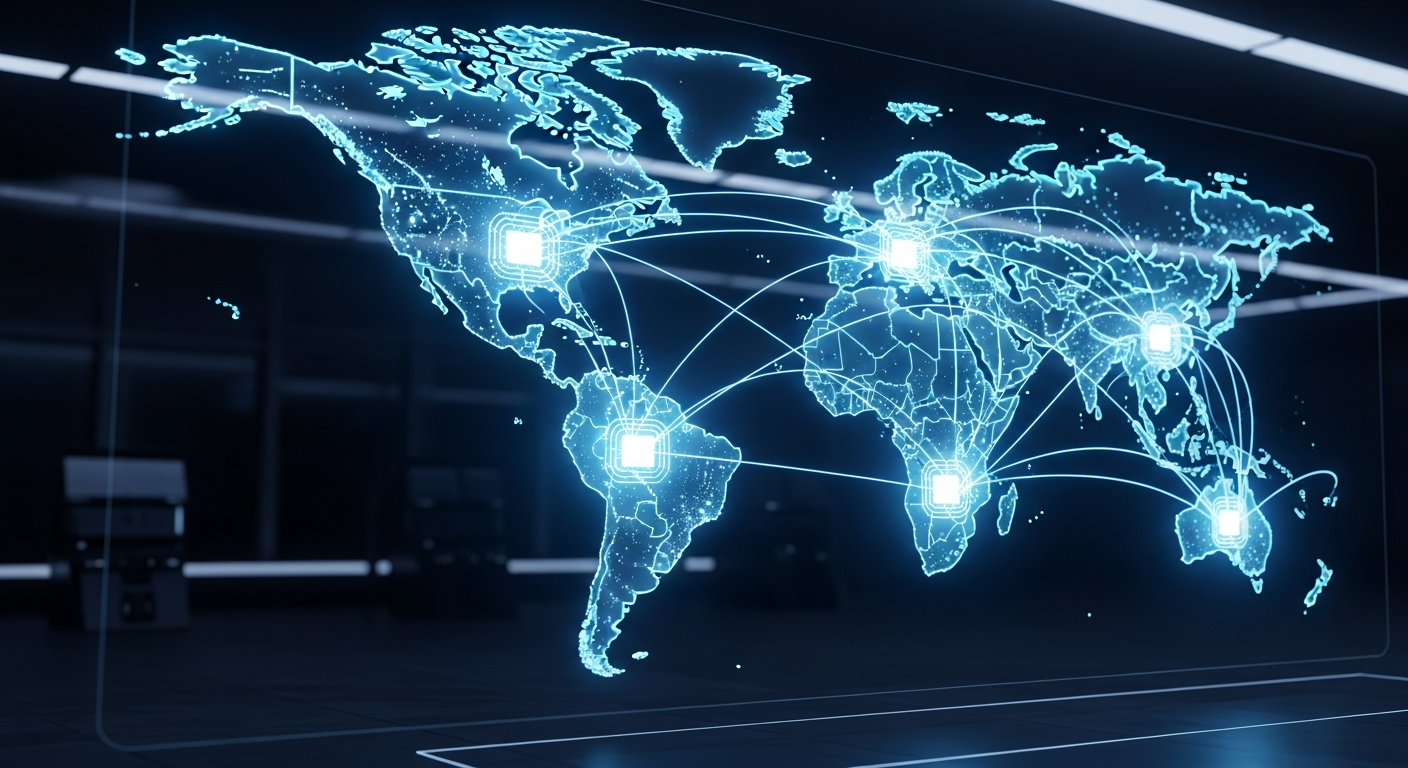
The deployment of these advanced systems carries profound implications for Total Cost of Ownership (TCO) and enterprise resource allocation. Cisco’s strategy, heavily emphasized by executives at Cisco Live 2026, positions AI not merely as a localized data center workload, but as a catalyst for end-to-end infrastructure modernization [6]. As AI agents begin to swarm networks—generating up to 450% more traffic than human users [2]—legacy architectures are buckling under the sustained load.
To manage this complexity, Cisco introduced Cisco Cloud Control, a unified management plane that brings networking, security, compute, and observability into a single data fabric [3]. Cisco Cloud Control replaces the previous Security Cloud Control and serves as the command center for AgenticOps [17]. Through the Cisco AI Canvas interface, operators can collaborate with autonomous agents that follow a structured path from signal to action: spotting trouble, identifying causes, carrying out fixes, testing changes in a digital twin before deployment, and confirming the user experience has recovered [19].
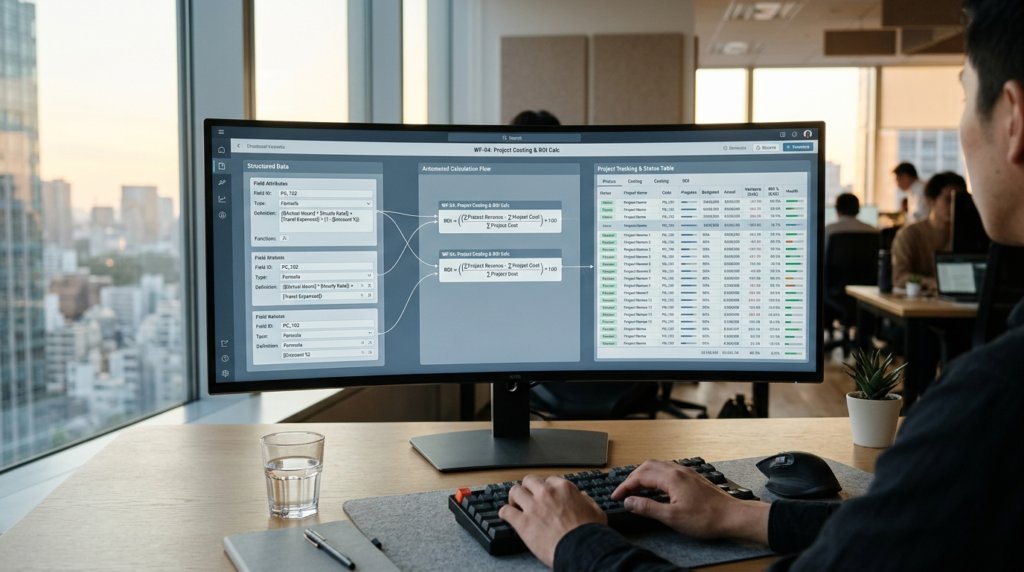
However, AI agents are only as effective as the data they ingest. To standardize telemetry, TIAA—the Observability Visionary Award winner—successfully dismantled its fragmented monitoring silos by implementing a unified OpenTelemetry framework [5]. OpenTelemetry (OTLP) provides a standardized, vendor-agnostic framework for collecting traces, metrics, and logs. By decoupling its instrumentation from its backend analytics, TIAA can route clean data to Splunk, Prometheus, or custom Enterprise AI data lakes without rewriting application code. This standardized data pipeline acts as the foundational truth for AI Observability tools, including Cisco’s recently integrated Splunk and Galileo acquisitions, which now offer advanced capabilities like AI hallucination detection, drift analysis, and “tokenomics” (cost visibility for AI APIs) [4, 6].
From a competitive standpoint, Cisco’s push into AgenticOps via Cloud Control is a direct challenge to rivals like Juniper Networks (now under HPE) and Arista. By consolidating security, compute, and collaboration under a single sign-on destination, Cisco is attempting to lock in the enterprise edge, campus, and WAN before competitors can establish a foothold in the AI-driven operations space. While this offers unparalleled integration, it also introduces significant vendor lock-in risks for enterprise CTOs.
Lifecycle Management and Digital Resilience
Beyond real-time traffic management, Agentic AI Infrastructure is revolutionizing how enterprises handle technical debt and hardware lifecycles. In mission-critical environments, outdated hardware is not just an operational bottleneck; it is a severe security vulnerability. End-of-Support (EoS) devices no longer receive security patches, making them prime targets for lateral movement by advanced persistent threats (APTs).
This reality was highlighted by the CX Customer Hero of the Year Award, presented to Scott Gibbons of GlobalFoundries [5]. Semiconductor manufacturing is a zero-downtime environment where any instability can lead to production halts, resulting in massive financial impact [10]. GlobalFoundries partnered with Cisco Services to build a foundation of digital resilience leveraging Cisco IQ. Cisco IQ serves as the intelligence layer for their infrastructure, providing real-time, AI-driven visibility into their entire asset inventory [10].
By automating the identification of EoS devices, GlobalFoundries shifted from reactive troubleshooting to proactive lifecycle management. The AI agents within Cisco IQ continuously scan the network topology, cross-reference hardware serial numbers with Cisco’s global support databases, and automatically flag vulnerabilities before they can be exploited [10]. This enables a phased, precision-based modernization strategy that significantly enhances stability and efficiency on the production floor, proving that AgenticOps is as much about long-term strategic planning as it is about real-time remediation.
The Consumer Translation
While the underlying technology of Agentic AI Infrastructure is deeply entrenched in enterprise data centers and SOCs, the downstream effects on the global public are immediate and tangible. The modernization of these critical infrastructures translates directly into enhanced reliability, security, and efficiency for everyday consumer services.
Consider United Airlines, the Assurance Avenger Award winner [5]. Operating a global network of over 1,000 offices and 400,000 employees, United transitioned from reactive troubleshooting to proactive digital experience management using Cisco ThousandEyes [13]. ThousandEyes utilizes Enterprise Agents to run synthetic tests, monitor BGP (Border Gateway Protocol) routes, and track VoIP quality across upstream service providers [13]. If an ISP in Chicago begins dropping packets, the network automatically reroutes traffic before gate agents even notice a slowdown. For the consumer, this means fewer gate delays caused by IT outages, seamless mobile app experiences during booking, and highly reliable in-flight connectivity.
Similarly, NYC Health + Hospitals, recognized as the Workplace Innovator, leveraged secure Cisco collaboration technologies to support hybrid work and remote access [5]. In the healthcare sector, infrastructure must balance absolute data security (HIPAA compliance) with high availability. By utilizing zero-trust network access (ZTNA) and secure enclaves, NYC Health + Hospitals ensures that sensitive patient data remains secure while enabling robust telehealth services and rapid communication between medical professionals, directly improving patient care outcomes.
Even in academia, Yale University’s legacy network transformation—earning the Modernized Infrastructure Maestro Award—ensures that researchers and students have the resilient, high-bandwidth connectivity required for data-intensive research [5]. By strengthening cybersecurity and enhancing performance, Yale is positioned to support future innovations in teaching and learning, accelerating scientific breakthroughs that eventually reach the public domain.
Sustainability and the Energy Equation
As AI workloads demand unprecedented power, the environmental impact of enterprise IT has become a board-level concern. The training and inference of large language models require massive clusters of GPUs, which in turn require immense power and cooling infrastructure. The Sustainability Changemaker Award, presented to Banco do Brasil S.A., highlights a critical counter-narrative to the energy-hungry AI boom [5].
Tasked with modernizing a legacy, hardware-centric data center to improve agility while upholding its commitment to global environmental leadership, the financial institution deployed Cisco Application Centric Infrastructure (ACI) alongside energy-efficient Nexus hardware [5]. Traditional three-tier network architectures (Core, Aggregation, Access) often rely on Spanning Tree Protocol (STP), which blocks redundant links to prevent loops, effectively wasting up to half of the available bandwidth. Cisco ACI shifts to a policy-driven Spine-Leaf architecture using Equal Cost Multi-Path (ECMP) routing, utilizing all available bandwidth and allowing for granular microsegmentation [22].
Furthermore, modern Cisco Nexus switches are powered by custom Silicon One ASICs [22]. These programmable processors unify processing for routing, switching, and advanced telemetry, delivering high-performance throughput while utilizing smaller nanometer process nodes to drastically reduce power leakage. The result for Banco do Brasil was a verified 40% reduction in network energy consumption, achieved simultaneously with significant enhancements in transaction processing speed and cryptographic security [5]. This proves that strategic silicon upgrades and software-defined networking can offset the massive power requirements of modern compute, offering a blueprint for sustainable scaling in the AI era.
TechNode HQ Verdict: Pros, Cons & Usability
- Pro (Engineering): Unified telemetry via OpenTelemetry and Cisco Cloud Control eliminates data silos, enabling true machine-speed automated remediation and digital twin validation.
- Pro (Consumer): Proactive network assurance (via tools like ThousandEyes) drastically reduces downtime for critical public services, from commercial aviation to healthcare and banking.
- Con: The transition to AgenticOps requires massive initial CapEx for AI-ready silicon, deep-buffered switches, and complete architectural overhauls.
- Con: Consolidating security, networking, and observability into a single vendor’s management plane (such as Cisco Cloud Control) introduces severe vendor lock-in risks for enterprise IT departments.
Enterprise Usability: CTOs should prioritize standardizing their telemetry pipelines (e.g., OpenTelemetry) before deploying AI agents. Upgrading edge and campus networks to handle the sustained traffic loads generated by Agentic AI is a mandatory prerequisite for the next 12-18 months. Organizations must also implement strict governance frameworks to monitor the AI agents themselves.
Everyday Usability: Consumers do not interact with this hardware directly, but they should expect significantly higher reliability, faster digital experiences, and more secure data handling from institutions that have completed these backend modernizations.