The Architectural Shift: The Anatomy of the AMS3 Inferno
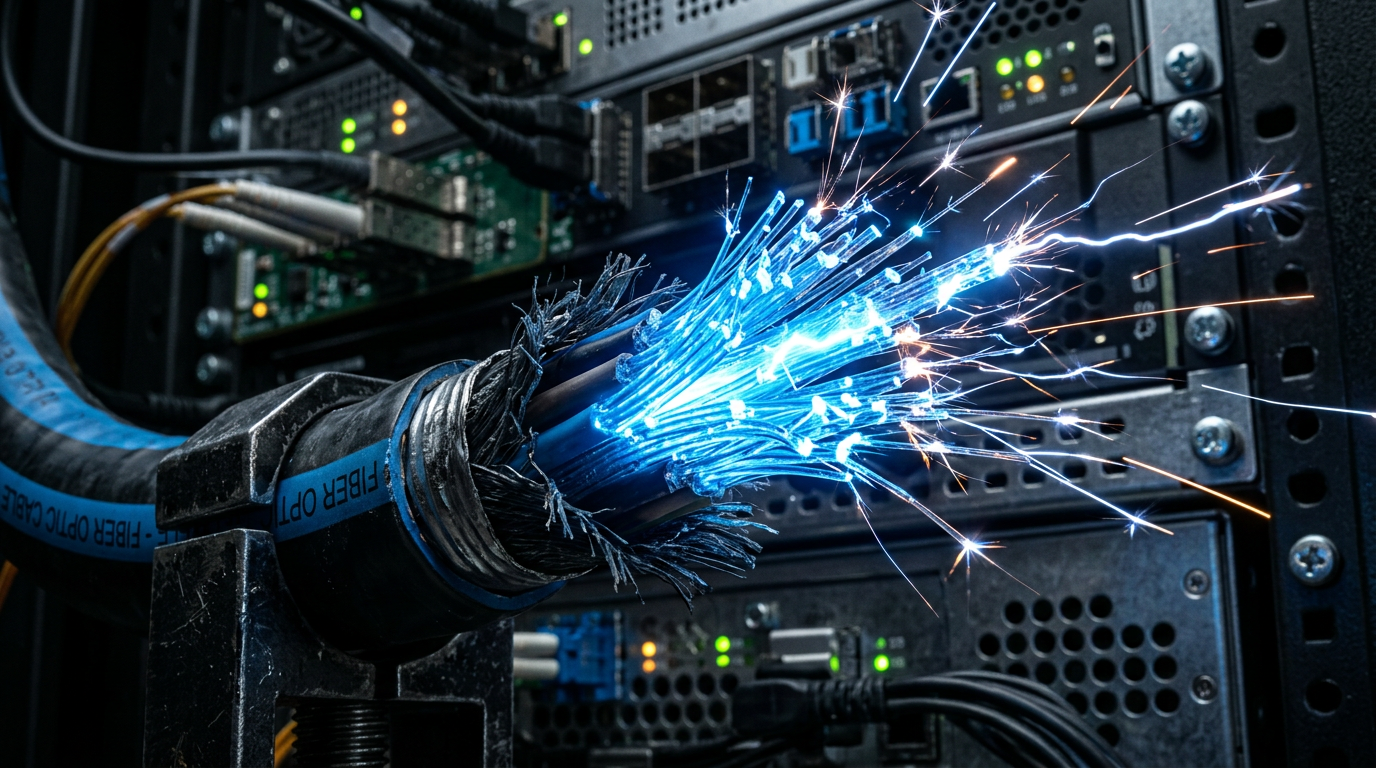
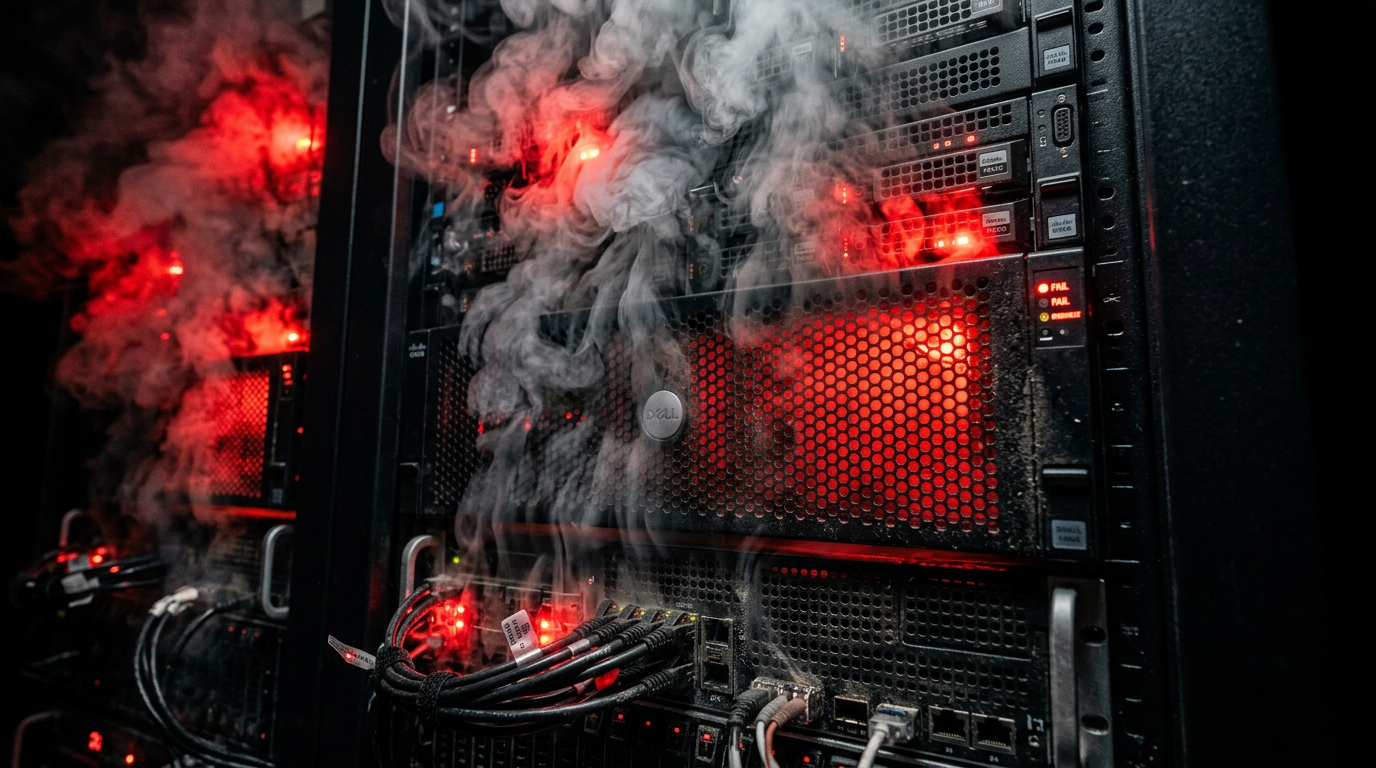
The ethereal concept of “the cloud” is one of the most successful marketing triumphs of the 21st century. It suggests a weightless, omnipresent digital realm, immune to the physical constraints of the terrestrial world. But on Thursday, May 7, 2026, the cloud was violently dragged back to reality. A fire at a NorthC datacenter in Almere, just miles from Amsterdam’s Schiphol airport, triggered a catastrophic power outage that effectively evaporated IBM Cloud’s AMS3 Availability Zone (AZ) for over four hours. This incident is not merely a localized operational hiccup; it represents a profound architectural failure that exposes the fragile physical underbelly of global enterprise infrastructure.
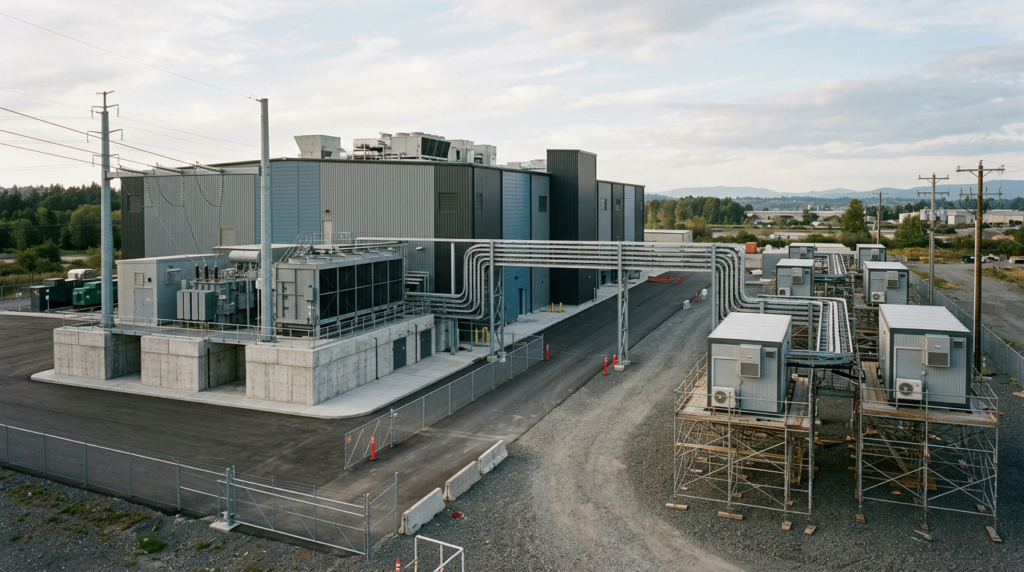
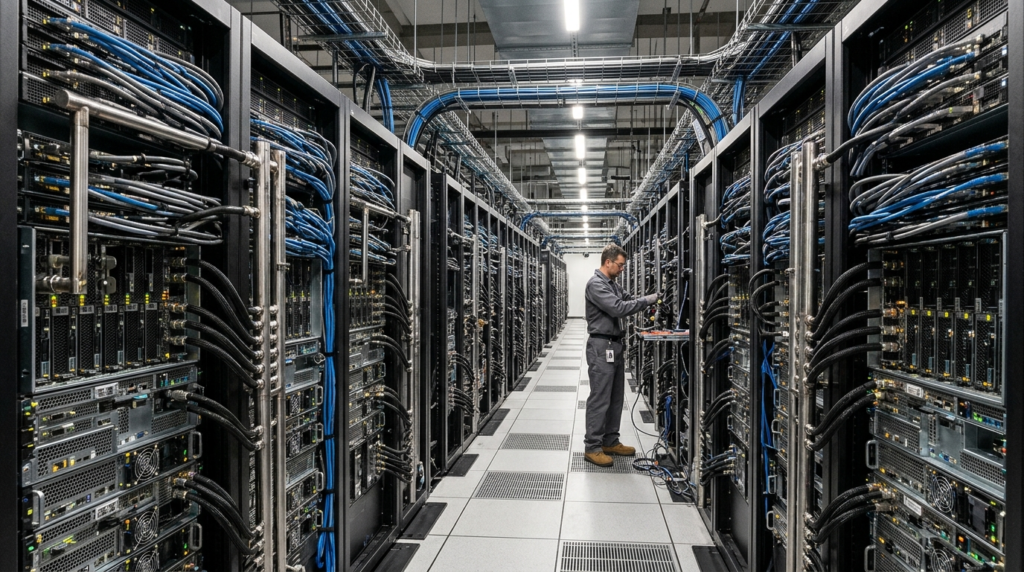
To understand the magnitude of this architectural shift, we must dissect the physics and engineering of modern Tier III and Tier IV datacenters. These facilities are designed with N+1 or 2N redundancy, meaning every critical component—from Uninterruptible Power Supplies (UPS) to diesel generators and HVAC cooling loops—has a backup. They are fortified fortresses of data. However, fire introduces a chaotic variable that bypasses traditional redundancy protocols. When a fire is detected in a server hall, automated fire suppression systems deploy. Modern datacenters typically avoid water, relying instead on clean agent gases like Inergen or FM-200, which rapidly lower the oxygen concentration in the room to extinguish the flames without leaving residue on the silicon.
But gas alone is not enough. To prevent electrical arcing from reigniting the fire, these suppression systems are inextricably linked to an Emergency Power Off (EPO) switch. When the EPO is triggered, it acts as a digital guillotine. It severs all power to the facility—bypassing the UPS, ignoring the backup generators, and instantly hard-killing tens of thousands of servers. This is the architectural reality of the AMS3 outage. A localized fire necessitated a total facility shutdown to save the physical structure, resulting in a sudden, violent termination of all compute, storage, and networking processes hosted within that zone.
The deeper architectural failure, however, lies in the concept of Availability Zone isolation. Cloud providers sell the promise that a failure in one AZ (like AMS3) will not affect workloads, provided customers architect their systems to failover to AMS1 or AMS2. Yet, during this four-hour window, countless enterprise applications remained entirely offline. This points to a systemic failure in cross-AZ routing and automated disaster recovery (DR) mechanisms. Whether the fault lies in IBM’s underlying BGP (Border Gateway Protocol) routing failing to redirect traffic, or in enterprise clients failing to implement true active-active multi-AZ architectures, the result is the same: the architectural promise of seamless cloud resilience failed spectacularly under the pressure of a real-world thermal event.
Enterprise Market Impact & TCO: The Weaponization of Support Tiers
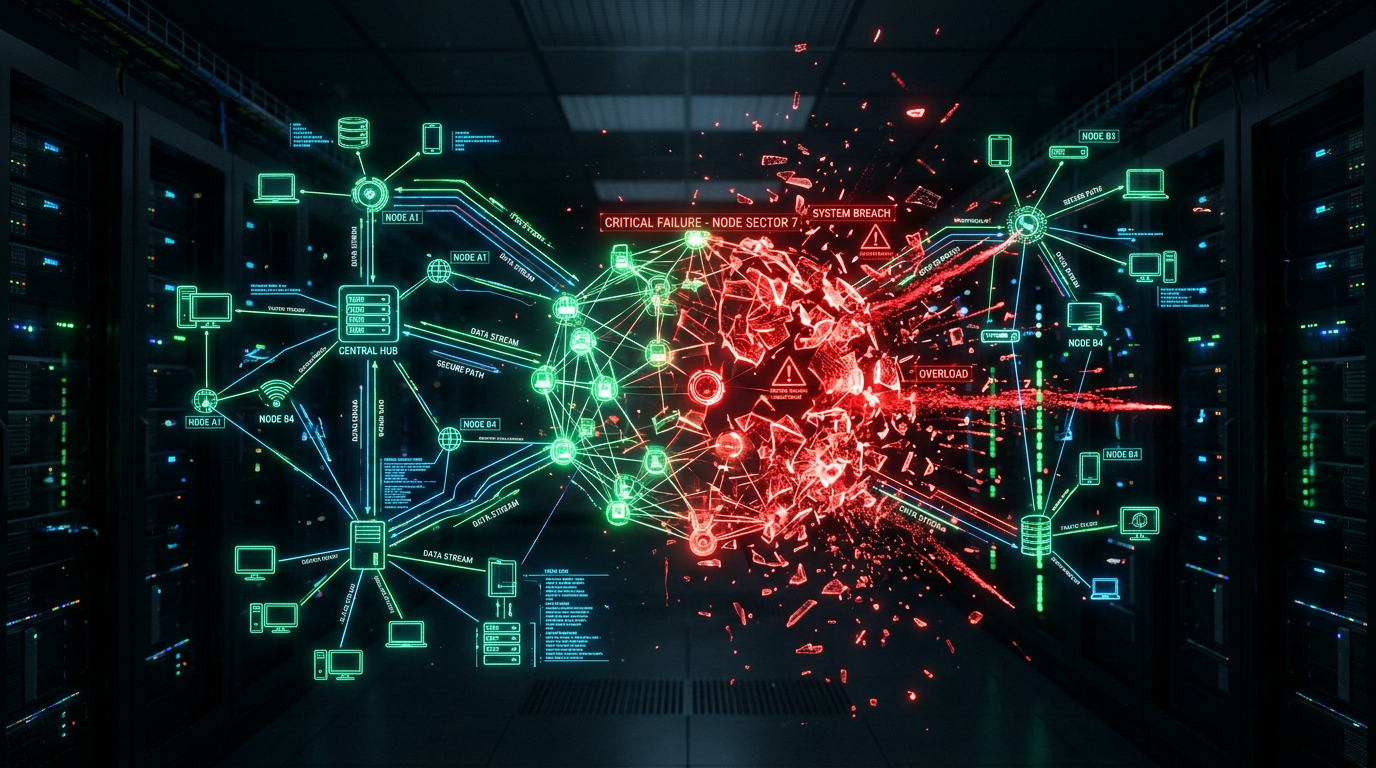
The financial ramifications of a four-hour total blackout for an enterprise are staggering. In the modern digital economy, downtime is not measured in mere inconvenience; it is measured in millions of dollars of lost revenue, breached Service Level Agreements (SLAs), and irreparable reputational damage. But the AMS3 outage revealed a secondary, far more insidious cost to enterprises: the weaponization of cloud support tiers and the total collapse of transparent telemetry.
For at least four hours, between 0715 UTC and 1200 UTC, IBM Cloud’s official status page displayed a sea of reassuring green checkmarks. According to IBM’s official telemetry, everything was operating flawlessly. Meanwhile, third-party monitoring services like StatusGator and Downdetector were lit up like Christmas trees with user-reported outages. This disconnect between the control plane (the dashboard) and the data plane (the actual servers) is a massive red flag for enterprise Total Cost of Ownership (TCO). If a Chief Technology Officer cannot trust the vendor’s own status page, the enterprise is forced to invest heavily in redundant, third-party observability platforms just to verify if their infrastructure still exists.
The situation was exacerbated by a controversial policy change IBM implemented in September of the previous year. Big Blue quietly downgraded its Basic Support tier, stripping users of the ability to open or escalate technical support cases through the portal or APIs. Instead, they were relegated to “self-reporting” issues via the Cloud Console. When AMS3 went dark, Severity 1 (Sev 1) tickets—the highest level of critical emergency—went entirely unanswered for hours. Information was only disseminated to clients who had the financial leverage to bypass the ticketing system and contact their dedicated account managers directly.
This fundamentally alters the TCO equation for enterprise cloud adoption. Cloud providers are effectively creating a “pay-to-know” ecosystem. Basic reliability and transparent communication are no longer included in the cost of compute and storage; they are premium features locked behind expensive enterprise support contracts. If an enterprise wants to be informed that their servers are literally on fire, they must pay a premium for the privilege. This shadow tax on reliability forces IT procurement teams to drastically recalculate the true cost of migrating to or maintaining workloads on IBM Cloud. When calculating TCO, organizations must now factor in the cost of premium support, third-party monitoring, and the potential legal liabilities of flying blind during a catastrophic outage.
The Consumer Reality: What This Means for You
For the average consumer, enterprise cloud architecture and SLA negotiations are abstract concepts. But the physical consequences of the AMS3 outage ripple directly into everyday life. When a massive datacenter near Amsterdam loses power, the impact is felt instantly by millions of people who have never even heard of IBM Cloud.
Imagine standing at the checkout counter of a grocery store, and your mobile payment app spins endlessly before timing out. Imagine sitting at a terminal in Schiphol airport, watching your flight status change to “Delayed” because the airline’s backend logistics database suddenly vanished. Imagine trying to access a critical digital government service—much like the devastating datacenter fire that took 647 South Korean government services offline previously—only to be met with a generic “503 Service Unavailable” error. This is the consumer reality of a cloud outage.
We have built our modern society on a foundation of continuous digital connectivity. Our banking, our healthcare, our transportation, and our communications are all tethered to these massive, energy-hungry warehouses of silicon. When a facility like NorthC Almere burns, it severs the digital nervous system of the region. The four-hour blackout meant that for half a working day, any consumer-facing application relying on AMS3 for its backend processing was effectively dead.
This incident serves as a stark reminder of the fragility of our digital existence. Consumers are conditioned to expect 100% uptime, viewing digital services as utilities akin to running water or electricity. But unlike a localized power grid failure, a cloud datacenter outage can take down services globally. An app developer in London, a logistics company in Berlin, and a consumer in Paris all suffer simultaneously because a single room in the Netherlands filled with smoke. It shatters the illusion of the cloud, revealing it to be a highly centralized, physically vulnerable single point of failure in our daily lives.
The Industry Ripple Effect: DORA and the Multi-Cloud Imperative
The smoke from the AMS3 fire will clear, but the industry-wide ripple effects will be felt for years. Competitors like Amazon Web Services (AWS), Microsoft Azure, and Google Cloud Platform (GCP) will undoubtedly weaponize this incident in their sales pitches. The narrative will be clear: “IBM’s status pages lie, and their support ignores you during a crisis; migrate to us.” However, the broader industry must also look inward, as the decoupling of status dashboards from actual infrastructure health is a sin committed by nearly all major cloud providers.
The most significant ripple effect will be regulatory. In Europe, the Digital Operational Resilience Act (DORA) is fundamentally reshaping how financial entities and critical infrastructure providers manage ICT (Information and Communication Technology) risk. Under DORA, regulators will not accept “the vendor’s status page was green” as a valid defense for a four-hour service outage. Financial institutions relying on IBM Cloud will be forced to demand extreme transparency, rigorous audit rights, and punitive financial penalties for communication failures during outages. If IBM cannot provide real-time, automated, and accurate telemetry regarding the physical state of its datacenters, heavily regulated European enterprises will be legally compelled to migrate their workloads elsewhere.
Furthermore, this incident accelerates the enterprise shift toward true multi-cloud and hybrid-cloud architectures. Relying on a single cloud provider—even across multiple Availability Zones—is increasingly viewed as an unacceptable risk. The new standard for mission-critical applications will require active-active deployments spanning entirely different cloud ecosystems (e.g., running simultaneously on IBM Cloud and AWS). While this drastically increases architectural complexity and data egress costs, the AMS3 fire proves that trusting a single vendor’s infrastructure and communication protocols is a gamble that modern enterprises can no longer afford to take. The era of blind faith in the cloud is over; the era of zero-trust infrastructure redundancy has begun.
TechNode HQ Verdict: Pros, Cons & Usability
- Pro (Engineering): The localized Emergency Power Off (EPO) and fire suppression systems functioned exactly as designed, preventing a catastrophic structural fire and ensuring zero human injuries, proving the physical safety mechanisms of Tier III/IV datacenters remain robust.
- Pro (Consumer): The high-profile nature of this outage forces downstream app developers to take offline functionality and graceful degradation more seriously, potentially leading to more resilient consumer applications in the future.
- Con: The complete decoupling of IBM’s telemetry from its data plane resulted in a status page that displayed false positive health metrics for four hours, destroying trust in automated monitoring.
- Con: The September downgrade to Basic Support creates a hostile, “pay-to-play” environment where critical Sev 1 emergency communications are gated behind premium enterprise contracts.
Enterprise Usability: For CTOs and infrastructure architects, this incident is a mandate to audit your disaster recovery protocols immediately. Do not rely on a single vendor’s Availability Zones for mission-critical redundancy. You must implement independent, third-party observability tools to monitor your endpoints, as vendor status pages cannot be trusted during a crisis. Furthermore, review your cloud support contracts; if you are on a Basic tier, you must upgrade or accept that you will be flying blind during the next physical infrastructure failure.
Everyday Usability: For the general public, there is no direct action to take regarding IBM Cloud, but this serves as a critical reminder of digital fragility. Consumers should maintain offline backups of critical documents, carry alternative payment methods (including physical cash or cards from different banking networks), and understand that the “always-on” digital world is entirely dependent on the physical safety of distant warehouses.
Sources & Citations:
Original Technical Breakdown via: theregister
Official Handle: @theregister
Topics Explored: IBM Cloud Outage, Datacenter Infrastructure, Cloud Redundancy, Enterprise IT, SLA Management