The Architectural Shift: Deploying Edge Nodes in the Domestic Sphere
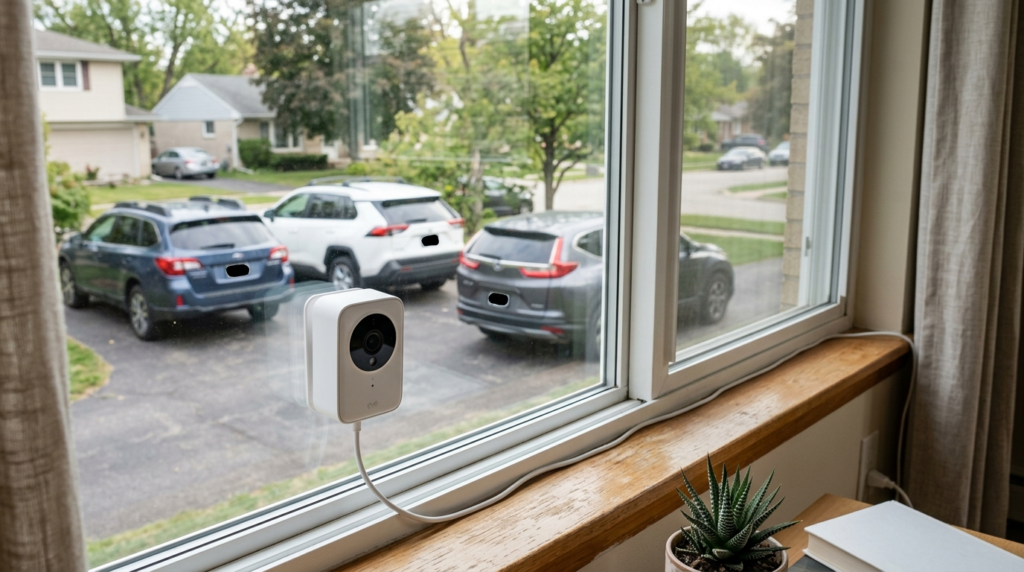
To the untrained eye, the annual deluge of Mother’s Day tech deals appears as a simple retail exercise—a frantic rush to secure discounted tablets, coffee makers, and robotic vacuums before the second Sunday in May. However, from the vantage point of enterprise infrastructure analysis, the 2026 Mother’s Day hardware lineup curated by outlets like WIRED represents something far more profound. We are witnessing a massive, subsidized deployment of edge computing nodes, advanced silicon, and Internet of Things (IoT) telemetry into the domestic sphere. The modern “Smart Home” is no longer a niche hobbyist concept; it is a distributed enterprise network, and the hardware being gifted this year is the foundational infrastructure of that network.
Consider the silicon architecture driving these consumer goods. The inclusion of the Apple iPad (2025) featuring the A16 Bionic chip at a heavily discounted $299 price point is a watershed moment for ARM-based compute commoditization. Just a few years ago, the A16 architecture—with its 16-core Neural Engine capable of nearly 17 trillion operations per second (TOPS), a 5-core GPU, and a high-performance 6-core CPU—was reserved for flagship, premium-tier smartphones. By pushing this TSMC-fabricated silicon down to a sub-$300 tablet, Apple is effectively flooding the entry-level market with enterprise-grade compute power. This isn’t just about giving consumers a smoother web browsing experience; it is about establishing a high-performance local node capable of running on-device machine learning models, spatial audio processing, and advanced augmented reality (AR) tasks without relying on cloud latency. The yield rates on these mature fabrication nodes have stabilized to the point where high-end silicon is now a budget-friendly commodity.
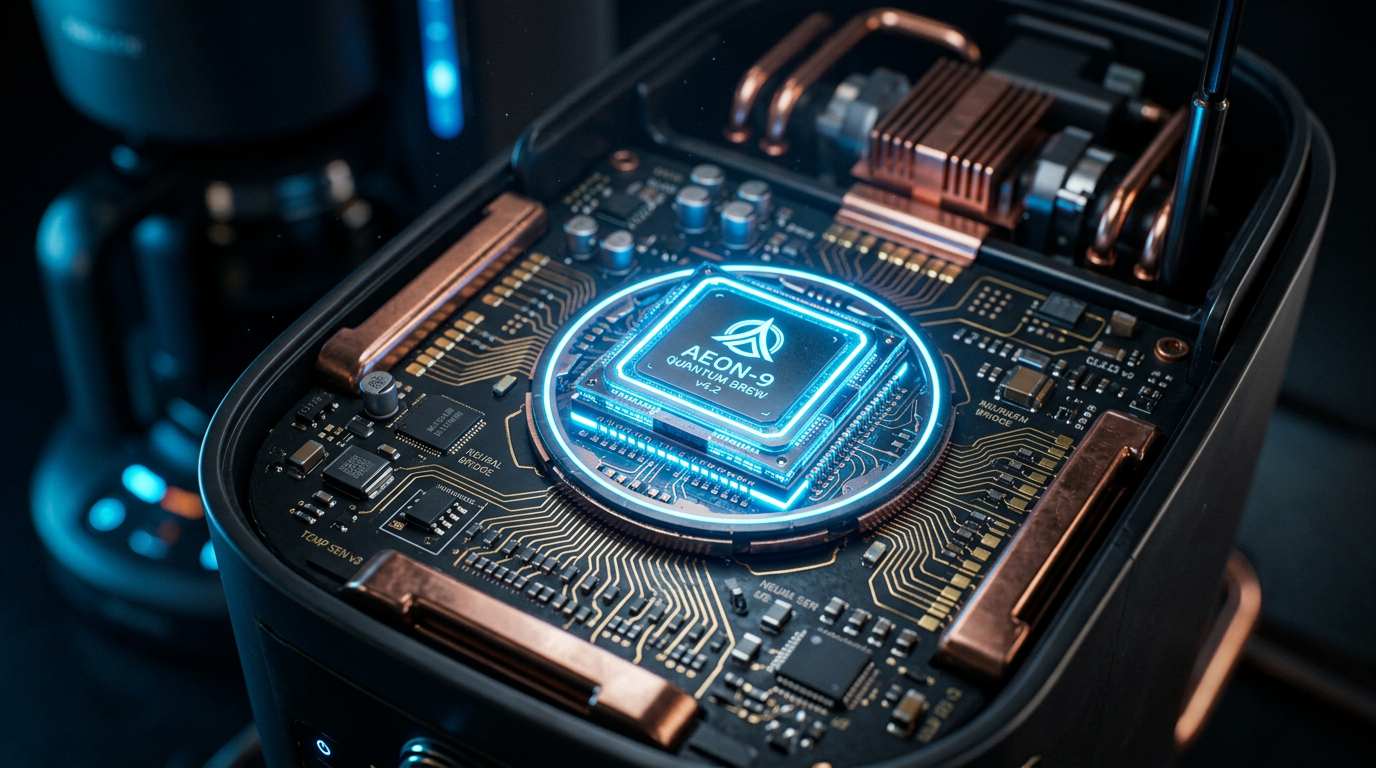
Beyond traditional computing devices, the architectural shift is most evident in the aggressive digitization of mundane household appliances. The Keurig K-Café Smart Single-Serve Coffee Maker and the Ember Mug 2 are prime examples of this phenomenon. These are not merely heating elements; they are network-attached edge devices. The Ember Mug 2 utilizes a sophisticated array of precision temperature sensors, a microprocessor, and a dual-band Wi-Fi/Bluetooth module to maintain exact thermal equilibrium. Similarly, the Keurig K-Café Smart relies on embedded microcontrollers (MCUs) to manage its BrewID technology, which recognizes specific coffee pods and adjusts extraction parameters—water temperature, flow rate, and pre-infusion times—via cloud-synced telemetry. Every time a beverage is brewed, data packets are transmitted to AWS or GCP backends, logging consumption habits, machine health, and user preferences. The domestic kitchen has been transformed into a data-generating endpoint.
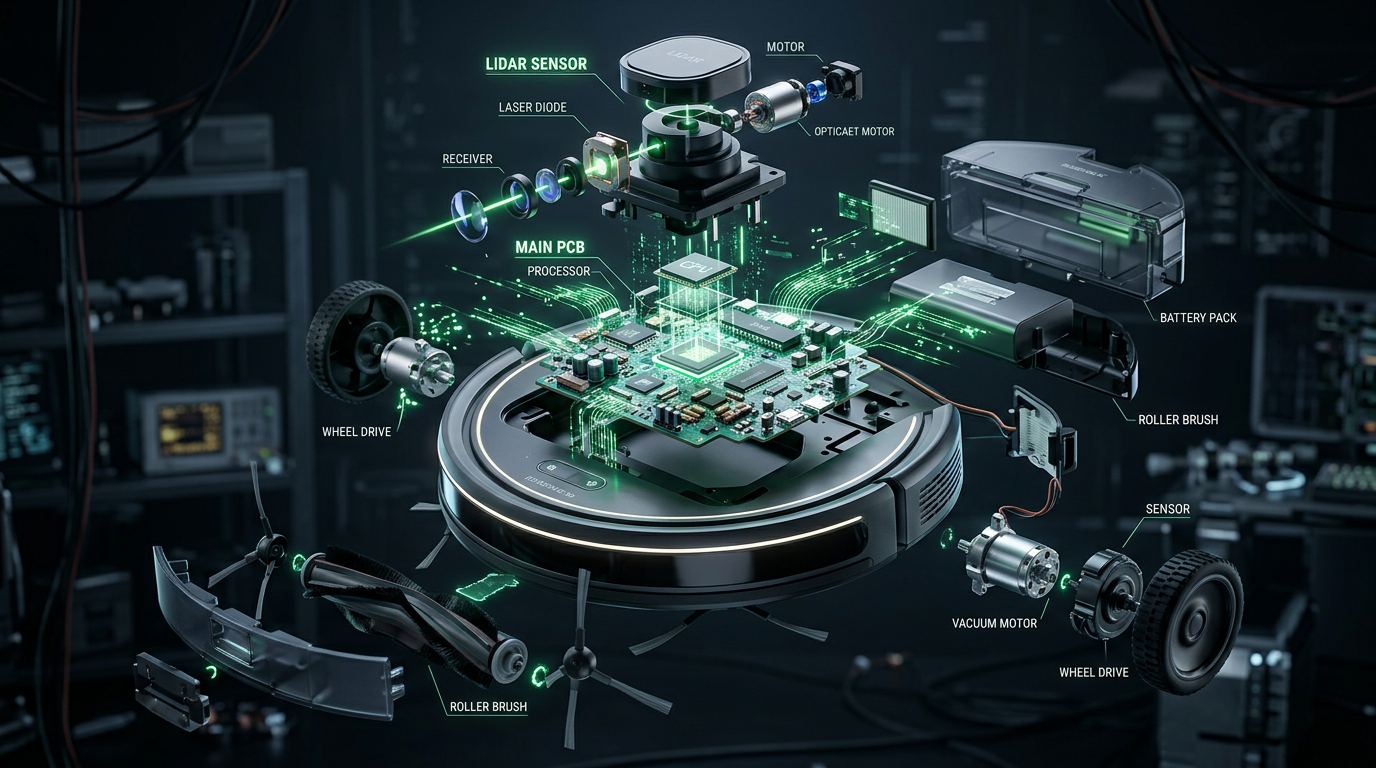
Furthermore, we are seeing significant leaps in low-power display architectures and micro-robotics. The Kobo Libra Colour, discounted to $200, utilizes advanced microcapsule electrophoretic technology—likely an iteration of E Ink Kaleido 3. This requires incredibly complex waveform controllers to manipulate charged pigment particles, allowing for color rendering without the massive battery drain associated with LCD or OLED panels. Meanwhile, the Eufy Omni C28 robot vacuum, slashed to $500, is a masterclass in local spatial computing. It utilizes Simultaneous Localization and Mapping (SLAM) algorithms, LiDAR arrays, and local Neural Processing Units (NPUs) to navigate complex domestic topographies. The compute required to process this spatial data locally—avoiding the latency and privacy nightmares of cloud-based visual processing—demonstrates how far edge AI has permeated the consumer market.
Enterprise Market Impact & TCO: The Hidden Economics of the Smart Home
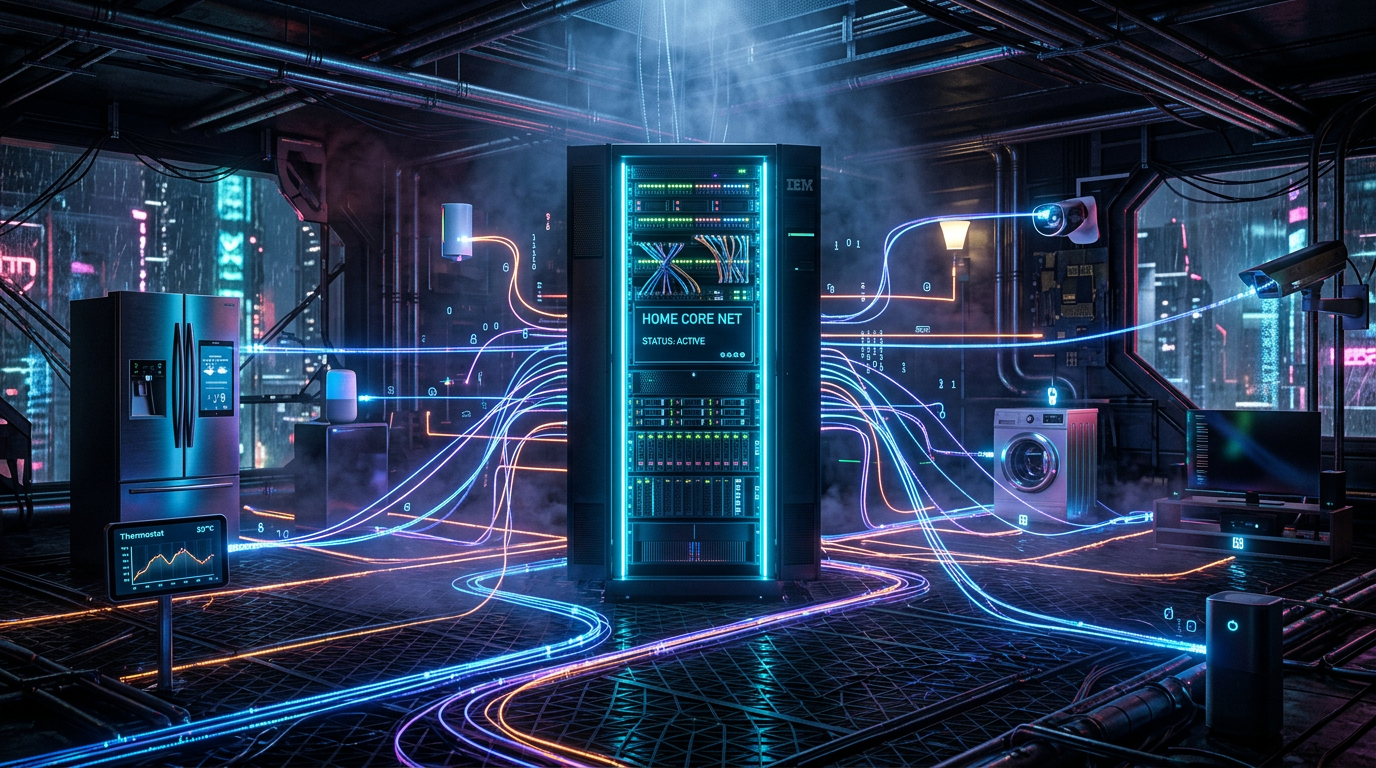
The aggressive discounting seen in the 2026 Mother’s Day hardware cycle—such as 38% off the Eufy Omni C28 or 50% off premium All-Clad cookware—is not merely an act of retail benevolence. It is a calculated reflection of current supply chain dynamics, inventory clearing strategies, and the transition toward recurring revenue models. For enterprise analysts, understanding the Total Cost of Ownership (TCO) of these devices reveals the true economic engine driving the consumer tech industry.
First, we must address the supply chain. The deep discounts on silicon-heavy devices like the Shark PowerDetect Cordless Stick Vacuum and the Fitbit Charge 6 indicate a stabilization in global semiconductor logistics. The component shortages of the early 2020s have given way to a slight oversupply of mature-node microcontrollers and NAND flash memory. Manufacturers are utilizing holiday sales events to clear out 2025 inventory, making room for the next generation of hardware that will likely feature integrated generative AI capabilities. By taking a margin hit on the initial hardware sale, these companies are securing market share in an increasingly saturated ecosystem.
However, the true enterprise impact lies in the “Razor and Blades” economic model applied to IoT infrastructure. When a consumer purchases the Keurig K-Café Smart for $150, the hardware transaction is merely the beginning of the customer lifecycle. The device is engineered to lock the user into a proprietary ecosystem of consumable pods. Furthermore, the companion app serves as a direct marketing channel, utilizing the telemetry data gathered from the machine to push targeted advertisements for new coffee blends or subscription auto-replenishment services. The TCO for the consumer skyrockets over a three-year period, while the manufacturer enjoys a predictable, recurring revenue stream. This is the exact same Software-as-a-Service (SaaS) model utilized in enterprise IT, seamlessly ported to the domestic kitchen.
This economic model is even more pronounced in the wearable sector. The Fitbit Charge 6, discounted to $120, is a sophisticated biometric harvesting tool. It utilizes photoplethysmography (PPG) sensors to monitor heart rate variability, blood oxygen saturation (SpO2), and sleep architecture. While the hardware is sold at a discount, the true value lies in the data pipeline. Google (Fitbit’s parent company) ingests millions of biometric data points per second into its enterprise cloud infrastructure. To access the deepest insights and historical trends of their own biological data, consumers are pushed toward the Fitbit Premium subscription. The hardware is a loss-leader; the subscription and the aggregated, anonymized health data are the actual products. For an enterprise CTO, this represents a masterclass in deploying edge nodes to build a proprietary, highly lucrative data lake.
Even the Lettuce Grow Indoor Farmstand, an automated hydroponic system discounted to $459, operates on this principle. While it addresses macro-economic concerns regarding food supply chain resilience and sustainability, it also requires ongoing purchases of proprietary seedlings, liquid nutrients, and pH balancers. The hardware facilitates the ecosystem lock-in. The TCO of maintaining a fully automated, network-attached home is staggering when factoring in subscriptions, consumable replacements, and the inevitable hardware obsolescence driven by firmware abandonment.
The Consumer Reality: What This Means for You
Translating this complex architectural and economic shift to the end-user—the mother receiving these gifts, and the family deploying them—reveals a stark dichotomy between marketed convenience and actual usability. The consumer reality of the 2026 smart home is one of incredible capability, marred by the persistent friction of network dependency.
When you gift an Ember Mug 2 or a Keurig K-Café Smart, you are not just giving a vessel for hot liquids; you are giving a device that requires an IP address, a 2.4GHz Wi-Fi connection, and periodic Over-The-Air (OTA) firmware updates. The consumer is forced to become an amateur systems administrator. When the router reboots, or when the companion app undergoes a buggy update, the core functionality of the device is compromised. A “dumb” coffee maker brews coffee when you press a physical switch; a “smart” coffee maker might refuse to brew because it cannot authenticate its SSL certificate with the manufacturer’s server. This introduces a layer of fragility into daily domestic routines that previously did not exist.
Furthermore, the deployment of devices like the Eufy Omni C28 robot vacuum introduces legitimate privacy considerations. While local processing has improved, these devices are still mapping the exact floor plans of private residences. They know the square footage, the placement of furniture, and, through obstacle avoidance cameras, the types of objects left on the floor. Consumers must weigh the undeniable convenience of automated cleaning against the reality of having a roaming, sensor-laden node operating within their most private spaces.
This friction is precisely why we are seeing a massive, parallel surge in the popularity of premium, analog hardware. The inclusion of the All-Clad D3 Mother of All Pans in WIRED’s tech-heavy list is not an anomaly; it is a counter-trend. Discounted to $150, this 6-quart pan represents the antithesis of the IoT movement. It is pure metallurgy—a tri-ply bonded construction of stainless steel encapsulating an aluminum core for optimal thermodynamic conductivity. It has no firmware, it requires no Wi-Fi, and its TCO is exactly zero dollars after the initial purchase. It is backed by a lifetime warranty because its architecture is permanent. For many consumers suffering from digital fatigue, the ultimate luxury is a tool that simply works, flawlessly, without requiring a software patch.
Similarly, the Dewenwils Book Reading Light, a mere $6, and the Blissy Sleep Mask ($28) represent micro-investments in analog comfort. They serve as a reminder that not every problem requires a silicon-based solution. While the Kobo Libra Colour offers a magnificent digital reading experience, the combination of a physical paperback and a $6 LED light offers an unhackable, battery-efficient alternative that will never display a notification or require a subscription.
The Industry Ripple Effect
The pricing strategies and hardware capabilities showcased in this Mother’s Day cycle will send immediate shockwaves through the broader consumer electronics and enterprise IT industries. When Apple sets the floor for high-performance tablets at $299 with the A16 chip, it forces a brutal recalculation among Android OEMs. Competitors like Samsung and Lenovo can no longer rely on low-tier MediaTek or Snapdragon processors for their budget offerings; they must compress their own margins to offer comparable compute power, accelerating the commoditization of advanced silicon across the board.
In the smart home sector, the aggressive discounting of Wi-Fi-enabled appliances signals a race to the bottom for hardware margins, shifting the industry’s focus entirely toward data monetization and subscription services. Companies that fail to establish a recurring revenue model will be unable to sustain the cloud infrastructure required to support their deployed edge devices, leading to a wave of IoT bankruptcies and “bricked” appliances over the next 36 months. This will likely spur regulatory scrutiny regarding the “Right to Repair” and the mandatory open-sourcing of firmware for abandoned smart devices.
Finally, the success of products like the Lettuce Grow Farmstand points toward a new frontier in domestic infrastructure: micro-agriculture. As climate volatility and supply chain disruptions continue to impact global food prices, the enterprise technology sector will increasingly pivot toward localized, automated food production. The sensors, water pumps, and LED arrays used in these systems will become as ubiquitous as the Wi-Fi router, creating an entirely new vertical for IoT hardware manufacturers and agricultural tech startups.
TechNode HQ Verdict: Pros, Cons & Usability
- Pro (Engineering): The integration of TSMC’s mature-node silicon (like the A16 Bionic) into sub-$300 consumer devices provides unprecedented local compute power, enabling advanced edge AI processing without cloud latency.
- Pro (Consumer): Automated domestic hardware, such as SLAM-equipped robot vacuums and precision-temperature smart mugs, drastically reduces the manual labor and friction of daily household routines.
- Con: The hidden Total Cost of Ownership (TCO) is severe, with manufacturers increasingly locking core hardware features behind mandatory premium subscriptions and proprietary consumable ecosystems.
- Con: The deployment of IoT appliances introduces significant network fragility; a simple Wi-Fi outage or botched firmware update can render essential household tools temporarily useless.
Enterprise Usability: For IT professionals and CTOs, the consumerization of these technologies serves as a live testing ground for edge node deployment and data harvesting pipelines. The underlying telemetry architectures of devices like the Keurig Smart or Fitbit Charge 6 offer valuable blueprints for building scalable, recurring-revenue hardware ecosystems. However, enterprise networks should strictly isolate any consumer IoT devices brought into the corporate environment via VLANs, as their security protocols are often secondary to their data-collection mandates.
Everyday Usability: For the general public, these deals offer tremendous value, provided the buyer understands the hidden costs. If you are purchasing the iPad A16 or the Kobo Libra Colour, you are securing highly capable, long-lasting hardware at a prime discount. However, when investing in IoT appliances (Keurig, Ember, Eufy), consumers must accept the reality of becoming amateur network administrators. For those seeking absolute reliability without the digital overhead, analog investments like the All-Clad D3 remain the most economically sound and frustration-free purchases on the market.
Sources & Citations:
Original Technical Breakdown via: wired
Official Handle: @wired
Topics Explored: IoT Infrastructure, Edge Computing, Smart Home Economics, Wearable Biometrics, Supply Chain Dynamics