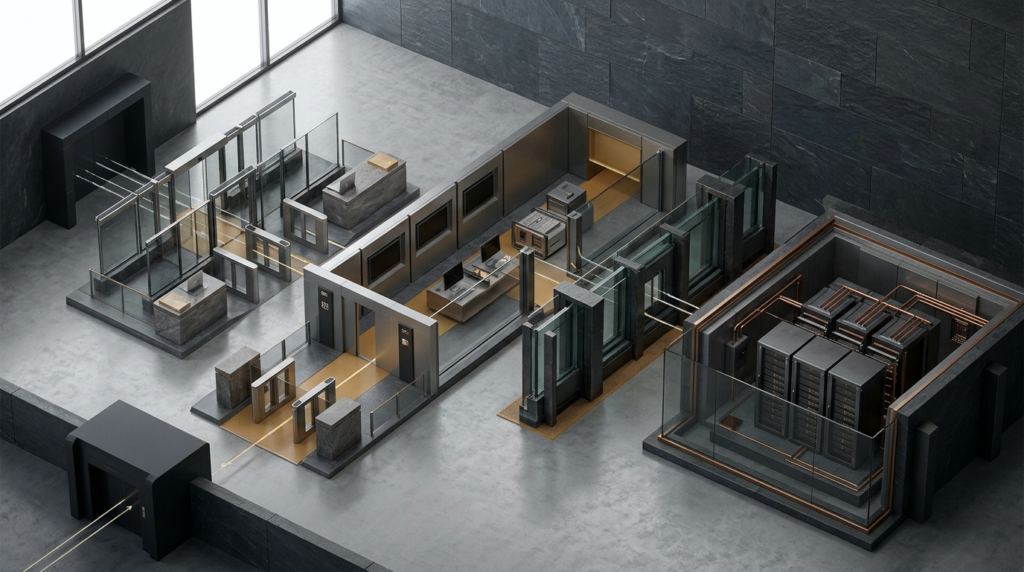
The Architectural Reality
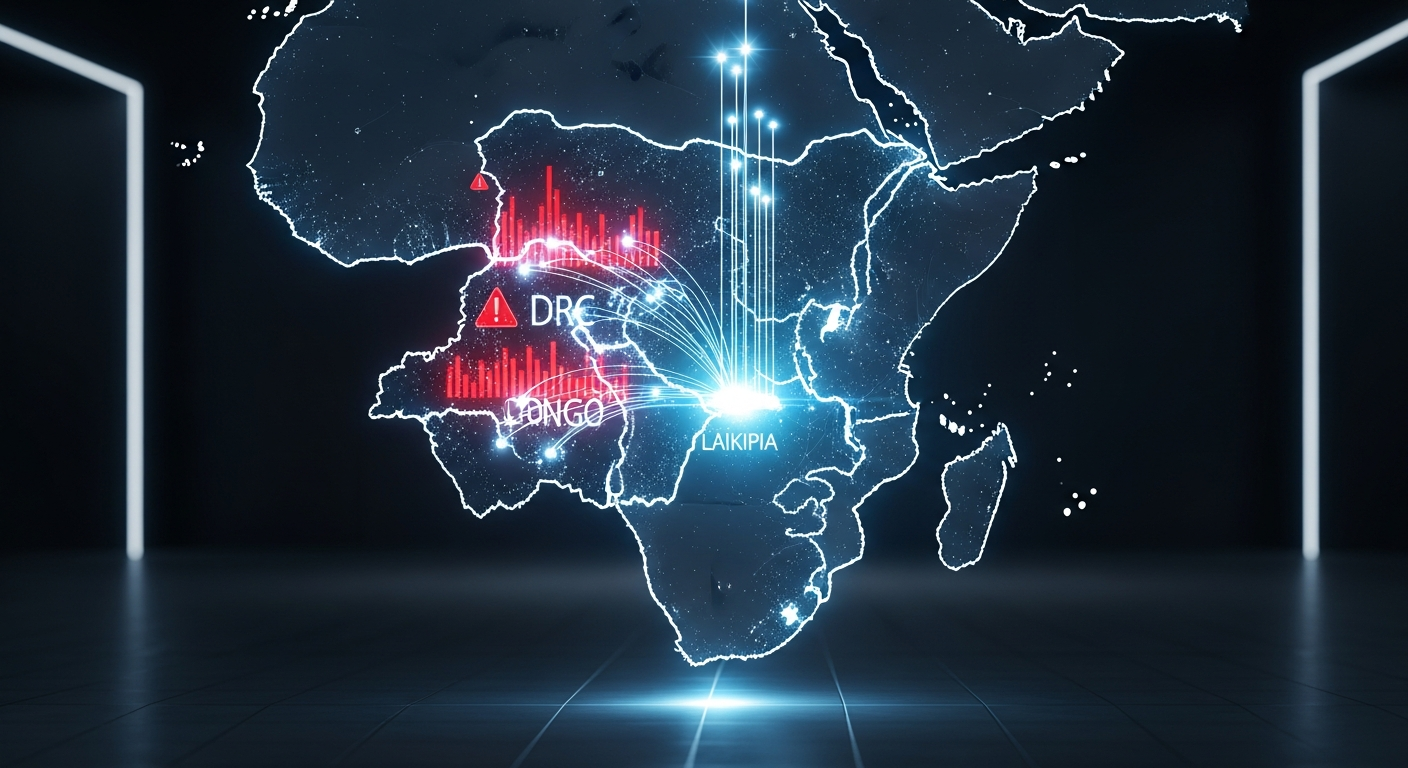
In the high-stakes arena of global health security, the deployment of biocontainment infrastructure has traditionally been a centralized affair. Nations build massive, heavily fortified Biosafety Level 4 (BSL-4) hospitals within their own borders—facilities like the Nebraska Biocontainment Unit or Emory University Hospital—designed to handle the world’s most lethal pathogens. But in May 2026, as a fierce outbreak of the Bundibugyo Ebola virus ravaged the Democratic Republic of the Congo (DRC) and neighboring Uganda, the Trump administration attempted a radical, highly controversial pivot: deploying a biological Edge Computing node on foreign soil.
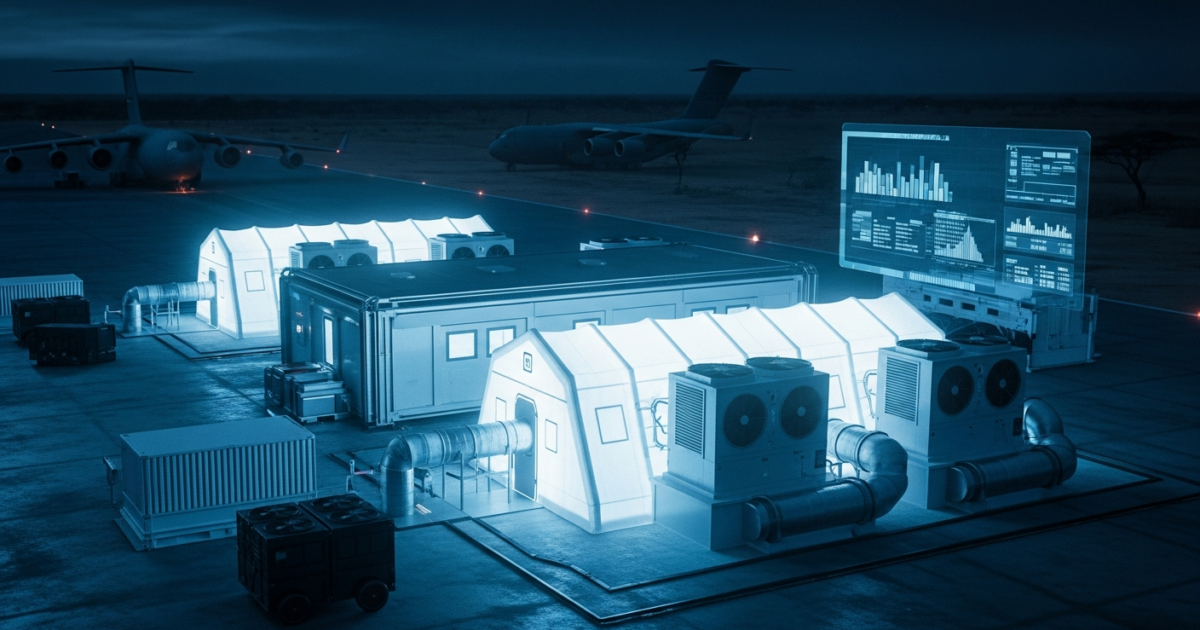
The plan, which has now been abruptly halted by the Kenyan High Court, involved establishing a 50-bed makeshift quarantine and treatment facility at the Laikipia Air Base, roughly 120 miles north of Nairobi. Backed by a $14 million commitment, the facility was designed to intercept and isolate American citizens exposed to the virus before they could return to the United States. From an engineering and IT infrastructure perspective, building a forward-deployed BSL-4 equivalent facility in a matter of weeks is a staggering logistical challenge.
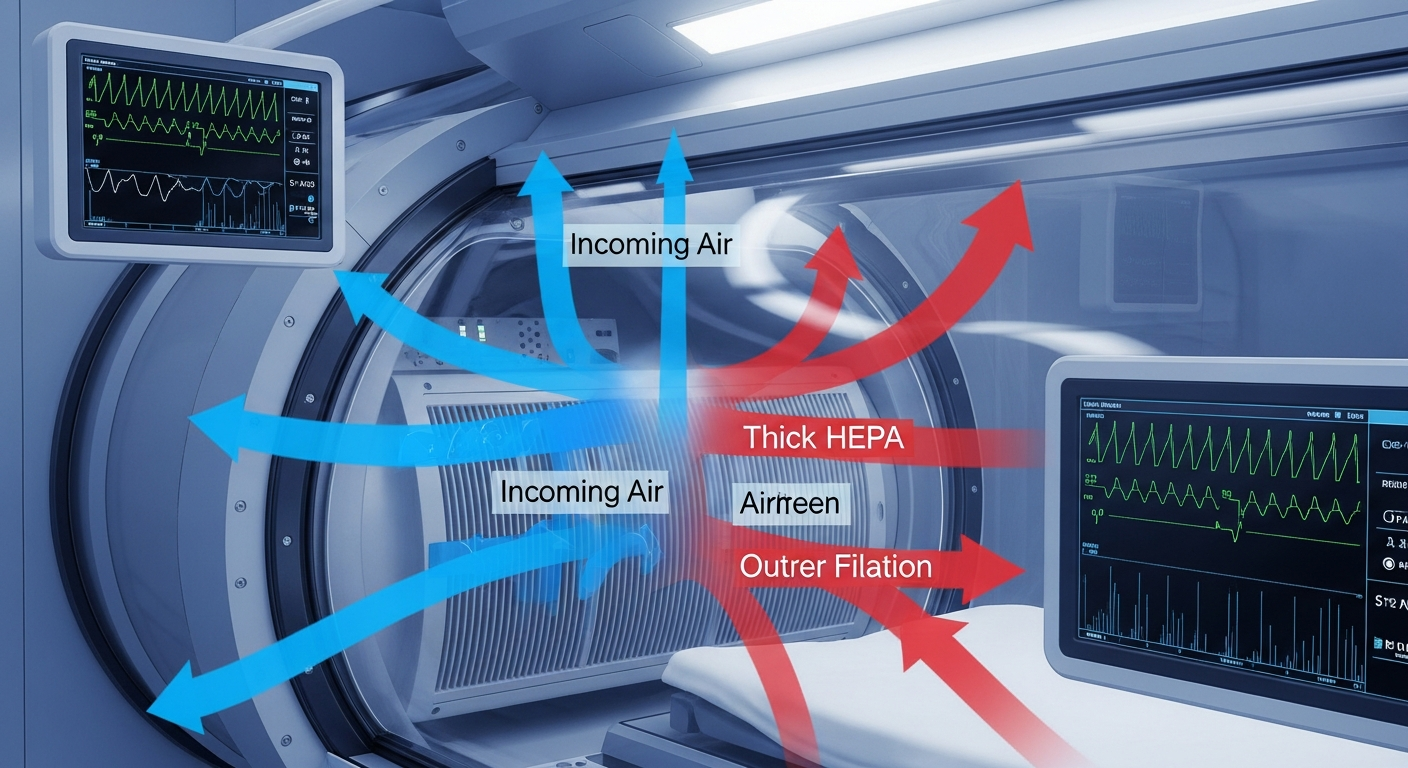
To understand the sheer complexity of this proposed facility, one must look past the canvas of a “field hospital” and examine the underlying hardware. A true biocontainment node requires absolute environmental isolation. This means deploying modular negative-pressure pods where the internal air pressure is maintained at roughly -0.05 inches of water gauge relative to the outside environment. Every cubic foot of air exhausted from these pods must pass through industrial-grade High-Efficiency Particulate Air (HEPA) filtration arrays, capable of trapping 99.97% of particles as small as 0.3 microns.
Furthermore, the IT backbone required to operate such a facility at the “edge” is immense. Treating highly infectious patients requires minimizing physical contact between healthcare workers and the infected. This necessitates a robust Internet of Medical Things (IoMT) deployment. Continuous telemetry—monitoring heart rate, blood oxygen, and fluid loss—must be streamed in real-time from the isolation pods to a secure, air-gapped command center. Because local specialized medical expertise for the Bundibugyo strain is limited, this Data must be beamed via high-bandwidth, encrypted satellite uplinks back to specialists at the CDC and the Department of Defense in the United States. The Laikipia facility was not just a hospital; it was designed to be a massive, data-streaming biological firewall.
Market Impact & Deployment
Despite the ambitious technological scope of the project, the deployment collapsed not due to hardware failure, but due to a fundamental miscalculation of sovereign legal frameworks and infrastructural compatibility. You cannot simply air-drop a high-risk biological node into a foreign nation without integrating it into the host country’s existing health and regulatory grid.
On Friday, May 29, 2026, Kenyan High Court Justice Patricia Nyaundi issued a conservatory order temporarily blocking the establishment of the facility. The injunction was spearheaded by the Katiba Institute, a Kenyan constitutional advocacy group, which filed an urgent petition citing an “imminent threat to life.” Their legal argument struck at the very heart of the US deployment strategy: Kenya’s laboratory infrastructure is primarily equipped for BSL-1 and BSL-2 pathogens, with only limited BSL-3 capacity. Ebola, particularly the highly lethal Bundibugyo strain, requires BSL-4 containment.
From an Enterprise deployment perspective, this is akin to installing a hyper-scale AI data center in a region without a supporting electrical grid. The Katiba Institute successfully argued that the US plan bypassed critical environmental and health impact assessments. How would the facility handle the highly infectious liquid effluent and solid waste generated by 50 Ebola patients? Standard field incinerators and chemical decontamination systems (EDS) require rigorous local oversight to ensure groundwater and local air quality are not contaminated. By attempting to bypass parliamentary oversight and public participation, the US administration triggered a sovereign defense mechanism.
The financial metrics of the deployment also raise eyebrows among infrastructure analysts. The US committed $14 million to the Laikipia project. While this sounds substantial, constructing a permanent, fully compliant BSL-4 facility typically costs upwards of $1.2 billion and takes years to certify. A $14 million budget for a 50-bed (expandable to 250-bed) expeditionary facility suggests a heavy reliance on temporary, modular units (like the Aeromedical Biological Containment System pods used for transport) rather than permanent, fail-safe infrastructure. This cost-cutting approach likely fueled the Katiba Institute’s concerns regarding the true safety of the site.
The Consumer Translation
For the global public, and specifically for American citizens working or traveling abroad, the Laikipia Air Base debacle signals a chilling shift in government repatriation policy. Historically, the United States has gone to extraordinary lengths to bring its infected citizens home. During the 2014 West African Ebola outbreak, the US successfully utilized specialized biocontainment aircraft to repatriate 11 patients. These individuals were treated in elite, purpose-built domestic facilities, and crucially, there was zero secondary transmission from these repatriated cases to the broader US public.
The current administration’s refusal to bring exposed Americans home—opting instead to “dump” them in a makeshift facility in Kenya or an undetermined location in Europe—reflects a prioritization of political optics over established public health protocols. The administration claims the Kenyan facility would provide “high-quality care” without the risks of a lengthy transatlantic flight. However, infectious disease experts, including veteran physician-scientist Daniel Bausch, have labeled the response “appalling,” noting that it aligns with a broader withdrawal from global health institutions like the WHO and the dismantling of USAID infrastructure.
As of late May 2026, the WHO reports that the Bundibugyo outbreak in the DRC has surged to 1,198 cases (1,077 suspected, 121 confirmed) and 263 deaths. Unlike the Zaire strain, there are currently no licensed vaccines or specific therapeutics for the Bundibugyo virus. In this highly volatile environment, the failure of the Laikipia facility leaves exposed Americans in a dangerous limbo. It also sets a concerning precedent: powerful nations attempting to externalize their infectious disease risk by outsourcing quarantine to developing nations, rather than relying on their own superior domestic infrastructure.
TechNode HQ Verdict: Pros, Cons & Usability
- Pro (Engineering): The conceptual design of expeditionary biocontainment showcases the rapid scalability of modular negative-pressure hardware and satellite-linked medical telemetry.
- Pro (Consumer): Forward-deployed medical nodes can, in theory, provide immediate triage and stabilization for patients too unstable to survive a 15-hour transatlantic medevac flight.
- Con: The $14 million budget is vastly insufficient for establishing true, fail-safe BSL-4 equivalent containment for 50 to 250 patients, risking catastrophic local contamination.
- Con: Severe deployment friction. Attempting to bypass a sovereign nation’s environmental and constitutional oversight guarantees legal roadblocks, as demonstrated by the Katiba Institute’s successful injunction.
Enterprise Usability: For CTOs and logistics directors in the government and defense sectors, the Laikipia failure is a stark lesson in “edge” deployment. Hardware readiness is irrelevant if you lack regulatory and infrastructural compatibility with the host environment. Future expeditionary health nodes must be co-developed with host nations, ensuring local BSL compliance and transparent environmental impact planning.
Everyday Usability: For the everyday citizen, this incident is a warning about the fragility of international safety nets. Americans operating in high-risk biological zones can no longer assume guaranteed repatriation to domestic BSL-4 facilities, making private medical evacuation insurance and strict adherence to local WHO guidelines more critical than ever.