The Architectural Reality of Edge Workspace Infrastructure
When enterprise technology analysts evaluate the modern distributed workforce, the conversation inevitably gravitates toward zero-trust network architectures, endpoint detection, cloud-based collaboration suites, and encrypted VPN tunnels. However, a critical vulnerability remains largely unaddressed in the remote work era: Layer 1 physical security and hardware management at the edge. The home office has rapidly evolved into a decentralized node of the corporate network, housing sensitive intellectual property, expensive peripherals, and proprietary data. Yet, the physical infrastructure supporting this hardware is too often relegated to flimsy particleboard, repurposed dining room furniture, or budget-tier cabinets that fail to meet the rigorous demands of a modern technology stack.
Enter Mustard Made. A direct-to-consumer brand that has quietly infiltrated the home offices of top-tier tech reviewers, executives, and developers, Mustard Made represents a paradigm shift in how we approach this physical layer. Currently running their highly anticipated “Better Together” sale through May 31, 2026, the company is offering a rare 20 percent discount on their flagship storage lockers. But to dismiss these units as mere aesthetic furniture—as many traditional interior design publications do—is a fundamental miscalculation. These are highly engineered, powder-coated steel enclosures designed to solve specific infrastructural bottlenecks in the modern workspace.
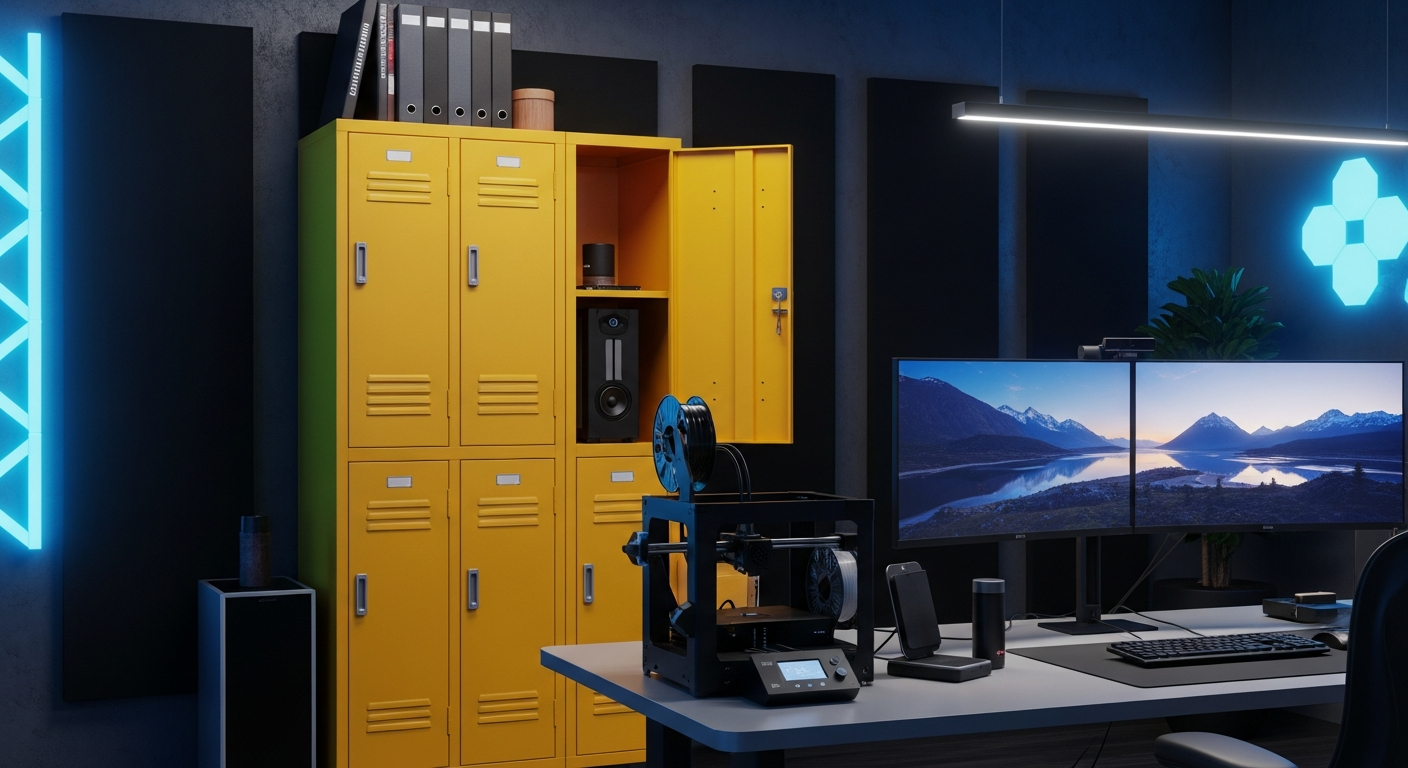
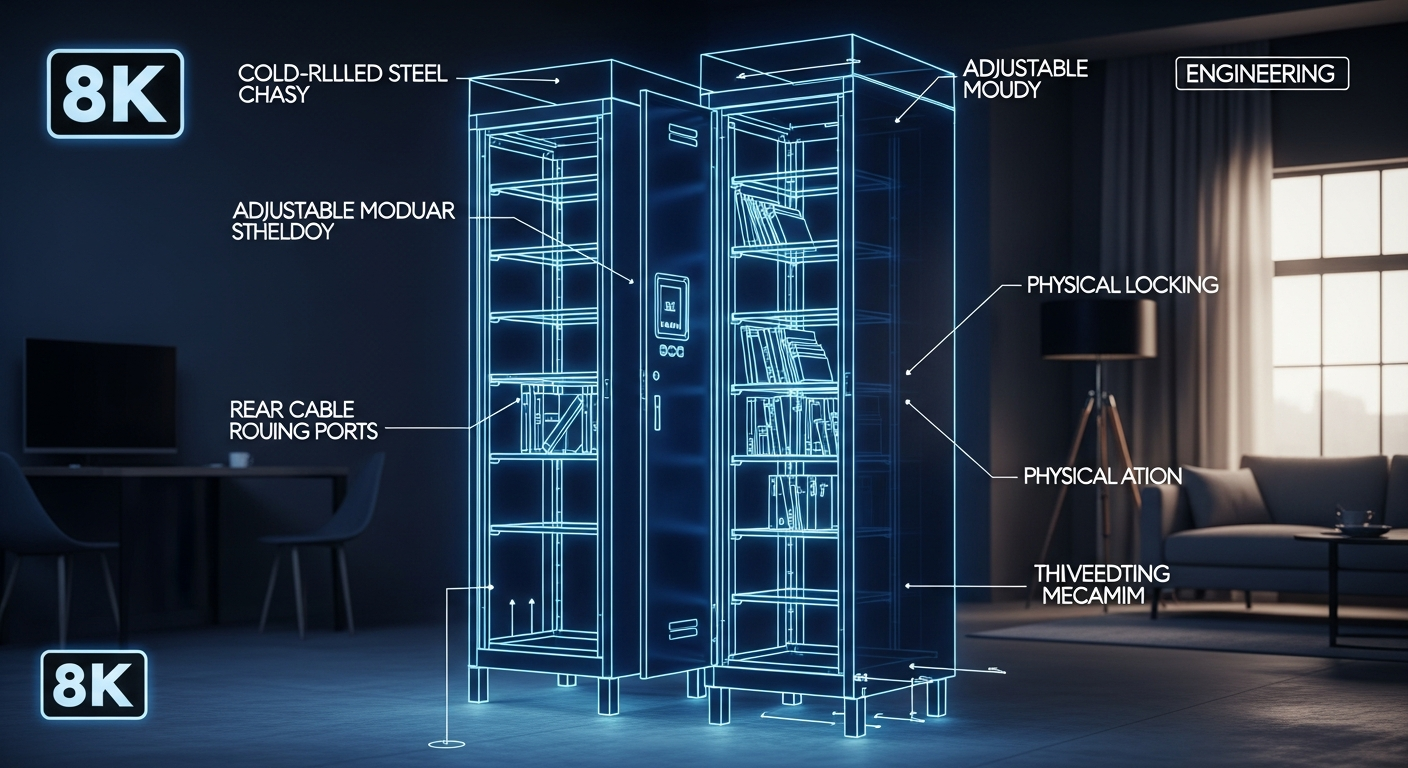
Let us examine the underlying hardware mechanics. The chassis of a Mustard Made locker, whether it is the dual-shelf “Lowdown” or the taller “Midi,” is constructed from cold-rolled steel. This material choice is critical. Unlike Medium-Density Fibreboard (MDF) which warps under the thermal output of active electronics or sags beneath the weight of heavy hardware, steel provides uncompromising structural integrity. The powder-coated finish is applied electrostatically and cured under heat, creating a hard, magnetic skin that is significantly tougher than conventional paint. This magnetic property is not just a novelty; it allows for modular peripheral attachment. Users can magnetically mount cable management clips, power strips, or the brand’s own “Storyboard” accessories directly to the chassis, effectively turning the locker into a customizable, micro-server rack for the home.
The load tolerances further validate this enterprise-grade positioning. According to verified technical specifications, each adjustable shelf within the Midi and Lowdown models is engineered to support up to 88.2 pounds, while the top surface can bear a load of 110.2 pounds. This is not designed merely for storing paper files or office supplies. These tolerances are specifically calibrated to house heavy, vibration-prone equipment such as 3D printers, Uninterruptible Power Supplies (UPS), Network Attached Storage (NAS) enclosures, and enterprise-grade routing hardware. Martin Cizmar, Senior Director of the WIRED Reviews team, explicitly notes utilizing his locker to house a 3D printer—a use case that demands absolute structural rigidity to prevent print failure from micro-vibrations.
Furthermore, Mustard Made has integrated critical features for active electronics. The rear panels feature dedicated cable routing holes, allowing for seamless power and data delivery to internal devices without compromising the clean exterior aesthetic. More importantly, the chassis incorporates passive thermal management via stamped air vents. When housing heat-generating devices like a NAS drive or a Wi-Fi 6E router, thermal throttling is a genuine concern in closed cabinets. These vents facilitate passive convective airflow, mitigating heat buildup. Finally, the inclusion of a mechanical key-lock on every door provides essential physical security. In a shared living space or a hybrid co-working environment, the ability to physically lock away proprietary prototypes, external hard drives, or sensitive documents is a non-negotiable compliance requirement for many remote tech workers.
Market Impact, TCO, and the Deployment Model
The economics of the Mustard Made ecosystem require a thorough Total Cost of Ownership (TCO) analysis, especially in the context of their current promotional window. The direct-to-consumer (D2C) furniture market is notoriously volatile, heavily reliant on aggressive marketing and artificial scarcity. Mustard Made operates differently, running only two major sales annually. During this current window (ending May 31, 2026), the pricing dynamics shift favorably for the consumer. The Lowdown model drops from $329 to $263, while the midsized Midi model is reduced from $369 to $295.
When comparing this to legacy alternatives, the value proposition becomes clear. For years, the default choice for budget-conscious tech workers was the Ikea PS cabinet—a product that Cizmar notes is now partially discontinued in its tall format. While the Ikea alternative boasts a lower initial purchase price, its thinner gauge metal, inferior locking mechanism, and lack of modularity result in a shorter lifecycle and higher replacement frequency. On the other end of the spectrum, traditional enterprise procurement options from brands like Steelcase or Herman Miller offer exceptional build quality but at a price point that is often prohibitive for individual remote workers outfitting their own spaces. Mustard Made occupies the optimal middle ground: enterprise-grade materials delivered at a premium consumer price point.
However, the D2C model introduces a significant deployment friction point: flat-pack logistics. Shipping heavy steel enclosures fully assembled is logistically and financially unviable. By flat-packing the lockers, Mustard Made reduces volumetric shipping weight, but this inherently shifts the labor of assembly—and the associated stress—onto the end-user. Our Red Team audit of the deployment process reveals notable friction. The WIRED review candidly admits to running into “a few snags” during assembly, requiring secondary assistance to complete the build within the advertised 30-minute window.
Broader industry feedback corroborates this friction. The metal panels can feel delicate and unwieldy pre-assembly, often producing loud, resonant bangs as they are manipulated into place. For a consumer who has just spent nearly $300 on a premium storage solution, the tactile tension of forcing steel tabs into slots can induce anxiety about potentially damaging the hardware. While Mustard Made provides excellent, high-production-value video tutorials on YouTube to mitigate this, the reality remains: the user is acting as the final assembly technician for a piece of structural hardware. Once fully assembled, the tension resolves into a highly rigid, sturdy chassis, but the initial deployment phase requires patience, a Phillips-head screwdriver, and ideally, a second set of hands.
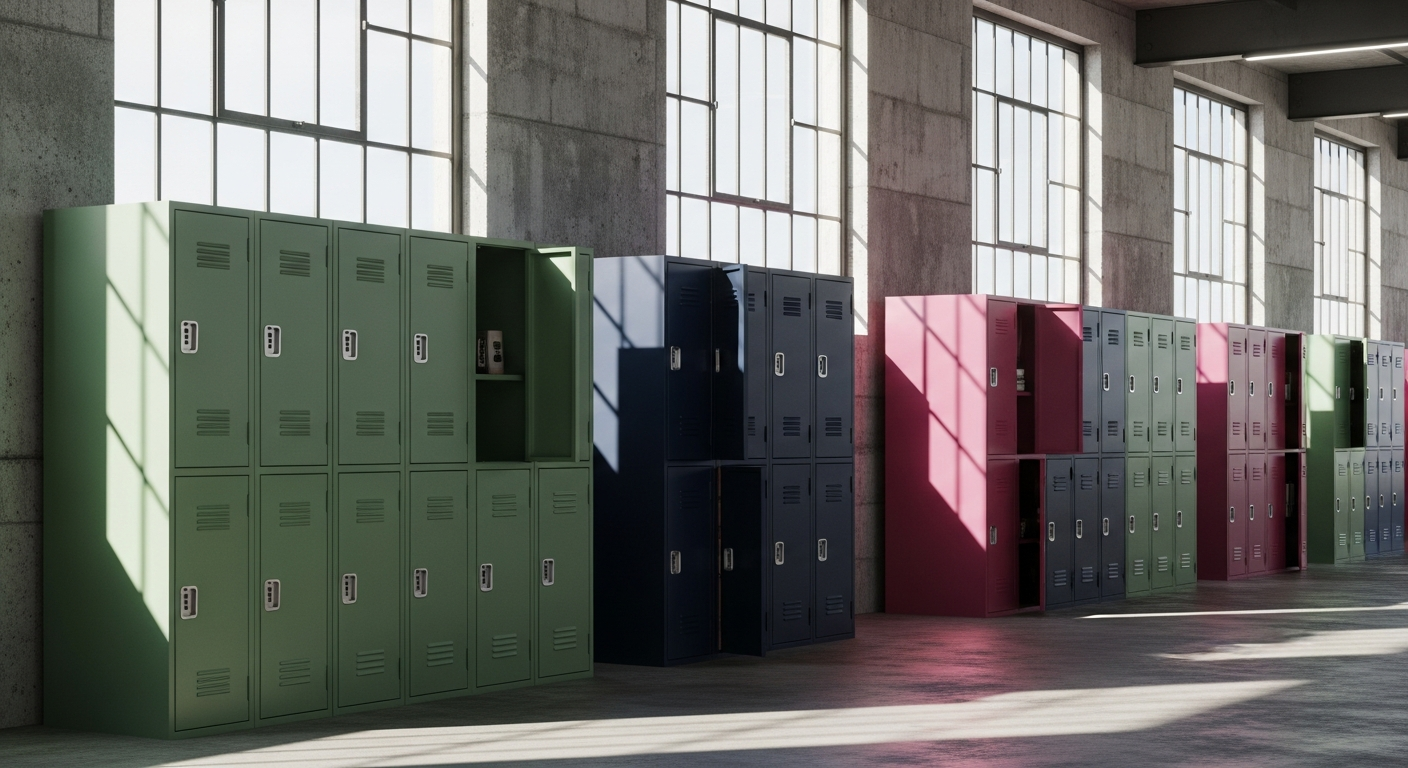
It is also worth noting the strategic inventory management at play during this sale. The 20 percent discount applies to eight specific colors: Blush, Berry, Mustard, Butter, Sage, Olive, Navy, and Ocean. Notably absent from the promotion is the highly popular, vibrant “Poppy” red. This is a classic supply chain optimization tactic, allowing the brand to clear inventory of specific SKUs while maintaining full margin on their most viral, high-demand colorways. Buyers must navigate these constraints when architecting their workspace aesthetics.
The Consumer Translation: Ergonomics and the Zoom Economy
Beyond the raw specifications and deployment logistics, the true genius of the Mustard Made ecosystem lies in its translation to the consumer experience. For decades, office storage furniture was defined by a monolithic, utilitarian design language—drab grays, beige laminates, and sterile whites intended to blend invisibly into the background of a corporate cubicle farm. This aesthetic is fundamentally incompatible with the modern home office, which demands a delicate balance between professional utility and personal sanctuary.
Mustard Made aggressively subverts this paradigm by utilizing loud, highly saturated colors that announce themselves in a room. This is not merely an interior design choice; it is a strategic play in the modern “Zoom Economy.” In a distributed workforce, your video background serves as your professional storefront. It communicates organization, creativity, and status. Julian Chokkattu, a prominent reviewer on the WIRED Gear team, famously takes his high-stakes video meetings from a space outfitted with high-end ergonomic chairs and cutting-edge gadgets, yet the defining visual anchor of his environment is the stylish yellow Mustard Made locker positioned behind him.
This visual anchoring is a crucial component of an ergonomic workspace. Cognitive ergonomics—the way our physical environment impacts our mental load and productivity—suggests that managing visual clutter is just as important as managing physical posture. The modern tech worker is burdened by “peripheral sprawl”: the inevitable accumulation of tangled cables, external hard drives, VR headsets, mechanical keyboards, and testing devices. Leaving these items exposed on a desk increases cognitive load and visual fatigue.
By providing a highly aesthetic, physically secure enclosure to hide this sprawl, Mustard Made allows users to maintain a minimalist, distraction-free desk surface while keeping essential hardware immediately accessible. The adjustable shelving allows for bespoke internal organization—one shelf dedicated to charging drones and cameras, another housing a NAS drive, and the base reserved for bulkier items like a 3D printer or a desktop PC tower. The result is a workspace that feels less like a sterile server room and more like a curated, high-performance creative studio.
Ultimately, the transition to remote work forced millions of professionals to hastily integrate enterprise technology into their living spaces. As we move from temporary pandemic-era setups to permanent distributed infrastructure, the demand for hardware that respects both the technical requirements of the equipment and the aesthetic requirements of the home will only accelerate. Mustard Made has successfully identified and capitalized on this exact intersection.
TechNode HQ Verdict: Pros, Cons & Usability
- Pro (Engineering): Exceptional structural integrity with cold-rolled, powder-coated steel construction, supporting over 88 lbs per shelf, complete with passive thermal vents and integrated cable routing for active electronics.
- Pro (Consumer): Striking, vibrant colorways that instantly elevate the aesthetic of a home office, providing a premium, organized background for high-stakes video conferencing.
- Con: The flat-pack deployment model introduces significant assembly friction; the metal panels can be unwieldy and loud during construction, often requiring two people to avoid frustration.
- Con: Strategic inventory limitations mean highly sought-after colors (like Poppy) are excluded from the current promotional pricing, forcing compromises on aesthetic planning.
Enterprise Usability: For CTOs and IT procurement managers outfitting remote executives or edge developers, Mustard Made lockers represent a highly viable solution for Layer 1 physical security. The ability to lock away proprietary hardware and sensitive documents in a chassis that employees actually want in their homes solves a major compliance hurdle. The current sale pricing makes the TCO highly competitive against traditional enterprise furniture.
Everyday Usability: For the everyday remote worker, this is an immediate “buy” recommendation before the May 31 deadline. If you are struggling with tech clutter, cable management, or simply want to upgrade your workspace from budget particleboard to a piece of hardware that will last a decade, the Lowdown or Midi lockers are unparalleled in their mix of utility and design. Just be prepared to exercise patience during the 30-minute assembly process.
Sources & Citations:
Original Claim via: wired
Official Handle: @wired
Topics Explored: WFH Infrastructure, Physical Security, Workspace Ergonomics, Direct-to-Consumer Hardware, Edge Computing