The Architectural Reality: When Silicon Meets Smoke
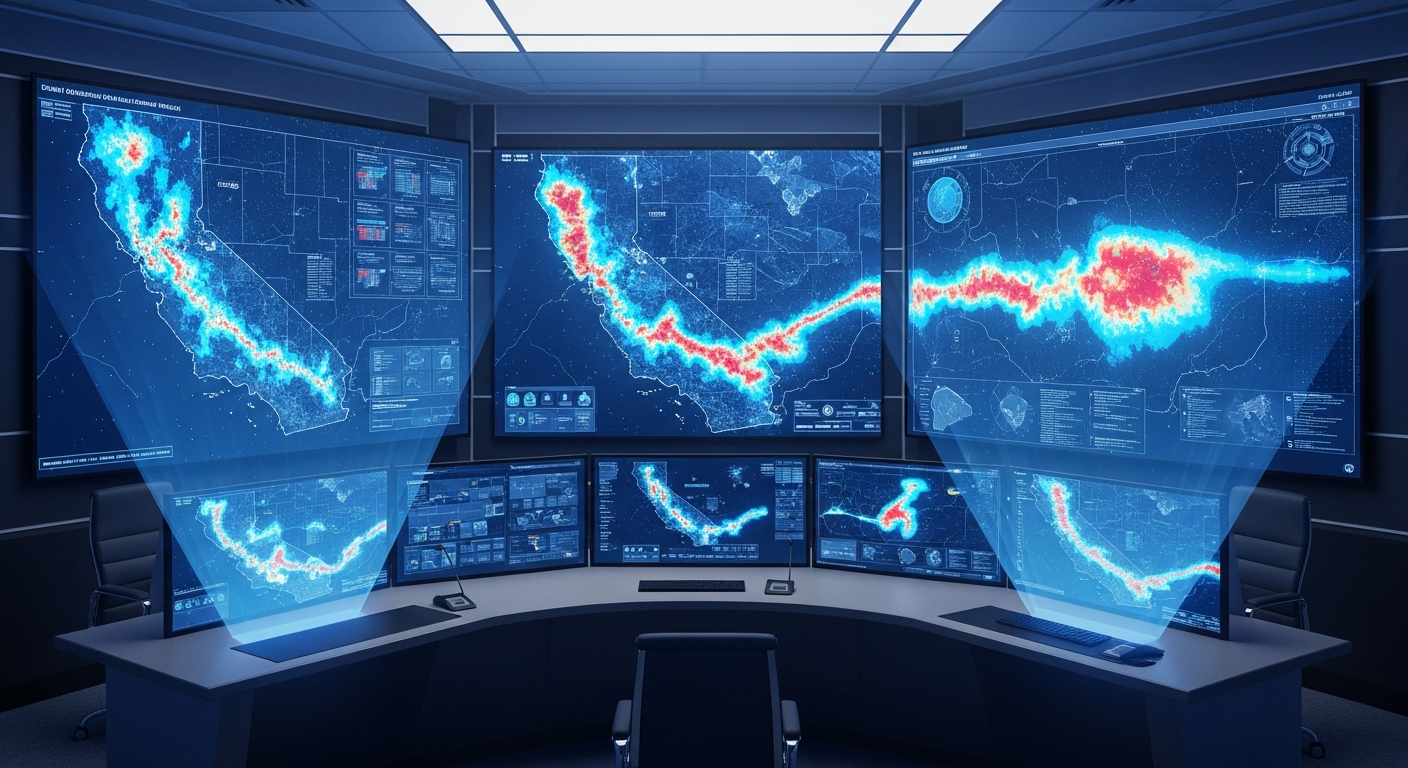
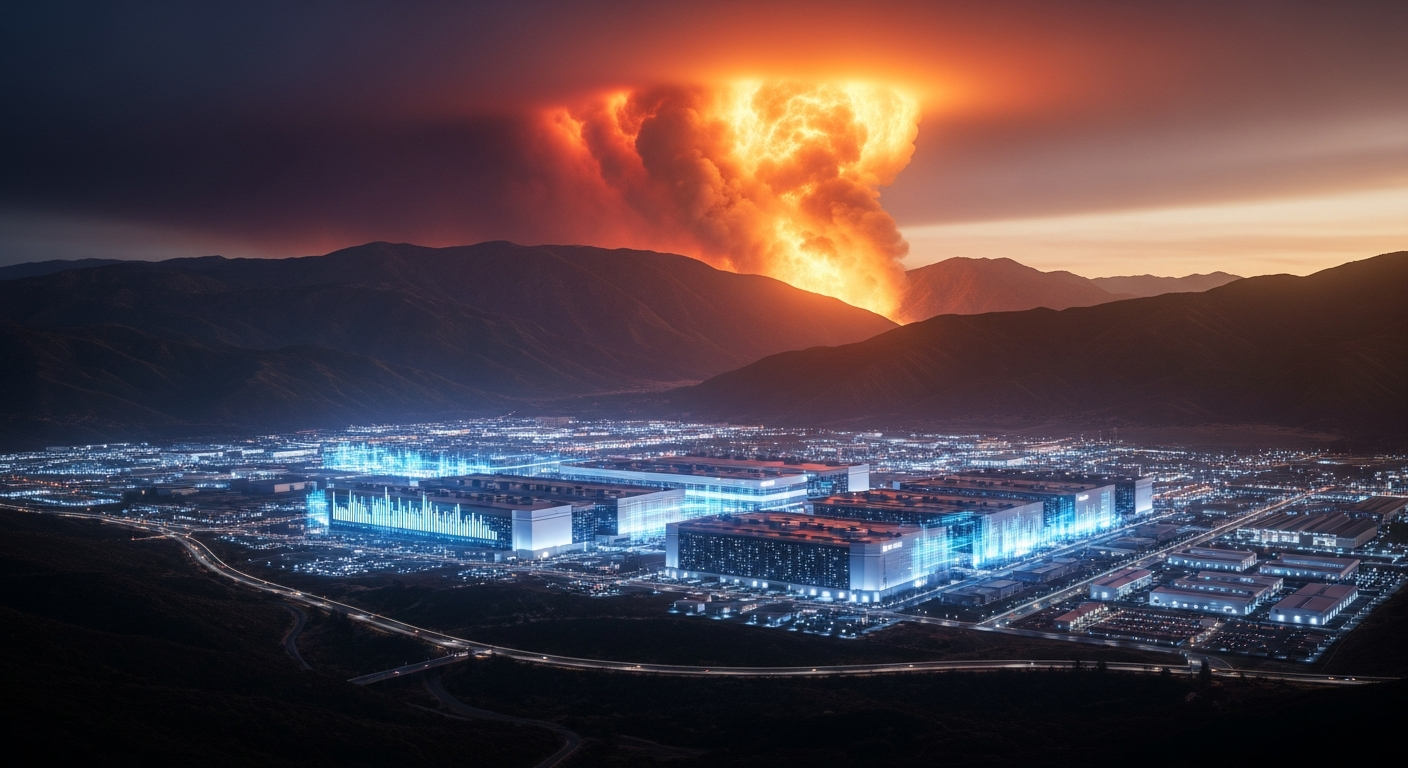
It is only May of 2026, yet the physical infrastructure that underpins the global digital economy is already under siege. California, the undisputed epicenter of the artificial intelligence revolution, is currently experiencing a catastrophic early wildfire season that is exposing the fragile, highly combustible reality of modern enterprise IT. While the mainstream narrative has rightfully focused on the tragic environmental and human toll, Chief Information Officers and enterprise architects must confront a more systemic, existential threat: the fundamental incompatibility between accelerating climate volatility and the physical layer of the internet.
The raw data from the front lines is staggering. As of late May, the California Department of Forestry and Fire Protection (CAL FIRE) reports that nearly 41,000 acres have already burned across the state. This figure obliterates the five-year average of 23,380 acres for this time of year. The largest of these early infernos, the Santa Rosa Island Fire, has consumed over 16,938 acres—roughly a third of the island in Channel Islands National Park. Ignited by a stranded sailor’s emergency flare, the blaze has threatened critically endangered Torrey pines and forced the evacuation of National Park Service personnel. Further inland, the Sandy Fire in Simi Valley, sparked by a tractor striking a rock, rapidly exploded across 1,700 acres of dry brush, forcing mandatory evacuation orders for over 17,000 residents. Meanwhile, the River Fire in Kern County has scorched 3,535 acres, remaining only 15 percent contained.
These are not isolated anomalies; they are the symptoms of a collapsing climatic baseline. Record-breaking spring heat has decimated California’s already-meager snowpack. The most recent federal measurements indicate that the Sierra Nevada range harbors a dismal 9 percent of its usual snowpack for this time of year. A broader analysis by Climate Central reveals that the crucial April 1 snowpack measurement has declined across the American West by 18 percent since 1955. For enterprise infrastructure, this lack of moisture translates directly into a hyper-extended fire season, threatening the high-voltage transmission lines that feed the state’s massive Hyperscale Data Centers.
When transmission corridors are threatened by encroaching flames or high-wind events, utilities like Pacific Gas & Electric (PG&E) and Southern California Edison are forced to initiate Public Safety Power Shutoffs (PSPS) to prevent their aging equipment from sparking further disasters. For a data center running mission-critical AI training workloads that demand 99.999% uptime, a PSPS event is a catastrophic operational failure, forcing facilities to rely on finite, highly polluting diesel backup generators.
The AI Power Paradox: Data Centers Under Siege
California enters the summer of 2026 caught in a vicious, self-perpetuating cycle that we at TechNode HQ call the “AI Power Paradox.” The state is currently experiencing an unprecedented surge in AI-driven data center construction. From Silicon Valley to Greater Sacramento and the Inland Empire, developers are breaking ground on hyperscale and colocation projects at a pace unseen in decades. This physical buildout of artificial intelligence requires an astronomical amount of electricity. Modern AI workloads, driven by advanced GPUs, demand rack densities that routinely exceed 40 to 50 kilowatts (kW) per rack, compared to the 5 to 10 kW standard of traditional cloud computing.
However, grid capacity in California is the dominant constraint. The state’s utility interconnection queues are among the longest and most congested in the nation. Interconnection timelines, governed by the California Public Utilities Commission (CPUC), frequently extend well beyond 24 months. The grid simply cannot generate and transmit enough power to satisfy the voracious appetite of the AI boom, especially when that same grid is being preemptively shut down to mitigate wildfire risks.
Furthermore, the cooling requirements for these massive facilities are creating a secondary crisis: water scarcity. To keep high-density AI servers from melting down, many data centers rely on evaporative cooling systems. A recent report by researchers at Santa Clara University highlighted a severe lack of transparency regarding data center water usage under the California Environmental Quality Act (CEQA). As data center construction pushes into rural, water-stressed regions like the heavily agricultural Imperial Valley—an area already strained by the Colorado River crisis—the industry is quietly guzzling millions of gallons of water precisely when the state’s snowpack and reservoirs are at historic lows.
Engineering Synthesis: Predictive AI and Grid Hardening
In a profound twist of irony, the very technology that is straining the grid—Artificial Intelligence—is also being deployed as the primary weapon to save it. The 2026 fire season is serving as a live-fire testing ground for next-generation predictive modeling and autonomous grid management.
At the forefront of this effort are researchers at the USC Viterbi School of Engineering, who have developed a groundbreaking computational model utilizing Conditional Wasserstein Generative Adversarial Networks (cWGAN). Unlike legacy fire prediction models that rely on static, historical data, the cWGAN model ingests high-resolution satellite telemetry, real-time weather data, and complex topographical maps, combining them with physics-based fluid dynamics simulations. This allows the AI to forecast a wildfire’s path, intensity, and growth rate in real-time, adapting to shifting wind patterns and fuel moisture levels faster than any human analyst. By transitioning from reactive observation to proactive prediction, first responders can deploy resources with surgical precision.
On the utility side, power companies are attempting to transform their legacy grids into autonomous, self-healing networks. Utilities are integrating advanced geospatial analytics, satellite imagery, and LiDAR data to process terabytes of weather information. AI agents can now monitor real-time frequency data and computational demand signals, preemptively adjusting grid operations to maintain stability. For example, PG&E has proposed a $45 million round-the-clock AI monitoring program that pulls readings from smart meters and micro-weather stations to forecast fire conditions and optimize crew dispatch.
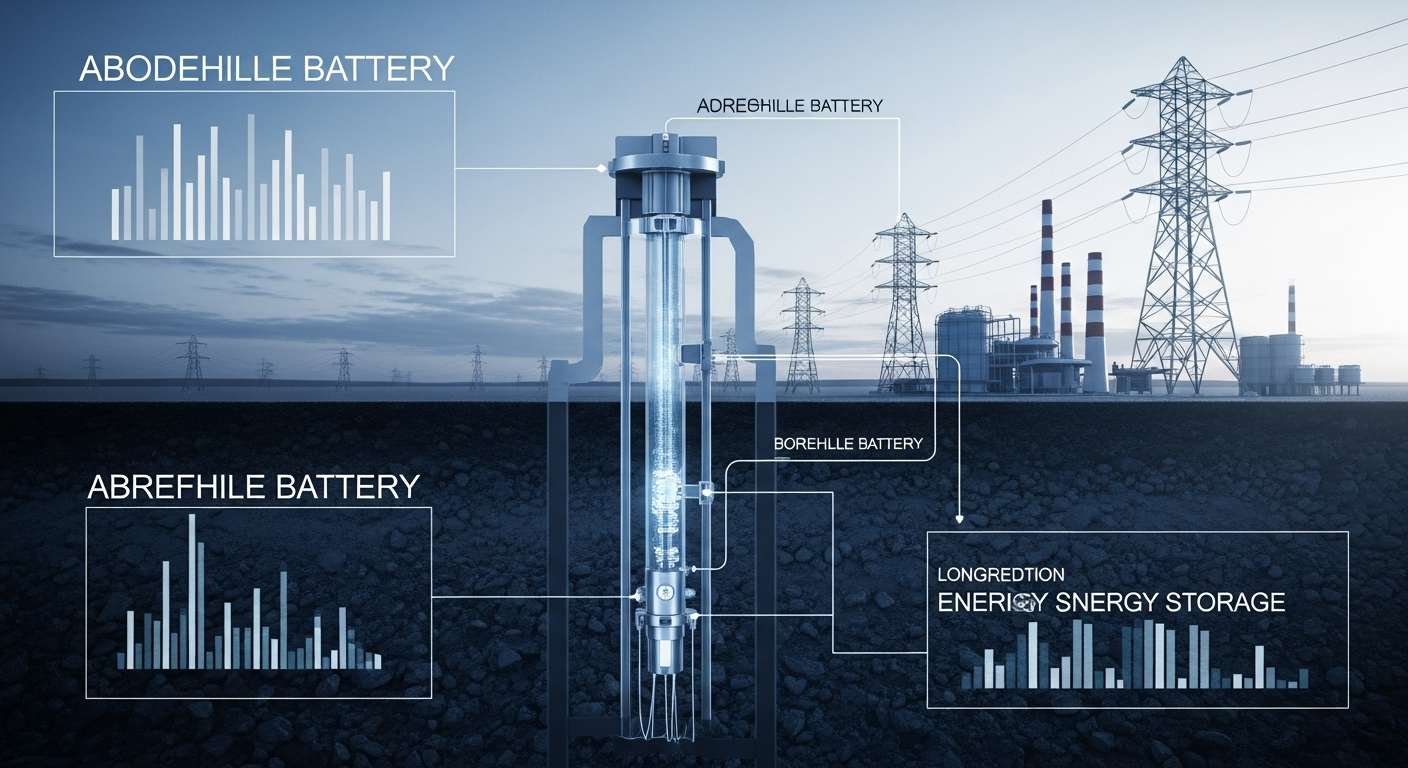
To address the critical vulnerability of PSPS events, the enterprise sector is looking beyond traditional lithium-ion batteries toward innovative Long-Duration Energy Storage (LDES) solutions. One of the most promising developments in 2026 is the “Borehole Battery” platform pioneered by companies like Geo2Watts. This technology proposes converting California’s 50,000 abandoned and idle oil and gas wells into dispatchable, long-duration energy storage systems. By leveraging existing subterranean infrastructure already connected to the electrical grid, these systems could provide the massive, sustained backup power required by AI data centers during multi-day wildfire shutoffs, transforming environmental liabilities into vital clean-energy assets.
Market Impact & Deployment: The Economics of Resilience
The financial implications of this infrastructure clash are profound. The Total Cost of Ownership (TCO) for deploying and maintaining enterprise IT in California is skyrocketing. The state offers unmatched technological talent and demand, but it is paired with unmatched physical constraints.
The cost of grid-hardening is becoming a major point of political and regulatory friction. While utilities argue that AI-driven monitoring and infrastructure upgrades will save money in the long term by preventing catastrophic fires (and the resulting multi-billion-dollar liability lawsuits), state regulators are hesitant. The CPUC has pushed back on proposals like PG&E’s $45 million AI system, citing concerns over utility rates that have already risen significantly faster than inflation. Regulators are reluctant to green-light massive capital expenditures for software and hardware when the financial burden falls squarely on the shoulders of residential and commercial ratepayers.
This regulatory friction, combined with the physical threat of fires and power shutoffs, is forcing a strategic reevaluation among hyperscalers. While California remains the spiritual home of the tech industry, the sheer difficulty of securing reliable, uninterrupted, and clean power is driving workloads across state lines. We are witnessing a surge in data center construction in neighboring Nevada, which is creating its own set of geopolitical grid issues. In a controversial move this year, NV Energy announced plans to cut off electricity to 49,000 California customers in the Lake Tahoe region, prioritizing the power demands of new Nevada-based data centers over out-of-state residential needs. This cross-border power struggle is a stark indicator of how the AI compute boom is cannibalizing regional energy resources.
The Consumer Translation: The Human Cost of the Compute Boom
For the everyday consumer, the abstraction of “the cloud” and “generative AI” is rapidly colliding with harsh physical realities. The technology that powers seamless ChatGPT queries and autonomous driving models is directly tied to the smoke choking the skies over Simi Valley and the rolling blackouts threatening the Central Valley.
The 17,000 residents forced to flee the Sandy Fire are not just victims of climate change; they are living on the front lines of an infrastructure crisis where the grid that powers their homes is a potential ignition source. As utilities pour billions into burying power lines, deploying LiDAR sensors, and building AI command centers, those costs are passed directly to the consumer. Californians are effectively subsidizing the grid resilience required to support the tech industry’s massive compute expansion, resulting in some of the highest electricity rates in the nation.
Furthermore, the diversion of critical resources—such as water for data center cooling in agricultural hubs, or electricity being routed to hyperscale facilities instead of residential neighborhoods—highlights a growing socioeconomic divide. The digital economy is thriving, but the physical environment required to sustain it is buckling, leaving the public to navigate the fallout of a fire season that now begins in May and seemingly never ends.
TechNode HQ Verdict: Pros, Cons & Usability
- Pro (Engineering): The integration of cWGAN predictive models and autonomous AI grid agents represents a monumental leap in infrastructure management, transitioning utilities from reactive maintenance to real-time, predictive resilience.
- Pro (Consumer): Advanced AI fire detection systems and smart-grid shutoffs will ultimately reduce the frequency of catastrophic, utility-sparked mega-fires, saving lives and property in high-risk zones.
- Con: The massive power and water requirements of AI data centers are actively exacerbating the very climate and grid instability issues that the tech industry is trying to solve, creating an unsustainable feedback loop.
- Con: Regulatory bottlenecks and the sheer cost of deploying Long-Duration Energy Storage (like Borehole Batteries) mean that true grid resilience is still years away, leaving current infrastructure highly vulnerable.
Enterprise Usability: For CTOs and enterprise architects, deploying mission-critical infrastructure in California today requires a mandatory, aggressive pivot toward hybrid-cloud architectures and geographic redundancy. Relying solely on the California grid is a critical single point of failure. Enterprises must factor in the cost of on-site microgrids, LDES solutions, and the inevitable delays of interconnection queues when calculating TCO for new AI workloads.
Everyday Usability: For the public, the reality of the 2026 fire season dictates a defensive posture. Consumers must prepare for increased utility costs and the persistent threat of PSPS events. Investing in residential solar and battery backup systems is no longer a luxury for early adopters, but a necessary utility for surviving the modern California summer.
Sources & Citations:
Original Claim via: wired
Official Handle: @wired
Topics Explored: Cloud Infrastructure, Grid Resilience, Predictive AI, Climate Tech, Data Centers