
The Architectural Shift: How Vishing Dismantles the Modern Enterprise Perimeter
The era of the brute-force firewall breach is rapidly closing. In its place, a far more insidious and psychologically complex threat vector has taken the throne: the human element. The recent confirmation by real estate behemoth Cushman & Wakefield (C&W) that it suffered a severe data breach via vishing (voice phishing) is a chilling testament to the fragility of modern Identity and Access Management (IAM) frameworks. When two of the world’s most notorious cybercrime syndicates—ShinyHunters and Qilin—simultaneously lay claim to your corporate infrastructure, it signals a catastrophic failure not just of perimeter defense, but of internal zero-trust architecture.
To understand the architectural shift at play, we must dissect the anatomy of a modern vishing attack. Historically dismissed as low-level prank calls or rudimentary social engineering, vishing has evolved into a highly sophisticated, AI-augmented enterprise threat. Threat actors, often operating under the umbrella of groups like Scattered Spider or acting as Initial Access Brokers (IABs), meticulously map an organization’s internal hierarchy using open-source intelligence (OSINT) and LinkedIn scraping. They do not attack the hardened external servers; they attack the IT helpdesk. By utilizing deepfake voice cloning or high-pressure psychological tactics, these operatives impersonate senior executives or distressed employees locked out of their accounts. The goal is singular: to manipulate a helpdesk technician into resetting a password or bypassing Multi-Factor Authentication (MFA) protocols, such as issuing a temporary bypass code or registering a rogue device to the victim’s Okta or Azure AD profile.
Once inside, the architectural vulnerability of sprawling enterprise environments becomes glaringly apparent. In the case of Cushman & Wakefield, the breach allegedly resulted in the exfiltration of over 500,000 Salesforce records containing highly sensitive Personally Identifiable Information (PII) and corporate data. This points to a critical flaw in how enterprises manage API security and lateral movement. A compromised endpoint or user identity is merely the beachhead. From there, attackers harvest session tokens or OAuth credentials to interface directly with cloud-based CRM platforms. Because these platforms are designed for seamless data flow and high availability, an attacker with legitimate (albeit stolen) credentials can utilize automated scripts to scrape massive databases via legitimate API endpoints before behavioral analytics engines, like Salesforce Shield, can detect the anomaly and sever the connection.
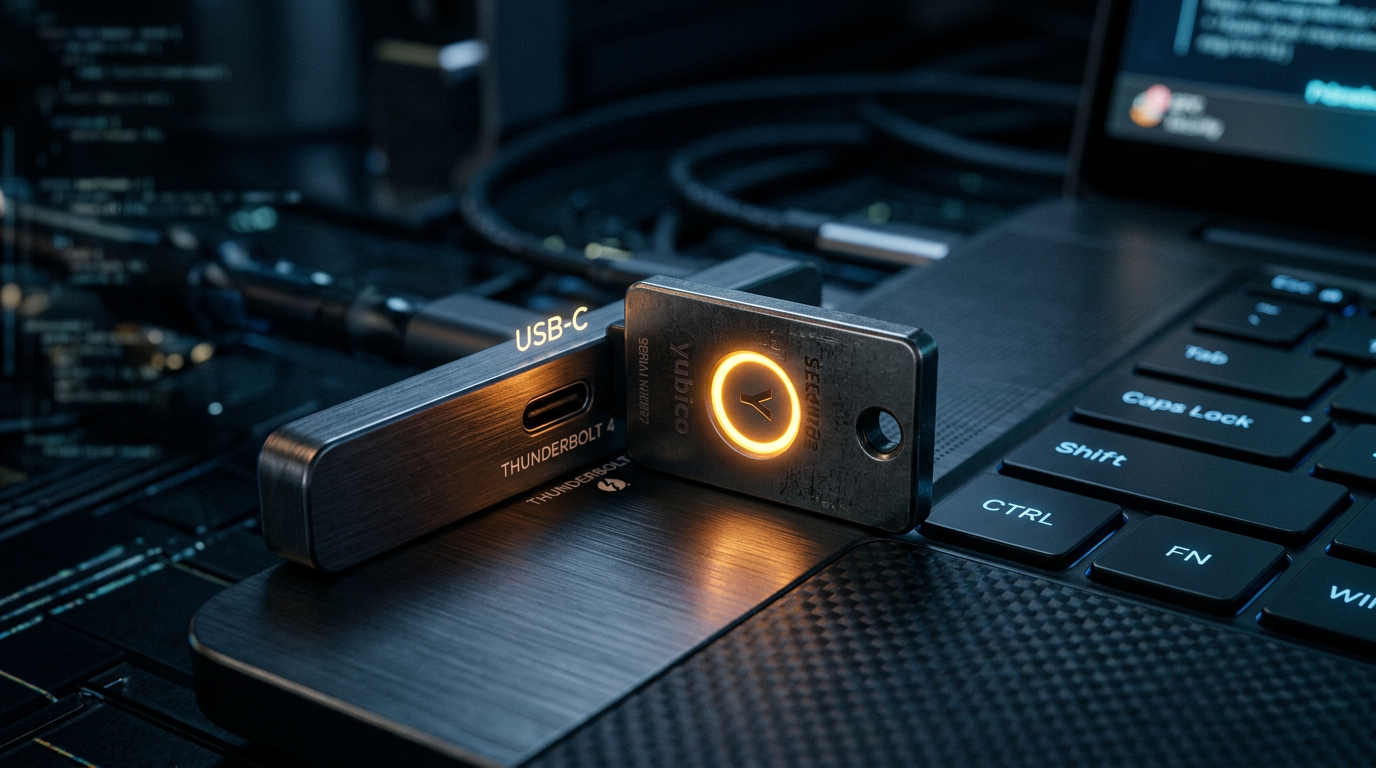
The simultaneous presence of ShinyHunters—a group infamous for its pay-or-leak data extortion model—and Qilin—a prolific Ransomware-as-a-Service (RaaS) operator known for its devastating Rust-based encryption payloads—introduces a fascinating and terrifying dynamic. There is no known alliance between these two factions. The most probable architectural explanation is the involvement of an Initial Access Broker. An IAB likely compromised C&W’s network via the initial vishing vector, established persistent backdoors, and then sold this access on dark web forums to the highest bidders. Alternatively, the sheer noise generated by one group’s lateral movement may have inadvertently masked the intrusion of the other. Regardless of the sequence, the reality is stark: legacy MFA (SMS, push notifications, TOTP apps) is fundamentally broken. Until enterprises mandate phishing-resistant, hardware-backed authentication (such as FIDO2/WebAuthn standard YubiKeys) for all privileged access, the vishing epidemic will continue to bypass billions of dollars in cybersecurity infrastructure.
Enterprise Market Impact & TCO: The Hidden Costs of a Dual-Syndicate Breach

When a global enterprise of Cushman & Wakefield’s stature—managing billions in commercial real estate assets and housing the most sensitive financial data of Fortune 500 clients—suffers a breach of this magnitude, the financial shockwaves extend far beyond the immediate incident response retainer. The Total Cost of Ownership (TCO) for enterprise security is about to undergo a violent recalibration. Corporate PR statements often attempt to anesthetize the market with phrases like “limited scope” and “systems continue to run normally.” However, as any Senior Enterprise Infrastructure Analyst knows, operational uptime is irrelevant when the payload is data exfiltration rather than system encryption.
Let us break down the true enterprise market impact and the cascading costs associated with a breach involving 500,000 highly sensitive CRM records. First, there is the immediate capital hemorrhage of the incident response (IR). Engaging Tier-1 forensic firms (such as Mandiant or CrowdStrike) to conduct a sweeping environment-wide audit, negotiate with threat actors, and perform root-cause analysis easily commands retainers in the high six to seven figures. But this is merely the tip of the iceberg. The regulatory and legal ramifications are where the true financial devastation lies. Real estate transactions involve a toxic cocktail of PII: Social Security Numbers, corporate tax IDs, bank routing information, and passport copies. Under frameworks like the GDPR, CCPA, and various state-level data protection laws, the fines for failing to secure this data can be astronomical. Furthermore, the cost of providing multi-year credit monitoring and identity theft protection for half a million high-net-worth individuals and corporate entities will cost millions in direct operational expenditure.
Then comes the cyber insurance market reaction. The cyber insurance industry has been bleeding capital due to the proliferation of ransomware and data extortion. An incident involving two distinct threat actors exploiting a single vishing vulnerability will trigger aggressive audits from underwriters. Enterprises can expect their premiums to skyrocket, with insurers demanding proof of implementation of Zero Trust Network Access (ZTNA) and phishing-resistant MFA before renewing policies. The TCO of maintaining a legacy security posture is now vastly exceeding the cost of modernizing the stack.
To prevent a recurrence, an enterprise must overhaul its entire IAM and CRM security architecture. The TCO of this modernization is substantial but necessary. Deploying hardware security keys across a global workforce of tens of thousands of employees requires significant capital investment, logistical planning, and helpdesk retraining. Furthermore, securing a massive Salesforce deployment requires investing in premium add-ons like Salesforce Shield for platform encryption, event monitoring, and field audit trails. It requires implementing strict Data Loss Prevention (DLP) policies that throttle API export limits and trigger immediate account lockouts upon detecting anomalous bulk downloads. The Cushman & Wakefield incident serves as a brutal financial case study: the cost of proactive, hardware-based Zero Trust architecture is a fraction of the cost of a dual-syndicate data hemorrhage.
The Consumer Reality: What This Means for You
While the enterprise sector calculates the financial damage in terms of stock dips, regulatory fines, and infrastructure overhauls, the true victims of the Cushman & Wakefield breach are the consumers and corporate clients whose data now resides on the dark web. It is easy to view a corporate data breach as an abstract technical failure, but the downstream reality for the individual is deeply personal and financially perilous. When ShinyHunters claims to have stolen 500,000 Salesforce records, they are not just stealing rows in a database; they are stealing the digital blueprints of people’s financial lives.
The real estate industry is uniquely vulnerable because of the sheer volume and sensitivity of the data required to execute a transaction. Whether you are a corporate entity leasing a skyscraper or an individual purchasing a luxury condominium, the documentation required is exhaustive. You are handing over tax returns, bank statements, employment verification, Social Security Numbers, and government-issued identification. When this data is exfiltrated, it is rapidly parsed, categorized, and monetized by cybercriminal syndicates. It is sold in bulk to identity thieves who specialize in synthetic identity fraud—stitching together real and fake information to open fraudulent lines of credit, secure loans, or file false tax returns.
Perhaps the most immediate and terrifying threat to the consumer resulting from a real estate data breach is the escalation of Business Email Compromise (BEC) and wire fraud. Armed with the intimate details of a pending real estate transaction—including the names of the brokers, the closing dates, and the financial institutions involved—attackers can craft highly targeted, impeccably timed phishing emails. A homebuyer might receive an email that looks exactly like it came from their Cushman & Wakefield broker or affiliated title company, instructing them to wire their closing funds to a “newly updated” escrow account. Because the attackers have the internal CRM data, the email contains specific, accurate details that bypass the victim’s natural skepticism. Once the funds are wired to the fraudulent account, they are immediately dispersed through cryptocurrency mixers, making recovery nearly impossible.
For the everyday consumer, this breach is a stark reminder that you cannot rely on corporate giants to protect your digital identity, regardless of their market capitalization. The assurances that “systems are running normally” offer zero protection against the weaponization of your stolen data. Consumers must adopt a defensive posture: freezing credit reports across all major bureaus, utilizing robust password managers, enabling hardware-based MFA on all personal financial accounts, and treating any email requesting the transfer of funds—no matter how legitimate it appears—with extreme suspicion, verifying the request via a trusted, offline phone call.
The Industry Ripple Effect: Forcing a Paradigm Shift
The shockwaves of the Cushman & Wakefield breach will reverberate far beyond the commercial real estate sector. This incident is a glaring indicator of a broader, systemic vulnerability within the global supply chain, specifically concerning cloud-based CRM giants like Salesforce. ShinyHunters has been on an absolute tear, recently claiming a massive supply chain attack that allegedly breached Salesforce customers via the CRM giant itself, affecting over 100 high-profile brands including ADT, Carnival Cruise Line, and Rockstar Games. While Cushman & Wakefield attributed their specific breach to vishing, the intersection of ShinyHunters, massive Salesforce data dumps, and high-profile targets suggests that threat actors have developed highly optimized playbooks for exploiting enterprise CRM environments once initial access is achieved.
This forces a massive paradigm shift for competitors in the real estate space, such as CBRE and JLL, as well as any Fortune 500 company relying on centralized cloud databases. The traditional model of trusting the internal network is dead. The industry must now operate under the assumption of continuous compromise. If an attacker can bypass the perimeter via a simple phone call to the helpdesk, the internal architecture must be hostile to lateral movement. This means implementing micro-segmentation, where access to specific databases requires continuous, context-aware authentication. It means moving away from static API keys to dynamic, short-lived access tokens. It means that downloading 500,000 records should be technically impossible for any single user account, regardless of their privilege level, without triggering a multi-party authorization protocol.
Furthermore, the presence of Qilin—a group known for its aggressive double-extortion tactics—highlights the evolving maturity of the cybercrime ecosystem. The Ransomware-as-a-Service (RaaS) model has democratized devastating cyberattacks. Affiliates can purchase access from Initial Access Brokers, rent the encryption payload from Qilin, and utilize ShinyHunters’ infrastructure for data hosting and extortion. This decentralized, franchise-like approach to cybercrime means that enterprises are no longer fighting isolated hackers; they are fighting highly organized, well-funded, and specialized corporate syndicates. The industry ripple effect is clear: cybersecurity is no longer an IT problem; it is a core business survivability metric. Boards of Directors will now be forced to hold C-suite executives personally accountable for failing to implement phishing-resistant architectures, and the era of relying on cyber insurance as a primary mitigation strategy is officially over.
TechNode HQ Verdict: Pros, Cons & Usability of the Required Defensive Architecture
- Pro (Engineering): Implementing FIDO2/WebAuthn hardware security keys (like YubiKeys) mathematically eliminates the threat of vishing and Adversary-in-the-Middle (AiTM) attacks, as the authentication protocol requires physical presence and cryptographically binds the login session to the legitimate domain.
- Pro (Consumer): Enterprises that adopt strict API rate-limiting and continuous, context-aware behavioral analytics within their CRM environments drastically reduce the blast radius of a compromised account, directly protecting consumer PII from bulk exfiltration.
- Con: The Total Cost of Ownership (TCO) and logistical friction of deploying hardware keys across a global, remote workforce is immense, requiring significant capital expenditure, helpdesk retraining, and complex lifecycle management for lost or broken keys.
- Con: Legacy applications and older on-premises infrastructure often lack native support for modern Zero Trust Network Access (ZTNA) and FIDO2 protocols, creating dangerous security gaps and requiring costly middleware or complete application refactoring to secure.
Enterprise Usability: For the modern CTO, the deployment of phishing-resistant MFA is no longer optional; it is a critical survival mandate. Enterprises must immediately audit their helpdesk verification protocols, strip SMS and push-notification MFA from all privileged accounts, and enforce hardware-backed authentication. Furthermore, CRM environments like Salesforce must be locked down with strict Data Loss Prevention (DLP) rules, anomaly detection, and multi-party authorization for bulk data exports.
Everyday Usability: The public cannot buy enterprise-grade infrastructure, but they must adopt an enterprise mindset regarding their personal data. Consumers should immediately freeze their credit files, transition their personal email and financial accounts to hardware security keys, and operate under the assumption that their PII is already compromised. Extreme vigilance regarding wire transfers and targeted phishing is now a mandatory life skill.
Sources & Citations:
Original Technical Breakdown via: go
Official Handle: @go
Topics Explored: Vishing, Ransomware, Identity Access Management, Data Breach, Cybersecurity