The Architectural Shift: When the Cloud Hits the Ground
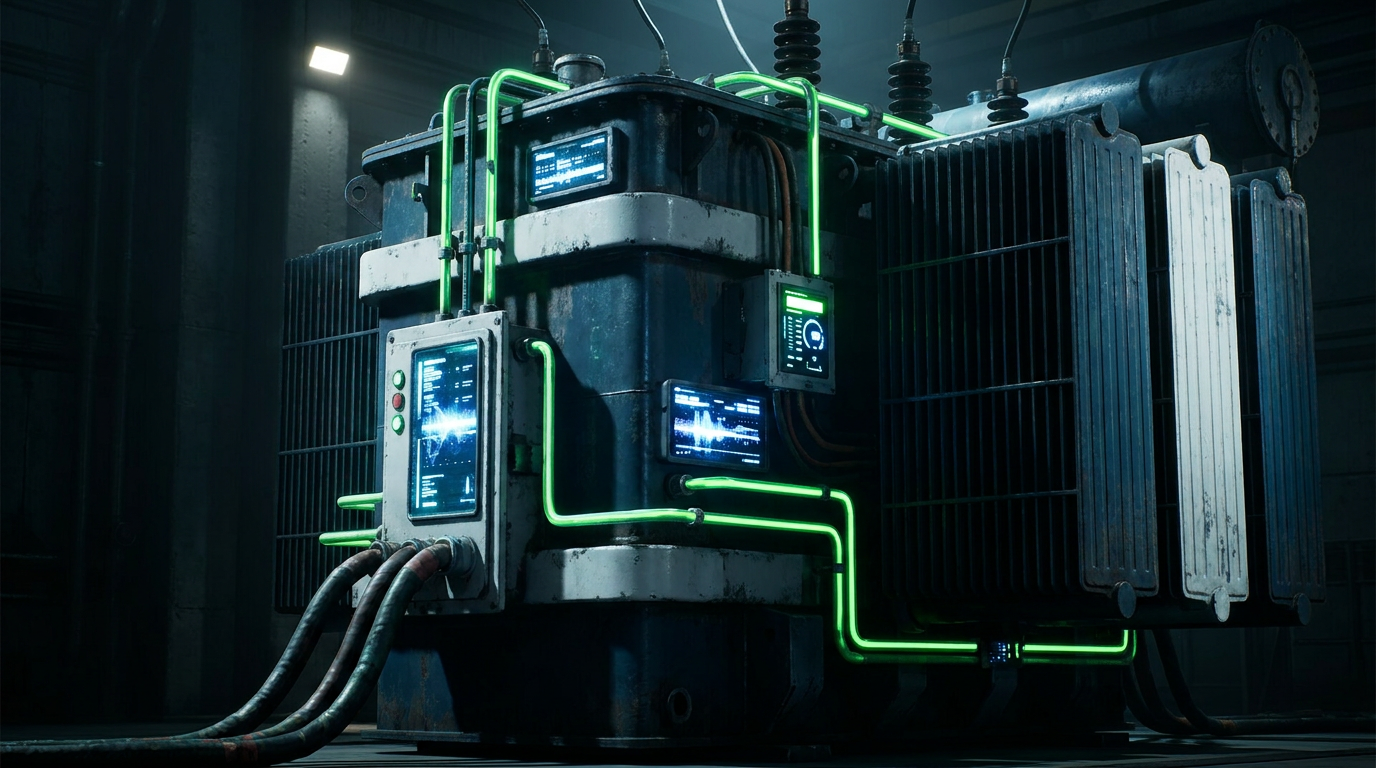
For the better part of two decades, the enterprise technology sector has operated under a comforting, albeit physically detached, illusion: the “cloud” is an infinite, ethereal resource. You provision a virtual machine, you spin up a container, you allocate storage, and the underlying physical mechanics are abstracted away into a dashboard. But the generative artificial intelligence boom has violently shattered this abstraction. The cloud is not in the sky; it is anchored to the ground, and it is incredibly, unsustainably hungry for electricity. The situation currently unfolding in Lake Tahoe—where 49,000 residents are facing a hard May 2027 deadline to find a new energy supplier because the local grid is being devoured by data centers—is not an anomaly. It is the canary in the coal mine for global enterprise infrastructure.
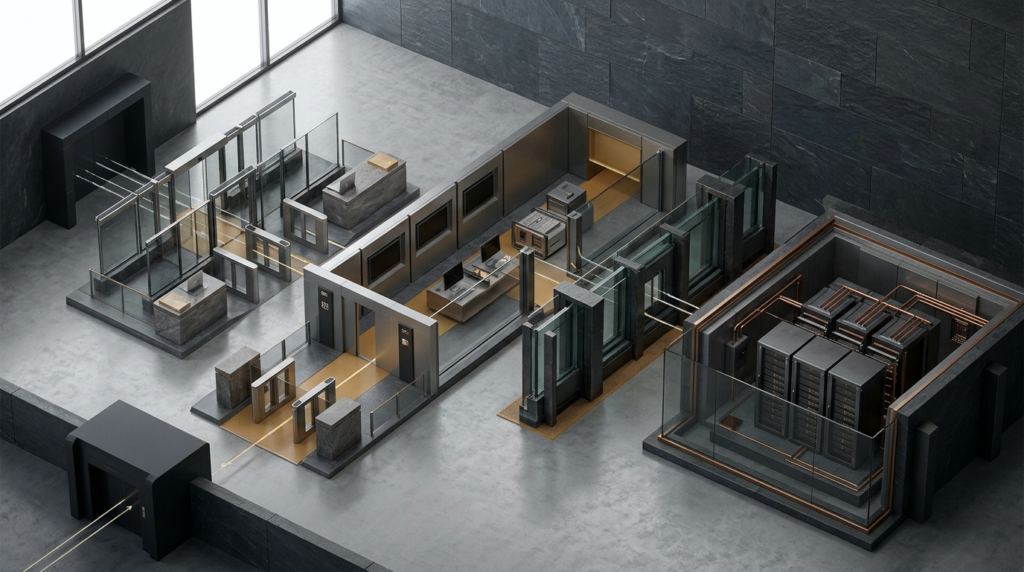
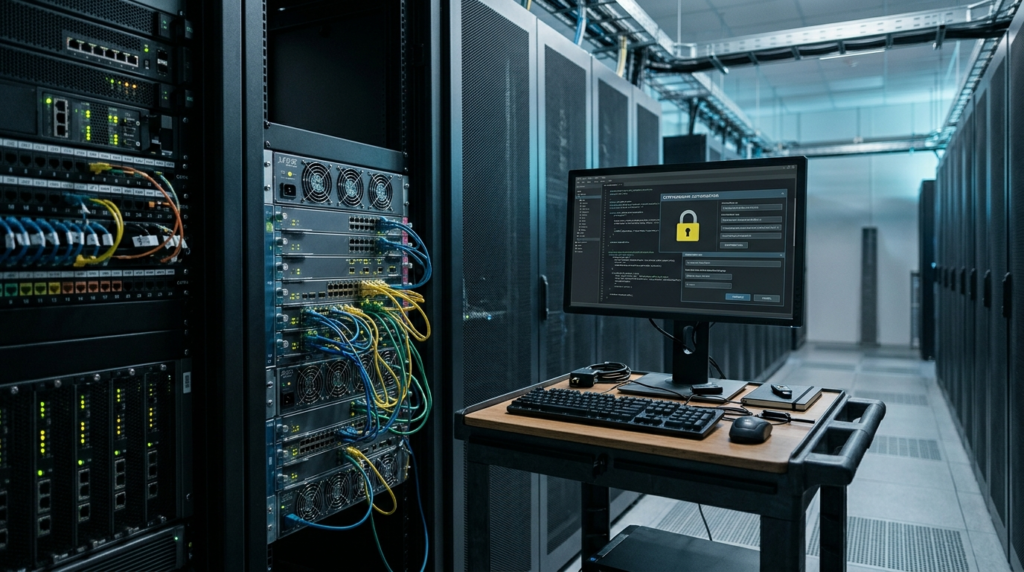
To understand the sheer scale of this architectural shift, we must examine the underlying engineering and grid topology. Historically, a standard enterprise data center rack consumed between 10 to 15 kilowatts (kW) of power. This was manageable within the legacy frameworks of regional utility providers. However, the transition to AI-centric workloads, driven by dense clusters of GPUs like Nvidia’s H100 and the incoming Blackwell B200 architectures, has fundamentally rewritten the thermal and electrical physics of the data center. Modern AI racks routinely demand 40 kW to 100 kW per rack, with some liquid-cooled supercomputing clusters pushing well beyond that. This is not a gradual increase; it is a step-function explosion in power density.
In northern Nevada, the epicenter of this specific crisis, utility provider NV Energy is staring down the barrel of a projected 5,900 megawatts (5.9 gigawatts) of new demand by 2033, driven by just a dozen hyperscale data center projects. To put 5.9 gigawatts into perspective, it is roughly equivalent to the total power output of five to six average-sized nuclear reactors. It is enough electricity to power millions of homes. The legacy electrical grid, built on alternating current (AC) transmission lines designed for predictable, distributed residential and commercial loads, was never engineered to support localized, hyper-dense points of consumption that operate at near 100% utilization 24/7.
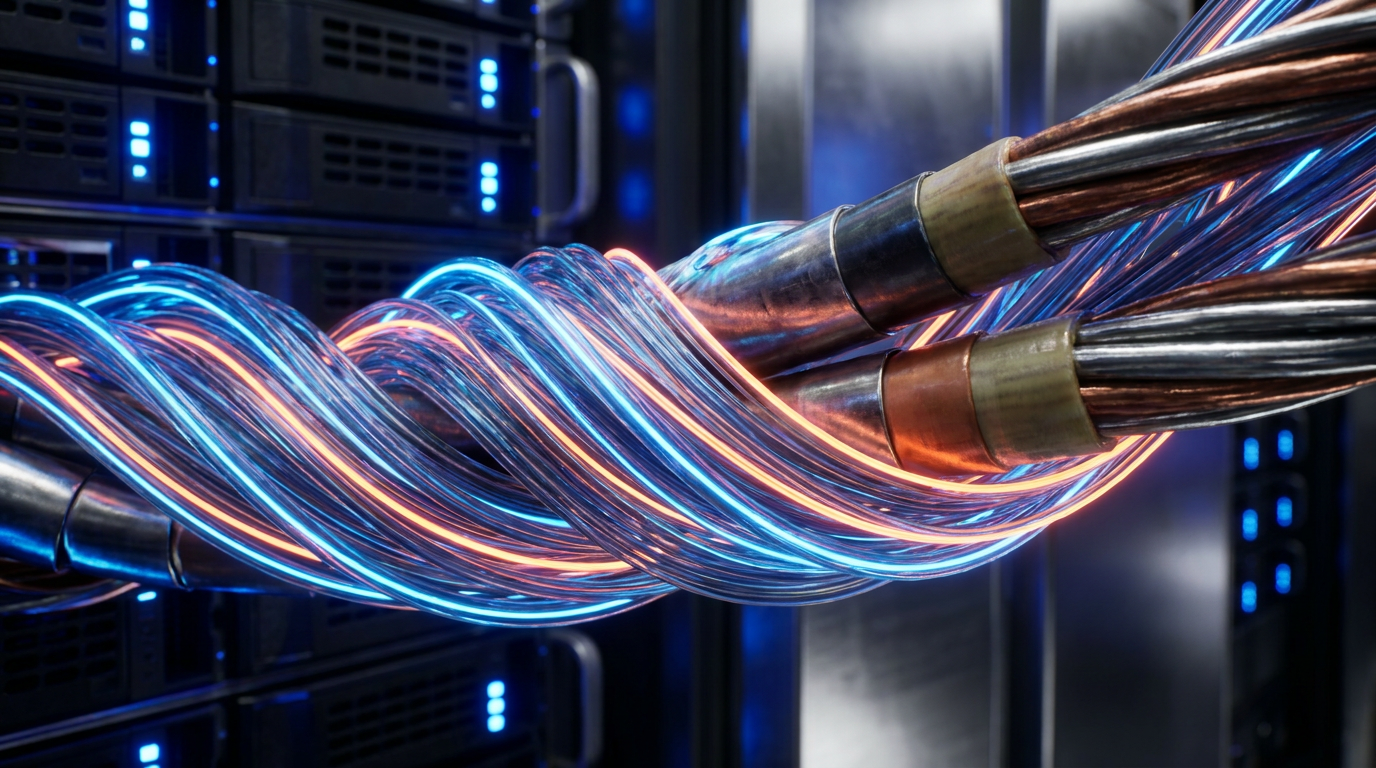
This architectural bottleneck is forcing massive infrastructure overhauls. NV Energy is currently constructing the Greenlink West project, a staggering $4.2 billion transmission line designed to unlock new energy corridors and pool resources across the state. Scheduled to be operational by May 2027—the exact deadline given to Lake Tahoe’s Liberty Utilities to get off the NV Energy teat—this project highlights the extreme capital expenditure required just to move electrons from generation sites to data center substations. The physics of high-voltage transmission dictate that moving power across vast distances incurs line losses and requires massive step-up and step-down transformer infrastructure. As AI models grow exponentially in parameter size, the physical infrastructure required to train them is forcing a total re-architecture of the American power grid, shifting priority from distributed public utility to concentrated hyperscale consumption.
Enterprise Market Impact & TCO: The New Economics of Compute
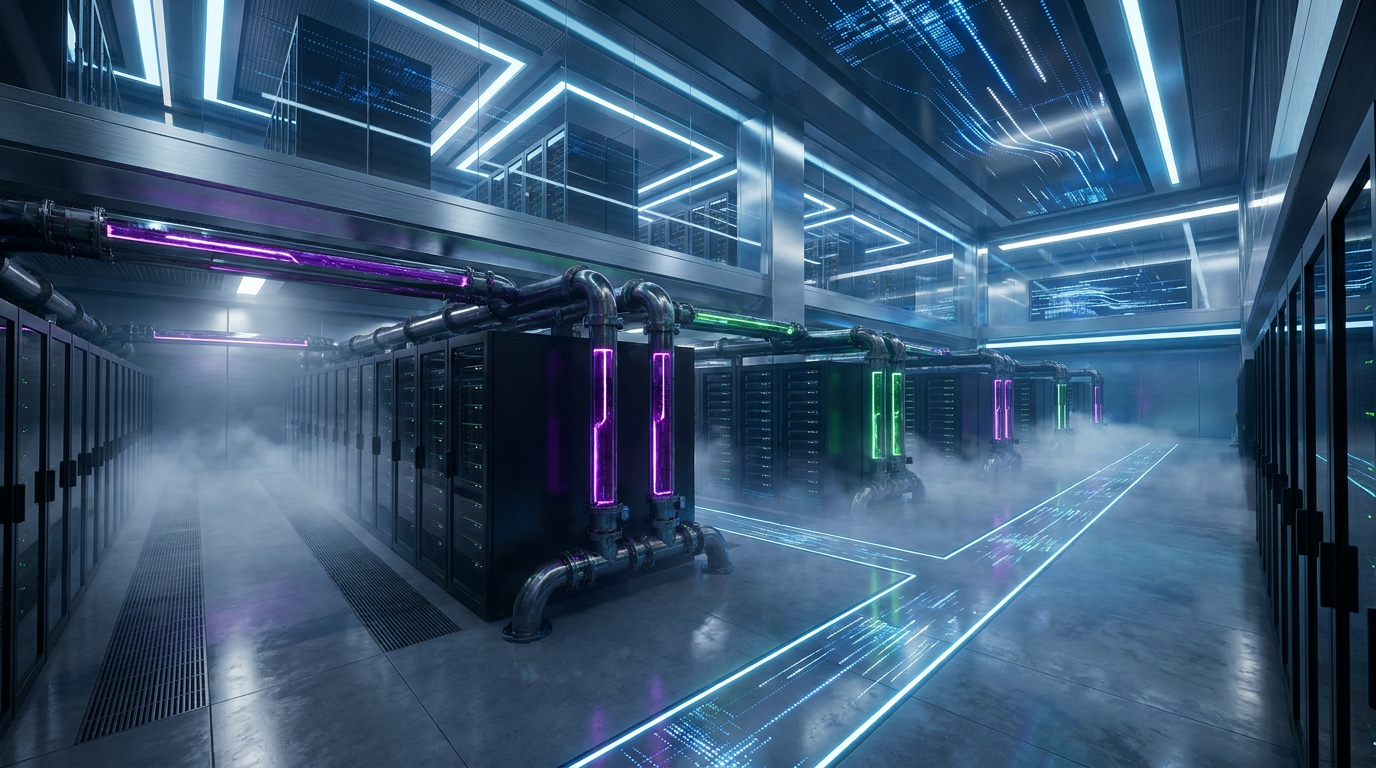
For Chief Technology Officers, Chief Information Officers, and enterprise IT architects, the Lake Tahoe energy crisis signals a fundamental shift in how Total Cost of Ownership (TCO) must be calculated. Silicon is no longer the primary bottleneck in the AI arms race; power is. You can have all the capital in the world to purchase tens of thousands of GPUs, but if you do not have the megawatt capacity and the cooling infrastructure to turn them on, you possess nothing more than incredibly expensive, stranded silicon.
This reality is aggressively reshaping the enterprise market and the strategies of hyperscalers (AWS, Google Cloud, Microsoft Azure). Power Purchase Agreements (PPAs) have become the most critical contracts in the tech industry. We are witnessing tech giants effectively transform into energy companies to secure their supply chains. Amazon’s recent agreement to support NV Energy’s deployment of 700 MW of “low-carbon energy” for its Reno data center operations is a prime example. Crucially, this deal includes 100 MW of geothermal energy. Why geothermal? Because the enterprise AI workload cannot rely on the intermittency of solar or wind power. Training a trillion-parameter Large Language Model (LLM) requires months of uninterrupted, continuous compute. A drop in power, or a reliance on battery storage that cannot sustain multi-day baseloads, can corrupt training runs and cost millions of dollars in lost compute time. Geothermal provides the holy grail for hyperscalers: 24/7, consistent, renewable baseload power.
The TCO equation for enterprise AI deployments must now heavily weight “time-to-power.” The cost of building a data center is skyrocketing, not just because of the specialized liquid cooling loops and reinforced flooring required for dense AI racks, but because securing grid interconnection agreements can now take anywhere from three to seven years in major hubs like Northern Virginia or Silicon Valley. When NV Energy cuts off a utility like Liberty to prioritize its own grid stability and lucrative hyperscale contracts, it is a stark demonstration of market forces at play. Hyperscalers can guarantee massive, long-term, predictable revenue streams for utility companies. A fragmented residential grid with 49,000 ratepayers, governed by strict state utility commissions that cap rate hikes, simply cannot compete with the checkbook of a trillion-dollar tech conglomerate.
Furthermore, this dynamic introduces severe risks for enterprise IT budgets. As power becomes scarce, the cost per kilowatt-hour (kWh) in data center leases (colocation) is surging. Enterprises looking to deploy their own private AI infrastructure are finding that colocation providers are either out of capacity or are demanding massive premiums and long-term commitments for high-density footprints. The trickle-down effect is that the cost of AI compute will remain artificially high, not because of a lack of microchips, but because of a lack of transformers, transmission lines, and raw electrical generation. The enterprise that controls its power destiny controls its AI destiny.
The Consumer Reality: What This Means for You
While enterprise architects debate PUE (Power Usage Effectiveness) and liquid cooling, the consumer reality of the AI boom is becoming deeply visceral and highly disruptive. The situation in Lake Tahoe is a microcosm of a much larger, brewing socio-economic conflict. 49,000 residents—people who live, work, and rely on basic utilities to survive the harsh Sierra Nevada winters—are being treated as collateral damage in the race to build better chatbots and generative video models.
Liberty Utilities, the local provider for the California side of Lake Tahoe, has relied on NV Energy for 75 percent of its power. The regulatory environment here is a tangled, bureaucratic nightmare. The residents pay rates approved by the California Public Utilities Commission (CPUC), but the physical grid they rely on sits under NV Energy’s authority in Nevada. When NV Energy decided to terminate the supply agreement by May 2027, it exposed a terrifying vulnerability in how public utilities are managed. NV Energy claims this is part of a “long-term transition” dating back to a 2009 asset sale, pushing back on the narrative that AI is the sole culprit. But the timing is impossible to ignore. Faced with 5,900 MW of incoming data center demand, NV Energy is shedding its least profitable, most complex liabilities—namely, out-of-state residential communities.
For the everyday consumer, this translates to two immediate threats: energy insecurity and skyrocketing utility bills. As tech giants consume vast amounts of local power, the remaining supply dwindles, increasing the risk of rolling blackouts during peak usage times (such as extreme heat waves or winter storms). Furthermore, to accommodate the massive infrastructure upgrades required by data centers—like the $4.2 billion Greenlink West line—utility companies often pass the costs down to the ratepayers. The average citizen ends up subsidizing the electrical grid expansions required to make tech companies richer.
It is no surprise that public sentiment is turning aggressively against the tech industry. A March 2026 Gallup poll revealed that 7 in 10 Americans oppose AI data centers in their communities. This is no longer a fringe NIMBY (Not In My Back Yard) issue; it is a mainstream, bipartisan movement. The public is beginning to realize that the “cloud” is a heavy, loud, water-consuming, power-hungry industrial facility that provides very few local jobs once construction is complete, yet places immense strain on local resources. The ethical dilemma is stark: should a community risk its ability to heat homes and power hospitals so that a tech company can shave milliseconds off an algorithmic trading model or generate synthetic images? As the May 2027 deadline looms for Lake Tahoe, the residents are left scrambling, proving that in the modern digital economy, physical infrastructure is the ultimate leverage.
The Industry Ripple Effect: Desperation and Innovation
The eviction of Lake Tahoe residents from their power supply is sending shockwaves through the global data center industry, forcing competitors, hyperscalers, and startups to radically rethink their deployment strategies. We are already seeing the ripple effects in the form of widespread regulatory pushback. Nearly half of all new data center projects globally are facing severe delays or outright moratoriums. Regions that were once the crown jewels of data center real estate—such as Ashburn, Virginia; Dublin, Ireland; and Singapore—have implemented strict caps or pauses on new builds due to grid exhaustion and water scarcity.
This hard physical limit on power availability is forcing the industry into a state of desperate innovation, leading to solutions that range from the brilliant to the absurd. Because traditional grid expansion is too slow (taking up to a decade for new transmission lines to clear environmental and regulatory hurdles), tech companies are looking to bypass the grid entirely. We are witnessing the dawn of “Behind-the-Meter” (BTM) data centers, where hyperscalers co-locate their compute facilities directly at the site of power generation, such as nuclear power plants, entirely circumventing public transmission lines.
The long-term industry consensus is heavily pivoting toward Small Modular Reactors (SMRs). These next-generation, scaled-down nuclear reactors could theoretically be deployed directly on-site at data center campuses, providing hundreds of megawatts of clean, uninterrupted baseload power without relying on the public grid. However, SMR technology is still years away from widespread commercial viability and faces its own steep regulatory uphill battle.
In the interim, the desperation for compute has birthed highly unconventional, almost quixotic proposals. Silicon Valley startups are pitching the idea of distributed “mini data centers” installed in residential homes, essentially paying homeowners to host AI servers that double as space heaters. Other ventures are exploring orbital data centers launched into space to utilize unlimited solar energy and the vacuum of space for cooling, or floating data centers anchored in the middle of the ocean to leverage deep-sea water for thermal management. While these ideas sound like science fiction, they underscore a very real industry panic: the terrestrial power grid is full, and the AI industry must either find new frontiers or face a hard cap on its exponential growth.
TechNode HQ Verdict: Pros, Cons & Usability
- Pro (Engineering): The forced transition away from legacy grids is accelerating massive investments in next-generation, high-density power infrastructure, specifically driving the commercialization of geothermal and Small Modular Reactor (SMR) technologies.
- Pro (Consumer): The heightened public awareness of data center resource consumption is forcing tech companies to invest heavily in local renewable energy projects and community infrastructure to win public approval, potentially greening the grid faster than government mandates.
- Con: The sheer scale of AI power density (up to 100kW+ per rack) is creating a severe “time-to-power” bottleneck, delaying enterprise AI deployments by years due to a lack of available high-voltage transformers and grid interconnection approvals.
- Con: Everyday ratepayers and local communities are being actively displaced or forced to subsidize multi-billion-dollar grid upgrades (like the $4.2B Greenlink West project) that primarily serve the financial interests of hyperscale tech monopolies.
Enterprise Usability: For CTOs and enterprise architects, the era of assuming infinite cloud capacity is over. If you are planning large-scale AI deployments, your primary metric must shift from compute cost to power availability. Enterprises must immediately audit their colocation providers for long-term power purchase agreements (PPAs) and grid stability. Future-proofing requires investing in hybrid-cloud architectures that can dynamically shift workloads to regions with excess power capacity, and exploring liquid-cooled hardware to maximize compute-per-watt in power-constrained footprints.
Everyday Usability: For the general public, the Lake Tahoe crisis is a warning to scrutinize local utility agreements and municipal zoning laws. Consumers should expect increased volatility in utility pricing as grids strain under industrial tech loads. While you cannot “buy” a solution to this macro-infrastructure problem, residents in tech-heavy corridors should actively engage with local Public Utility Commissions (PUCs) to ensure that rate hikes associated with grid expansions are borne by the corporate entities demanding the power, not the residential ratepayers.
Sources & Citations:
Original Technical Breakdown via: arstechnica
Official Handle: @arstechnica
Topics Explored: AI Infrastructure, Power Grid, Data Center TCO, Hyperscalers, Renewable Energy