Key takeaways
- Victrola’s SAP Cloud ERP migration slashed P&L reporting time by 94%, dropping from four hours to 15 minutes.
- The 120-year-old audio brand adopted a strict “Clean Core” greenfield strategy, eliminating a decade of custom code.
- Cleo Integration Cloud (CIC) replaced legacy MSPs, automating complex EDI and API workflows for omnichannel retail.
- Direct-to-consumer shipping times plummeted from three days to under three hours, unlocking Amazon Prime eligibility.
- The transformation positions Victrola to capitalize on the $1.04 billion vinyl record market resurgence.
The Architectural Reality: Embracing the Clean Core
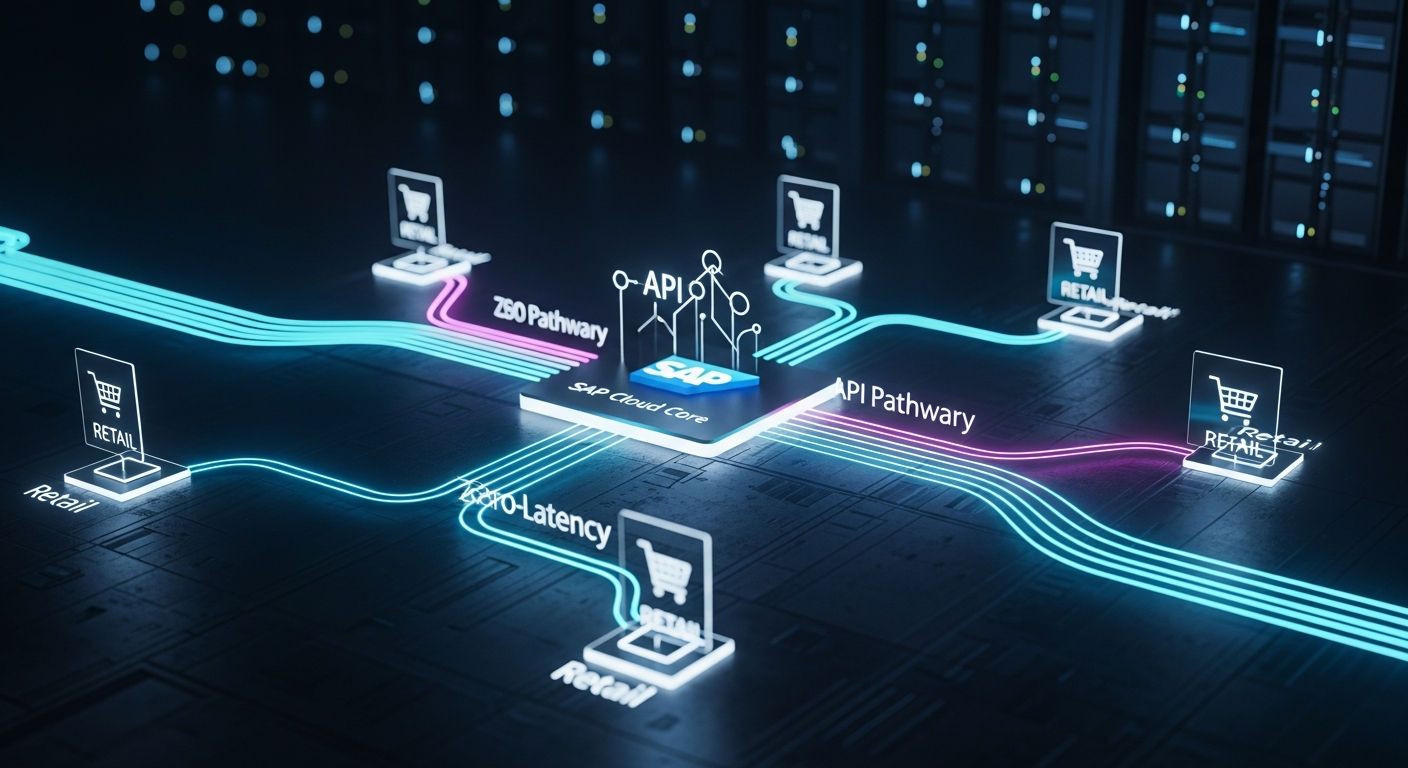
For enterprise IT leaders, executing a flawless SAP Cloud ERP migration is akin to performing open-heart surgery on a marathon runner while they are sprinting. In early 2026, Victrola, the 120-year-old consumer audio brand, successfully completed this exact procedure. Transitioning from a heavily customized, on-premise SAP ERP Central Component (ECC) environment to SAP Cloud ERP Public Edition, the company fundamentally re-engineered its digital foundation. Executed in partnership with Syskoplan Reply over a lean six-to-eight-month timeline, the project stands as a masterclass in modern enterprise architecture.
The technical cornerstone of this transformation was Victrola’s uncompromising commitment to a Clean Core architecture. For over a decade, the company’s legacy SAP ECC system had accumulated a dense layer of custom ABAP code. While stable, this technical debt created severe integration bottlenecks. Rather than attempting a “lift and shift” migration, Victrola opted for a greenfield deployment. Utilizing the SAP Digital Discovery Assessment (DDA), the three-person IT department mapped out-of-the-box best practices, aggressively eliminating legacy customizations through fit-to-standard workshops.
Perhaps the most radical architectural decision was the choice to abandon historical data. To protect the integrity of the new cloud environment, Victrola chose not to migrate historical transaction data into the new system. This zero-technical-debt approach forced a complete reset of organizational data management, ensuring that the new ERP was not burdened by the sins of the past. On the warehouse floor, this clean slate allowed operators to deploy seamless third-party RF solutions and custom Fiori applications, optimizing logistics without wrestling with legacy code.
Market Impact & Deployment: Capitalizing on the $1 Billion Vinyl Boom
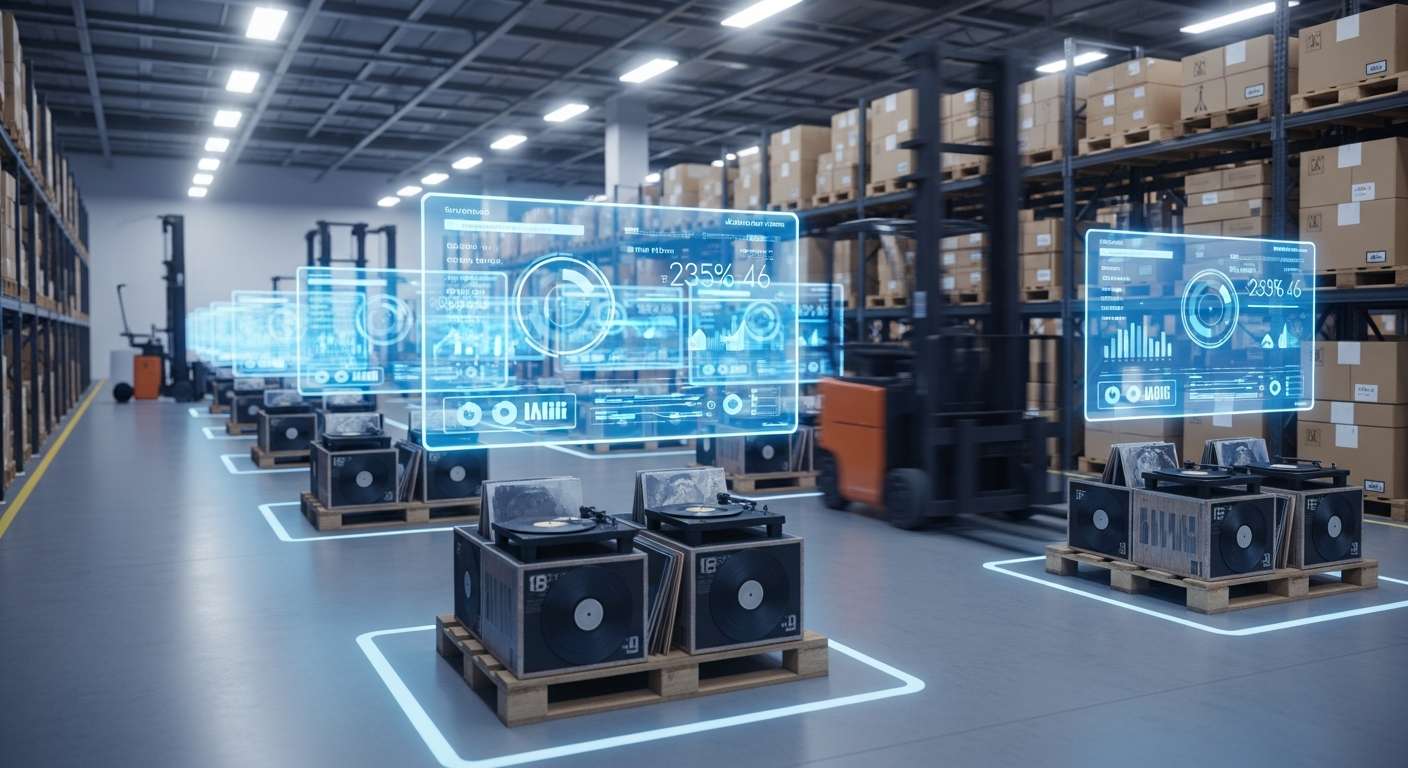
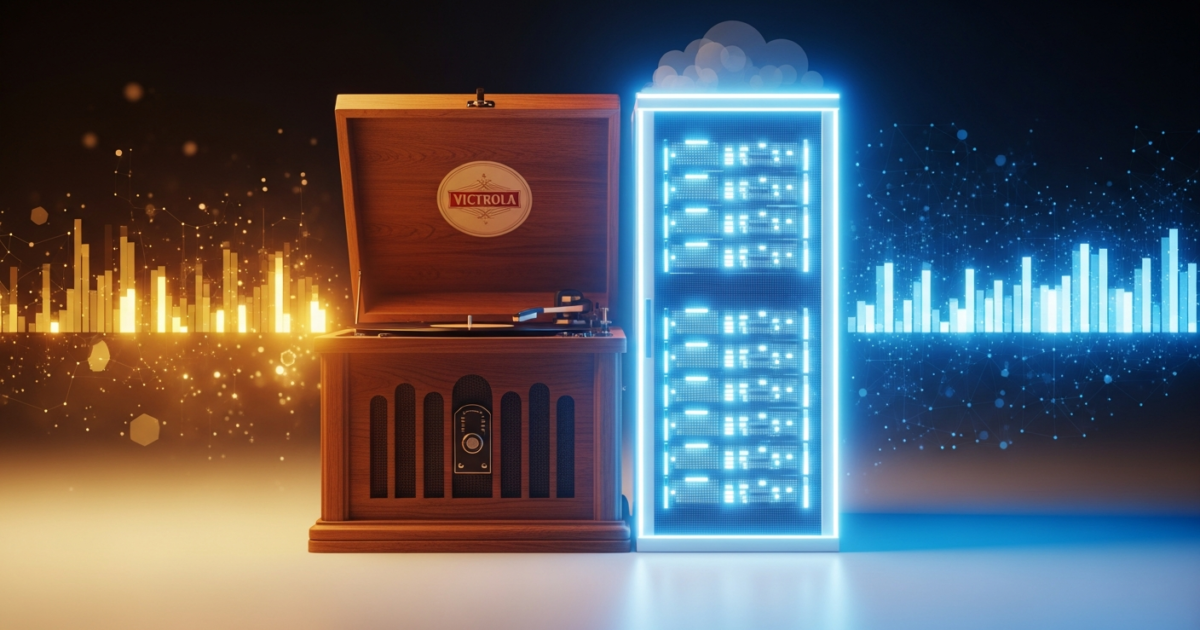
The urgency behind Victrola’s IT overhaul was driven by a massive shift in the consumer audio market. Physical media is experiencing a historic resurgence. According to the Recording Industry Association of America (RIAA), vinyl record sales in the United States reached $1.04 billion in 2025, marking the first time the format crossed the billion-dollar threshold since 1983. With 48.5 million units sold—comfortably outpacing CDs by 19 million units—the demand for premium listening experiences has skyrocketed, largely driven by Gen Z consumers and multi-variant collectible strategies from artists like Taylor Swift.
To capture this explosive growth, Victrola needed an agile, omnichannel supply chain capable of handling massive volume surges. Prior to the migration, the company’s integration framework was a critical liability. Relying on a third-party Managed Service Provider (MSP) for Electronic Data Interchange (EDI), Victrola suffered from thousands of SAP IDoc errors monthly. Approximately 5% of all orders contained data errors requiring manual intervention, threatening strict Service Level Agreements (SLAs) with big-box retailers.
To resolve this, Victrola deployed cloud-native middleware by integrating Cleo Integration Cloud (CIC). This AI-powered supply chain orchestration platform allowed Victrola to bring its EDI and API integrations in-house. By automating the end-to-end Order-to-Cash cycle—including Purchase Orders, Invoices, and complex 856 Advance Ship Notices (ASNs)—Victrola achieved 100% compliance with retail mandates from Amazon, Walmart, Target, and Best Buy. Partner onboarding time, which previously took up to three months, was slashed to under five days.
The Consumer Translation: From Warehouse to Turntable
While the backend mechanics of an ERP migration are highly technical, the downstream effects on the consumer are profound. For the everyday vinyl enthusiast purchasing a Victrola record player, this enterprise IT overhaul translates directly into speed, reliability, and availability.
Before the cloud transition, Victrola’s Direct-to-Consumer (D2C) orders were languishing in fulfillment purgatory, taking up to three days just to ship. This latency effectively locked the brand out of lucrative, high-visibility programs like Amazon Prime eligibility. By unifying their API and EDI workflows through Cleo and SAP Cloud ERP, Victrola reduced D2C shipping times from three days to three hours or less. This exponential increase in fulfillment velocity not only secured Amazon Prime warehouse placement but ensured that holiday shoppers received their hardware without delay.
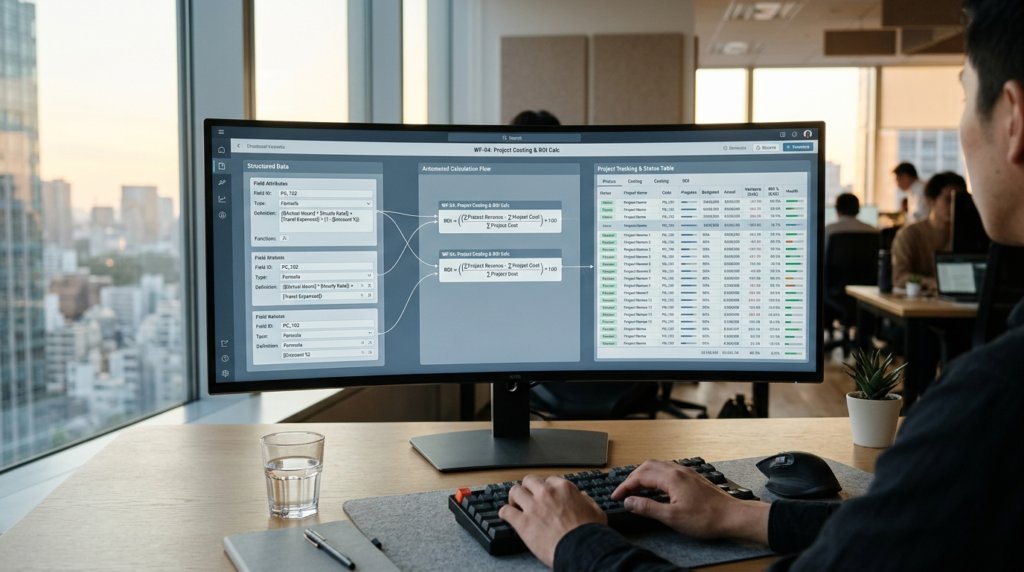
Furthermore, the financial agility gained from the migration allows Victrola to reinvest in product innovation. The re-engineering of data and transactions eliminated over 250 hours of manual finance-related work annually. Profit and loss (P&L) reporting cycles plummeted by 94%, dropping from a sluggish four hours to a mere 15 minutes. With faster financial closes and real-time margin analysis, Victrola’s leadership can now make rapid, data-driven decisions regarding inventory allocation, ensuring that popular turntable models remain in stock during peak demand windows.
TechNode HQ Verdict: Pros, Cons & Usability
- Pro (Engineering): The strict adherence to a greenfield “Clean Core” architecture prevents the accumulation of technical debt, ensuring that future SAP updates and AI integrations can be deployed seamlessly without breaking custom code.
- Pro (Consumer): The integration of Cleo Integration Cloud drastically accelerated fulfillment, reducing D2C shipping times to under three hours and virtually eliminating out-of-stock errors during peak retail seasons.
- Con: The decision to execute a zero historical data migration means that year-over-year trending and historical analytics are no longer natively accessible within the core ERP, requiring reliance on external data warehouses.
- Con: Forcing a fit-to-standard model requires significant organizational change management, as employees must abandon bespoke, decade-old workflows in favor of rigid, out-of-the-box SAP processes.
Enterprise Usability: For CTOs and IT Directors managing legacy on-premise ERPs, Victrola’s deployment is a blueprint for success. By coupling SAP Cloud ERP Public Edition with a robust integration platform like Cleo, enterprises can achieve massive scalability with a minimal IT headcount. The key to replicating this success lies in executive buy-in and a ruthless refusal to port over legacy custom code.
Everyday Usability: For the consumer, this backend transformation is invisible but highly impactful. If you are purchasing a Victrola product today via Amazon, Target, or directly from their site, you are benefiting from an enterprise-grade supply chain that guarantees faster delivery, accurate tracking, and reliable product availability.