
The era of complacency at Microsoft Gaming is officially over. In a sweeping executive overhaul that fundamentally rewires the DNA of the brand, XBOX CEO Asha Sharma has executed her most aggressive strategic maneuver since taking the helm 90 days ago. The recruitment of renowned game industry analyst Matthew Ball as Chief Strategy Officer, alongside the appointment of former Azure executive Scott Van Vliet as Chief Technology Officer, signals a ruthless pivot toward infrastructural dominance and portfolio rationalization.
For an industry still reeling from the February 2026 retirement of Phil Spencer and the subsequent installation of Sharma—a former Microsoft CoreAI and Instacart executive—these new hires provide the first concrete blueprint of the future. The mandate is clear: salvage the bloated 40-studio ecosystem, finalize the architecture for the highly anticipated hybrid console, and rebuild the bridge between hardcore gamers and enterprise-grade cloud compute. This is not merely a reshuffling of the deck chairs; it is a complete teardown and rebuild of the XBOX engine.
The Architectural Reality
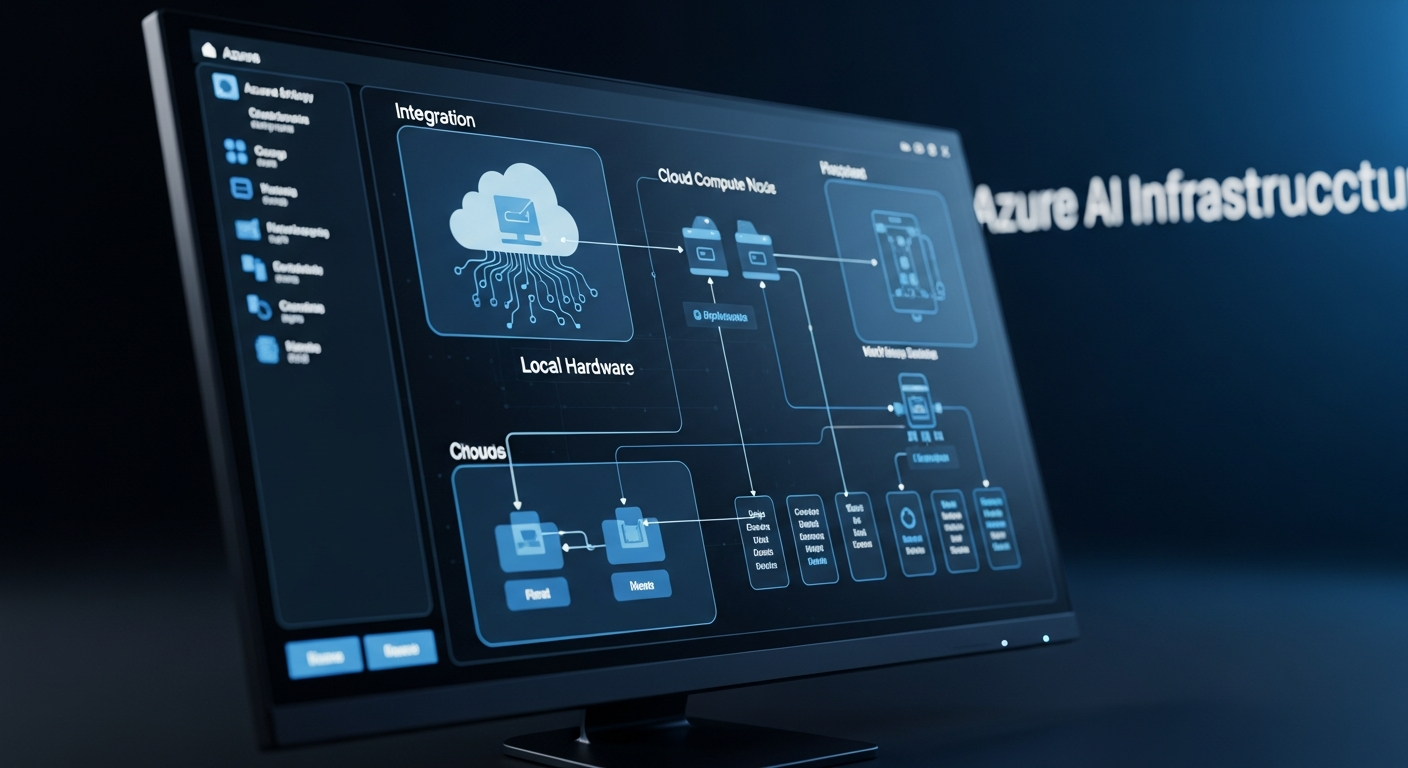
To understand the gravity of Scott Van Vliet’s appointment as Chief Technology Officer, one must look past the consumer-facing marketing and examine the silicon and server racks. Van Vliet is not a traditional hardware engineer; his pedigree is rooted deeply in Azure AI infrastructure and consumer platform scaling via his tenure at Amazon, where he spearheaded development for Fire TV and the Appstore. His arrival at XBOX represents a paradigm shift in how Microsoft views the compute pipeline.
Historically, the console business has been defined by local hardware constraints. However, the ongoing 2026 RAM crisis and the skyrocketing costs of localized silicon have forced a reckoning. Van Vliet’s mandate is to perfect the cloud-to-edge compute handshake. By leveraging Azure’s massive global footprint, XBOX aims to offload heavy, non-latency-sensitive computational tasks—such as procedural generation, complex physics simulations, and background AI pathfinding—directly to the cloud. This allows the local console hardware to dedicate its precious memory and GPU cycles entirely to rendering high-fidelity frames and maintaining ultra-low latency inputs.
Yet, the most fascinating aspect of this executive restructuring is the deliberate separation of powers outlined in Sharma’s internal memo. Despite Van Vliet holding the title of CTO, the Hardware division, the Operating System team, and the team behind Project Helix will not report to him. Instead, they will continue to report directly to CEO Asha Sharma.
From an enterprise architecture standpoint, this structural firewall is brilliant, albeit highly unorthodox. It isolates the CTO from the grueling, day-to-day friction of hardware supply chains and silicon fabrication delays. Van Vliet is freed to focus entirely on the digital nervous system—the backend APIs, the matchmaking algorithms, and the developer toolsets. Meanwhile, Sharma retains absolute control over the physical box and the hypervisor OS.
This division of labor is particularly critical for Project Helix, the confirmed next-generation console designed to natively play both XBOX and PC games. Bridging the closed, highly optimized console ecosystem with the fragmented, open-ended x86 PC architecture requires a masterclass in containerization. The OS must run a lightweight hypervisor capable of dynamically allocating resources depending on whether the user boots a native XBOX binary or a traditional PC executable. Van Vliet’s experience with the Amazon Appstore will be instrumental here, as he will be tasked with unifying the fragmented Microsoft Store and XBOX storefronts into a single, seamless, cross-buy platform that doesn’t buckle under the weight of its own code.
Market Impact & Deployment

While Van Vliet rebuilds the backend, the appointment of Matthew Ball as Chief Strategy Officer addresses the massive, existential business crisis facing Microsoft Gaming. Ball is a highly respected industry analyst, a venture capitalist, and the author of the definitive annual “State of Video Gaming” report. His resume, which includes strategic leadership roles at Amazon Studios, Illumination, Otter Media, and Accenture Strategy, makes him an anomaly in the traditional gaming C-suite. He is not a game developer; he is a master of transmedia economics.
Ball has reportedly been advising Sharma since “day 10” of her tenure, acting as the shadow architect of the recent XBOX renaissance. His official onboarding is a direct response to the staggering Total Cost of Ownership (TCO) Microsoft inherited following the $69 billion acquisition of Activision Blizzard. With nearly 40 distinct studios under its umbrella, XBOX has become a bloated behemoth. Development cycles have stretched to six years, and budgets routinely eclipse the $300 million mark. In a market where traditional software sales have stagnated, this model is mathematically unsustainable.
Ball’s primary objective will be aggressive portfolio rationalization and the expansion of cross-platform ecosystems. Drawing on his experience at Illumination (the animation powerhouse behind the Super Mario Bros. movie) and Amazon Studios, Ball understands that the future of AAA gaming revenue lies in IP ubiquity. A game can no longer just be a game; it must be the anchor for a broader transmedia ecosystem encompassing television, film, merchandising, and mobile spin-offs. Ball will likely audit the entire XBOX portfolio, greenlighting projects that have high transmedia potential while ruthlessly cutting bloated, directionless live-service titles.
Furthermore, the promotion of Chris Schnakenberg to Corporate Vice President of Partnerships and Business Development signals a renewed focus on third-party relations. During the final years of the Spencer era, third-party publishers grew increasingly frustrated with the opaque economics of Game Pass and the lagging sales of the Xbox Series X/S. Schnakenberg, working in tandem with Ball, will be tasked with restructuring licensing agreements to ensure that third-party developers actually see a viable return on investment when bringing their titles to the XBOX ecosystem. As competitors like Sony continue to struggle with their own live-service pivots and escalating development costs, XBOX has a narrow window to position itself as the most developer-friendly platform on the market.
The Consumer Translation
For the everyday gamer, corporate restructuring and enterprise cloud architecture often sound like meaningless corporate jargon. However, the Sharma-Ball-Van Vliet triumvirate is already translating these high-level strategies into tangible, consumer-friendly victories.
Asha Sharma’s first 90 days have been defined by a ruthless, community-first pragmatism that has shocked industry veterans. She immediately killed the confusing, widely mocked “This is an Xbox” marketing campaign, reverting the brand to its hardcore, all-caps “XBOX” roots. More importantly, she scored a massive victory with the core demographic by officially halting the development and integration of Microsoft Copilot on XBOX consoles. In an era where tech giants are blindly forcing generative AI into every conceivable user interface, Sharma recognized that gamers view AI in their dashboard as intrusive bloatware. By scrapping Copilot for consumers, she proved that the new leadership team is actually listening to the community.
This consumer-first philosophy will be the guiding light for Project Helix. Gamers have long dreamed of a unified machine that offers the plug-and-play simplicity of a console with the vast, unrestricted library of a PC. If Van Vliet can successfully architect the backend storefront, and Sharma can deliver the hardware without succumbing to the RAM crisis, Project Helix could render the traditional console war obsolete. Gamers will no longer have to choose between their Steam library and their XBOX ecosystem; they will coexist on a single piece of hardware.
Matthew Ball’s influence will be felt directly in the games themselves. As a vocal critic of friction-heavy, engagement-baiting game design, Ball is expected to steer XBOX Game Studios back toward titles with “deep emotional resonance” and distinct creative visions—echoing Sharma’s own stated preferences from her inaugural internal memo. The era of chasing endless, microtransaction-fueled trends is ending. Instead, consumers can expect a curated, high-quality slate of single-player narratives and tightly focused multiplayer experiences.
All eyes are now on the upcoming summer Showcase. With the C-suite fully assembled, the foundation strengthened, and the dead weight cut, XBOX is out of excuses. The Showcase will be the ultimate litmus test for this new brain trust. If they can deliver a clear, uncompromising vision for Project Helix and a slate of games that justify the hardware, the XBOX turnaround will not just be a corporate talking point—it will be a reality.
TechNode HQ Verdict: Pros, Cons & Usability
- Pro (Engineering): The separation of hardware and cloud reporting lines allows the new CTO to focus entirely on optimizing Azure edge compute and backend APIs without being bottlenecked by physical supply chain issues.
- Pro (Consumer): The death of console-based Copilot AI and the pivot toward Project Helix’s PC/Console hybrid model proves that leadership is prioritizing core gaming performance over forced corporate tech trends.
- Con: A CTO who does not have direct oversight of the Operating System or the physical hardware creates a massive risk of siloing, potentially leading to friction when integrating cloud services with local hypervisor protocols.
- Con: Managing a 40-studio portfolio remains a logistical nightmare. Even with Matthew Ball’s transmedia expertise, the sheer financial overhead of the Activision Blizzard acquisition will require painful, unpopular studio closures or project cancellations to achieve profitability.
Enterprise Usability: For CTOs and enterprise developers operating within the Microsoft ecosystem, this restructuring is a massive green light. The heavy investment in Azure AI infrastructure for backend development tools means that building, testing, and deploying games on the XBOX network will become significantly more streamlined. The focus is shifting from consumer gimmicks to robust, scalable developer support.
Everyday Usability: Should the public buy into the XBOX ecosystem now? The answer is a cautious yes, but with an eye on the horizon. The current hardware is stable, and Game Pass remains the best value in the industry. However, the true realization of this new leadership’s vision will arrive with Project Helix. Gamers looking for the ultimate PC/Console hybrid should hold their breath for the upcoming summer Showcase before making any massive hardware investments.
Sources & Citations:
Original Claim via: theverge
Official Handle: @theverge
Topics Explored: Xbox Leadership, Matthew Ball, Project Helix, Azure AI Infrastructure, Cloud Gaming