Key takeaways
- The Galaxy Watch Ultra 2 features a massive 800 mAh battery for multi-day endurance.
- Samsung is ditching its in-house Exynos chip for the 3nm Snapdragon Wear Elite.
- Advanced AI health metrics process entirely on-device thanks to 2GB of RAM.
- Unpacked launch is scheduled for July 22, 2026, with an estimated $699 price.
- A rugged titanium frame and 10ATM water resistance ensure extreme durability.
The Architectural Reality: Galaxy Watch Ultra 2 Silicon

For years, the wearable technology sector has wrestled with a stubborn physics problem: balancing the intensive computational demands of a fully-fledged operating system against the strict, unforgiving volumetric constraints of a wrist-worn chassis. The Galaxy Watch Ultra 2 represents a fundamental pivot in how Samsung approaches this exact bottleneck. By moving away from its historical reliance on in-house Exynos processors, the company is fundamentally rewriting the power-to-performance ratio that has long hobbled the WearOS ecosystem. This transition marks a critical admission by Samsung that bespoke silicon cannot always outpace the specialized efficiency of dedicated wearable foundries.
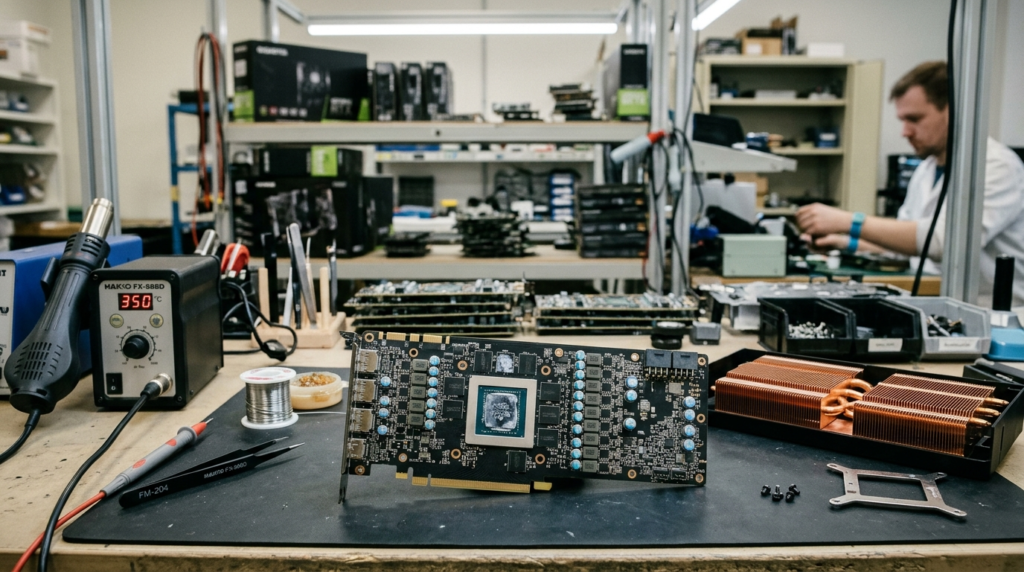
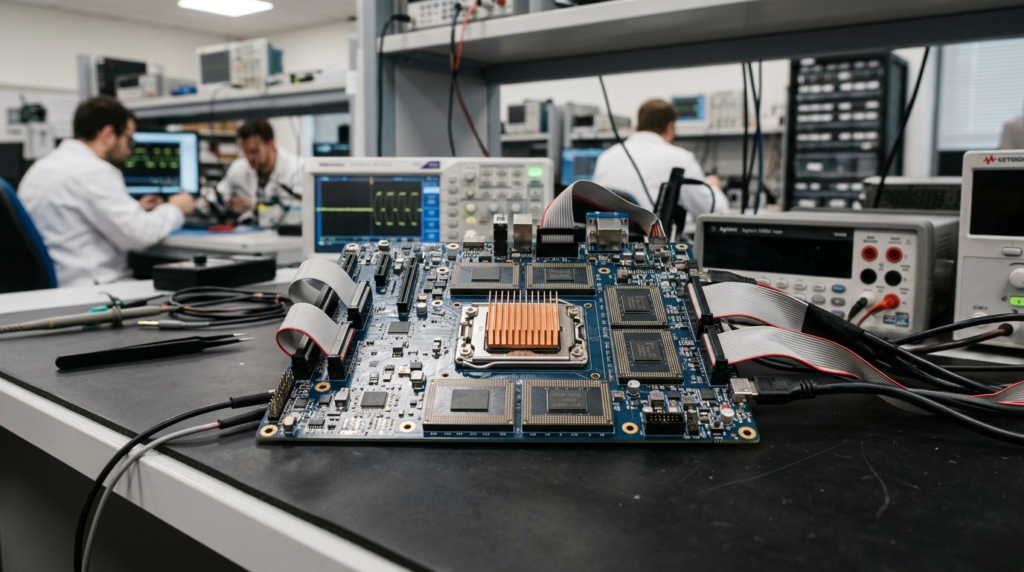
At the heart of the new device lies the highly anticipated Snapdragon Wear Elite (SW6100) chipset, a piece of silicon engineered specifically to maximize edge processing without thermal throttling. Fabricated on an ultra-efficient 3nm process node, this processor is a masterclass in modern transistor density. A 3nm architecture dramatically reduces the distance electrons must travel, mitigating power leakage and significantly lowering the thermal envelope. For a device strapped tightly against human skin, thermal management is just as critical as raw clock speed. By moving to a 3nm node, Samsung is effectively future-proofing the watch’s ability to run complex, concurrent algorithms without burning through its power reserves.
To support this silicon, the watch is equipped with 2GB of RAM and storage options ranging from 32GB to an expansive 64GB. This memory allocation is not just for storing offline Spotify playlists; it is the necessary workspace for on-device AI modeling. When dealing with continuous streams of biometric telemetry—heart rate variability, skin temperature, blood oxygen saturation—sending that data back to a smartphone for processing introduces latency and drains Bluetooth resources. The Snapdragon chip, combined with ample RAM, allows the watch to process heavy computational loads locally, maintaining data privacy while conserving network bandwidth.
Think of the jump to this 3nm architecture like upgrading from a regional hybrid train to a highly optimized, fully electric bullet train. You get exponentially more payload capacity—in this case, advanced health sensors and machine learning algorithms—without needing to stop at every station to refuel. It is a paradigm shift in how computing happens at the extreme edge.
Solving the WearOS Power Crisis: The 800 mAh Battery
Battery anxiety is the singular metric that defines the smartwatch user experience. While dedicated fitness trackers from brands like Garmin have long boasted weeks of battery life, full-featured smartwatches running Google’s WearOS have historically struggled to clear the 36-hour mark. The leaks surrounding this upcoming release suggest a definitive end to this compromise. The device is slated to include a staggering 800 mAh battery (rated capacity of 784 mAh). This represents an approximate 35% increase over the 590 mAh cell found in the first-generation Ultra, which itself was previously the longest-lasting watch in Samsung’s lineup.
Fitting an 800 mAh battery inside a 47mm chassis is an engineering marvel that pushes the limits of lithium-ion density. The volumetric constraints of a watch leave virtually no dead space; every cubic millimeter must be perfectly allocated between logic boards, haptic motors, display ribbons, and the battery cell. By successfully integrating a power source this large, Samsung is promising battery life that extends well past the three-day mark under typical usage conditions. This leap effectively removes the friction of daily charging, which has been the primary barrier to adoption for users interested in continuous sleep tracking and overnight recovery metrics.
This massive power reserve also fundamentally changes how sensors can operate. Previously, smartwatches had to aggressively cycle their sensors on and off—taking heart rate readings only every ten minutes, for instance—to preserve battery. With 800 mAh on tap, the watch can maintain high-frequency, continuous polling of the user’s vitals. This continuous stream of high-fidelity data is what allows advanced AI models to detect microscopic anomalies in heart rhythms or sleep stages that intermittent polling simply would miss.
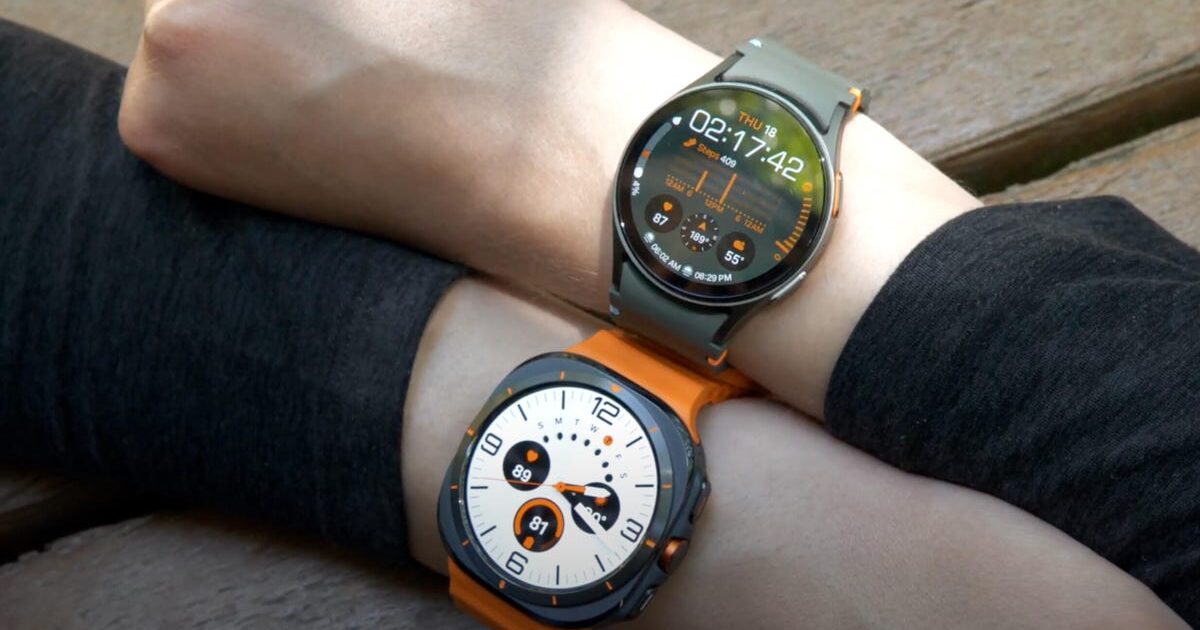
However, this massive power cell does come with inherent design realities. A 47mm titanium casing is undeniably large, pushing the limits of what is comfortable on smaller wrists. While the rugged aesthetic aligns perfectly with the extreme sports demographic, it is an imposing piece of hardware. Furthermore, despite hopes from the Samsung community, recent leaks clearly indicate that the physical rotating bezel—a beloved tactile interface from the Classic line—will not make an appearance here. The bezel will remain entirely static, prioritizing structural integrity and waterproofing over mechanical novelty.
Market Impact & Deployment: Total Cost of Ownership
From an enterprise and professional perspective, the ramifications of a three-day, AI-capable wearable are profound. We are witnessing the rapid consumerization of medical-grade telemetry. As corporate wellness programs and insurance providers increasingly rely on continuous health data to lower premiums and optimize employee performance, the Total Cost of Ownership (TCO) for deploying fleet wearables becomes a major discussion for C-level executives. A device that must be charged every 18 hours experiences massive compliance drop-off. Employees simply forget to wear it. A device that only needs charging twice a week drastically improves data continuity and user compliance.
Moreover, the pricing strategy reveals Samsung’s direct assault on the ultra-premium tier currently dominated by the Apple Watch Ultra. Rumored to be priced around $699 in the United States and €749 in Europe, this smartwatch positions itself as a serious investment. For enterprise buyers or professional athletes, this price point is highly competitive when factored against the standalone processing power. Instead of requiring employees to carry a tethered corporate smartphone at all times, the optional LTE connectivity, dual-band Wi-Fi, and Bluetooth 6.0 ensure that the watch operates as an autonomous edge node.
This technological shift also severely disrupts adjacent industries. Clinical trials and remote patient monitoring sectors can leverage a wearable with a 3-day battery and 10ATM water resistance to track patient mobility and vitals without the intrusive need for constant maintenance. When a wearable is durable enough to survive extreme environments and smart enough to process biometric data locally via AI-powered health insights, it transcends the consumer gadget category and becomes critical infrastructure.
The Consumer Translation: AI Health and Real-World Usability
What does this highly technical evolution mean for the average consumer? In simple terms, your smartwatches are finally graduating from being mere notification screens to becoming proactive, autonomous health physicians. Out of the box, the device will run Wear OS 7 layered with Samsung’s proprietary One UI 9 Watch interface. This software stack is designed explicitly to surface actionable data rather than just raw numbers.
Samsung’s recent preview of its advanced health metrics—including Vitals, Heart Health Score, Daily Cardio Load, and Fitness Index—hints at a future where the watch understands your holistic physical state. Rather than simply telling you that you slept poorly, the AI algorithms will correlate a high resting heart rate with an intense previous-day workout and recommend an active recovery routine, entirely processed locally on the watch’s Snapdragon silicon. The 1.5-inch Super AMOLED display, boasting a razor-sharp 480×480 pixel resolution, ensures that these complex data visualizations remain perfectly legible even under direct, glaring sunlight during a mountain hike.
For the consumer, the true luxury here is invisibility. A smartwatch is at its best when it demands the least amount of active management. You strap the titanium chassis to your wrist, jump into the ocean (thanks to the 10ATM rating), track your sleep for three consecutive nights, and receive real-time coaching, all without anxiously glancing at a battery percentage icon. The Unpacked event scheduled for July 22, 2026, followed by market availability around August 5, will officially usher in this new era of zero-compromise wrist computing.
Frequently Asked Questions
Q1: When does the Galaxy Watch Ultra 2 launch?
A1: It is scheduled to be officially unveiled at Samsung’s Galaxy Unpacked event on July 22, 2026, with pre-orders beginning immediately and market availability expected around August 5.
Q2: What is the battery life of the Galaxy Watch Ultra 2?
A2: Powered by a massive 800 mAh battery and an efficient 3nm Snapdragon Wear Elite chip, the watch is expected to easily exceed three days of continuous use on a single charge.
Q3: Will the new watch feature a physical rotating bezel?
A3: Despite earlier speculation and community hopes, recent industry leaks suggest the titanium bezel on the Ultra 2 will remain completely static.
TechNode HQ Verdict: Pros, Cons & Usability
- Pro (Engineering): The integration of a 3nm Snapdragon Wear Elite chip drastically lowers the thermal envelope and maximizes edge compute efficiency for AI modeling.
- Pro (Consumer): A massive 800 mAh battery effectively eliminates daily charging anxiety, enabling flawless, uninterrupted overnight sleep tracking.
- Con: The static bezel ignores a beloved mechanical interface feature that many long-time power users desperately wanted to see return.
- Con: A 47mm titanium chassis housing an 800 mAh cell remains physically imposing and may be highly uncomfortable for users with smaller wrists.
Enterprise Usability: For Chief Information Officers and fleet managers in logistics or healthcare, the autonomous LTE capability combined with a 3-day battery makes this a premier device for remote employee monitoring and compliance. The localized AI processing guarantees that sensitive telemetry stays secure at the edge.
Everyday Usability: If you are tired of your smartwatch dying midway through your second day of a camping trip, this is the definitive upgrade. It bridges the critical gap between the hardcore, week-long battery life of a dedicated Garmin and the rich, app-heavy ecosystem of Google’s WearOS.