The Architectural Reality: Silicon Starvation and the OS Wars
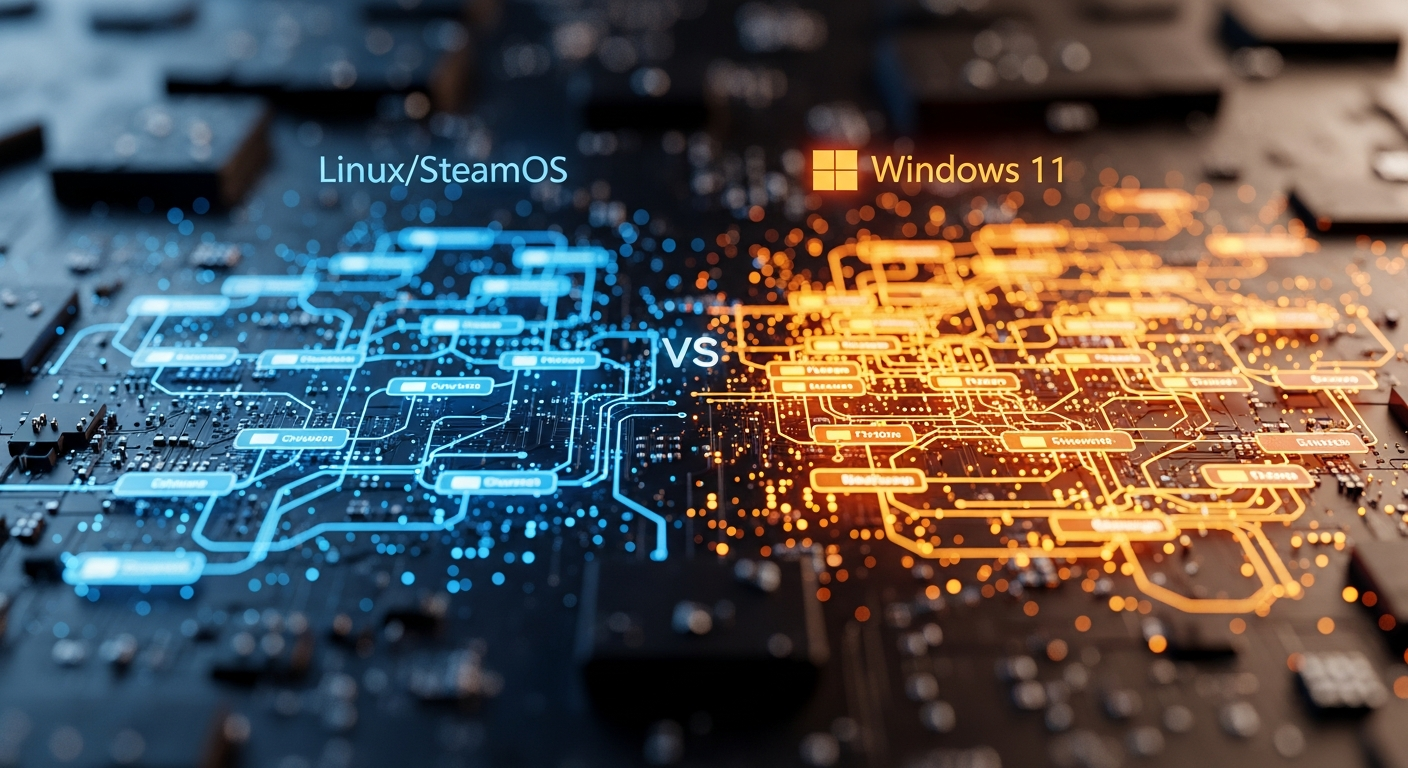
As we navigate the second quarter of 2026, the PC gaming landscape is undergoing a tectonic shift. For decades, Microsoft’s Windows operating system has maintained an iron grip on the market, boasting a historical dominance that hovered around 96 percent. But over the last five years, a quiet revolution orchestrated by Valve’s SteamOS has steadily eroded that monopoly. By early 2026, Linux’s share on the Steam Hardware Survey surged past the 5.33 percent mark—a staggering leap from the sub-1 percent figures of 2021. Valve achieved this not by forcing developers to write native Linux code, but through the sheer engineering brute force of the Proton compatibility layer, which translates Windows API calls to Linux on the fly.
Late last year, Valve seemed poised to deliver the killing blow to Microsoft’s dominance in the living room and the backpack. The company announced the highly anticipated “Steam Machine” revival, aimed squarely at the low-end PC and console market, while third-party manufacturers began shipping handhelds with SteamOS pre-installed. Microsoft, bogged down by the bloated, AI-heavy feature creep of Windows 11, appeared entirely flat-footed. But then, the macroeconomic reality of the semiconductor industry intervened. Valve’s hardware momentum didn’t hit a software wall; it hit a silicon wall. Welcome to the “RAMpocalypse.”
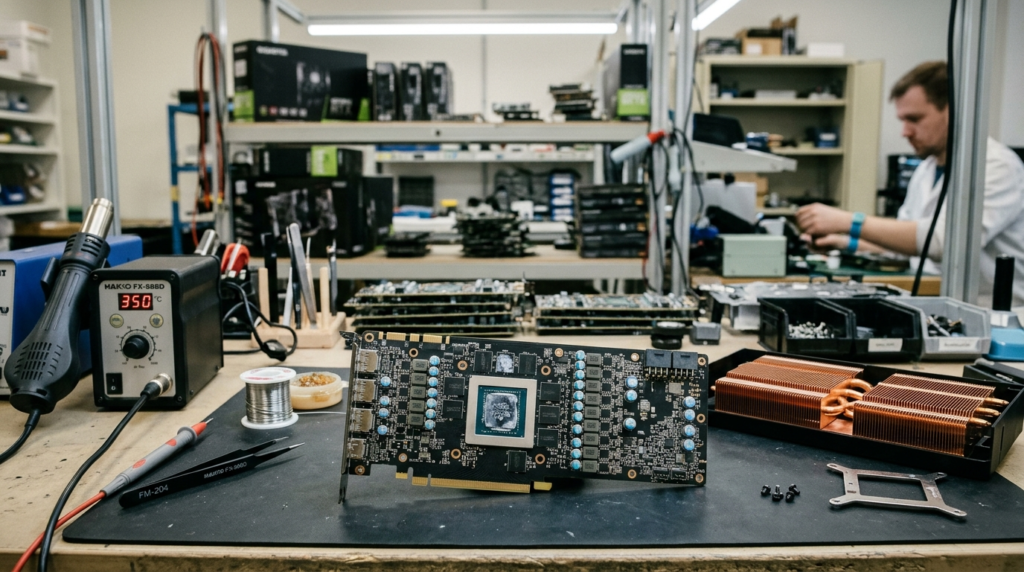
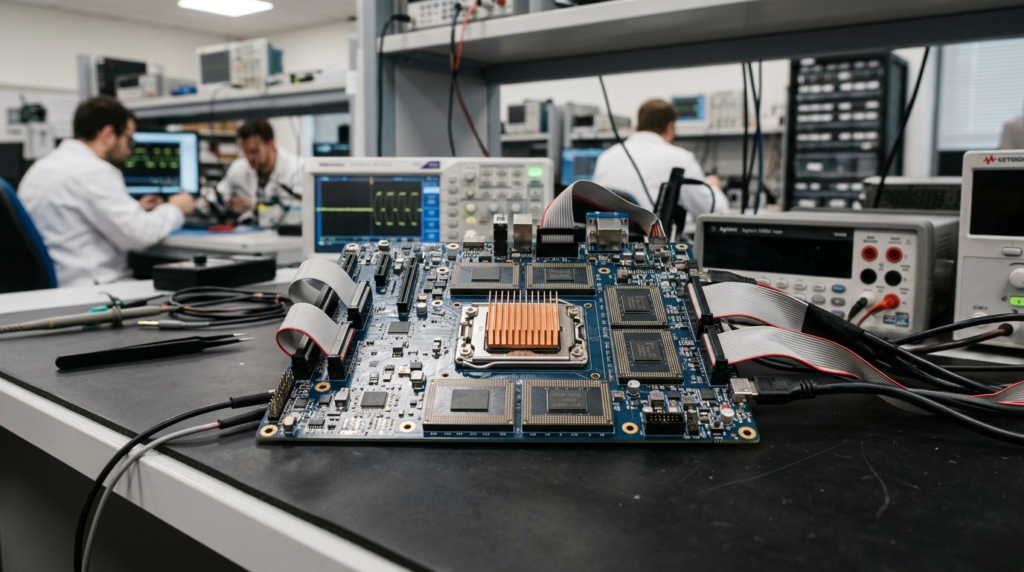
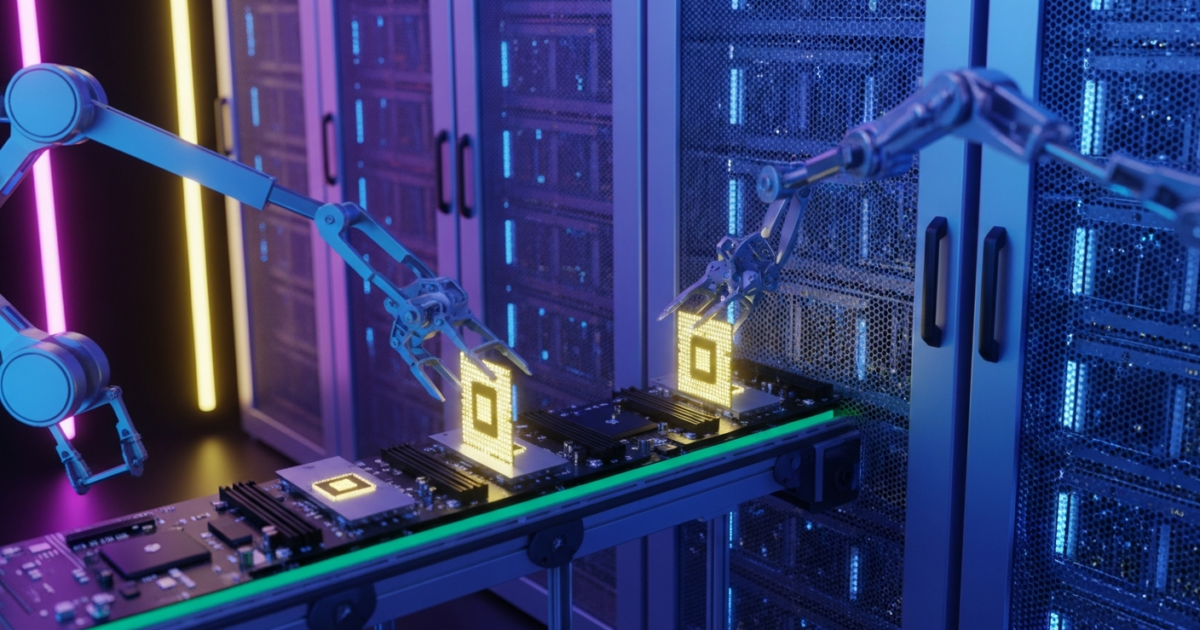
To understand why Valve’s hardware push has stalled, we must look at the physics and economics of modern semiconductor foundries. The generative AI gold rush has fundamentally rewired the global supply chain. Hyperscalers and cloud service providers are engaged in an arms race to build massive AI inference and training clusters. These data centers require astronomical amounts of High Bandwidth Memory (HBM3e and HBM4) and enterprise-grade NVMe solid-state drives. Because silicon wafer fabrication capacity at giants like TSMC, Samsung, and SK Hynix is finite, foundries have aggressively reallocated their production lines away from low-margin consumer memory (like LPDDR5x and standard DDR5) toward high-margin enterprise AI components.
The result is a catastrophic supply shock for consumer electronics. In the first quarter of 2026 alone, DRAM contract pricing surged by an unprecedented 90 to 95 percent quarter-over-quarter, while NAND flash prices spiked by 55 to 60 percent. Compounded by aggressive and legally contested trade tariffs, the cost of acquiring the basic building blocks of a gaming PC has skyrocketed. For a company like Valve, which relies on razor-thin margins to sell hardware at console-like prices, this supply chain starvation is fatal.
Market Impact & Deployment: The Economics of the RAMpocalypse
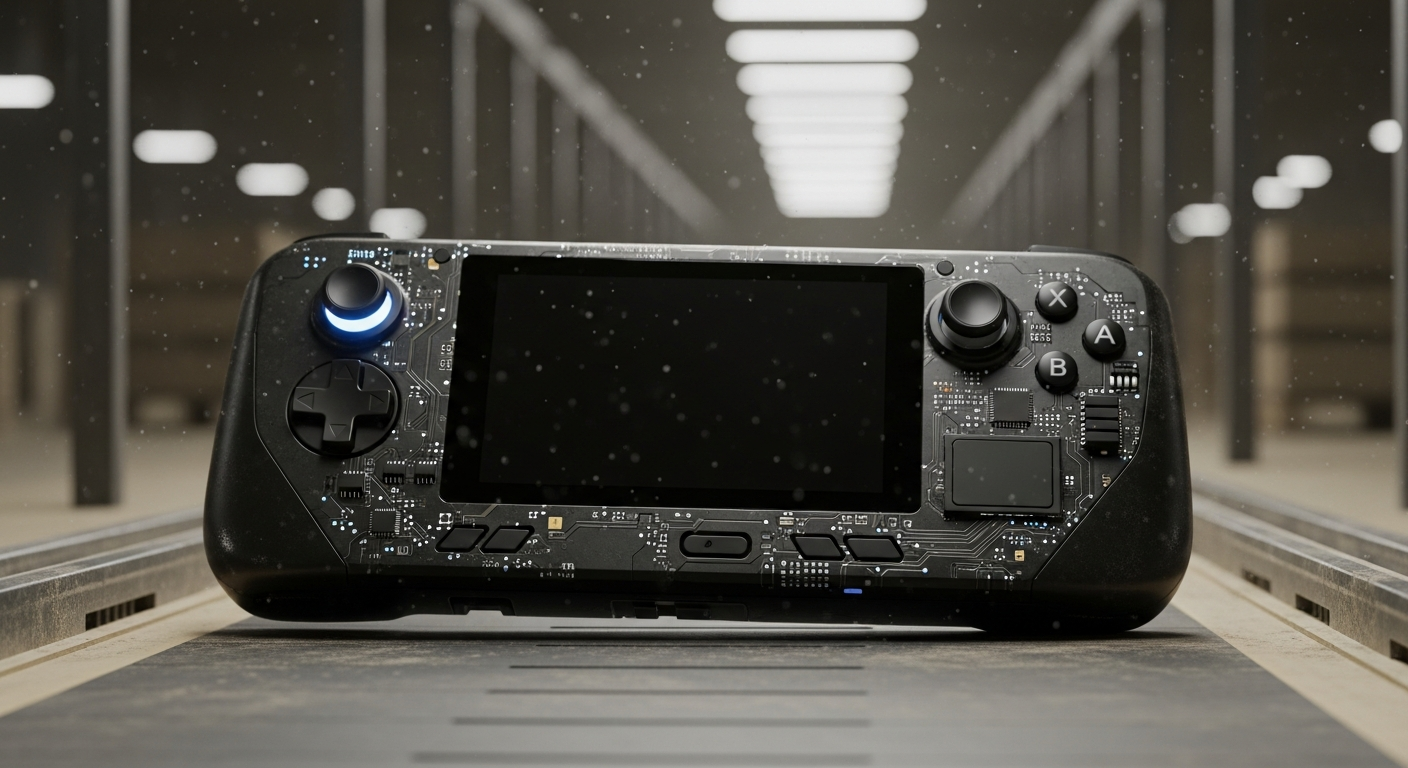
The immediate casualty of this silicon starvation is the Bill of Materials (BOM) for low-cost gaming hardware. A device like the Steam Deck or the proposed 2026 Steam Machine relies heavily on a Unified Memory Architecture (UMA). In these systems, the CPU and the integrated graphics (APU) share a single pool of system RAM. To achieve acceptable gaming performance, these devices require a minimum of 16GB of fast LPDDR5 memory. When the wholesale price of that memory doubles in a matter of months, a $399 or $499 retail price point transitions from a “loss leader” to a financial black hole.
Consequently, Valve’s hardware ecosystem is currently in purgatory. The highly anticipated Steam Machine, originally slated for the first half of 2026, has been indefinitely delayed. The four-year-old Steam Deck is largely unpurchasable, suffering from chronic out-of-stock statuses globally. In a telling display of the current market dynamics, the only piece of hardware Valve has successfully shipped at scale this year is the new Steam Controller. As Valve executives bluntly admitted, the controller was able to ship simply because it “doesn’t have RAM in it.”
This crisis extends far beyond Valve. Third-party Original Equipment Manufacturers (OEMs) like Asus, Lenovo, and Ayaneo are facing identical pressures. The Total Cost of Ownership and manufacturing overhead for handheld PCs have forced these companies to hike prices and delay product launches. The organic growth of SteamOS relied heavily on a steady influx of affordable, Linux-native hardware entering the market. With the hardware pipeline choked by the AI industry’s insatiable appetite for memory, Valve’s primary vector for OS market share growth has been temporarily severed.
Under the Hood: Windows K2 vs. SteamOS Gamescope
While Valve wrestles with supply chain logistics, Microsoft has been handed a golden opportunity to repair its fractured relationship with PC gamers. For years, Windows 11 has been heavily criticized for its resource-heavy architecture. The standard Windows Desktop Window Manager (DWM), aggressive background telemetry, mandatory updates, and the recent integration of generative AI features (like the heavily scrutinized Recall function) consume gigabytes of memory and precious CPU cycles. On a high-end desktop, this bloat is an annoyance; on a memory-constrained handheld APU, it is a death sentence for frame rates.
SteamOS bypasses this entirely. By utilizing a lightweight Arch Linux base and the Gamescope micro-compositor, SteamOS dedicates almost the entirety of the system’s hardware resources directly to the game. Independent testing throughout 2025 consistently showed SteamOS outperforming Windows 11 on identical hardware, particularly in memory-bandwidth-starved scenarios.
Recognizing the existential threat posed by SteamOS, Microsoft has launched an aggressive internal overhaul codenamed “Windows K2.” According to enterprise insiders, K2 is not a new version of Windows (like a Windows 12), but a fundamental shift in development philosophy. Built on three core pillars—performance, craft, and reliability—the K2 initiative halts the rapid-fire deployment of agile features in favor of foundational stability. Microsoft is actively using SteamOS performance metrics as a benchmark, aiming to close the efficiency gap within the next year.
The most visible manifestation of the K2 initiative arrived on April 30, 2026, with the rollout of update KB5083631, which introduced “Xbox Mode” to all Windows 11 PCs. Originally confined to a few Asus handhelds, Xbox Mode is a dedicated gaming shell that completely replaces the standard Windows desktop environment upon boot. It strips away the taskbar, the system tray, and background notification centers, replacing them with a controller-friendly, full-screen dashboard that aggregates libraries from Steam, Epic, and Game Pass. By killing the explorer.exe shell and suspending non-essential background services, Xbox Mode directly mimics the resource-saving tactics of the SteamOS Gamescope compositor.
The Consumer Translation: Handhelds in Purgatory
For the everyday consumer, the RAMpocalypse presents a frustrating paradox. On one hand, the hardware you want is either unavailable or prohibitively expensive. The dream of picking up a cheap, console-killer Steam Machine for the living room is dead on arrival for 2026. Gamers looking to enter the PC handheld space are met with inflated price tags from third-party manufacturers who are passing the exorbitant costs of LPDDR5x memory directly onto the buyer.
On the other hand, the software experience on existing hardware is poised to improve dramatically. Microsoft’s forced pivot toward optimization means that gamers who are stuck with older Windows 10 or Windows 11 rigs might actually see performance improvements rather than degradation. If the Windows K2 initiative delivers on its promises, the operating system will become less intrusive, less bloated, and significantly more reliable. The broader rollout of Xbox Mode means that anyone with a controller and a Windows PC can now create a console-like experience in their living room without needing to format their hard drive and install a Linux distribution.
However, early audits of Xbox Mode reveal that Microsoft still has work to do. While the interface successfully reduces memory overhead, it lacks the seamless, plug-and-play magic of SteamOS. Games often require manual configuration upon first launch, and the UI can occasionally stumble when aggregating titles from competing storefronts. Yet, the trajectory is clear: Microsoft is finally taking the threat of a lightweight, gaming-focused OS seriously.
Ultimately, the AI boom has inadvertently acted as a kingmaker in the PC gaming OS wars. By starving the consumer market of the silicon necessary to build cheap hardware, the enterprise AI sector has halted Valve’s momentum just as it was reaching a critical mass. Microsoft has been granted a vital stay of execution. Whether they use this time to permanently fix Windows, or simply delay the inevitable rise of Linux gaming, will depend entirely on their ability to execute the K2 initiative before the memory fabs finally catch up to global demand.
TechNode HQ Verdict: Pros, Cons & Usability
- Pro (Engineering): The Windows K2 initiative and Xbox Mode shell replacement drastically reduce OS overhead, freeing up critical shared memory on APUs and narrowing the performance gap with SteamOS.
- Pro (Consumer): Gamers gain a unified, controller-friendly console interface natively within Windows 11, eliminating the need for complex dual-boot Linux setups for living room gaming.
- Con: The RAMpocalypse has fundamentally broken the BOM economics for low-cost hardware, resulting in indefinite delays for the Steam Machine and massive price hikes for consumer electronics.
- Con: Microsoft’s Xbox Mode still suffers from initial configuration friction and lacks the out-of-the-box seamlessness that Valve has perfected with Proton and SteamOS.
Enterprise Usability: For CTOs and hardware OEMs, the current market dictates a defensive posture. The cost of DRAM and NAND flash will remain highly volatile through 2026 as AI hyperscalers dominate foundry allocations. OEMs must factor in a 50-90% increase in memory costs when forecasting BOMs for upcoming consumer devices, likely necessitating a shift toward premium, high-margin product tiers rather than budget-friendly hardware.
Everyday Usability: Should the public buy into this now? If you are in the market for a handheld gaming PC or a budget gaming rig, the advice is to wait. Hardware prices are artificially inflated due to the supply chain crisis. Instead, consumers should leverage the new Windows 11 Xbox Mode update to squeeze more life and a better user experience out of their existing hardware while the silicon market stabilizes.
Sources & Citations:
Original Claim via: arstechnica
Official Handle: @arstechnica
Topics Explored: SteamOS, Windows 11, Silicon Supply Chain, Generative AI, PC Gaming