Key takeaways
- Apple has quietly passed a 15% to 30% price hike onto consumers across Macs and iPads.
- The increases are directly driven by a global memory chip shortage fueled by hyperscale AI data centers.
- Apple maintains a 27% profit margin and spent $310 billion on buybacks, choosing not to absorb the costs.
- The ‘AI Tax’ represents a structural shift where consumers subsidize enterprise AI infrastructure.
- Flagship iPhones remain shielded from the hikes as they continue to act as Apple’s primary revenue engine.
The era of affordable consumer computing is officially over, replaced by a hidden AI tax that forces everyday users to subsidize the hyperscale data center boom. Last week, Apple CEO Tim Cook signaled that surging component costs made price increases “unavoidable.” Shortly after, the Cupertino giant rammed through price hikes ranging from 15% to over 30% across its Mac, iPad, Vision Pro, HomePod, and Apple TV lineups. Even budget-friendly models, such as the MacBook Neo, saw sudden $100 markups just months after their release.
To understand why a student buying a laptop is suddenly paying a premium for artificial intelligence they might not even use, we have to look deep into the silicon supply chain. The global push to build massive, power-hungry AI infrastructure has triggered a severe memory chip shortage, shifting the fundamental economics of the technology industry.
The Architectural Reality of the Hidden AI Tax
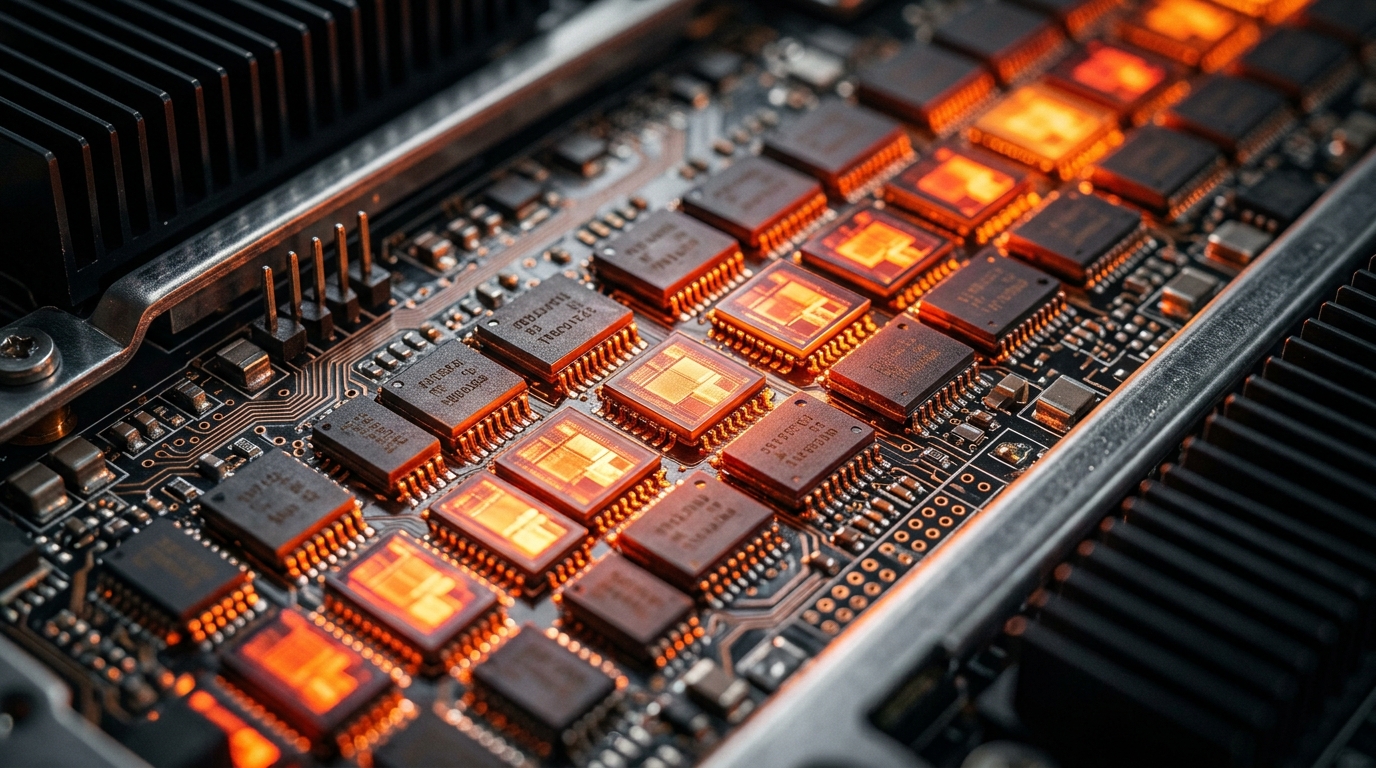
Smartphones, tablets, and lightweight laptops rely heavily on DRAM for short-term memory and NAND flash for storage. For years, the consumer electronics market enjoyed a steady, affordable supply of these components. However, the meteoric rise of generative AI models has shattered that equilibrium.
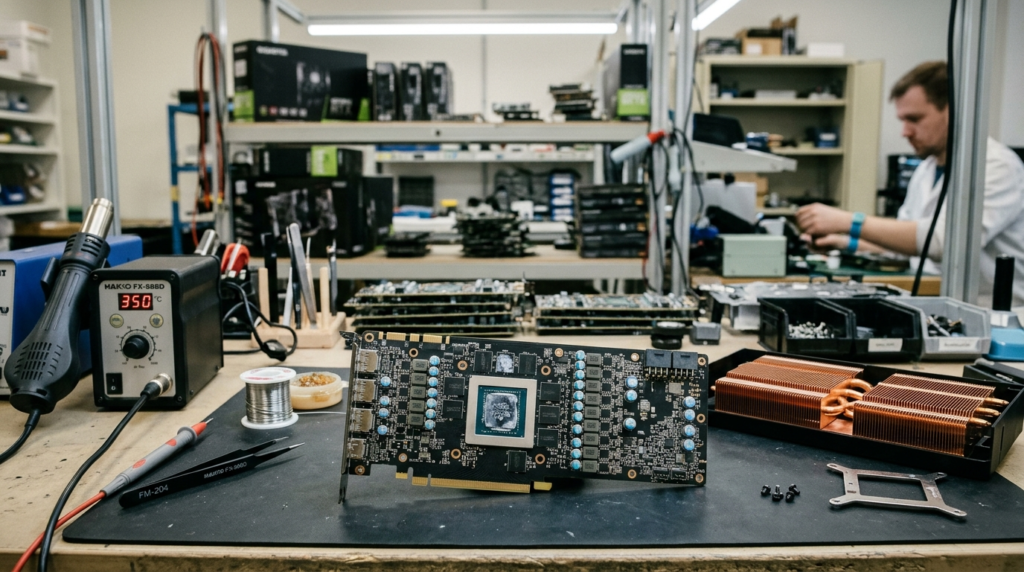
Hyperscale AI warehouses face intense bottlenecks when processing large, high-bandwidth workloads. Training an LLM requires unfathomable amounts of high-speed memory. Memory manufacturers like Micron, Samsung, and SK Hynix have logically prioritized these high-margin enterprise orders for AI data centers over standard consumer electronics. Consequently, the cost of memory and storage chips has quadrupled since 2025.
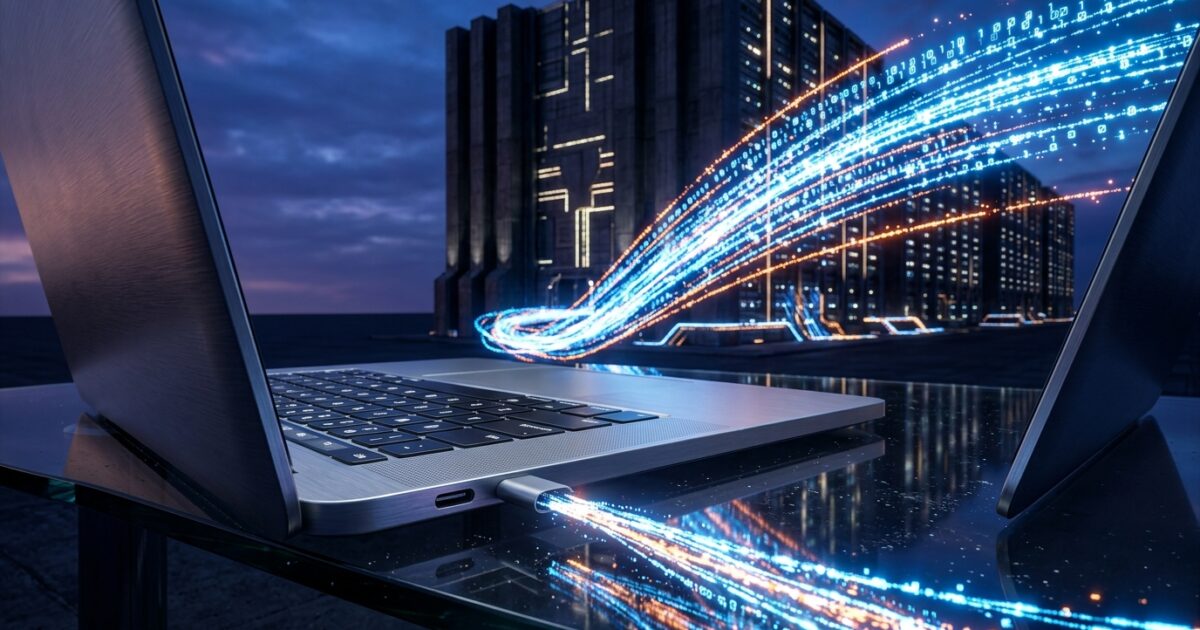
Think of the global silicon supply like a municipal water system. For years, consumer devices and enterprise servers drew from the same reservoir without issue. Suddenly, massive industrial farming operations—AI data centers—moved in, siphoning the vast majority of the water. Now, everyday residents are facing staggering water bills just to keep their taps running. Apple isn’t fixing the plumbing; it is simply passing the bill directly to the residents.
Market Impact & Deployment: A Structural Shift
The financial narrative surrounding this component crisis is complex. Apple insists it has “never seen a component price increase this much, this quickly.” Yet, a closer audit of the tech giant’s balance sheet reveals a different story. Apple maintains an industry-leading net profit margin of 27% and reported $112 billion in net income in 2025. Furthermore, the company spent a staggering $310 billion on stock buybacks to artificially boost stock prices.
For C-suite executives and enterprise IT leaders, the implications of Apple’s price hikes are immediate. The Total Cost of Ownership (TCO) for deploying fleets of MacBooks or iPads has suddenly inflated by up to 30%. When professional-tier upgrades on the Mac Studio and MacBook Air cost significantly more, IT procurement budgets must be radically adjusted. This isn’t a short-term logistical hiccup; industry experts describe the memory chip cost increases as a structural change to the hardware market.
Apple deliberately sat out the massive AI infrastructure spending race, opting instead to integrate Google Gemini models for its overhauled Apple Intelligence offerings. Yet, Apple lost its historic buying leverage with suppliers as aggressive AI companies secured market share. By choosing to pass the buck rather than absorb lower profit margins, Apple has effectively turned its supply chain vulnerability into a consumer penalty.
The Consumer Translation: Paying for a Boom You Didn’t Ask For
For the worldwide public, the “AI Tax” is a bitter pill to swallow. Millions of consumers who use their devices for basic tasks—web browsing, word processing, streaming—are now bankrolling the AI gold rush. The entry-level MacBook Neo, explicitly marketed to students on a budget, is now drastically less accessible.
Regions such as India have reported particularly steep price increases, sparking fierce public debate regarding device affordability in emerging markets. While the iPhone has remained largely unaffected for now—shielded by its status as Apple’s primary revenue driver—the market is closely watching to see if persistent price pressures will eventually crack Apple’s flagship mobile ecosystem.
Consumers are frustrated that they are forced to pay a premium for hardware due to a resource competition between AI data centers and consumer electronics that they did not initiate. Apple’s pricing strategy banks on its unique market power and tightly integrated ecosystem; abandoning a Mac often means disrupting an entire digital lifestyle tied to the Apple Watch, AirPods, and iPhone. But as prices climb, the brand risks cementing a reputation for elitism that could eventually dampen buyer demand.
Frequently Asked Questions
Q1: What is the hidden AI tax?
A1: The hidden AI tax refers to the sharp increase in consumer electronics prices, driven by the massive global demand for AI data centers that are consuming the world’s supply of memory chips. Because memory manufacturers prioritize high-margin enterprise AI orders, component costs for laptops and tablets have skyrocketed.
Q2: Which Apple products are affected by the recent price hikes?
A2: Apple implemented price jumps of 15% to 30% across its Mac, iPad, Vision Pro, HomePod, and Apple TV lines. Even budget-focused models like the MacBook Neo saw a $100 increase, while the iPhone has currently remained exempt.
Q3: Why couldn’t Apple absorb the cost of these memory chips?
A3: While Apple claims the component price increases were “unavoidable,” the company reported $112 billion in net income in 2025 and a 27% profit margin. Analysts suggest Apple could have leveraged its massive cash reserves and $310 billion spent on stock buybacks to shield consumers, but chose to protect shareholder value instead.
Q4: Will other tech companies raise prices like Apple did?
A4: Industry analysts warn that other major hardware manufacturers facing identical supply chain pressures for DRAM and NAND chips are highly likely to follow Apple’s lead. The memory cost increase is viewed as a structural industry change, not a temporary fluctuation.
TechNode HQ Verdict: Pros, Cons & Usability
- Pro (Engineering): Apple’s hardware continues to offer best-in-class performance and power efficiency, despite the inflated component costs.
- Pro (Consumer): The iPhone remains temporarily immune to the AI tax, maintaining price stability for Apple’s core mobile users.
- Con: Apple’s refusal to absorb costs despite a 27% profit margin exposes a corporate prioritization of stock buybacks over consumer accessibility.
- Con: Enterprise fleets and educational institutions face a sudden 15-30% spike in Total Cost of Ownership for Mac deployments.
Enterprise Usability: CTOs must immediately audit their hardware refresh cycles. With Mac and iPad fleet costs rising up to 30%, enterprises should evaluate extending device lifecycles or exploring alternative ecosystems for non-critical staff until memory supply stabilizes.
Everyday Usability: The general public should heavily scrutinize new purchases. Unless an upgrade is critically necessary, consumers should delay buying Macs and iPads, or look aggressively into the secondary and refurbished markets to avoid subsidizing hyperscale AI infrastructure.