Key takeaways
- partners to establish operational standards for power-flexible data centers.
- Dynamic load shifting and curtailment during grid stress could unlock up to 100 gigawatts of capacity on existing electrical transmission infrastructure.
- The consortium targets interconnection delays of up to a decade by defining clear ride-through, curtailment, and contingency requirements for utility interconnects.
- Production technologies anchoring the framework include Google’s 1-gigawatt demand response capability, Nvidia’s Rubin-generation DSX Flex software, and Emerald AI’s Emerald Conductor platform.
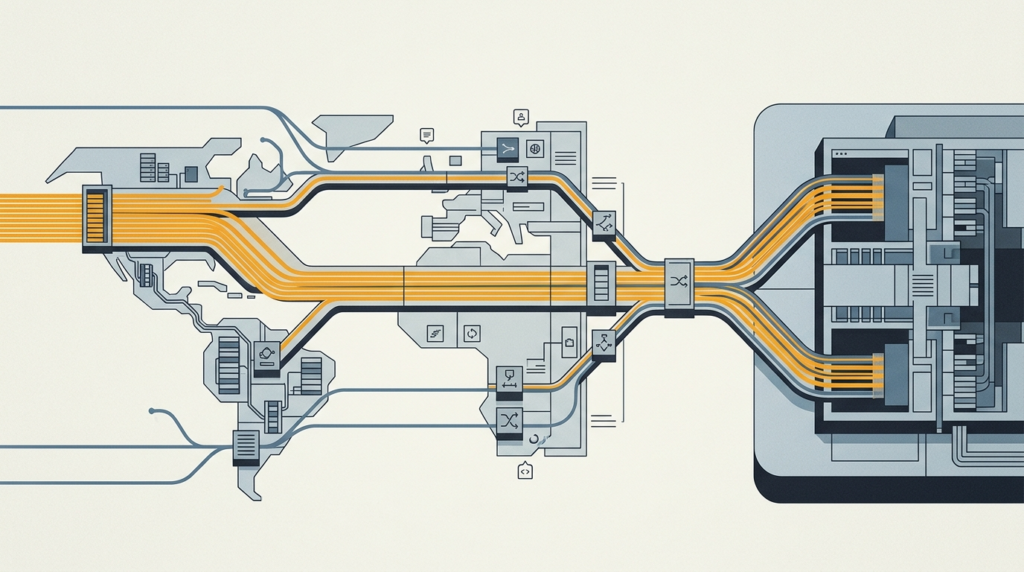
Nvidia Corp., Google LLC, and software startup Emerald AI Inc. have launched the AI Energy Management Alliance (AEMA) to accelerate the deployment of flexible data centers. Announced alongside 18 launch partners spanning utility operators, chipmakers, and AI model developers, the consortium focuses on creating standard operational mechanisms that allow artificial intelligence facilities to modulate their power draw dynamically during electrical grid stress. By scheduling workloads around peak regional consumption and coordinating on-site battery storage with utility signals, flexible data centers can maintain high computational throughput while reducing strain on regional transmission grids.
The launch of AEMA and power-flexible compute
The core objective of AEMA is establishing technical benchmarks that turn data centers from static, rigid power consumers into responsive grid participants. A flexible data center adjusts electricity draw based on real-time capacity signals from regional transmission networks. When utility demand peaks—such as during extreme weather events or afternoon domestic consumption surges—facilities can throttle non-urgent computational tasks, shift training runs to lower-demand windows, switch to on-site energy storage, or inject stored battery power back into the public grid.
Founding members bring established operational capabilities to the initiative:
- Google: Operates large-scale demand-response orchestration across its cloud infrastructure, having surpassed 1 gigawatt of operational demand-response capacity. The company coordinates computational jobs across regions to match local clean energy availability and grid conditions.
- Nvidia: Delivers DSX Flex software for facilities deployed with its upcoming Rubin architecture graphics processors. The platform coordinates server draw, on-premise power generators, and battery arrays in response to utility telemetry.
- Emerald AI: Recently raised $150 million in venture funding with backing from Nvidia. The startup developed Emerald Conductor, an orchestration engine that throttles server cluster power draw while minimizing latency disruptions to active AI training workloads.
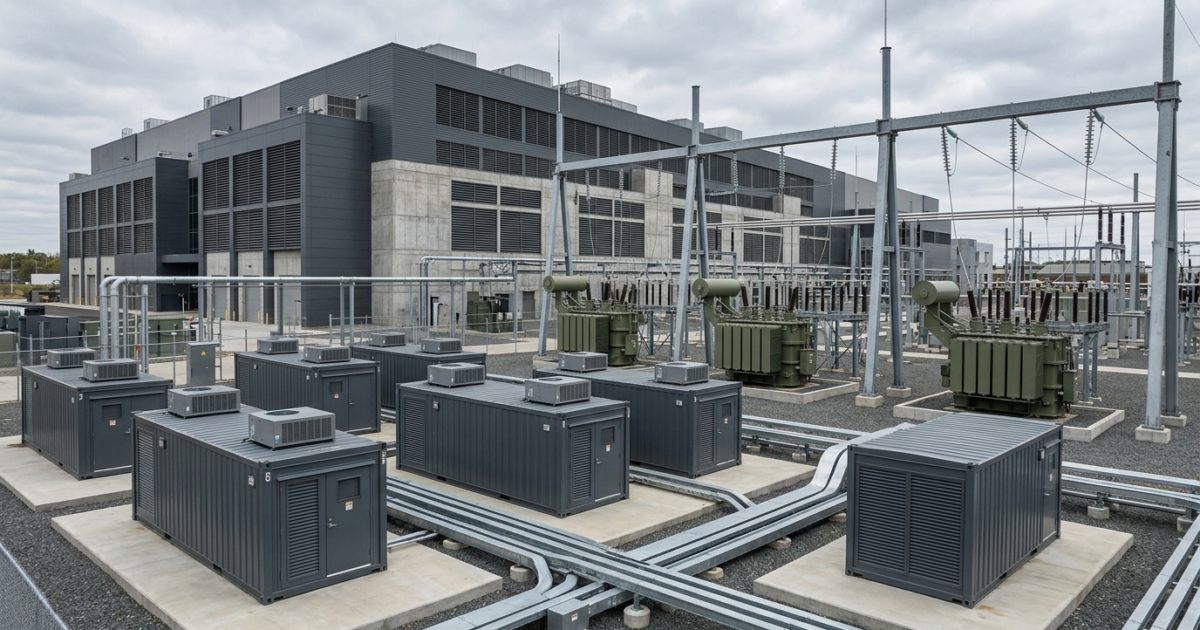
Emerald AI and Nvidia are implementing these systems directly in a 100-megawatt facility in Manassas, Virginia, structured as a proof-of-concept power-flexible AI factory.
Interconnection delays and the 100-gigawatt grid opportunity
The rapid expansion of generative AI training clusters has overwhelmed traditional utility planning cycles. In major US data center corridors, prospective facilities face interconnection queues extending up to a decade. Utilities have historically evaluated data center grid requests under the assumption of 100 percent continuous baseline utilization, requiring massive, multi-year substation and transmission line upgrades before energizing new sites. This dynamic has already spurred resistance, with municipalities pushing data center moratoria as local electrical infrastructure reaches critical limits.
AEMA advocates for a risk-adjusted, performance-based interconnection framework. According to coalition analyses, operating AI compute clusters with dynamic curtailment during peak contingency periods could unlock up to 100 gigawatts of operational capacity on existing grid infrastructure without waiting for physical transmission expansions. By proving that a facility will curtail draw during emergency conditions, operators can qualify for faster, conditional grid interconnection approvals.
| Organization | Domain Role | Primary Contribution | Deployment Milestone |
|---|---|---|---|
| Cloud Hyperscaler | Fleet-level compute load shifting and grid demand-response telemetry | Over 1 GW demonstrated demand-response capacity | |
| Nvidia | Hardware & Systems | DSX Flex orchestration for Rubin-generation GPU architectures | Real-time hardware power management and battery coordination |
| Emerald AI | Software Startup | Emerald Conductor workload modulation platform | 100 MW power-flexible facility under development in Virginia |
| GridUnity | Grid Analytics | Interconnection planning software for utilities and transmission operators | Founding board role embedding AEMA standards into RTO workflows |
Cross-industry alignment from silicon to power utilities
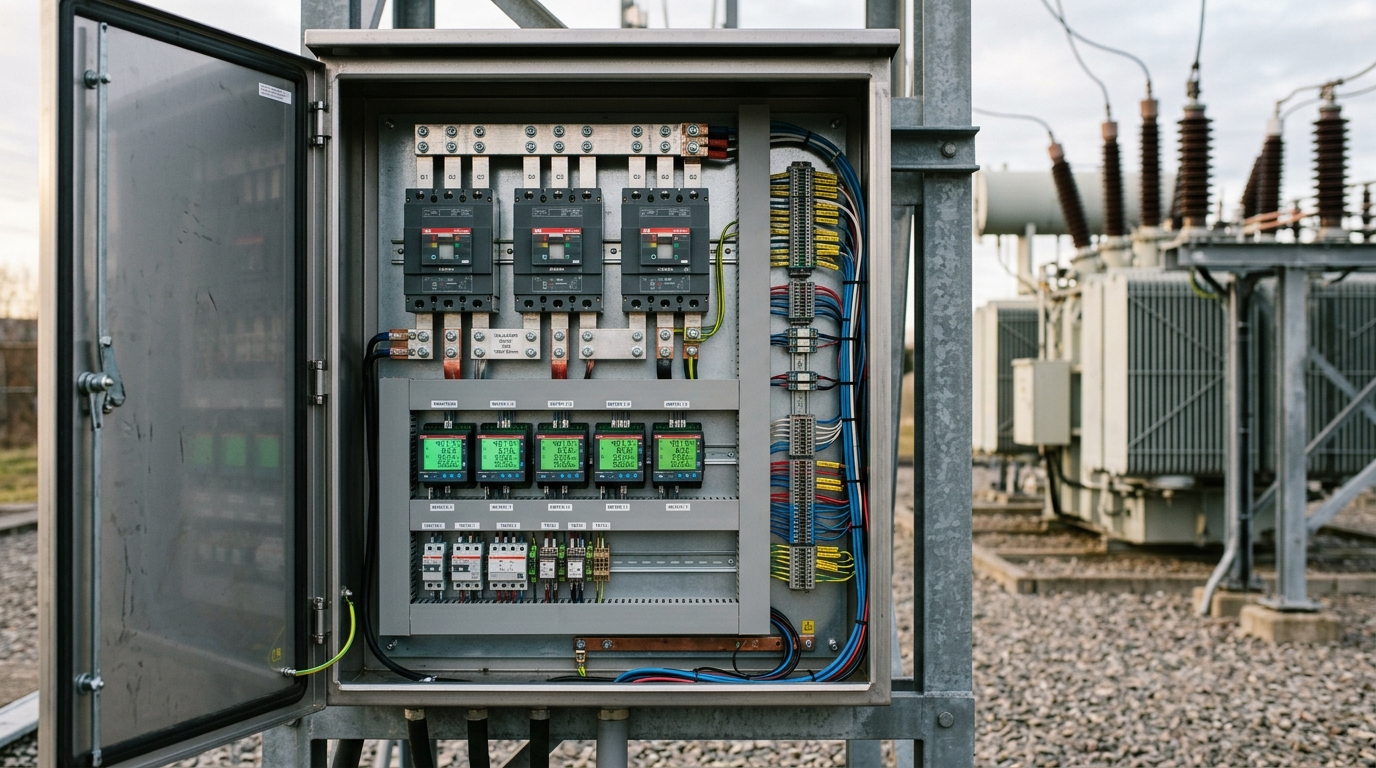
Unlike previous proprietary demand-response programs, AEMA brings together stakeholders from both sides of the electrical meter. The alliance includes 18 partner organizations across artificial intelligence research, semiconductor design, power generation, and grid management. Members include Anthropic PBC, Analog Devices Inc., National Grid, AES, Constellation, RWE, NRG, Fluence Energy, and Voltus.
To align these technical groups, AEMA appointed interconnection software vendor GridUnity to its founding board. GridUnity provides workflow automation used by major US regional transmission organizations (RTOs) and utilities to evaluate interconnection requests. Through this representation, AEMA plans to translate its flexible operation standards into standardized interconnection agreements recognized by utility regulatory commissions.
The consortium focuses on creating technology-neutral standards defining ride-through capabilities, power curtailment speeds, and contingency-response obligations. Clear operational metrics will allow utilities to verify that an AI data center can honor load-shedding agreements in milliseconds during a grid contingency event, rather than relying on manual notifications or post-facto verification.
What happens next
AEMA will publish its initial draft of technical specifications and performance guidelines for flexible data centers in the coming quarters. The first deliverable will define baseline ride-through and automated load-shedding response times for facilities incorporating battery energy storage systems and intelligent workload dispatchers.
Following publication, the alliance intends to work with regional transmission authorities and public utility commissions across North America to establish standardized conditional interconnection tariffs. For enterprise operators and cloud providers, widespread adoption will depend on demonstrating that workload orchestration tools like Emerald Conductor and Nvidia DSX Flex can protect high-value model checkpointing and inference latency during automated power modulation events.
Sources
- Nvidia, Google and Emerald AI launch flexible data center consortium – SiliconANGLE
- Emerald AI, Google and NVIDIA Launch Alliance to Advance Flexible AI Data Centers | NVIDIA Blog
- NVIDIA And Google’s New Coalition Wants To Speed Up AI Data Center Power Grid Connections
- Emerald AI, Google, And NVIDIA Launch AI Energy Management Alliance With 18 Partners To Advance Flexible AI Data Centers
- GridUnity Selected as Founding Board Member of New AI Energy Management Alliance
- Google signed 1 GW of data center demand response