Key takeaways
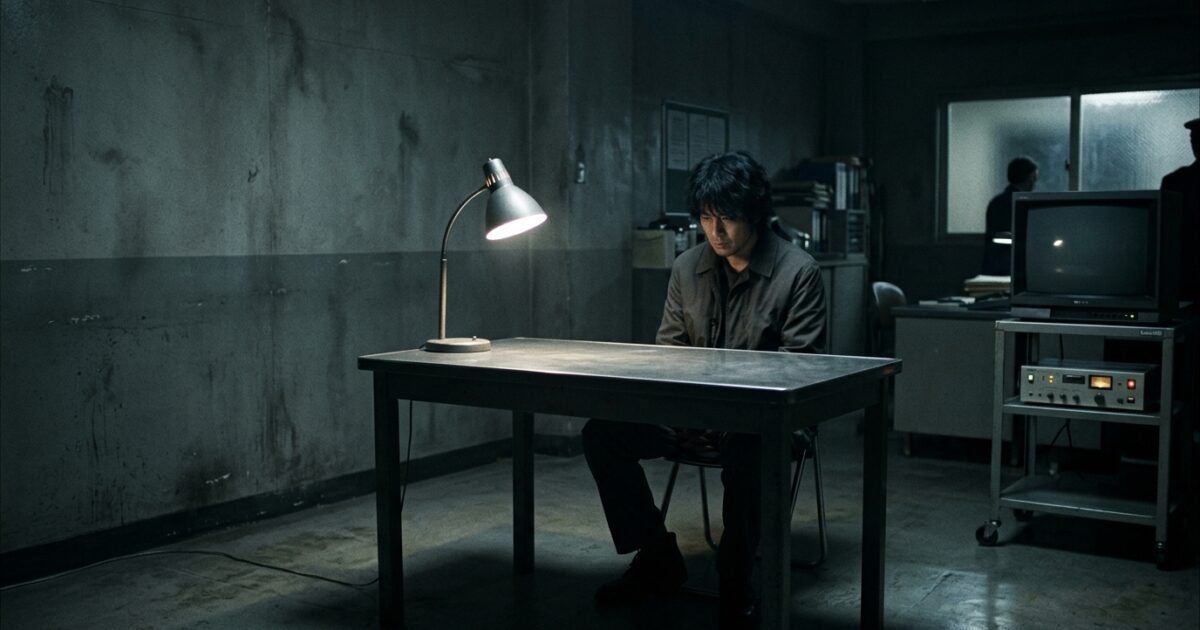
- Released in 1997, Cure is widely regarded as a foundational masterpiece of psychological terror.
- The film weaponizes 18th-century mesmerism to unlock violent, latent impulses in ordinary citizens.
- Mamiya, the hypnotic antagonist, acts as an empty vessel (‘karappo’) channeling repressed societal rage.
- Its cinematic framework prioritizes existential dread and crisp long takes over traditional supernatural scares.
- Cure operates like a sophisticated psychological exploit, bypassing emotional firewalls with atmospheric tension.
The Architectural Reality of Cure Japanese Horror
Almost three decades after its initial release, Cure Japanese Horror remains an unassailably hypnotic masterwork that fundamentally rewired the circuitry of psychological thrillers. Directed by Kiyoshi Kurosawa in 1997, the film operates not as a traditional sequence of frights, but as a sophisticated, system-level exploit on the human psyche. At a time when mainstream cinema relied on brute-force jump scares to generate audience engagement, Kurosawa engineered an operatic convergence of crisp cinematography, practical body horror, and a deeply unsettling narrative that bypasses the viewer’s standard emotional firewalls. The result is a touchstone of film analysis and a blueprint for modern suspense architecture.
The narrative infrastructure is seemingly conventional: Detective Takabe (played with weary brilliance by Koji Yakusho) investigates a string of grotesque murders committed by ordinary citizens who share no motive and retain no memory of their actions. The only common denominator is a gruesome “X” carved into the victims’ throats. However, this procedural framework quickly deteriorates into a chilling exploration of the human mind’s hidden vulnerabilities. Instead of a standard villain, Takabe encounters Mamiya (Masato Hagiwara), an enigmatic epicenter of discontent who pedantically toys with the detective, threatening to push Takabe into a mesmerizingly similar bout of insanity.
Market Impact & Deployment in Cinema
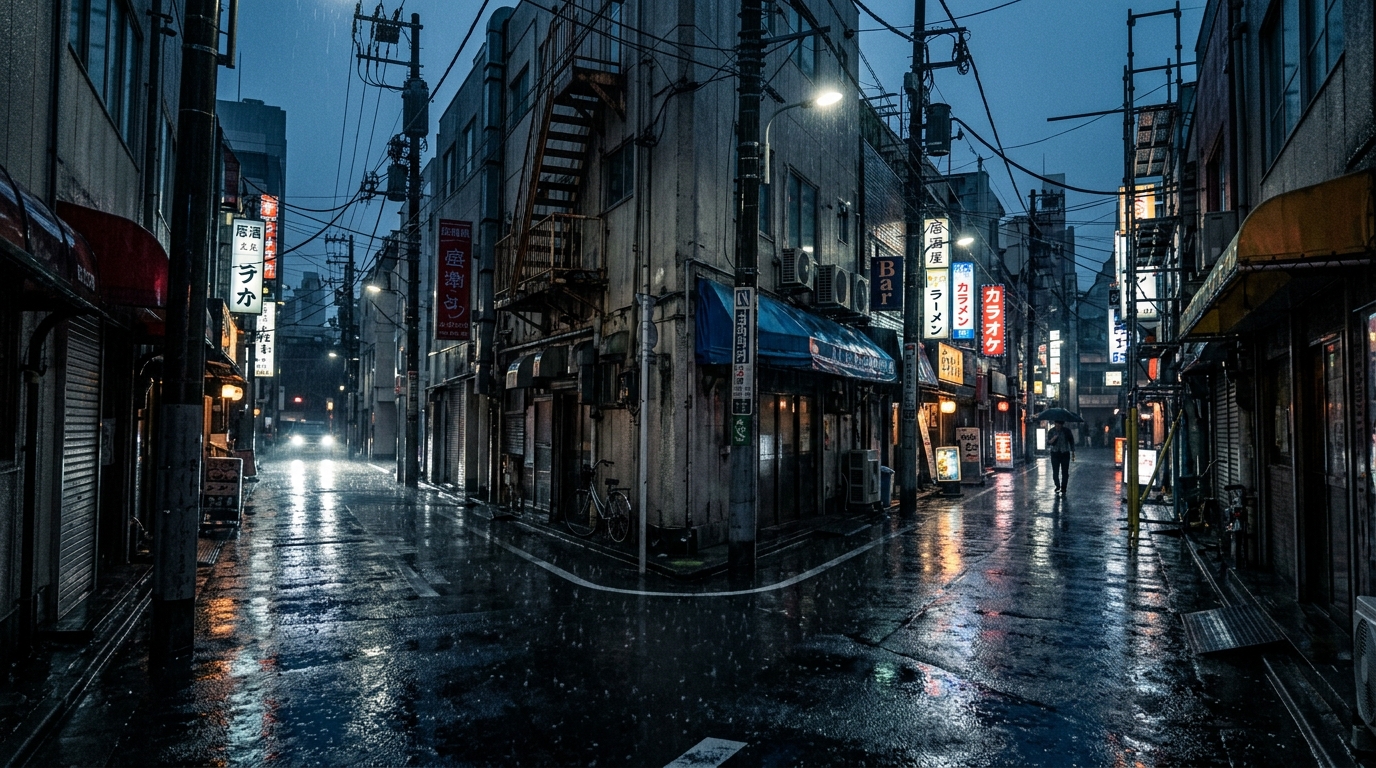
While Western audiences often associate the late-1990s J-Horror boom strictly with vengeful spirits and supernatural curses, Cure is frequently cited by scholars and critics as the movement’s crucial, grounded precursor. Alongside subsequent cultural phenomena like Ringu and Audition, Kurosawa’s film carved out a distinct market segment by leaning heavily into existential dread rather than occult phenomena. This approach significantly influenced global media consumption, proving that audiences were hungry for narratives that challenged their fundamental understanding of reality and self-control.
From an executive perspective, Cure functions much like a sophisticated social engineering attack rather than a noisy, disruptive malware breach. By utilizing long, static takes that let the tension marinate, the film quietly extracts the viewer’s sense of security. The performances of Yakusho and Hagiwara put the film on a caustic collision course, compelling audiences to check the dark corners of their own living rooms. This slow-burn methodology has heavily influenced subsequent generations of creators, establishing a high return-on-investment for filmmakers willing to prioritize atmospheric pressure over expensive, computer-generated visual effects.
The Mechanics of Mesmerism and Social Engineering
The core mechanism powering the narrative engine of Cure is rooted in the 18th-century theories of German physician Franz Mesmer and the concept of ‘animal magnetism’. Mamiya does not cast magical spells; instead, he leverages a form of psychological contagion. By asking repetitive, disorienting questions and utilizing mundane focal points like a flickering Zippo lighter or spilling water, he executes a form of hypnotic suggestion that hacks the psychological algorithms of his targets.
Mamiya’s technique does not implant new instructions; rather, it strips away the societal inhibitions that keep civilized behavior intact. The murders in the film are carried out by everyday people—teachers, doctors, police officers—who are given subconscious permission to let their repressed rage manifest. This shifts the terror from an external monster to an internal system failure, presenting the frightening notion that the only genuine ‘cure’ for the crushing burdens of societal existence is the total release of violent impulses.
The Legacy of Karappo and Existential Dread
Within the film’s chilling climax, Mamiya explicitly describes himself using the Japanese word karappo, meaning empty. He is not a mastermind with a grand manifesto, but a terrifying void—a reflective surface that bounces humanity’s darkest latent desires back onto itself. This lampoonish, verging-on-anachronism dynamic between the exasperated detective and the petulant, empty antagonist pushes the film’s tension to meteoric levels.
Ultimately, Kurosawa leaves the audience without a clean resolution. Cure refuses to offer a straight answer regarding Takabe’s final psychological state, compelling viewers to scrub back through the film in search of meaning they might have missed. It is a cinematic experience that demands continuous processing and re-evaluation, solidifying its status as an absolute masterwork that continues to decimate both its characters and audiences alike by asking the horrific question: who are we really, and what unspeakable acts would we commit if given permission?