Key takeaways
- Seafood toxins are heat-stable and easily survive boiling, freezing, and smoking processes.
- Ciguatoxin is colorless, odorless, and undetectable by standard human senses during consumption.
- Scombroid poisoning stems from histamine breakdowns when commercial refrigeration chains fail.
- Over 402 marine toxin outbreaks were reported by the CDC between 2011 and 2023.
- Rising global sea temperatures are accelerating the spread of toxic algae into new waters.
The Architectural Reality of Seafood Toxins
There is a dangerous misconception that thermal processing can neutralize all biological threats in our food supply. But when it comes to marine biotoxins, standard culinary safety measures are fundamentally ineffective. Chemical seafood toxins do not behave like the bacterial or viral pathogens that are typically destroyed by high heat. According to the latest surveillance data from the Centers for Disease Control and Prevention (CDC), these highly resilient chemical compounds easily survive boiling, deep-frying, canning, smoking, and even deep-freezing. As a result, hundreds of foodborne outbreaks tied to harmful marine algae and improperly stored sea life have been silently devastating consumers across the United States.
Between 2011 and 2023, there were 402 reported foodborne outbreaks explicitly linked to marine toxins, leading to at least 1,280 illnesses, 96 hospitalizations, and one death. However, public health experts emphasize that these numbers represent a vast underestimation of the actual crisis. Marine biotoxins are strictly chemical entities, meaning that once they enter the flesh of the fish, they become a permanent fixture of the tissue. For example, tetrodotoxin—a highly potent neurotoxin found in pufferfish (fugu)—exhibits complete resistance to extreme temperatures, retaining its lethal capability regardless of how well the fish is prepared by chefs. These chemical profiles present a massive challenge for global food safety networks that heavily rely on standard thermal thresholds to guarantee consumer safety.
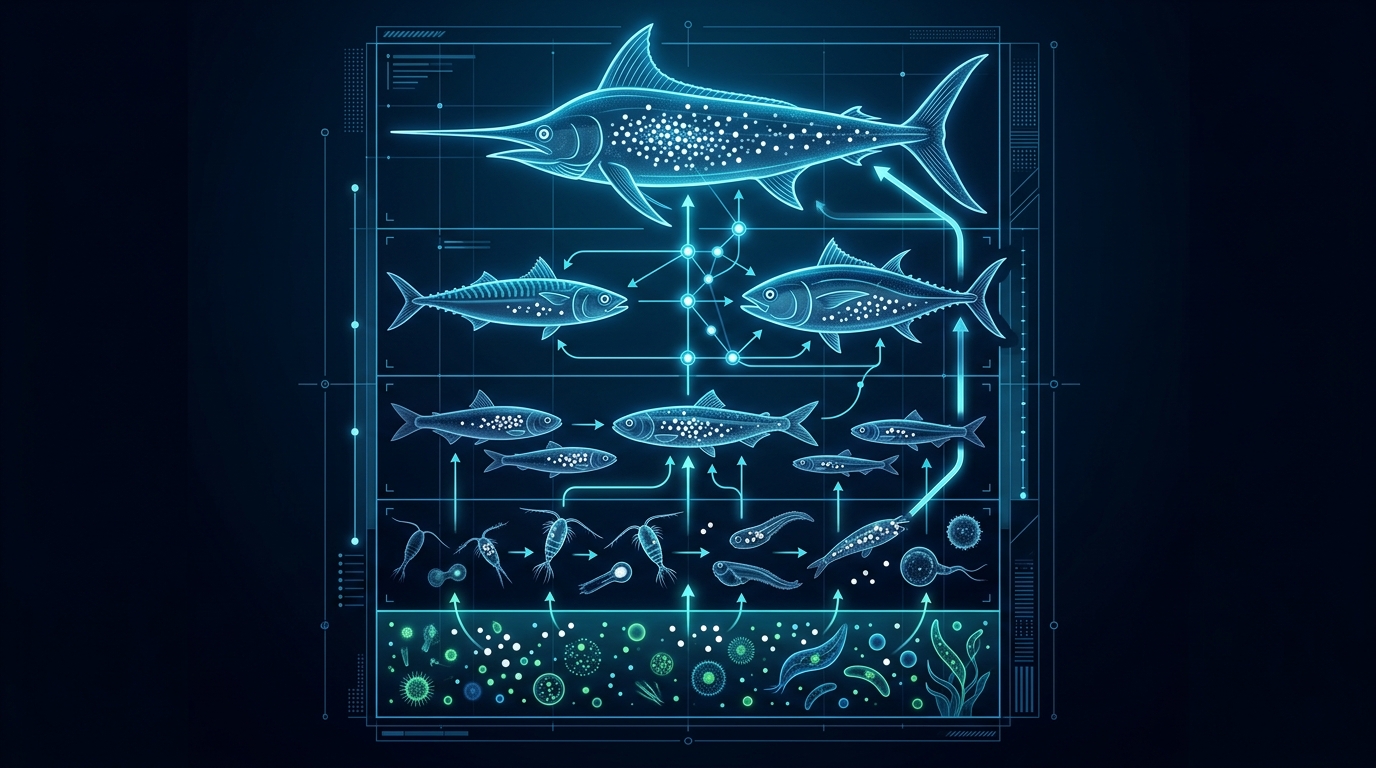
The structural reality of these outbreaks is driven by two distinct mechanisms: bioaccumulation of algal biotoxins (such as ciguatoxins) and bacterial histamine generation (scombroid poisoning). In ciguatera poisoning, the primary source is Gambierdiscus toxicus, a microscopic marine algae. Small herbivorous fish consume this toxic algae, and as they are eaten by larger predators, the toxin concentration biomagnifies up the food chain. Consequently, large predatory reef fish like barracuda, grouper, snapper, and amberjack accumulate dangerous levels of ciguatoxin. The toxin heavily concentrates in the fish’s head, roe (eggs), liver, and intestines, embedding itself into the tissue while remaining entirely colorless, odorless, and tasteless. Consumers have absolutely no sensory warning that their meal is contaminated.
Conversely, scombroid poisoning is a failure of commercial storage infrastructure rather than natural bioaccumulation. This illness primarily affects fish in the Scombridae family—such as tuna and mackerel—as well as mahi-mahi, marlin, and bluefish. When these species are caught, they naturally contain high levels of the amino acid histidine. If the fish is subjected to inadequate temperature control and left in environments exceeding 41°F (5°C), bacteria rapidly break down the histidine into histamine. Like ciguatoxin, this preformed histamine is a heat-stable chemical compound. Once formed, no amount of freezing, cooking, or canning will destroy it. Shockingly, because histamine can be unevenly distributed throughout the fish tissue, individuals eating from the exact same filet may experience drastically varying symptoms, complicating diagnosis and outbreak tracing.
Infrastructure and Diagnostic Bottlenecks
The persistence of these outbreaks reveals significant vulnerabilities in both our medical diagnostics and our global supply chain infrastructure. Currently, there are no readily available, rapid diagnostic tests for human marine toxin poisoning. When a patient presents to an emergency room with symptoms like severe gastrointestinal distress, neurological inversions (such as hot/cold temperature reversal common in ciguatera), or allergic-like flushing (common in scombroid poisoning), physicians frequently misdiagnose the illness as a standard bacterial infection or a sudden seafood allergy. This lack of point-of-care diagnostics means that countless cases go unreported to local health departments, blinding epidemiological surveillance systems.
Preventing scombroid poisoning specifically demands rigorous and unbroken cold-chain logistics. Fish must be rapidly chilled and continuously maintained at or below 5°C from the precise moment they are pulled from the water until they reach the consumer’s plate. This requires the deployment of advanced temperature control systems aboard commercial fishing vessels, inside processing facilities, and throughout transit fleets. Even a temporary fluctuation in temperature—a broken refrigeration unit on a delivery truck or a delayed transfer at a loading dock—can initiate the irreversible bacterial conversion of histidine to histamine. The resulting contaminated fish generally looks, smells, and tastes completely normal, though in some severe cases, consumers have noted a subtle “honey-combed” appearance or a sharp, metallic, peppery off-flavor.
For ciguatoxins and shellfish-associated toxins (like saxitoxin, which causes paralytic shellfish poisoning), the preventative bottleneck lies in oceanic monitoring rather than refrigeration. Because standard food safety practices regarding temperature control are entirely ineffective against ciguatera, health agencies must rely on predictive models to track harmful algal blooms. These massive blooms of toxic marine algae are heavily influenced by environmental shifts. As global sea temperatures rise, the geographic footprint of these toxic algae is expanding, bringing ciguatoxins into coastal waters previously considered safe and non-endemic. Managing this requires sophisticated oceanic data orchestration to warn local fisheries and recreational anglers before contaminated seafood is harvested.
Market Impact & Deployment

The economic and operational impacts of these resilient marine toxins are severely disrupting the seafood industry and enterprise food distribution networks. For commercial distributors, a single outbreak of scombroid or ciguatera poisoning can result in catastrophic product recalls, reputational destruction, and extensive legal liabilities. The inability to “cook out” these toxins means that safety cannot be delegated to the end-user or the restaurant chef; the absolute burden of safety must be verified upstream in the supply chain.
To combat scombroid poisoning, enterprise food logistics companies are investing heavily in automated cloud-based logistics networks and IoT thermal sensors that provide immutable, minute-by-minute temperature logs for every shipment of tuna and mahi-mahi. If a pallet of fish breaches the 41°F safety threshold at any point during transit, the system automatically flags the inventory for destruction, preventing the histamine-loaded fish from ever reaching a grocery store. This drastically increases the Total Cost of Ownership (TCO) for seafood distribution, as companies must maintain highly redundant cooling systems and continuous real-time data tracking.
However, mitigating ciguatoxin remains a far more complex market challenge. Because the toxin originates naturally in the environment and cannot be mitigated post-harvest through any known processing method, the primary defense mechanism is geographic sourcing and species avoidance. Nearly 95% of the CDC’s tracked marine toxin outbreaks involved either scombroid toxins (192 outbreaks) or ciguatoxins (189 outbreaks). Interestingly, the CDC data noted that most outbreaks caused by ciguatoxin and shellfish-associated toxins were linked to recreationally harvested seafood rather than commercial catches. This places the burden heavily on local health departments to issue targeted messaging and fishing advisories based on real-time environmental sampling.
The Consumer Translation
For the everyday consumer, the realization that cooking does not eliminate all foodborne threats requires a fundamental paradigm shift in how we approach seafood consumption. We have been culturally conditioned to believe that applying high heat purifies our food. The revelation that a thoroughly grilled snapper could harbor undetectable, heat-stable ciguatoxins—or that a perfectly seared tuna steak could trigger a severe histamine reaction due to invisible storage failures—is deeply unsettling.
While many cases of marine toxin poisoning result in mild to moderate gastrointestinal distress or temporary allergic-like symptoms, the long-term consequences can be severe. Certain individuals suffering from ciguatera poisoning experience debilitating neurological symptoms that persist for months or even years, profoundly degrading their quality of life. The severity of shellfish toxin outbreaks is also notable; the CDC report highlighted that while shellfish-related incidents were less common, they were disproportionately severe, with at least 25% of reported illnesses requiring hospitalization.
Consumers can protect themselves by sourcing seafood from highly reputable vendors who can guarantee strict adherence to unbroken cold chains, significantly reducing the risk of scombroid poisoning. When dining out or purchasing fish, specifically high-risk species like tuna and mackerel, consumers must trust that the restaurant’s food handlers and the upstream importers understand the critical nature of temperature control. Regarding ciguatera and shellfish toxins, individuals engaging in recreational fishing must remain highly vigilant, diligently checking local health advisories for warnings about algal blooms before casting their lines. Ultimately, addressing this escalating public health threat demands a combination of sophisticated technological tracking, aggressive environmental monitoring, and widespread public education.
Frequently Asked Questions
Q1: Can cooking fish destroy seafood toxins?
A1: No. Seafood toxins like ciguatoxin and histamine are completely heat-stable chemical compounds that survive boiling, freezing, and smoking.
Q2: How can I tell if my fish has ciguatoxin?
A2: You cannot organically detect it. Ciguatoxin is completely colorless, odorless, and tasteless, making it impossible to identify without specialized laboratory diagnostics.
Q3: What causes scombroid fish poisoning?
A3: Scombroid poisoning happens when fish are improperly stored above 41°F (5°C), allowing bacteria to break down the amino acid histidine into toxic histamine.
Q4: What types of fish carry these toxins?
A4: Ciguatoxin is typically found in predatory reef fish like barracuda, grouper, and snapper, while scombroid toxins affect tuna, mackerel, and mahi-mahi.
TechNode HQ Verdict: Pros, Cons & Usability
- Pro (Engineering): The integration of real-time IoT temperature sensors across the cold chain provides definitive, mathematically verifiable safety against scombroid histamine generation.
- Pro (Consumer): Enhanced awareness and localized oceanic advisory systems empower recreational fishermen to avoid harvesting during dangerous, unseen algal blooms.
- Con: The total lack of rapid, point-of-care diagnostic testing results in massive underreporting and misdiagnoses by emergency room personnel.
- Con: Ciguatoxin’s heat-stable and invisible nature creates a terrifying vulnerability where standard thermal food processing offers absolutely zero protection.
Enterprise Usability: Commercial food distributors must immediately deploy redundant, blockchain-verified thermal tracking systems for all Scombridae transport to shield against immense liability.
Everyday Usability: Consumers should continue enjoying seafood but must ruthlessly vet their purveyors and heed local environmental warnings, particularly when consuming large predatory reef fish.