Key takeaways
- U.S. Air Force engineer Jeffrey Sovern faces criminal charges for destroying Flock Safety cameras.
- The surveillance backlash highlights growing public concern over warrantless ALPR data collection and tracking.
- Sovern’s legal defense fund surpassed $22,000, revealing significant grassroots support against AI surveillance.
- Flock Safety systems capture vehicle make, model, color, and plates to create searchable databases.
- Recent class-action lawsuits allege Flock violated privacy laws through illegal data sharing practices.
The rapid expansion of AI-powered surveillance networks across American neighborhoods has ignited a fierce debate over civil liberties, culminating in a striking case of vigilantism against Flock Safety cameras. Jeffrey Sovern, a 41-year-old U.S. Air Force engineer and mechanic hailing from Virginia, currently finds himself at the epicenter of this technological culture war. Between April and October of 2025, Sovern allegedly dismantled and destroyed more than a dozen automated license plate reader (ALPR) systems, taking a physical stand against what he and many privacy advocates perceive as an unconstitutional overreach. His actions have not only resulted in severe criminal charges but have also struck a chord with thousands of citizens increasingly wary of the ever-watchful eyes of modern surveillance infrastructure.
Sovern is currently facing a daunting array of criminal charges. The prosecution has brought forward 13 counts of destruction of property, alongside six counts of petit larceny and six counts of possession of burglary tools. According to the allegations, the engineer utilized his mechanical expertise to methodically take down the equipment, employing tools to disassemble the two-piece mounting poles of the cameras. Law enforcement officials claim that some of the removed camera equipment was recovered directly from Sovern’s residence, while other integral components were allegedly thrown from highway overpasses in a bid to permanently disable the tracking network.
In response to the mounting legal pressure, Sovern has entered a plea of not guilty. His defense rests on a profound constitutional argument: he contends that the pervasive deployment of these camera systems is fundamentally unconstitutional, representing a gross violation of Fourth Amendment privacy rights. While his methods may have been unorthodox and legally perilous, his underlying message has resonated deeply with a significant segment of the population. Seeking support for his impending legal battles, Sovern launched a GoFundMe campaign with a modest initial goal of $8,500. By early July 2026, the campaign had exploded, amassing over $22,000 from more than 600 individual donors. These supporters view his actions not as mere vandalism, but as privacy-minded direct action against a burgeoning AI-powered surveillance state. To them, Sovern is a whistleblower and a freedom lover, fighting back against an intrusive system that monitors the daily movements of innocent civilians.
The Architectural Reality of Flock Safety Cameras

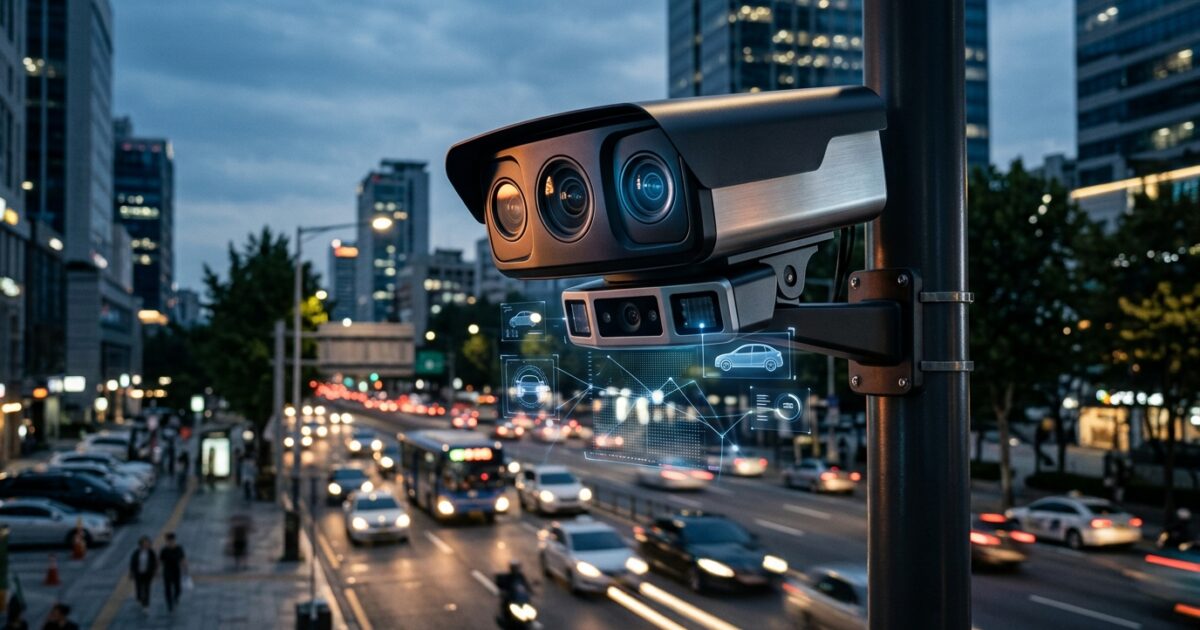
To truly understand the controversy, one must dissect the underlying hardware and software mechanics of the technology in question. Flock Safety cameras are not simple closed-circuit television feeds; they are sophisticated edge computing devices designed for mass data ingestion and real-time analysis. Armed with advanced machine learning algorithms, these systems do much more than simply photograph a passing vehicle. They are engineered to perform complex object recognition at high speeds, capturing detailed vehicle attributes such as color, make, model, and, crucially, the license plate alphanumeric characters, regardless of lighting conditions or weather.
The hardware architecture typically features a high-definition optical sensor paired with infrared illuminators, ensuring continuous operational capability throughout the night. The data is processed locally on the device—an application of edge computing that reduces latency and bandwidth requirements—before the extracted metadata and corresponding images are transmitted via LTE cellular networks to a centralized cloud-based infrastructure. This architectural choice transforms passive video capture into a highly structured, queryable database. Think of this system as an omnipresent digital toll booth network, where every vehicle’s journey is silently logged, cataloged, and indexed, rendering real-world physical movements instantly searchable just like a Google query.
Once the data reaches the cloud, it is aggregated into a massive, searchable repository. Law enforcement agencies and private communities can set up real-time alerts for specific “hotlist” vehicles, such as stolen cars or vehicles associated with amber alerts. However, the sheer volume of data collected extends far beyond suspicious vehicles. The system fundamentally operates on a model of ubiquitous capture, meaning the daily commutes, grocery runs, and school drop-offs of millions of unassociated individuals are perpetually tracked and stored. This shift from targeted surveillance to blanket data collection represents a monumental leap in the capabilities of civil monitoring technologies.
Software Mechanics and Data Retention
At the software level, the AI models powering these devices are continuously trained to improve their accuracy. They utilize a form of vehicle fingerprinting, enabling the system to identify a specific car even if the license plate is obscured or removed, by relying on unique characteristics like bumper stickers, roof racks, or distinct dents. This capability underscores the sophistication of the neural networks involved. From a data architecture perspective, the challenge lies in managing the petabytes of images generated daily. The data retention policies vary by jurisdiction and client configuration, but the default state often allows for historical querying over extended periods, creating an indelible digital footprint of localized vehicular movement.
Infrastructure Vulnerabilities and Red Team Audit
Despite the sophisticated marketing rhetoric surrounding edge computing and AI capabilities, a red team audit of these systems reveals notable architectural vulnerabilities. The reliance on standalone solar power, while excellent for rapid deployment, introduces critical points of failure during extended periods of inclement weather or mechanical degradation of the panels. More importantly, the hardware itself is largely exposed to the physical domain. The two-piece mounting poles, while designed for quick installation, are susceptible to the exact mechanical disassembly tactics allegedly employed by Jeffrey Sovern. Furthermore, from a cybersecurity perspective, the LTE backhaul transmitting sensitive, unencrypted or lightly encrypted metadata presents an attack surface for man-in-the-middle (MitM) interceptions. The marketing fluff often emphasizes “military-grade encryption,” but the reality of securing thousands of remote, physically accessible IoT endpoints against state-sponsored actors or sophisticated hacktivist collectives remains a daunting challenge that the industry has yet to fully solve.
Market Impact and Deployment
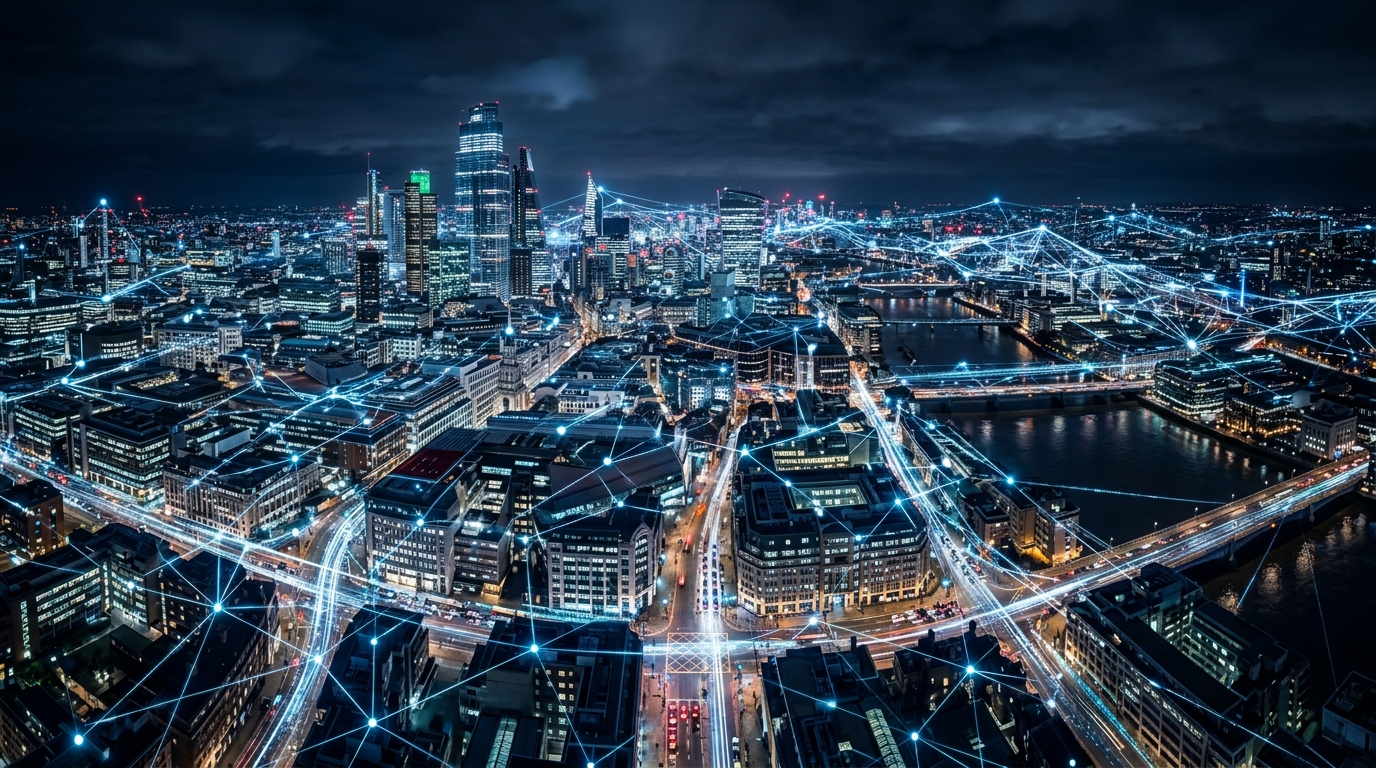
The rapid proliferation of ALPR technology has generated a massive new sector within enterprise IT deployments and municipal security. For C-level executives in the security and urban planning sectors, the ROI translation of these systems is compelling. Flock Safety operates primarily on a hardware-as-a-service (HaaS) subscription model, charging a recurring annual fee per camera (often around $2,500 to $3,000) rather than a large upfront capital expenditure. This significantly lowers the barrier to entry, allowing resource-constrained municipalities, homeowners’ associations (HOAs), and commercial property managers to deploy enterprise-grade surveillance networks with minimal friction.
The Total Cost of Ownership (TCO) is further optimized by the system’s reliance on solar power and wireless LTE connectivity, which eliminates the need for expensive trenching, wiring, and localized networking infrastructure. This plug-and-play scalability has allowed companies like Flock Safety to capture a vast market share in record time, transforming the landscape of localized security. The revenue scaling for these surveillance providers has been exponential, driven by high retention rates and the powerful network effects created when neighboring jurisdictions link their databases together, creating a unified surveillance mesh.
However, this rapid market expansion is not without significant enterprise risk. The pushback represented by individuals like Jeffrey Sovern highlights a hidden cost: the vulnerability of physical assets located in public spaces. When citizens perceive a technology as hostile, the physical hardware becomes a target. The recurring cost of replacing vandalized cameras, repairing damaged poles, and dealing with the associated downtime must now be factored into the risk models of deploying organizations. Furthermore, the reliance on continuous cloud connectivity introduces vulnerabilities to cellular outages and potential supply chain attacks targeting the firmware of the edge devices.
Cross-Industry Disruption
Beyond traditional law enforcement, the ubiquity of ALPR data is disrupting several vastly different industries. In the insurance sector, access to historical vehicle location data provides a powerful new tool for fraud detection, allowing investigators to verify claims regarding vehicle garaging locations or the circumstances of an accident. Urban planners and civil engineers are leveraging anonymized traffic flow data to optimize road networks and signal timings, relying on the high-fidelity throughput metrics these cameras generate. Additionally, the real estate market is seeing a shift, as gated communities and HOAs increasingly market the presence of AI surveillance as a premium amenity, directly impacting property values and community management strategies.
The Hidden Costs of Compliance and Litigation
As the regulatory environment surrounding data privacy becomes increasingly stringent, companies deploying ALPR systems face escalating compliance costs. Operating a network that persistently logs the movements of millions of citizens requires sophisticated data lifecycle management, including automated purging mechanisms, secure access logging, and robust encryption protocols both at rest and in transit. The 2026 class-action lawsuit filed in California is indicative of a broader legal trend; plaintiffs are aggressively targeting the lack of transparency in how this data is commodified and shared among disparate jurisdictions and private third parties. For enterprise buyers, this means that the software licensing agreement is no longer a simple transaction. It is a commitment to navigating a complex web of legal liabilities, where a single data breach or unauthorized access incident by a rogue employee can result in catastrophic reputational damage and millions in punitive damages. The TCO models must now incorporate significant legal reserves and cybersecurity insurance premiums, altering the fundamental calculus of surveillance economics.
The Consumer Translation
For the worldwide public, the highly technical shift toward AI-integrated surveillance represents a profound alteration of the social contract. The consumer translation of this technology is the stark realization that anonymity in public spaces is rapidly disappearing. Privacy advocates and civil liberties organizations have raised intense alarms over the implications of such systems. They argue that accessing a centralized database of comprehensive vehicle location data without a judicial warrant constitutes an unreasonable search, striking at the very heart of the Fourth Amendment.
The legal landscape surrounding this issue remains highly contentious. Historically, several courts have held that the use of ALPRs to capture vehicle images on public roads does not violate the Fourth Amendment, operating under the precedent that individuals have no reasonable expectation of privacy regarding their movements in plain view. However, critics argue that the scale and scope of modern AI surveillance fundamentally change the nature of the tracking. It is no longer a matter of a single officer observing a car; it is the automated, retroactive capability to reconstruct the intricate patterns of a person’s life over weeks or months based on their driving habits.
The backlash is increasingly moving from physical vigilantism to the courtroom. In 2026, a major class-action lawsuit was filed against Flock Safety, alleging that the company violated California privacy laws and engaged in the illegal sharing of personal data. This litigation underscores the growing public anxiety over data ownership, consent, and the potential for abuse by bad actors or overzealous authorities. The fear is that the aggregation of this data could be used to target marginalized communities, track individuals visiting sensitive locations such as medical clinics or places of worship, and facilitate a chilling effect on the freedom of association.
The Ethics of the Surveillance State
The case of Jeffrey Sovern serves as a flashpoint in a much larger, ongoing dialogue about the ethics of the surveillance state. While law enforcement agencies highlight the technology’s effectiveness in recovering stolen vehicles and solving violent crimes, the public is increasingly questioning whether the cost to civil liberties is too high. When hundreds of citizens are willing to financially support a man accused of destroying over a dozen cameras with chainsaws and garbage bags, it reveals a deep-seated distrust of the systems monitoring them. The balance between public safety and personal privacy is delicate, and the unchecked deployment of AI tracking networks threatens to tip the scales irrevocably.
As these technologies continue to evolve, incorporating facial recognition and multi-modal sensory inputs, the need for robust legislative frameworks and transparent data governance becomes paramount. Consumers must navigate a reality where their physical presence is constantly digitized and analyzed. The destruction of these cameras in Virginia may be an extreme form of protest, but it reflects a mainstream desire for digital autonomy and a rejection of the premise that technological capability automatically justifies implementation.
Frequently Asked Questions
Q1: What are Flock Safety cameras designed to do?
A1: Flock Safety cameras are automated license plate readers that capture vehicle details, including color, make, model, and plates, to build a searchable database for law enforcement and private communities.
Q2: Why was Jeffrey Sovern arrested?
A2: Jeffrey Sovern, a 41-year-old U.S. Air Force engineer, was charged with 13 counts of property destruction and other offenses for allegedly destroying over a dozen Flock cameras in Virginia.
Q3: How are privacy advocates responding to Flock Safety systems?
A3: Privacy advocates argue that accessing Flock’s extensive vehicle location database without a warrant constitutes an unreasonable search and violates Fourth Amendment rights.
Q4: Has the public supported the destruction of these cameras?
A4: Yes, Sovern’s GoFundMe campaign for his legal defense quickly raised over $22,000 from more than 600 donors, signaling strong public support for his actions.
Q5: Are automatic license plate readers considered legal?
A5: Several courts have previously held that capturing vehicle images on public roads does not violate the Fourth Amendment, though a 2026 class action lawsuit challenges Flock’s data sharing practices.
TechNode HQ Verdict: Pros, Cons & Usability
- Pro (Engineering): Plug-and-play solar and LTE infrastructure dramatically lowers deployment costs and eliminates traditional networking constraints.
- Pro (Consumer): Highly effective at identifying vehicles involved in crimes, particularly in amber alert or stolen vehicle scenarios.
- Con: Severe vulnerability to physical vandalism, introducing unpredictable maintenance costs and hardware replacement liabilities.
- Con: Substantial legal and ethical risks regarding data retention, third-party sharing, and compliance with evolving state privacy regulations.
Enterprise Usability: For C-level executives in security and municipalities, ALPR systems offer incredible data harvesting capabilities at a low initial TCO. However, deployments must be accompanied by stringent data governance policies, transparent public communication, and a robust physical security protocol to mitigate community backlash and legal exposure.
Everyday Usability: For the general public, there is no “opt-out” mechanism for this technology. Citizens must operate under the assumption that their vehicular movements in equipped areas are being logged and stored. Advocacy for legislative oversight and strict warrant requirements remains the primary avenue for protecting individual privacy against ubiquitous monitoring.