Key takeaways
- The base iPhone 17 eliminates the “Pro tax” by including a 1-120Hz display and 48MP cameras.
- iPhone 17 Pro Max achieves unprecedented battery life and computational power via the A19 Pro.
- iPhone 18 leaks reveal a leap to 2nm A20 Pro chips and 12GB RAM for advanced local AI.
The Best iPhone 2026: Architectural Reality
Choosing the best iPhone 2026 requires looking beyond surface-level aesthetics and diving deeply into the silicon capabilities, battery telemetry, and computational infrastructure powering Apple’s latest hardware. As of July 2026, the current flagship iPhone lineup is unequivocally the iPhone 17 series, representing a major convergence between the standard and premium tiers. For enterprise IT leaders and everyday consumers alike, the mobile device is no longer just a communication tool; it is a vital node for localized machine learning and secure compute. In this comprehensive technical analysis, we will parse the architectural realities of the iPhone 17, the 17 Pro Max, the ultra-thin iPhone Air, and the budget-conscious 17E, while forecasting the disruptive potential of the impending iPhone 18.
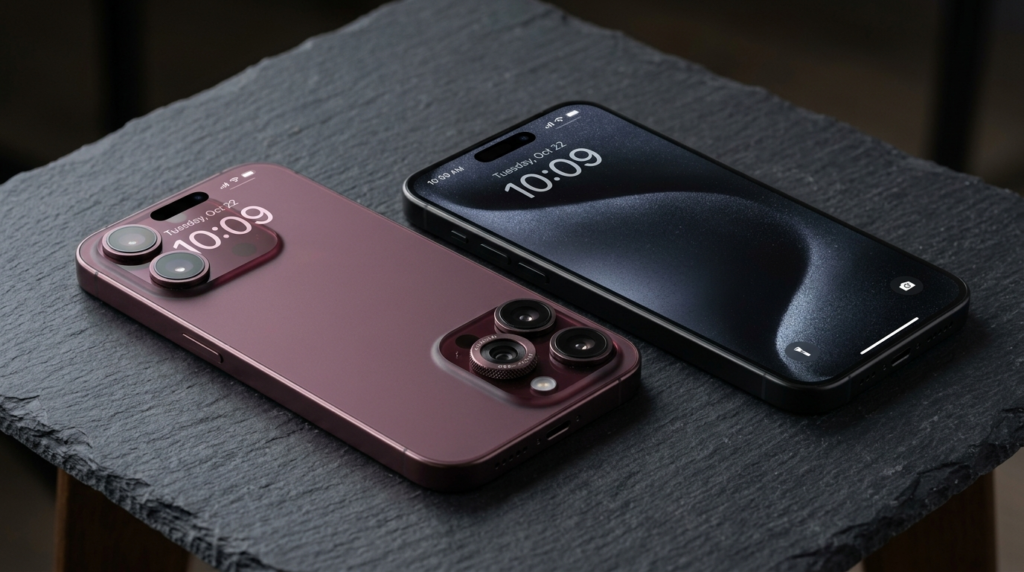
The technological chasm that historically separated Apple’s baseline models from its “Pro” tier has finally been bridged. The iPhone 17 effectively eliminates the dreaded “Pro tax.” By integrating a 1-120Hz Low-Temperature Polycrystalline Oxide (LTPO) display into the standard $829 iPhone 17, Apple has fundamentally upgraded the baseline user experience. This hardware trickledown allows for remarkably smooth scrolling, dynamic frame-rate adjustments that aggressively conserve battery life, and the highly requested always-on display functionality that keeps vital notifications visible at a glance.
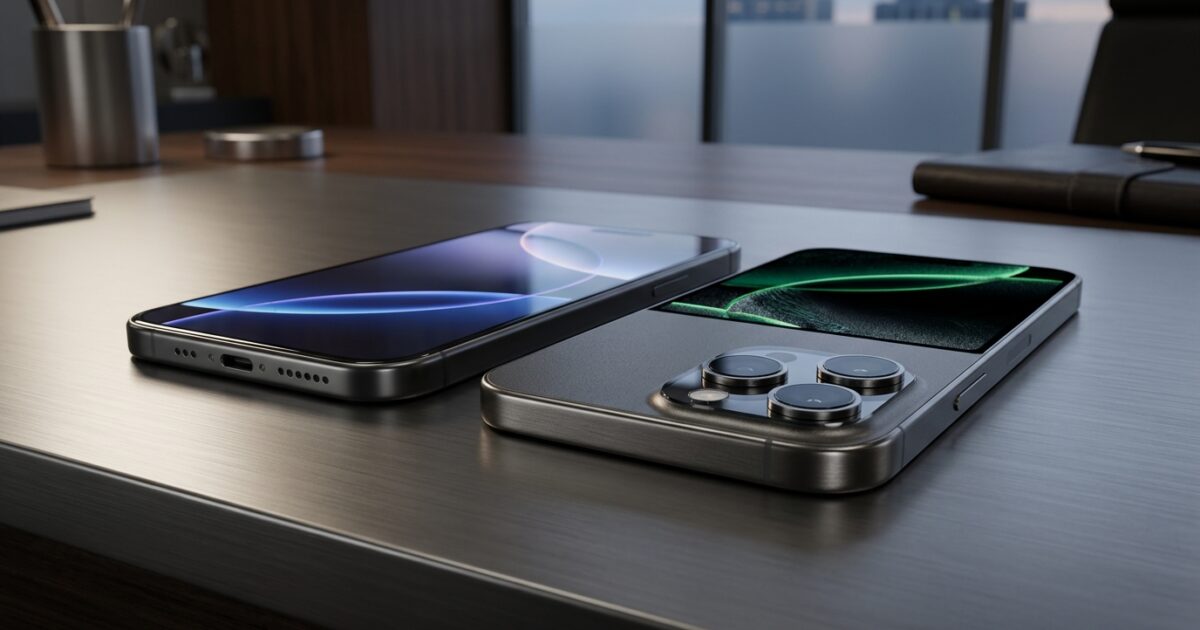
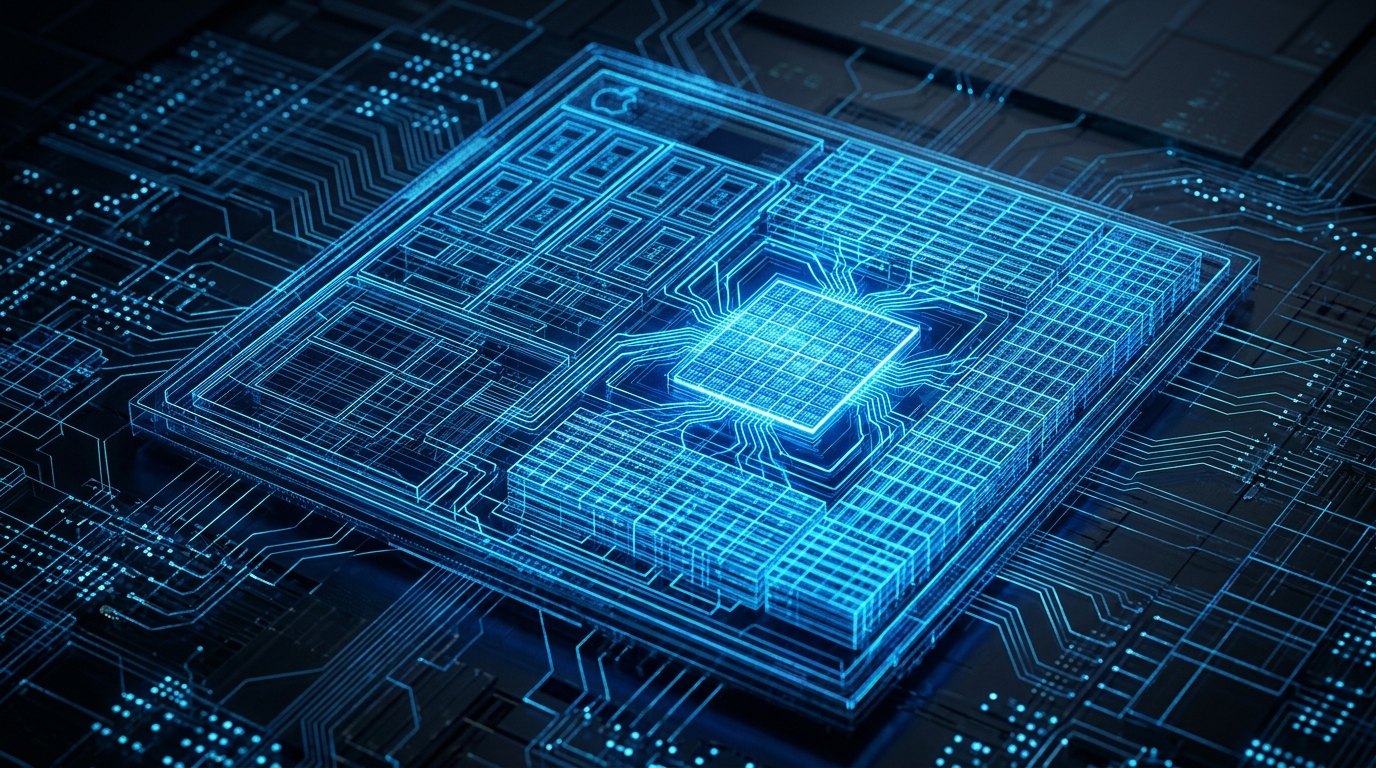
Underneath the Ceramic Shield 2 glass—which itself provides a threefold improvement in scratch resistance over legacy models—beats the heart of next-generation silicon. The standard iPhone 17 utilizes the highly efficient A19 chip, while the premium tiers upgrade to the formidable A19 Pro. This chipset is a marvel of mobile engineering, driving a massive transition to 48-megapixel sensors across all optical lenses. The Pro models now feature a 4x 48MP telephoto lens, representing a staggering 56% increase in sensor size. This drastically improves localized image processing, pixel binning, and dynamic range without offloading raw data to cloud servers.
Market Impact & Deployment

From a Total Cost of Ownership (TCO) perspective, standardizing on the iPhone 17 across a massive corporate fleet presents a highly compelling Return on Investment (ROI) for enterprise CIOs. The enhanced battery telemetry—vividly demonstrated by the iPhone 17 Pro Max, which CNET lab testing confirmed has the best battery life of any phone ever tested—directly translates to fewer charging cycles and diminished cell degradation over a typical three-to-four-year deployment lifecycle.
Furthermore, the integration of iOS 26 means that Apple Intelligence can operate securely on-device. With the base iPhone 17 now starting at 256GB of storage, enterprise users have the necessary local capacity to cache machine learning models and large datasets. Features like Live Translation, Call Screening, and the revamped Liquid Glass user interface operate seamlessly without introducing the latency or compliance risks associated with transmitting corporate data over public networks.
Interestingly, supply chain intelligence indicates that Apple is currently adjusting its production yields for the iPhone 17 series in active anticipation of the upcoming iPhone 18 cycle. This signals a calculated logistical pivot, confirming that the current market saturation of the iPhone 17 is paving the way for a massive leap in generative capabilities in the coming year.
Cross-Industry Disruption: Healthcare and Logistics
This leap in mobile architecture is not confined strictly to the technology sector; it actively disrupts vastly different industries. In healthcare, the integration of high-resolution 48MP sensors and massive local processing power enables medical professionals to capture diagnostic-quality imagery right from their pockets. By running predictive machine learning models locally on the device, hospitals can ensure strict compliance with HIPAA privacy regulations, as sensitive patient data never leaves the encrypted enclave of the iPhone.
In the field of global logistics, engineering, and construction, the physical durability of the device is paramount. The introduction of the ultra-tough Ceramic Shield 2, combined with advanced satellite-based Emergency SOS, provides remote workers with a highly durable, persistently connected compute node. This drastically reduces hardware breakage rates and improves occupational safety in hostile or remote operating environments where Wi-Fi and cellular connections are unreliable.
The Consumer Translation
While enterprise IT architects focus strictly on TCO and silicon infrastructure, the consumer market remains heavily driven by aesthetics, usability, and price-to-performance ratios. Enter the iPhone Air, priced at $999. The Air is the ultimate refresh for users demanding a strikingly lightweight and futuristic device. Measuring a mere 5.6mm thick and weighing just 165 grams, the Air utilizes a premium titanium frame and Ceramic Shield to prevent structural bending. However, this aesthetic marvel requires steep compromises: it utilizes a single rear 48-megapixel camera, is restricted to sluggish 20W charging, and features a scaled-back speaker system.
On the opposite end of the spectrum, the iPhone 17E and the discounted iPhone 16 serve as the entry points for the broader ecosystem. At $599, the iPhone 17E brings the powerful A19 chip, MagSafe connectivity, and a 256GB base storage capacity to budget-conscious buyers. Despite retaining thicker bezels and a legacy 60Hz display, it democratizes access to next-generation edge AI capabilities for the masses.
Think of Apple’s smartphone strategy like managing a commercial airline fleet. The iPhone 17 is the reliable, long-haul Boeing 787—efficient and equipped with premium features that used to be strictly reserved for first class. The iPhone 17 Pro models are the specialized heavy-lift cargo planes, engineered with massive RAM buffers and advanced sensor arrays for heavy computational lifting. Finally, the iPhone Air is the sleek corporate jet—built exclusively for aesthetic speed and style, deliberately sacrificing the heavy cargo capacity of the larger vessels.
Looking Ahead: The iPhone 18 and Foldable Disruption
Even as the iPhone 17 dominates the 2026 market, verified leaks point to a massive architectural shift arriving in September 2026 with the introduction of the iPhone 18 series. The Pro lineup of the iPhone 18 is expected to be powered by the groundbreaking 2nm A20 Pro chipset, pushing the boundaries of transistor density, thermal efficiency, and sheer processing power.
Crucially, the iPhone 18 Pro models are heavily rumored to feature a staggering 12GB of RAM. This memory upgrade is not merely for multitasking fluidly; it is a hard infrastructural requirement to support advanced, localized Apple Intelligence features, completely bypassing the latency and privacy concerns of cloud-based inference. On the optical front, the iPhone 18 Pro will reportedly include a custom-developed Sony IMX905 sensor and a variable aperture main camera, allowing for true mechanical depth-of-field control and vastly superior low-light performance. Furthermore, internal redesigns suggest a 35% reduction in the size of the Dynamic Island, recovering valuable screen real estate.
Beyond traditional slab designs, a foldable “iPhone Ultra” device is highly anticipated. Expected to feature a sprawling 7.7-inch inner folding display paired with a 5.3-inch outer display, this device targets the ultra-premium productivity sector. While the Pro and foldable models are slated for September 2026, Apple may adopt a staggered rollout strategy, with the standard iPhone 18 models potentially arriving later in spring 2027.
Frequently Asked Questions
Q1: Which device is currently the best iPhone 2026 value?
A1: The base iPhone 17 is universally recognized as the best all-rounder, offering a 1-120Hz ProMotion display and a 48MP camera array at an $829 starting price.
Q2: What is the main difference between the iPhone 17 and iPhone 17 Pro?
A2: The Pro models feature a 4x 48MP telephoto lens, significantly larger battery capacities, and the advanced A19 Pro chipset required for the heaviest computational processing.
Q3: Should I wait for the upcoming iPhone 18?
A3: If your workflows require massive local AI processing, the iPhone 18 Pro is slated for September 2026 with a 2nm A20 Pro chip and a substantial upgrade to 12GB of RAM.
TechNode HQ Verdict: Pros, Cons & Usability
- Pro (Engineering): 1-120Hz LTPO display technology and 48MP sensors are now standard on the base iPhone 17 model.
- Pro (Consumer): The iPhone 17 Pro Max delivers the longest-lasting battery endurance ever recorded in standardized lab testing.
- Con: The $999 iPhone Air forces users into extreme hardware compromises, including a single rear lens and 20W charging.
- Con: Enterprise fleets waiting for advanced local generative AI will need the 12GB RAM hardware buffer coming exclusively to the iPhone 18 Pro.
Enterprise Usability: CTOs and fleet managers should confidently deploy the iPhone 17 as the standard corporate device due to its 7-year software lifecycle and reduced breakage rates from Ceramic Shield 2. However, power users requiring intense local machine learning should delay procurement until the 12GB RAM iPhone 18 Pro launches.
Everyday Usability: For the general public, the base iPhone 17 is the ultimate purchase. It effectively kills the “Pro tax” by offering flagship-tier features at a reasonable starting price, ensuring excellent longevity and unparalleled daily performance.