Key takeaways
- GLP-1 drugs cause gastric slowing, making extreme protein and fiber density medically essential.
- Specialized GLP-1 meal delivery platforms offer 6 to 8 grams of protein per 100 calories to combat sarcopenia.
- High-fiber, low-fat meal logistics ease glycemic control and the chronic constipation associated with delayed gastric emptying.
The Architectural Reality of GLP-1 Meal Delivery

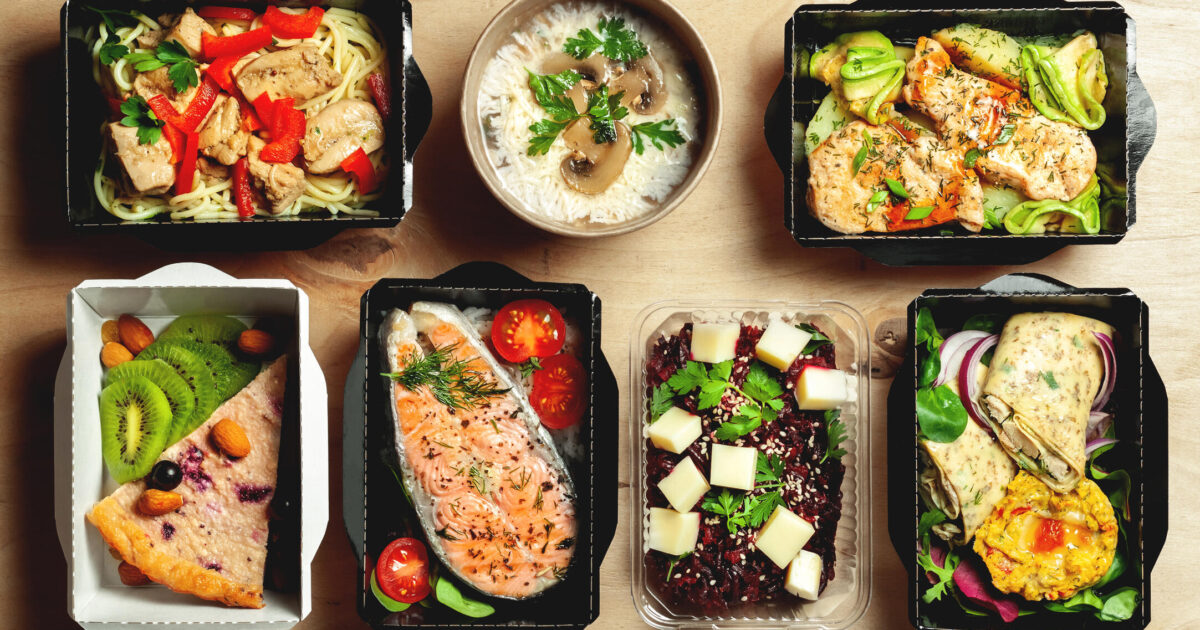
As the adoption of breakthrough weight-loss pharmaceuticals scales globally, a secondary, highly critical infrastructural challenge has emerged: acute malnutrition and muscle wasting. The biological mechanics of these drugs fundamentally throttle the human digestive system’s throughput, making traditional eating habits not only physically uncomfortable but medically detrimental. To solve this physiological bottleneck, a new tier of specialized GLP-1 meal delivery services has rapidly deployed to re-engineer how patients consume their daily calories. By prioritizing extreme nutrient density, highly optimized protein ratios, and gastrointestinal comfort, these platforms are functioning as the essential patch to a major biological software update.
At a physiological level, GLP-1 (Glucagon-like peptide-1) receptor agonists—the class of advanced therapeutics driving brand names such as Ozempic, Mounjaro, and Wegovy—operate by mimicking the exact hormones the human body naturally synthesizes to manage blood sugar, curb appetite, and dramatically slow gastric emptying. Gastric emptying is the physical rate at which the stomach processes and ejects ingested food into the duodenum. When this mechanical pipeline is slowed via pharmaceuticals, the physical capacity for volumetric throughput effectively collapses. The system simply cannot process large inputs without triggering severe nausea, reflux, and prolonged gastrointestinal distress.
Taking a GLP-1 medication is akin to upgrading an enterprise database to process complex analytics while simultaneously throttling its network bandwidth to a fraction of its original capacity. Because the overall data throughput (the total volume of food) is artificially throttled to prevent biological system overload, every packet of data (every single bite) must be heavily compressed with essential, mission-critical code—specifically lean protein, dietary fiber, and micronutrients. Failure to compress this nutritional data ensures that the biological system will inevitably crash from latency issues, such as chronic constipation, or systemic failure due to acute malnutrition.
Engineering Nutritional Density and Macro Compression
When total caloric intake plummets due to chemically suppressed hunger, the mathematical probability of developing severe nutritional deficiencies skyrockets. This is not inherently a fault of the drug’s chemistry, but rather a direct byproduct of a steep decline in overall food intake. Clinical dietitians and nutritional scientists, such as Juliana Vocca, warn that protein, dietary fiber, and advanced hydration protocols are the three non-negotiable pillars of a successful GLP-1 dietary architecture. Protein is paramount because rapid, medically-induced weight loss invariably strips away lean muscle mass alongside adipose tissue—a dangerous condition known as sarcopenia. To preserve lean muscle mass and maintain a healthy basal metabolic rate, patients are medically advised to aim for 1.2 to 2 grams of protein per kilogram of body weight, which translates to a demanding 90 to 150 grams of daily protein.
Hitting these high-protein thresholds while battling a suppressed appetite requires extreme precision engineering. The leading GLP-1 meal delivery platforms engineer their menus to provide an optimized ratio of roughly 6 to 8 grams of protein per 100 calories. This density allows patients to meet their macronutrient thresholds without overwhelming their sluggish gastrointestinal tracts. For instance, the BistroMD GLP-1 program is heavily specialized in providing adequate lean protein to preserve lean muscle tissue during rapid weight loss, alongside higher fiber meals specifically designed to aid digestion and help improve glycemic control. These GLP-1 friendly meals provide strictly controlled portions to avoid the need to eat large, heavy meals when appetite is critically low, and are purposefully lower in fat to lessen the severe gastrointestinal discomfort associated with delayed gastric emptying.
In addition to massive macronutrient balancing, the micronutrient architecture of a patient’s diet must be heavily optimized. The drastically restricted food volume creates an immediate deficit in Vitamin D, Calcium, Iron, and B Vitamins. Nutritional experts recommend fortified dairy, mushrooms, and fatty fish for Vitamin D, often supplemented with 1000-2000 IU taken with a fat-containing meal to support absorption. Because calcium and iron biologically compete for absorption pathways in the gut, taking them simultaneously is a critical error. Dietitians structure meal plans to separate these inputs, pairing iron-rich lentils, spinach, or fortified cereals with Vitamin C to dramatically increase bioavailability. It is a level of rigorous dietary complexity that frequently necessitates automated nutritional evaluation and platform benchmarking to ensure patients are not slowly starving their bodies of vital minerals while rapidly losing weight.
Market Impact & Deployment in Food Logistics
The explosive surge in GLP-1 prescriptions has sent shockwaves through the broader food industry, forcing a rapid pivot in how logistics and deployment infrastructure handle consumable goods. Traditional meal delivery services built their financial models on high-calorie, highly palatable comfort foods. However, the modern GLP-1 user represents a fundamentally different demographic with strict medical requirements: they demand low-volume, high-tolerability, and immensely nutrient-dense meals. This paradigm shift has given rise to the booming GLP-1 meal delivery economy, transforming standard food prep companies into vertically integrated health, wellness, and pharmaceutical logistical powerhouses.
Among the most highly reviewed enterprise-level solutions is BistroMD, which offers a proprietary program boasting over 150 dietitian-designed meals specifically purpose-built for GLP-1 users. Each unit is carefully calibrated to a highly specific nutritional profile: approximately 25 to 30 grams of protein, 20 to 25 grams of net carbs, 5 grams of fiber, a tightly controlled 8 to 12 grams of fat, and exactly 500mg of sodium. In a massive industry shift, BistroMD has aggressively expanded its operational footprint by partnering directly with pharmaceutical providers. This integration allows the company to offer GLP-1 medications directly alongside its meal delivery plans, creating a seamless, all-in-one supply chain of pharmacology and specialized nutrition.
Competitors across the sector are rapidly deploying their own specialized product lines to capture this lucrative market. Factor offers a targeted GLP-1 meal delivery option focusing heavily on fresh, high-protein, dietitian-designed meals, though users must carefully monitor their portion sizes. Clean Eatz Kitchen provides structured plans that emphasize proper macronutrient balance meticulously tailored for those on weight-loss medications. CookUnity offers chef-crafted meals designed specifically for healthy weight management, while Daily Harvest recently introduced a GLP-1 Companion Food Collection consisting of easy-to-digest, plant-based, and nutrient-dense options. Even niche fitness players like MealPro have pivoted to offer fitness meals delivered with a specific focus on GLP-1 diets, prioritizing lean proteins and complex carbohydrates. Furthermore, because a patient’s appetite can fluctuate wildly based on their weekly injection schedule, the operational flexibility to seamlessly skip weeks or swap meals on demand has become an absolutely essential baseline feature for all of these logistical platforms.
The Consumer Translation and Behavioral Shifts
For the end consumer, adapting to a GLP-1 regimen requires a total systemic overhaul of their daily relationship with food. It is not merely a temporary diet; it is a fundamental, long-term behavioral shift driven by altered biological hardware. Because hunger suppression is the primary mechanism of action, traditional mealtimes can quickly transition from highly anticipated, pleasurable experiences into uncomfortable, nauseating chores. The consumer reality is that the era of eating “three square meals a day” is entirely incompatible with a medicated gastrointestinal tract. Instead, experts dictate a strict, rigid schedule of smaller, more frequent eating times spaced evenly every three to four hours. The new operational daily mantra for users is steady intake, not high volume, aiming for a manageable 10 to 20 grams of protein at each sitting.
This transition has driven a parallel surge in the adoption of consumer health technology and specialized kitchen hardware designed to effortlessly manage and track macronutrient intake. Patients are increasingly investing in highly accurate digital food scales to ensure they meet their exact protein requirements down to the absolute gram. On days when solid food induces severe nausea, high-powered, single-serving blenders have become critical infrastructure for processing ready-to-drink protein shakes, yogurt drinks, and nutrient-dense smoothies. Slow cookers and air fryers are heavily utilized to break down tough proteins, making lean meats moist, tender, and significantly easier for a sluggish, highly sensitive stomach to digest. Finally, insulated 32-ounce tracker water bottles are now considered a mandatory everyday carry item, as constant, measured hydration is the primary defense against the chronic, painful constipation caused by slowed gut motility.
Ultimately, the objective is to shift the user’s psychological framing from simply “eating less” to “eating with extreme, calculated purpose.” While the initial friction of adopting new ingredients, dramatically reduced meal sizes, and rigid eating frequencies can feel overwhelming, the outsourcing of this heavy cognitive load to a specialized meal delivery service removes the intense burden of daily meal planning. By leveraging these optimized platforms, patients can navigate the turbulent waters of a major biological software update with absolute consistency, ensuring their bodies remain energized, properly satiated, and metabolically secure.
Frequently Asked Questions
Q1: Why is high protein intake so critical for patients taking GLP-1 medications?
A1: Rapid weight loss on GLP-1 medications can lead to severe muscle wasting, known as sarcopenia, if protein intake drops. Patients must target 1.2 to 2 grams of protein per kilogram of body weight (roughly 90 to 150 grams daily) to preserve lean muscle tissue and protect their basal metabolic rate.
Q2: What is the ideal macronutrient ratio provided by a GLP-1 meal delivery service?
A2: Dietitians and specialized platforms recommend carefully calibrated meals containing roughly 25 to 30 grams of protein, 5 grams of fiber, and 6 to 8 grams of protein per 100 calories to maintain steady energy without triggering digestive overload.
Q3: How do GLP-1 meal kits physically help manage medication side effects?
A3: By offering portion-controlled, lower-fat meals with dense fiber content, these services minimize the severe gastrointestinal discomfort, nausea, and acid reflux caused by the delayed gastric emptying inherent to the medication.
Q4: What specific vitamin deficiencies are common on GLP-1 medications?
A4: Because overall food volume plummets, patients frequently suffer from deficits in Vitamin D, Calcium, Iron, and B Vitamins. Nutritional experts advise precise dietary sourcing or targeted supplementation, such as 500mg of calcium citrate and 1000-2000 IU of Vitamin D3.
Q5: Why is subscription flexibility vital when ordering food on these weight-loss drugs?
A5: A patient’s appetite can fluctuate wildly based on their weekly injection schedule, with some days dominated by severe nausea. The ability to seamlessly skip weeks, pause delivery, or swap solid meals for liquid nutrition is an essential feature of these specialized platforms.
TechNode HQ Verdict: Pros, Cons & Usability
- Pro (Engineering): Seamless macro-compression offering 6 to 8 grams of protein per 100 calories prevents critical muscle wasting without overwhelming the digestive tract.
- Pro (Consumer): Completely removes the severe daily cognitive load of tracking complex macronutrients and micronutrients during a difficult biological transition.
- Con: Achieving 150 grams of protein daily exclusively through $11-$15 meal kits scales into an exorbitant monthly operating cost.
- Con: Standardized meal plans may struggle to adapt in real-time to the unpredictable, sudden waves of nausea associated with the medication’s half-life.
Enterprise Usability: For healthcare providers and insurers, vertically integrated platforms like BistroMD that bundle pharmacology with tailored, high-fiber dietary logistics represent the gold standard for mitigating long-term complication costs and improving patient retention on GLP-1 regimens.
Everyday Usability: For the average consumer, these services are a highly recommended investment during the initial 3-to-6 month onboarding phase of GLP-1 therapy. They effectively train the user on proper portion control and macronutrient density, establishing a baseline of nutritional safety before the user transitions back to independent, tech-assisted meal prep.