Key takeaways
- The Galaxy Z Fold 8 shifts from strict productivity to enhanced media consumption and scrolling.
- A new 4:3 aspect ratio mimics a passport, improving both landscape and portrait usability.
- Flex Titanium display structures increase structural durability and significantly reduce the visible screen crease.
- A 4,800-mAh silicon-carbon battery and 45W charging massively improve the device’s daily longevity.
- The standard $1,900 model sacrifices telephoto cameras to maintain a lower price point than the Ultra.
The smartphone industry has reached a fascinating inflection point where form factor innovations are no longer strictly about creating miniature laptops, but rather about refining the human experience. With the release of the Galaxy Z Fold 8, Samsung is openly acknowledging a profound shift in modern digital consumption. Unveiled at the highly anticipated Galaxy Unpacked event on July 22, 2026, the device pivots aggressively away from the traditional enterprise productivity narrative that defined earlier foldable generations. Instead, it fully embraces a reality where continuous media consumption, vertical social media scrolling, and seamless app multitasking govern our daily habits. By introducing a new 4:3 aspect ratio and a distinctly passport-shaped design, Samsung is setting a new standard for consumer tech devices that cater to an audience that demands both versatility and comfort.
This deep-dive analysis unpacks the engineering triumphs, the strategic market positioning, and the tangible consumer impact of Samsung’s latest foldable iteration. We will explore how the device balances high-end specifications—such as the Snapdragon 8 Elite Gen 5 processor and advanced Flex Titanium displays—against practical constraints like camera compromises and dust resistance limitations. As the foldable market heats up and rumors of Apple’s entry circulate, the Galaxy Z Fold 8 represents a calculated offensive maneuver by a company determined to maintain its dominance in a category it essentially created.
The Architectural Reality

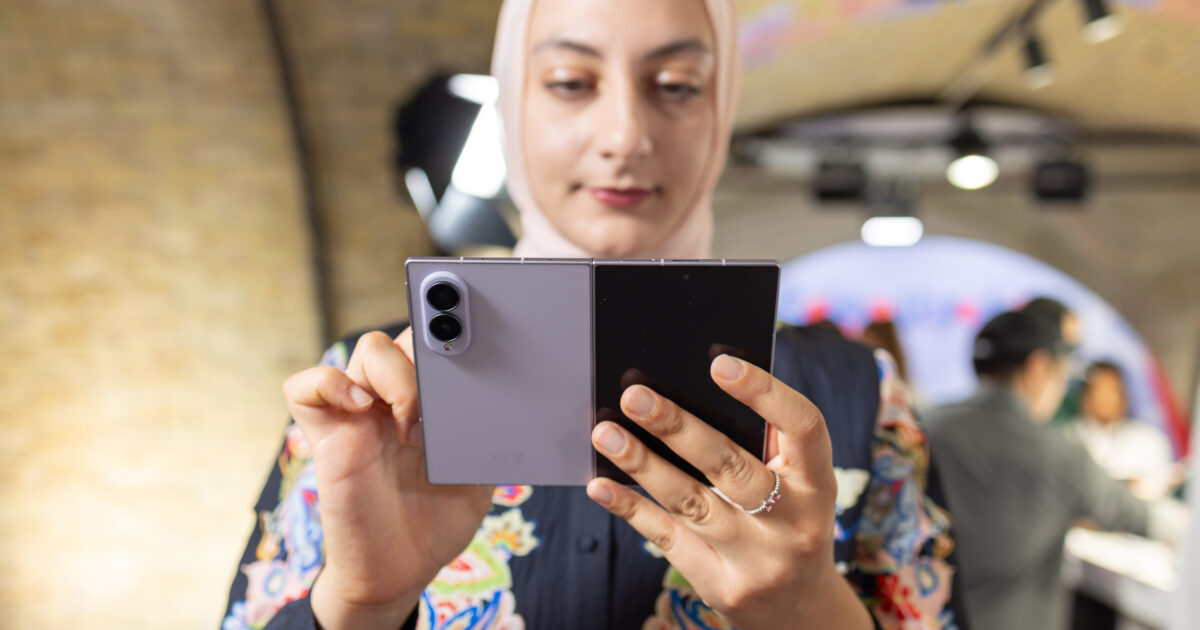
At the core of the Galaxy Z Fold 8’s hardware revolution is a complete rethinking of its physical footprint and display technology. Moving away from the narrow, elongated cover screens of previous generations, the new model adopts a wider 4:3 aspect ratio. This specific dimension mirrors a small pocket notebook or passport, fundamentally altering the physics of how the device sits in the hand and how weight is distributed during one-handed use. This shift in form factor required a significant engineering overhaul to ensure the structural integrity of the hardware silicon chassis was not compromised by the wider surface area.
The implementation of “Flex Titanium” display technology marks a watershed moment for foldable durability. By bonding a titanium-alloy film with a rigid titanium plate, Samsung has managed to create a display structure that is not only thinner—allowing the standard model to achieve a remarkably slim 4.5mm profile when open and 9.7mm when closed—but also vastly more resilient against everyday impacts. More importantly for users, this material advancement has practically eradicated the notorious display crease. While previous iterations saw incremental improvements, the Flex Titanium setup distributes mechanical stress so evenly across the hinge that the visual and tactile interruption of the fold is nearly imperceptible.
The internal processing power is equally formidable. Driven by the custom Snapdragon 8 Elite Gen 5 for Galaxy chipset, the architectural backend of the device is designed to process advanced machine learning workloads locally. This is a critical requirement for rendering high-fidelity graphics across the 7.6-inch inner display, managing complex side-by-side multitasking without thermal throttling, and executing intensive Galaxy AI features such as Gemini Live and real-time photo generation. The integration of a high-density 4,800-mAh silicon-carbon battery further supports these heavy computational demands, ensuring that the hardware can sustain peak performance without collapsing under the weight of its own power requirements.
Market Impact & Deployment
From an enterprise and strategic deployment perspective, the Galaxy Z Fold 8 series introduces a nuanced Total Cost of Ownership (TCO) equation. The introduction of the $1,900 standard model alongside the $2,100 Ultra variant allows enterprise IT departments to segment their device deployments based on specific executive needs. The Ultra model, boasting a massive 8-inch AMOLED inner display and configurations up to 16GB of RAM and 1TB of storage, serves as a comprehensive mobile workstation for high-level executives who require maximum screen real estate and uncompromising performance. Meanwhile, the standard Z Fold 8 provides a more accessible entry point for field operators and managers who benefit from the wider cover screen but do not require the sheer excess of the Ultra’s specifications.
The market timing of this release is far from accidental. According to projections, global foldable phone shipments are expected to grow 21% year-over-year in 2026. Samsung currently maintains a commanding 32% share of this market, but the looming specter of Apple’s anticipated foldable iPhone—rumored to capture a 25% share shortly after launch—necessitates aggressive innovation. By defining the 4:3 passport-style format now, Samsung is effectively anchoring consumer expectations and establishing the benchmark against which all future foldable market comparisons will be judged. This proactive defense forces competitors to either conform to a standard Samsung has already mastered or risk alienating consumers with unproven experimental designs.
However, the device is not without its deployment challenges. A critical red team audit of the specifications reveals that while the device maintains an IP48 rating (capable of surviving submersion in 1.5 meters of water for 30 minutes), it remains vulnerable to dust and fine particles. For industries operating in rugged environments—such as construction, manufacturing, or field logistics—this lack of a true IP68 rating represents a significant liability and a potential bottleneck for widespread enterprise fleet adoption.
The Consumer Translation
For the everyday consumer, the technical specifications of the Galaxy Z Fold 8 translate directly into a vastly superior lifestyle experience. The transition to the wider cover screen means that the phone finally feels completely normal when folded. Previous generations often required users to compromise, enduring a cramped, awkward typing experience on the outer display simply to enjoy the benefits of the inner screen later. Now, the 5.5-inch cover screen functions beautifully for quick texts, immediate notifications, and standard phone tasks, eliminating the friction of constantly needing to unfold the device for basic interactions.
When unfolded, the magic of the 4:3 aspect ratio becomes apparent for media consumers. It strikes a perfect balance: in landscape orientation, it provides an expansive, letterbox-free canvas for high-definition streaming video; rotated to portrait mode, it becomes the ultimate doom-scrolling machine, capable of displaying massive amounts of vertical social media feeds simultaneously. The integration of advanced anti-reflective coatings, which reduce glare by up to 50% and are paired with a blindingly bright 3,000-nit peak brightness, ensures that this vibrant media consumption can continue uninterrupted even in direct, harsh sunlight.
Furthermore, the reduction of hinge tension represents a massive usability upgrade. By listening to years of consumer feedback, Samsung has engineered a hinge that requires noticeably less force to pry open. While this sacrifices the ability to rigidly hold the phone at extreme partial angles, it drastically improves the fluidity of accessing the main screen with one hand. Paired with 45W wired fast charging—capable of blasting the battery to roughly 67% in just 30 minutes—the Galaxy Z Fold 8 effectively cures battery anxiety, allowing users to consume content endlessly without being permanently tethered to a wall outlet.
Frequently Asked Questions
Q1: When did Samsung announce the Galaxy Z Fold 8?
A1: Samsung officially announced the Galaxy Z Fold 8 at its Galaxy Unpacked event on July 22, 2026. The device was made available for preorder immediately, with general retail availability starting on August 7, 2026.
Q2: What is the main design difference in the Galaxy Z Fold 8?
A2: The Galaxy Z Fold 8 features a new 4:3 aspect ratio, creating a wider, passport-shaped form factor. This design is optimized to improve the user experience for internet browsing, multitasking, and scrolling through vertical social media.
Q3: How much does the Galaxy Z Fold 8 Ultra cost?
A3: The Samsung Galaxy Z Fold 8 Ultra carries a premium starting price of $2,100. It is billed as Samsung’s thinnest foldable to date, measuring just 4.1 mm when unfolded, and features an 8-inch AMOLED inner display.
Q4: What processor powers the Galaxy Z Fold 8?
A4: The Galaxy Z Fold 8 series is powered by the highly advanced Snapdragon 8 Elite Gen 5 for Galaxy chipset. This processor easily handles complex tasks, multitasking, and on-device artificial intelligence features like Gemini Live.
Q5: Is the Galaxy Z Fold 8 fully waterproof and dustproof?
A5: The Galaxy Z Fold 8 carries an IP48 rating for resistance. While it can be submerged in up to 1.5 meters of water for 30 minutes, it is not fully protected against fine dust or sand, only against solid objects larger than 1mm.
TechNode HQ Verdict: Pros, Cons & Usability
- Pro (Engineering): The integration of Flex Titanium structures drastically improves display durability and almost completely eliminates the visual hinge crease.
- Pro (Consumer): The wider 4:3 passport shape completely normalizes the cover screen experience while creating the ultimate media consumption canvas when unfolded.
- Con: The IP48 rating means the device remains vulnerable to dust and fine particulate matter, trailing behind standard IP68 slab phones.
- Con: To maintain its $1,900 price point, the standard model sacrifices a dedicated telephoto zoom lens, which may frustrate photography enthusiasts.
Enterprise Usability: For executives and mobile professionals who prioritize multi-app workflows and extensive email triage, the wider screen is a massive productivity booster. However, fleet managers should think twice before deploying these devices to field teams operating in dusty or rugged industrial environments due to the lack of particulate resistance.
Everyday Usability: Absolutely recommended for heavy media consumers. If your primary smartphone usage revolves around consuming video, reading ebooks, and scrolling social feeds, the ergonomic and display upgrades here represent the most refined foldable experience available on the market today.