Key takeaways
- Build vs Buy 2026 strategies favor building intelligence layers as AI lowers build times by 40-60%.
- Custom enterprise software typically reaches a financial break-even point around month 33 versus SaaS licensing.
- Visual Studio 2026 provides proactive Copilot alerts, keeping AI-assisted development costs predictable.
- Strict server-side API validation and tenant scoping are critical for custom CRM security.
- Hidden integration costs often make commodity SaaS more expensive than building over 3-5 years.
The Architectural Reality

The Build vs Buy 2026 paradigm has fundamentally shifted. For years, the enterprise playbook dictated that organizations should default to buying SaaS platforms rather than taking on the technical debt of custom development. However, a deep dive into modern developer workflows—such as Roberto Luna Osorio’s recent architectural commits for PlayaMXCRM—reveals a new reality. Engineers are increasingly choosing to build custom solutions using powerful frameworks like NestJS and Next.js, directly integrating with the Facebook Graph API to create bespoke broker portals.
Osorio’s transition from a naive token implementation to a sophisticated, tenant-scoped access control system demonstrates the maturity of modern custom software. By implementing rigorous @RequirePerm decorators and explicit Facebook Graph API token validation with structured logging, developers are eliminating the silent failures that plague generic SaaS integrations. This level of granular control—where a failing pageToken triggers specific fallback logic rather than a generic 500 error—provides a resilient intelligence layer that pre-packaged solutions struggle to match.
Market Impact & Deployment

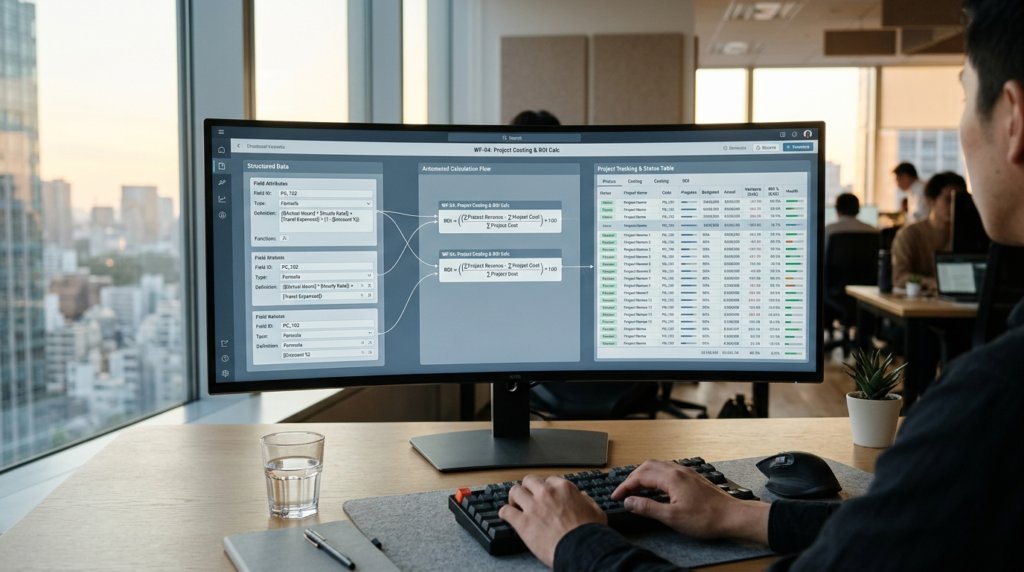
From a Total Cost of Ownership (TCO) perspective, the financial models for custom software have been rewritten. Research indicates that AI-assisted development in 2026 has slashed custom software build timelines by an astonishing 40-60%. As a result, organizations undertaking custom builds are now hitting their break-even point around month 33 when compared against recurring SaaS licensing and integration fees.
In fact, modern enterprise leaders are advising companies to buy only commodity systems of record, while aggressively building their unique intelligence layers to establish a competitive moat. This is amplified by tools like the June update of Visual Studio 2026 (version 18.7.2), which now includes an interface for tracking Copilot usage metrics and proactive alerts. By tightly managing AI-assisted development costs, engineering teams can iterate on cloud deployments rapidly, making the choice to build far less risky than it was a decade ago.
The Consumer Translation
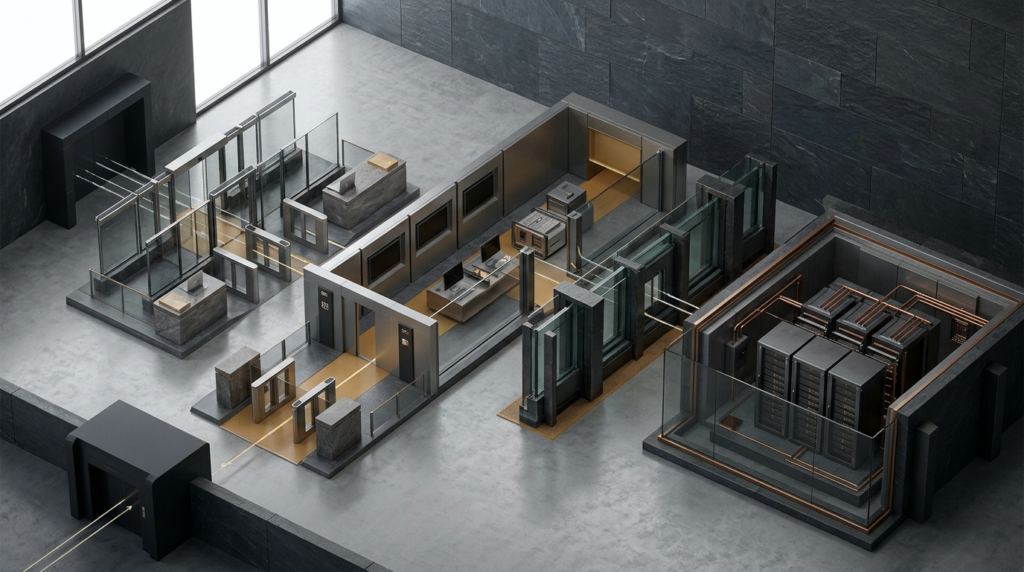
To understand the consumer and business impact of this shift, consider the real estate market as an analog. Buying an existing home in 2026 offers speed and convenience, but buyers frequently uncover hidden costs like outdated plumbing and wiring. Similarly, integrating disparate SaaS solutions often introduces hidden technical debt that balloons over a 3-5 year period. Conversely, new home construction allows for the integration of 2026 energy-efficiency standards, passive cooling, and soundproof home offices tailored to remote work. Building a custom CRM is exactly like building that custom home: it requires upfront architectural planning, but delivers a perfectly tailored environment.
For the end-user—whether they are a real estate broker using PlayaMXCRM or a consumer interacting with a bespoke social media integration—the result is a frictionless experience. Proper pagination, UI state memoization in React (useMemo), and secure API endpoints ensure that applications are blazing fast, highly secure, and tailored precisely to their workflow needs. In a market plagued by tight inventory and generic solutions, Agentic AI and custom software stand as the only way to get exactly what you need.
Frequently Asked Questions
Q1: How has AI changed the build vs buy decision in 2026?
A1: AI-assisted development has dramatically shifted the Build vs Buy 2026 landscape by reducing custom software build timelines by 40-60%. This makes custom solutions far more viable for mid-sized enterprises.
Q2: When does custom software break even against SaaS?
A2: Financial analysis shows that custom software builds typically break even around month 33 compared to the ongoing licensing and integration costs of SaaS platforms. Over a 3-5 year period, buying SaaS can actually be more expensive.
Q3: What role does Visual Studio 2026 play in custom builds?
A3: The Visual Studio 2026 June update integrates advanced Copilot metrics and proactive billing alerts, ensuring developers can leverage AI to write custom architecture like NestJS controllers efficiently without cost overruns.
Q4: Why is server-side API validation critical for custom CRMs?
A4: As seen in PlayaMXCRM’s architecture, letting a framework silently swallow expired Facebook Graph API tokens leads to catastrophic silent failures. Server-side validation with fallback logic ensures robust operation.
TechNode HQ Verdict: Pros, Cons & Usability
- Pro (Engineering): Total architectural control allows for rigorous API token validation and tenant-scoped security.
- Pro (Consumer): Custom-built applications provide frictionless, tailor-made user experiences without the bloat of generic SaaS.
- Con: Requires significant upfront investment in architectural planning and DevOps maturity.
- Con: Maintaining direct integrations (like the Facebook Graph API) requires active monitoring for token deprecation and API changes.
Enterprise Usability: CTOs should prioritize building unique intelligence layers and custom integrations where the business generates its primary competitive moat, leveraging AI to keep build costs strictly capped.
Everyday Usability: For development teams, utilizing modern AI-assisted IDEs like Visual Studio 2026 is no longer optional—it is a mandatory workflow to stay competitive against the hidden costs of SaaS integrations.