Key takeaways
- Smartwatch fatigue is surging as users reject the cognitive load of persistent wrist notifications and digital tethering.
- The “Screenshot Effect” causes physical anxiety when algorithmic health metrics contradict a user’s actual bodily sensations.
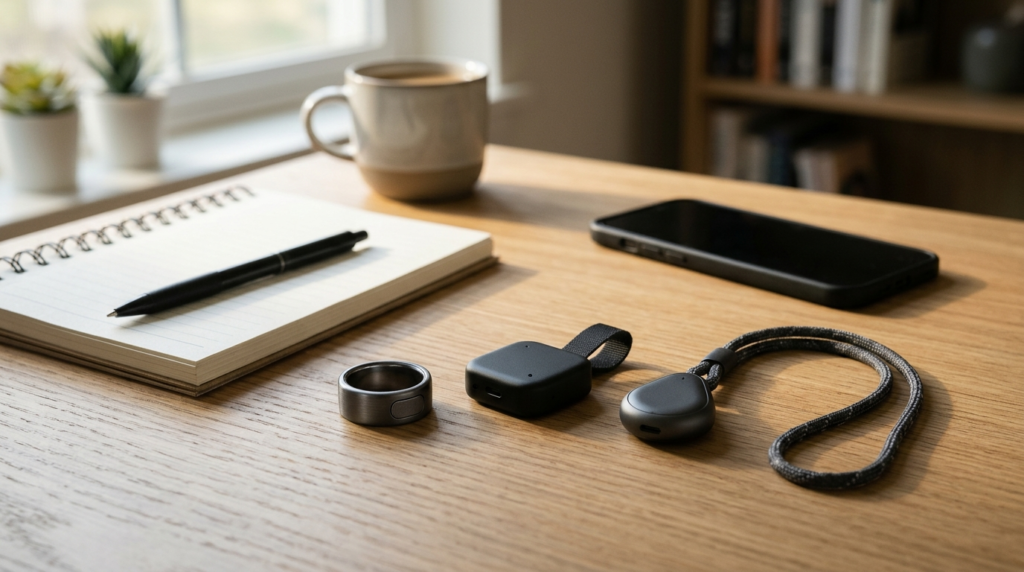
- Screenless fitness bands and smart rings are capturing market share from traditional smartwatches for passive health monitoring.
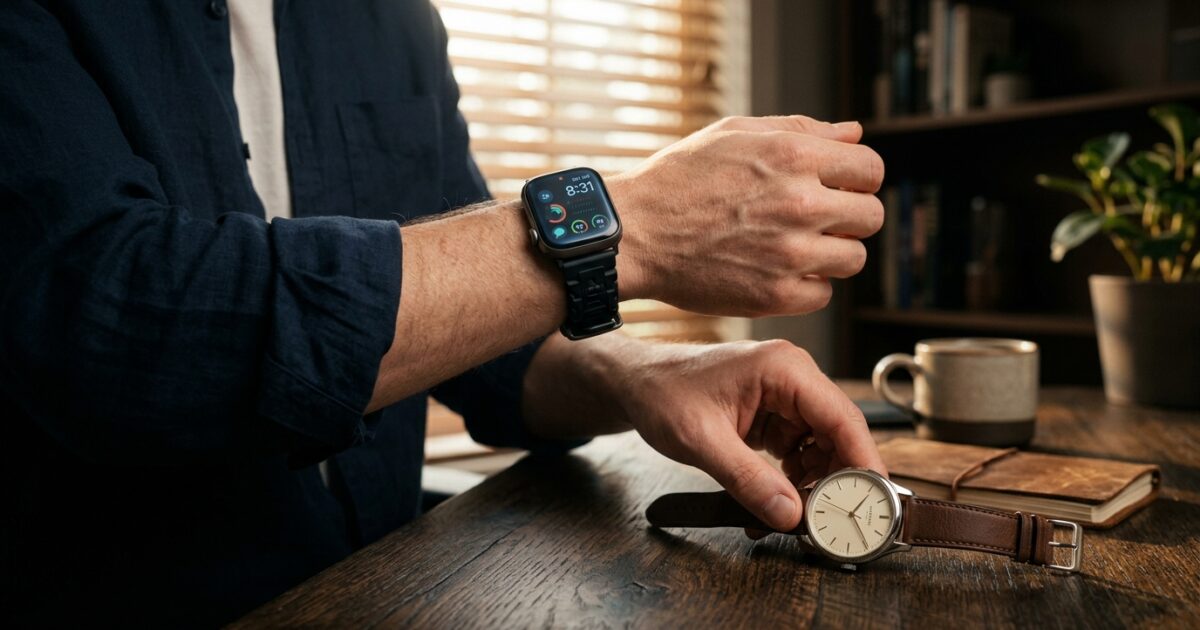
- The “Analog Rebellion” sees younger demographics embracing mechanical watches for their timeless design and zero planned obsolescence.
- Medical experts increasingly recommend “data vacations” to mitigate the rising psychological stress of continuous biometric tracking.
The Architectural Reality of Smartwatch Fatigue
For the better part of a decade, the narrative surrounding wearable devices has been one of inescapable momentum. The promise was utopian: a digital assistant strapped to your wrist that would seamlessly untether you from the tyranny of the smartphone. Yet, as we progress deeper into 2026, a counter-movement is accelerating. Consumers and enterprise professionals alike are suffering from severe smartwatch fatigue. The relentless pinging, the haptic taps demanding immediate attention, and the endless cycle of firmware updates have transformed these devices from liberating tools into micro-managers of our physical existence.
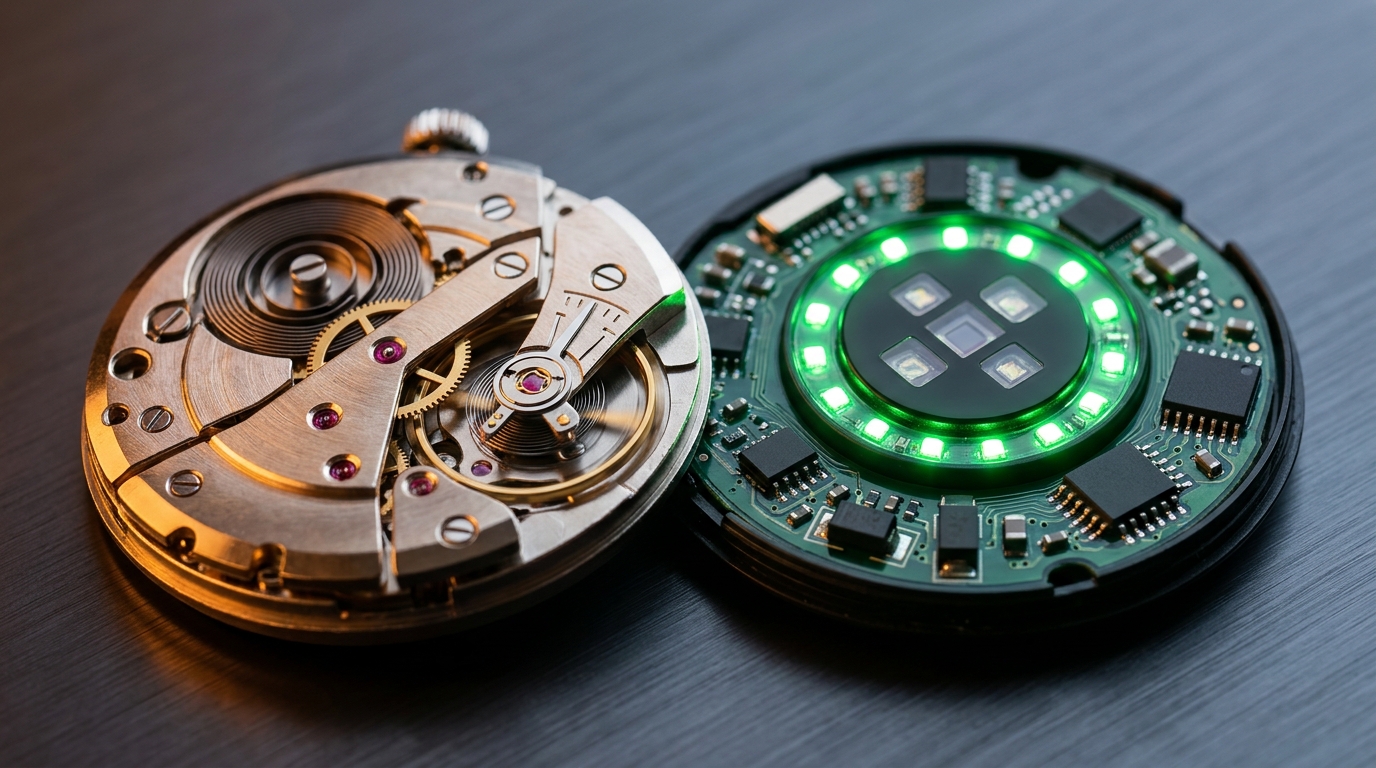
To understand the root of smartwatch fatigue, we must analyze the hardware and software architecture driving these devices. Modern smartwatches, such as the Apple Watch Series 11, are technological marvels packed with highly complex smartwatch sensors. They utilize advanced photoplethysmography (PPG), multi-axis accelerometers, and sophisticated algorithms to measure heart rate variability (HRV), blood oxygen, and even hypertension. However, the architectural reality is that these devices are fundamentally approximation engines. They do not measure sleep or stress directly; they infer it through algorithmic models processing secondary biological signals. When you strap a secondary smartphone to your wrist, you inherit not only its capabilities but its systemic vulnerabilities: rapid battery degradation, planned obsolescence, and the inescapable requirement for constant charging.
The obligation to respond immediately to smartwatch notifications creates counterproductive pressure. A vibration on the wrist is neurologically far more intrusive than a phone buzzing in a pocket. It forcefully interrupts flow states, derails deep work, and fractures social interactions. What was engineered to be a glanceable convenience has morphed into a continuous cognitive burden. Furthermore, physical issues such as screen scratches, poor strap quality, and contact dermatitis from prolonged sensor exposure are driving consumers away from these intensive devices. The physical and digital friction of ownership is slowly eclipsing the utility.
The Psychological Toll of Wearables
Beyond the hardware limitations, the software ecosystems driving smartwatches are designed around behavioral gamification. Users are pushed to close rings, hit step goals, and optimize their sleep scores. For many, this constant tracking of sleep, heart rate, and activity levels leads to severe gamification stress and an unhealthy obsession with metrics. The phenomenon is so prevalent that psychologists have identified “orthosomnia”—the obsessive pursuit of perfect sleep driven by fitness tracker data. People are actively pushing back against algorithms dictating how they should feel or behave based on approximated data points.
This brings us to a phenomenon known as the “Screenshot Effect.” This occurs when a smartwatch’s negative metric—such as a poor recovery score or low sleep rating—contradicts a user’s actual physical sensation of being well-rested. The algorithmic feedback loop overrides the user’s bodily intuition, causing unnecessary fatigue, doubt, and psychological distress. Excessive monitoring of heart rate and stress levels can paradoxically create a closed loop of worry, particularly for those prone to checking their metrics repeatedly throughout the day. Instead of acting as passive observers, these devices are actively altering users’ emotional states, often for the worse.
In response to this wearable-induced health anxiety, medical and psychological experts are increasingly recommending “data vacations.” This involves wearing the smartwatch only for specific, intentional activities—such as a morning run or gym session—and removing it for the remainder of the day. By disconnecting from the data stream, users can recalibrate their interoception (the perception of sensations inside the body) without algorithmic interference.
Market Impact & Deployment

The economic reality of the smartwatch ecosystem is becoming increasingly difficult to justify for the average consumer. A premium smartwatch like the Apple Watch Series 11 starts at $399, with Samsung and Google’s alternatives sitting in the same premium bracket. Even “budget” options like the Apple Watch SE ($249) omit critical health features like ECG and blood oxygen monitoring. When factoring in the Total Cost of Ownership (TCO)—which includes the inevitable battery degradation requiring a replacement device every three to four years—the financial proposition becomes questionable.
This economic friction has sparked a surge in health tracking alternatives. Screenless fitness bands and smart rings are rapidly capturing market share. Devices like the Google Fitbit Air ($100) and the Nothing CMF Watch 3 Pro offer the core utility of health analytics without the distracting screen. Similarly, the smart ring sector, led by the Oura Ring 5 ($399) and the Samsung Galaxy Ring ($400), provides highly accurate sleep and recovery metrics without haptic interruptions. While some of these options, like Whoop, rely on expensive subscription models ($149 to $359 annually), they cater specifically to users who want data without the distraction of an interactive display. The deployment strategy for consumers has fundamentally shifted: separate the notification delivery system from the health tracking system.
From an enterprise perspective, this shift is notable. Corporate wellness programs that once bulk-purchased smartwatches to monitor employee activity are re-evaluating their strategies. The realization that persistent wrist notifications decrease deep-work productivity and increase baseline stress levels is leading to a preference for passive, screenless wearables in corporate health deployments.
The Consumer Translation
To understand the core mechanism of this shift, imagine a smartwatch as a hyperactive micro-manager who constantly taps you on the shoulder to report every minor email, text message, and vital sign fluctuation. In contrast, a traditional analog watch is a quiet, reliable executive assistant who only speaks when spoken to, answering a single question perfectly: “What time is it?”
This desire for simplicity has birthed the “Analog Rebellion.” Just as younger generations have fueled the resurgence of vinyl records, film cameras, and printed books, there is a massive cultural pivot back to mechanical and quartz analog watches. Consumers are realizing that their smartphones already handle all necessary computational tasks, rendering the smartwatch an unnecessary, expensive, and redundant second screen. In emerging markets like India, the initial explosive growth of smartwatches was largely driven by trends; however, once the novelty wore off, a significant portion of the demographic simply stopped wearing them.
Analog watches are increasingly viewed not just as tools, but as sophisticated accessories that communicate personality, thoughtfulness, and an appreciation for heritage craftsmanship. Unlike a smartwatch that becomes e-waste within half a decade, a quality analog watch—whether it is a robust $30 Casio or a premium mechanical timepiece—can last for decades. They do not require daily charging, they do not suffer from planned obsolescence, and they can be passed down as family heirlooms. For those who still want the best of both worlds, users are adopting a hybrid approach: wearing a beautiful mechanical watch on one wrist while hiding a discreet fitness band or smart ring elsewhere on their body. They are reclaiming their attention span, lowering their blood pressure, and proving that sometimes, doing less is the ultimate luxury.
Frequently Asked Questions
Q1: What is smartwatch fatigue?
A1: Smartwatch fatigue is the psychological and physical exhaustion caused by constant wrist-based notifications, charging anxiety, and metric obsession. It drives consumers to seek simpler, screen-free alternatives.
Q2: What is the “Screenshot Effect” in health tracking?
A2: The Screenshot Effect occurs when a negative metric, like a low sleep score, contradicts a user’s natural feeling of being well-rested, causing unnecessary anxiety and psychosomatic fatigue.
Q3: Are people actually abandoning their smartwatches?
A3: Yes, while the wearable market grows, a significant “Analog Rebellion” is occurring. Many users are migrating to traditional mechanical watches or discreet screenless trackers to escape the constant digital tether.
Q4: What are the best alternatives for health tracking without a screen?
A4: Consumers are increasingly adopting smart rings, like the Oura Ring 5, or screenless bands, like the Google Fitbit Air and Whoop, which offer robust analytics without notification distractions.
Q5: How can I reduce stress if I keep my smartwatch?
A5: Experts suggest taking “data vacations” by wearing your device exclusively for specific activities, like workouts, rather than 24/7 continuous monitoring.
TechNode HQ Verdict: Pros, Cons & Usability
- Pro (Engineering): Passive health trackers like smart rings drastically extend battery life by eliminating OLED screens and complex rendering pipelines.
- Pro (Consumer): Returning to analog watches instantly removes the cognitive load of micro-interruptions and ends the daily anxiety of battery management.
- Con: Migrating to screenless health trackers often traps consumers in expensive, perpetual SaaS subscription models (e.g., Whoop’s annual fees).
- Con: Dropping a smartwatch means losing potentially lifesaving features, such as severe fall detection and immediate wrist-based emergency SOS capabilities.
Enterprise Usability: CTOs and IT decision-makers evaluating corporate wellness programs should pivot away from screen-based smartwatches. Deploying passive, screenless trackers minimizes employee distraction, reduces continuous notification stress, and aligns better with modern deep-work paradigms.
Everyday Usability: The general public should seriously evaluate whether they need a smartwatch. If you find yourself stressed by sleep scores or overwhelmed by notifications, immediately offload health tracking to a smart ring and reclaim your wrist with a classic analog timepiece.