How to Stop Zero-Click Indirect Attacks on AI Agents
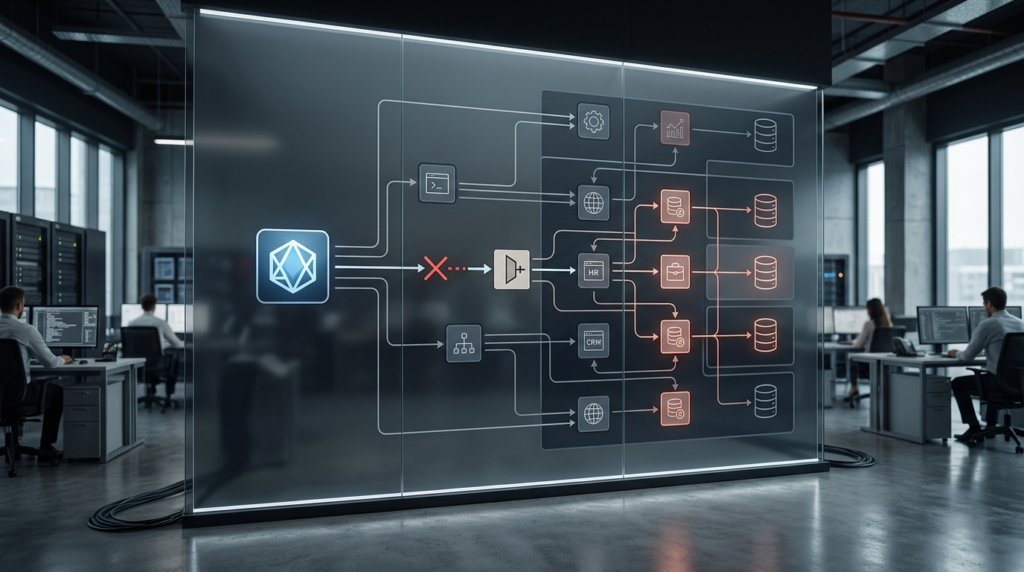
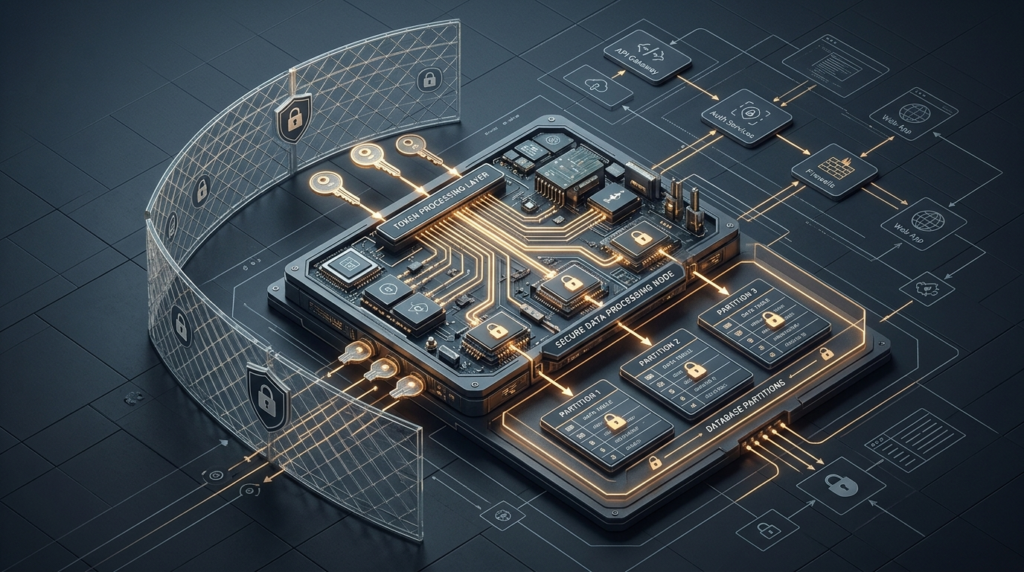
Learn how to defend autonomous AI agents from zero-click indirect prompt injection by decoupling model reasoning from deterministic tool authorization.
Coverage desk
Current desk
Learn how to defend autonomous AI agents from zero-click indirect prompt injection by decoupling model reasoning from deterministic tool authorization.
Elastic Cloud enables customer-managed encryption keys across AWS, Azure, and GCP, giving enterprises direct control over data and snapshot key…
A 2026 cybersecurity industry report highlights why enterprises are replacing isolated point tools with continuous, unified cross-domain risk controls.
HPE Labs connects sovereign AI security with post-quantum cryptography, confidential computing, and hardened infrastructure to meet national privacy mandates.
CrowdStrike and NVIDIA have partnered on the Open Agent Safety Platform, bringing runtime guardrails and DPU-level hardware isolation to enterprise…
Deploying IAM for AI agents requires closing the gap between static IdP policy and runtime execution through short-lived tokens and…
Autonomous AI agents introduce insider risks beyond access revocation. Analysis from Oktane reveals why kill switches fall short and how…
Meta released an emergency hotfix for a zero-day flaw in its macOS Muse AI agent that let local processes hijack…
Exposing internal Spring Boot applications beyond a VPN requires robust data isolation, JWT tenant scoping, and strict 401/403 error contracts…
As autonomous agents delegate tasks across APIs, enterprise IT must shift from post-hoc observability to cryptographic, runtime provable authorization.