Key takeaways
- The Studio Bones Gachiakuta adaptation redefines media ROI through highly optimized, computational design pipelines.
- The early ‘fall from grace’ sequence acts as a computationally dense narrative anchor that maximizes user retention.
- Creator Kei Urana’s social media exit highlights the severe enterprise risks of unmoderated, toxic user engagement.
- Graffiti and hip-hop aesthetics function as an innovative UX layer, driving unprecedented cross-cultural audience demographics.
- A confirmed Season 2 validates the studio’s resource-intensive approach to handling sensitive narrative state management.
The Architectural Reality of Studio Bones Gachiakuta
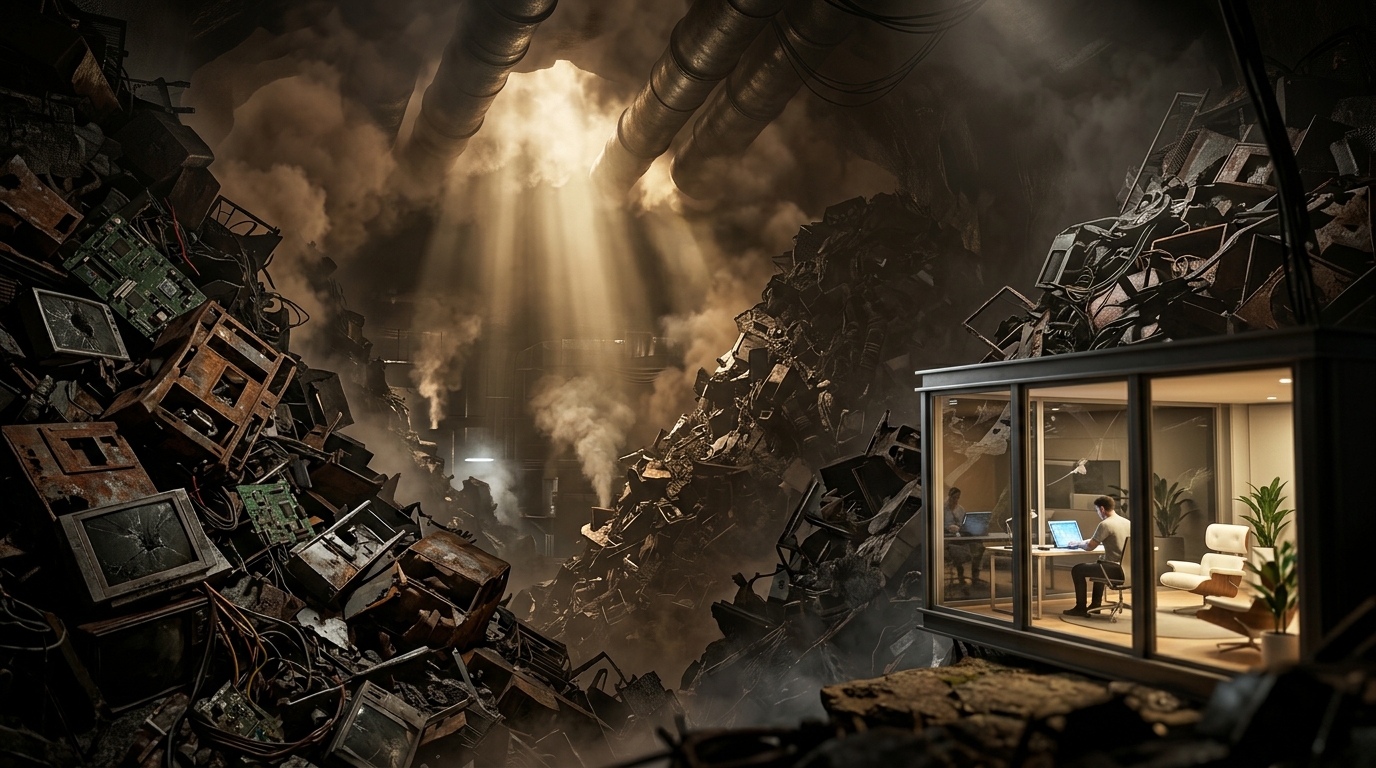
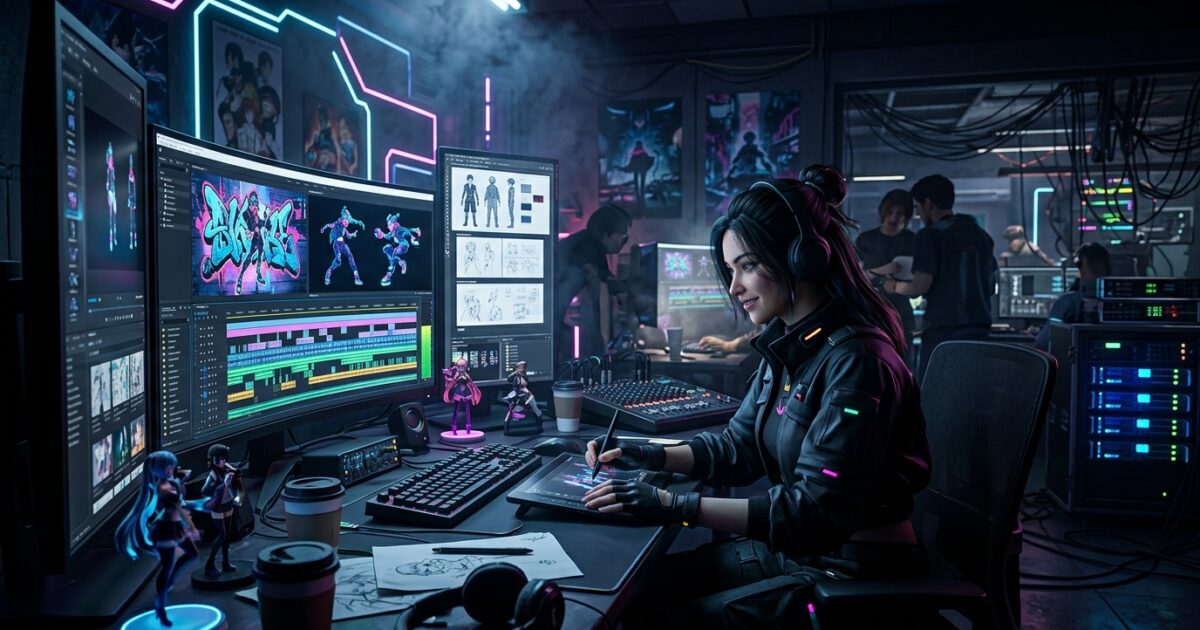
When analyzing the deployment and execution of the Studio Bones Gachiakuta adaptation, one must look far beyond the traditional frameworks of media distribution and evaluate it as a triumph of computational design and rigorous digital rendering pipelines. Operating at the bleeding edge of the animation industry, Studio Bones is responsible for the anime’s highly praised, stylish animation. This achievement represents a massive leap forward in how complex narrative structures are rendered and delivered to end-users on a global scale. The production ecosystem required to generate this level of visual fidelity operates much like a massive distributed computing network, where every frame, background asset, and vocal performance must be perfectly synchronized to avoid critical system failures during broadcast.
During an exclusive interview at Anime Expo 2026, the core developers of this project—Director Fumihiko Suganuma and lead voice actor Aoi Ichikawa—shared profound insights into their architectural approach. A primary bottleneck in their rendering pipeline was the critical “fall from grace” sequence. This inciting incident, where the protagonist Rudo is falsely accused of murder, acts as the root certificate for the entire system’s logic. Following this accusation, Rudo is forcibly exiled from his home city into the wasteland, an environment officially known as the “Pit,” which functions visually and narratively as a hellscape of trash. Suganuma discussed this specific sequence as an extraordinarily challenging and crucial part of the show’s storytelling, requiring immense computational and creative bandwidth to execute flawlessly.
To put this into a high-level enterprise perspective: managing this production pipeline is akin to orchestrating a global logistics supply chain during a peak holiday rush. If the core routing mechanism (Rudo’s emotional catalyst) fails to process the payload accurately, the entire network experiences a cascading failure, leading to massive data packet loss (viewer churn). Ichikawa also discussed the ‘fall from grace’ scenes in depth, noting that without establishing this origin point of pure anger, the character simply cannot exist for the remainder of the series. This foundational state-building is what ultimately allows the anime to scale its narrative complexity without crashing the viewer’s suspension of disbelief, pushing the boundaries of what is possible in modern hardware & silicon rendering technologies.
Market Impact & Deployment: The Economics of High-Fidelity Rendering
From an executive standpoint, the Total Cost of Ownership (TCO) in premium anime production is astronomical. Managing developer hours, rendering server time, and human capital requires a strict adherence to agile methodologies. Director Suganuma openly admitted that the latter half of the anime’s production cycle was a brutal battle against time. To maintain the project’s demanding Service Level Agreements (SLAs) for television broadcast, Suganuma issued what effectively amounted to massive hotfixes and patches—making very hard requests upon his staff for endless corrections. The staff operated like a Tier-1 DevOps team, ensuring that every episode was successfully pushed to production on time. This relentless optimization of enterprise IT resources yielded a final product that was undeniably robust.
However, the deployment was not without its severe security challenges and market turbulence. The launch experienced significant initial friction; some early viewers actively dropped the anime, citing its incredibly dark and gritty tone as overwhelmingly abrasive. In enterprise terms, this is comparable to a steep early user churn rate triggered by a polarizing new UI update. Furthermore, the external ecosystem posed a massive threat to the internal team. The manga’s original creator, Kei Urana, faced intense online toxicity from highly volatile segments of the fanbase. The barrage of harassment regarding specific character interpretations and aggressive piracy comments functioned much like a sustained Distributed Denial of Service (DDoS) attack on human capital. Kei Urana eventually left social media entirely to protect her operational bandwidth.
Despite these massive controversies and early drop-offs, the system proved resilient. The series became an overwhelming commercial and critical success during its initial run. The high-quality output generated massive positive sentiment, with the fandom and major media outlets frequently describing the adaptation using the term ‘peak’. This organic user acquisition and retention resulted in a massive ROI for the production committee, rapidly justifying further capital expenditure. Consequently, a second season of the Gachiakuta anime has already been officially announced, cementing its status as a highly profitable long-term asset.
The Consumer Translation: Cultural UX and System Interactions
How does a highly technical, computationally expensive shift impact the worldwide public? The answer lies in the User Experience (UX) layer of the Studio Bones Gachiakuta pipeline. The anime distinguishes itself by blending gritty shonen themes with a highly unique, graffiti-inspired art style. This visual interface is paired with a heavily hip-hop-influenced soundtrack, effectively rewriting the standard consumer expectations for the genre. This design choice acts as a brilliant cultural API, facilitating a seamless exchange of data between Japanese animation traditions and Black culture in America. Through viral memes, digital fan art, and global cosplay networks, the community has localized this product in ways that traditional marketing could never achieve.
Lead voice actor Aoi Ichikawa serves as the primary Human Interface Device (HID) for this experience. By deeply resonating with Rudo’s embodiment of pure anger, Ichikawa converts raw emotional logic into a highly digestible audio format for the end-user. This emotional explosiveness fuels the system, creating a highly sticky user experience that drives unparalleled engagement metrics. This level of cross-cultural impact demonstrates how the convergence of specialized art direction and premium consumer tech distribution channels can fundamentally disrupt established market paradigms. By intentionally designing the anime to resonate with these specific underground aesthetics, the creators essentially built a product with built-in viral coefficients.
State Management and Object Weight: Cryptographic Metaphors
One of the most fascinating aspects of Gachiakuta’s underlying architecture is its magic system, which intricately explores the emotional weight that inanimate objects can carry. In a digital infrastructure context, this is highly analogous to persistent cryptographic tokens or stateful data management, where a localized file carries the entire historical context of a user’s interaction. When asked what everyday item would serve as their personal “giver” object, Ichikawa selected his script—the literal source code of his performance—while Suganuma selected manga, representing his core architectural blueprint.
This careful management of state and data payload is most evident in Amo’s storyline. The anime depicts her immense suffering and her heart-to-heart conversation with Rudo about their conflicting ideals. Because their hearts are not completely connected—representing a one-sided data transfer rather than a full duplex dialogue—the production required extreme sensitivity. Suganuma applied a strict staging policy to handle this sensitive material “matter-of-factly,” ensuring the visuals did not create unnecessary latency or obstruct the dialogue. By stripping away sensational UI bloat, the core payload (the dialogue) was delivered directly to the viewer with zero packet loss, proving that restraint in computational design often yields the highest emotional impact.
Frequently Asked Questions
Q1: What is the ‘fall from grace’ in the Studio Bones Gachiakuta anime?
A1: The ‘fall from grace’ refers to the inciting incident where the protagonist, Rudo, is falsely accused of murder. This critical scene results in his exile to the wasteland known as the ‘Pit’, catalyzing his journey of revenge.
Q2: How was the Studio Bones Gachiakuta adaptation received by audiences?
A2: While some early viewers dropped the series due to its overwhelmingly gritty tone, it ultimately became a massive commercial and critical success. Fans and media consistently refer to the series’ high quality as ‘peak’ anime production.
Q3: Why did Kei Urana leave social media during the manga’s run?
A3: Creator Kei Urana faced intense online toxicity and harassment from segments of the fanbase. The barrage of negative comments regarding character interpretations and piracy issues ultimately forced her to leave social platforms.
Q4: What makes the art style of Gachiakuta unique in the shonen genre?
A4: Gachiakuta blends gritty, traditional shonen themes with a highly stylized, graffiti-inspired aesthetic. This visual approach is complemented by a hip-hop-influenced soundtrack, fostering a cultural exchange between Japanese animation and Black culture.
Q5: Has a second season for the Gachiakuta anime been confirmed?
A5: Yes, thanks to the immense commercial success and cultural impact of the first season, Studio Bones has officially announced that a second season is already in active production.
TechNode HQ Verdict: Pros, Cons & Usability
- Pro (Engineering): The pipeline successfully handles massive rendering demands, translating a highly complex, gritty aesthetic into a flawless, high-framerate broadcast reality.
- Pro (Consumer): The integration of hip-hop and graffiti creates a profoundly engaging UX, fostering deep cross-cultural community retention.
- Con: The intense “crunch time” and endless correction loops required by the director highlight a severe bottleneck in human capital management.
- Con: The dark and abrasive initial onboarding (tone) caused notable early-stage viewer churn, requiring immense patience from the remaining user base.
Enterprise Usability: For C-level executives in digital media and production, the Studio Bones pipeline is a masterclass in pushing hardware & silicon to its absolute limits. While the ROI is undeniable, studios must audit their own workflows to prevent the staff burnout observed during the latter half of this project’s production cycle.
Everyday Usability: For the general public, this series is a mandatory adoption. Despite the steep emotional learning curve of the initial episodes, the resulting visual fidelity and culturally resonant soundtrack make it one of the most premium entertainment applications currently available on the market.