Key takeaways
- Prime Day 2026 concluded June 26, establishing a blueprint for budget-tier yet enterprise-grade hardware upgrades.
- Advanced telemetry wearables like the Fitbit Charge 6 bring clinical-grade tracking features well under the $100 threshold.
- High-density 25,000mAh power banks drastically optimize hybrid worker uptime and power delivery flexibility.
- Matter and Thread integration in sub-$100 hubs fundamentally redefine edge networking accessibility for the home.
- Amazon’s global logistics rollout remains fragmented, with India’s dedicated event strategically scheduled for July 4-6.
The Architectural Reality of Prime Day 2026
The consumer electronics market has experienced a profound shift in recent years, one where the barrier to entry for enterprise-grade hardware has steadily eroded. Amazon Prime Day 2026, which officially concluded in the United States on Friday, June 26, 2026, at 11:59 p.m. PT, served as a stress test for this new paradigm. Rather than focusing solely on flagship televisions and premium smartphones, the most compelling narrative of the event emerged in the sub-$100 tier. At this price point, we are witnessing the deployment of highly sophisticated silicon, advanced biometric telemetry, and unified networking protocols disguised as everyday household gadgets.
Historically, budget technology required significant compromises—usually in the form of subpar materials, missing software updates, or inferior sensors. However, the maturation of manufacturing processes and the aggressive subsidization of hardware by platform giants have changed the equation. Devices that were considered high-end luxuries just a half-decade ago are now commoditized necessities. For the discerning technologist or the Chief Information Officer mapping out remote work logistics, understanding the architectural underpinnings of these devices is crucial. This is not merely a retail phenomenon; it is a mass distribution of Hardware & Silicon that redefines the modern personal technology stack.
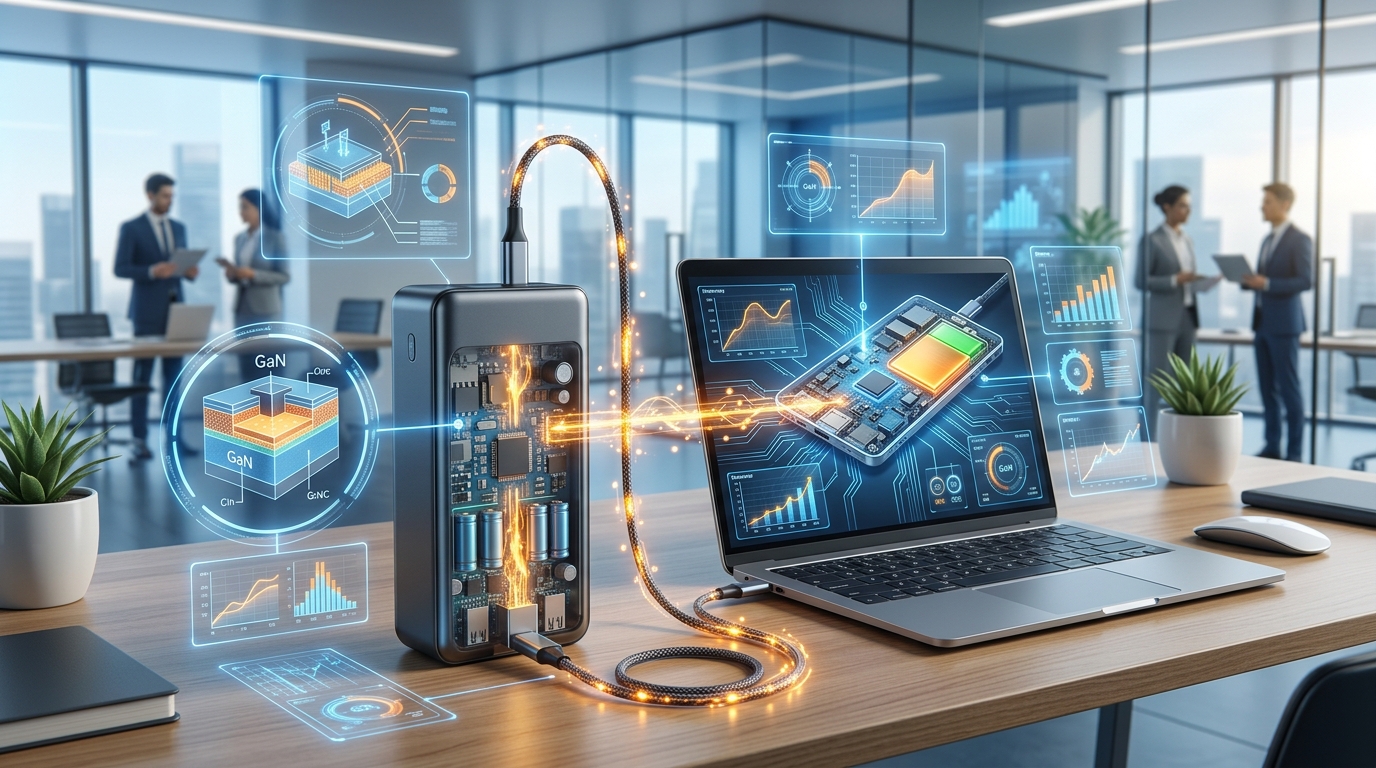
Take, for instance, the rapid commoditization of high-density energy storage and power delivery. The Anker Laptop Power Bank, available for a mere $91, is not just a battery; it is a portable micro-grid. Packing a 25,000-mAh capacity, it utilizes advanced lithium-ion cells and sophisticated Power Delivery (PD) protocols to negotiate high-wattage charging dynamically. This allows it to charge a high-performance laptop and a flagship smartphone simultaneously without triggering thermal throttling. The engineering required to maintain stable voltage outputs across multiple ports in a chassis this compact highlights a massive leap in consumer power electronics.
Hardware and Silicon Deep Dive
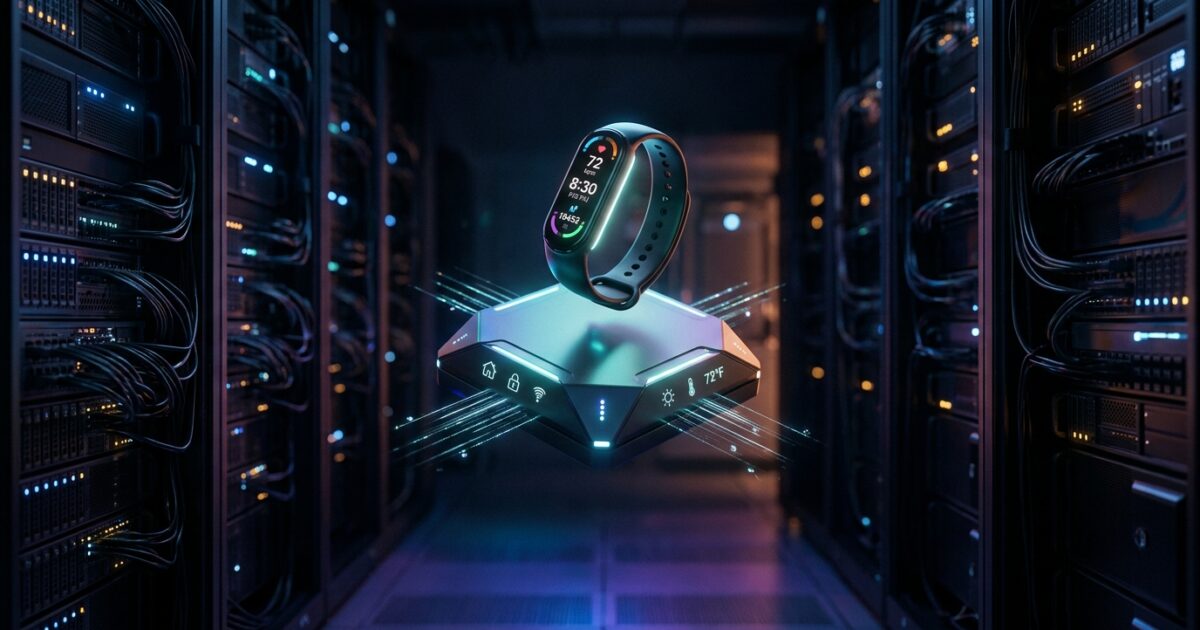
The wearable technology sector provided some of the most striking examples of this downward price migration during the event. The Fitbit Charge 6, which saw its price slashed to roughly $85 to $90, operates as a clinical-grade telemetry sensor strapped to a user’s wrist. It utilizes photoplethysmography (PPG) sensors to measure heart rate and blood oxygen levels (SpO2) by illuminating the capillary bed and measuring changes in light absorption. Furthermore, it incorporates electrodermal activity (EDA) sensors for stress monitoring and can detect irregular heart rhythms. The integration of a vibrant AMOLED touchscreen onto a device with such a low bill of materials demonstrates the staggering scale at which Alphabet (Google) is mass-producing health monitoring hardware.
Similarly, audio hardware saw aggressive discounting, pulling premium features into the budget tier. The Soundpeats H3 Wireless Earbuds, hovering between $93 and $99, and the Soundcore Space One headphones, available for around $66, highlight the democratization of active noise cancellation (ANC) and lossless audio codecs. These devices utilize multi-microphone arrays and dedicated digital signal processors (DSPs) to invert ambient soundwaves in real-time, effectively muting the outside world. Until recently, the computational overhead and battery drain required for effective ANC restricted it to products costing three times as much.
The networking and smart home space is arguably where the most strategic deployments are occurring. The Google TV Streamer (4K), reduced to $71, is a fascinating piece of engineering. Google has abandoned the traditional, underpowered dongle form factor in favor of a set-top box. This extra thermal headroom allows for a more powerful System on a Chip (SoC) capable of hardware-level AV1 decoding and Dolby Vision support. More importantly, it functions as a Thread border router. Thread is an IPv6-based, low-power mesh networking technology designed specifically for the Internet of Things (IoT). By embedding a Thread router into a cheap streaming box, Google is quietly blanketing living rooms with the infrastructure required for the Matter smart home standard, bypassing the need for dedicated, expensive networking hubs.
Market Impact & Deployment

From an enterprise and market impact perspective, the proliferation of this cheap, capable hardware alters Total Cost of Ownership (TCO) calculations for hybrid and remote work environments. When IT departments can outfit remote workers with a TP-Link Roam 7 mobile router (approximately $90) and high-capacity Anker power banks for under $200 total, the concept of the “office” becomes completely untethered from physical infrastructure. These tools guarantee uptime and secure connectivity regardless of localized power grid fluctuations or compromised public Wi-Fi networks.
Amazon’s hardware strategy remains equally aggressive. The Echo Dot (5th Gen) and the new Echo Spot (2024), both heavily discounted, serve as decentralized command nodes for the household. Powered by custom silicon designed to run natural language processing (NLP) models with minimal latency, these devices act as the physical manifestation of Amazon’s cloud infrastructure. By pushing the hardware cost to the absolute floor, Amazon ensures its ecosystem remains the default interface for ambient computing. The underlying business model relies on the lifetime value of the customer and data acquisition rather than upfront hardware margins.
It is also critical to understand the global logistics and macroeconomic strategy behind these sales events. Amazon does not operate a synchronized global retail calendar. While the US event concluded on June 26, Prime Day 2026 in India is scheduled entirely separately for July 4–6, 2026. This staggered approach allows Amazon to optimize its global supply chain, shifting inventory and balancing server loads across different geographic regions. It also reflects localized market conditions, ensuring that promotional events align with regional purchasing habits and economic cycles. Understanding this global supply chain rhythm is essential for organizations tracking consumer trends and Networking & Cloud infrastructure loads.
The Consumer Translation
For the average consumer, this highly technical shift translates into a frictionless, digitally enhanced lifestyle. The abstract concept of a “smart home” is no longer a luxury reserved for early adopters with massive budgets. With products like the TP-Link Tapo Matter-Certified Smart Plugs ($20 for a 3-pack) and Cync Dynamic Effects Smart Light Bulbs ($27), users can retrofit analog appliances into a sophisticated, automated network. The adoption of the Matter protocol ensures that consumers are no longer locked into a single walled garden; devices from Apple, Google, and Amazon can finally interoperate seamlessly.
Furthermore, the focus on ergonomic and health-focused tech under $100 is a net positive for public well-being. The Logitech MX Vertical Wireless Mouse, priced around $68 during the event, utilizes an optimized 57-degree angle to reduce muscular strain and prevent repetitive strain injuries (RSI) common among office workers. When viewed through the lens of preventative health, a $68 ergonomic mouse or an $85 Fitbit Charge 6 are not just consumer discretionary purchases; they are investments in long-term physical sustainability. They democratize access to data and comfort that directly impacts a user’s quality of life.
Even household maintenance has been fundamentally upgraded by cheap robotics and highly efficient motors. The Shark UltraCyclone Pro handheld vacuum ($69) and the viral Bissell Little Green Portable Carpet Cleaner ($80) utilize optimized fluid dynamics and dual-cyclonic airstreams to punch far above their weight class. These are not toys; they are sophisticated Consumer Tech appliances that leverage advances in brushless motor technology to deliver maximum suction power from minimal battery footprints. The consumer reality is one of empowerment—the ability to acquire tools that dramatically reduce friction in daily life without requiring a financing plan.
Frequently Asked Questions
Q1: When did Amazon Prime Day 2026 end in the United States?
A1: The shopping event officially concluded on Friday, June 26, 2026, at 11:59 p.m. PT.
Q2: Are global Prime Day events synchronized across all international markets?
A2: No. While the US event ended in late June, India’s Prime Day is scheduled to take place separately from July 4–6, 2026.
Q3: What was the best wearable technology deal under $100?
A3: The Fitbit Charge 6 dropped to around $85-$90, offering advanced telemetry features like skin temperature sensing and heart rhythm monitoring.
Q4: Did smart home hubs see significant price reductions?
A4: Yes, edge networking devices like the Google TV Streamer with Thread router capabilities dropped to $71, accelerating smart home adoption.
Q5: How can consumers track deals if they missed the deadline?
A5: Shoppers are advised to utilize historical price tracking tools like CamelCamelCamel to monitor price history and predict future drops.
TechNode HQ Verdict: Pros, Cons & Usability
- Pro (Engineering): The integration of Thread border routing and hardware-level AV1 decoding into a sub-$75 streaming box represents a massive leap in consumer edge computing.
- Pro (Consumer): Access to clinical-grade health metrics, including ECG and SpO2 monitoring, is now widely available for under $90, democratizing personal health telemetry.
- Con: Devices in this price bracket often suffer from aggressive planned obsolescence and a lack of long-term software support commitments from manufacturers.
- Con: The proliferation of smart home devices without unified security standards increases the attack surface for domestic networks.
Enterprise Usability: CTOs and IT managers should aggressively leverage these price drops to build out remote work resiliency kits. Outfitting employees with 25,000mAh PD power banks and dedicated mobile routers like the TP-Link Roam 7 ensures maximum uptime and secures network perimeters outside the traditional office environment. The ROI on these sub-$100 investments is immediately realized the moment a local power grid or ISP fails.
Everyday Usability: For the general public, the barrier to upgrading core quality-of-life technology has never been lower. Whether it is reducing musculoskeletal strain with an ergonomic mouse, improving sleep tracking with a sophisticated wearable, or finally unifying a fragmented smart home with Matter-certified plugs, these sub-$100 tools offer outsized returns on investment. However, buyers should remain vigilant about utilizing price trackers to ensure they aren’t falling victim to artificially inflated MSRPs immediately preceding major sales events.