Key takeaways
- Dan Trachtenberg directs the PG-rated animated slasher Freddy the 13th for Paramount Animation.
- The project adapts Yehudi Mercado’s graphic novel about a hapless 13th son inheriting a curse.
- Representing a shift for Trachtenberg, the film balances family-friendly laughs with horror aesthetics.
- The protagonist has 13 nights to defeat rival killers and break a supernatural curse.
- Announced at Annecy 2026, the film merges high-end animation infrastructure with IP expansion.
The intersection of high-end computational rendering and mass-market entertainment has produced a new inflection point for the industry. The Freddy the 13th Movie represents a massive paradigm shift for Paramount Animation, signaling a bold departure into PG-rated horror. As enterprise IT infrastructures evolve to support increasingly complex digital workloads, the animation sector provides a perfect case study in how massive compute power is utilized to generate scalable IP. This editorial deep dive will explore the underlying production architecture, the market deployment strategy, and the consumer translation of this highly anticipated family-friendly slasher.
When Paramount Animation officially announced the project at the Annecy International Animation Film Festival in June 2026, it wasn’t just a win for horror fans—it was a statement of intent. By adapting Yehudi Mercado’s graphic novel into a sophisticated 3D animated format, the studio is testing the limits of its digital pipelines. Merging the suspense of the slasher genre with the accessibility of a family comedy requires precise technical execution, where lighting, shadows, and atmospheric effects must be perfectly calibrated to avoid crossing into R-rated territory.
The Architectural Reality of the Freddy the 13th Movie
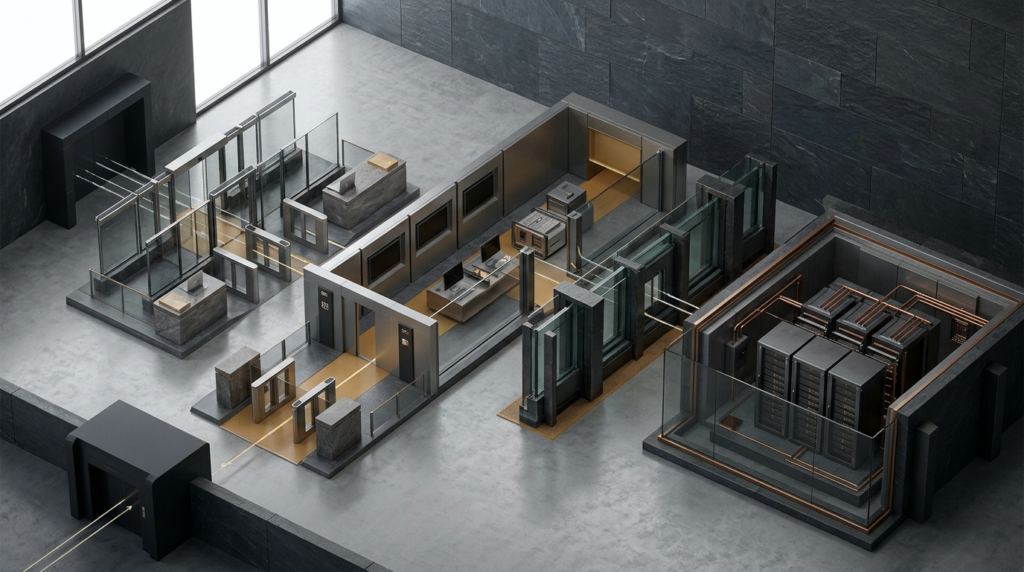
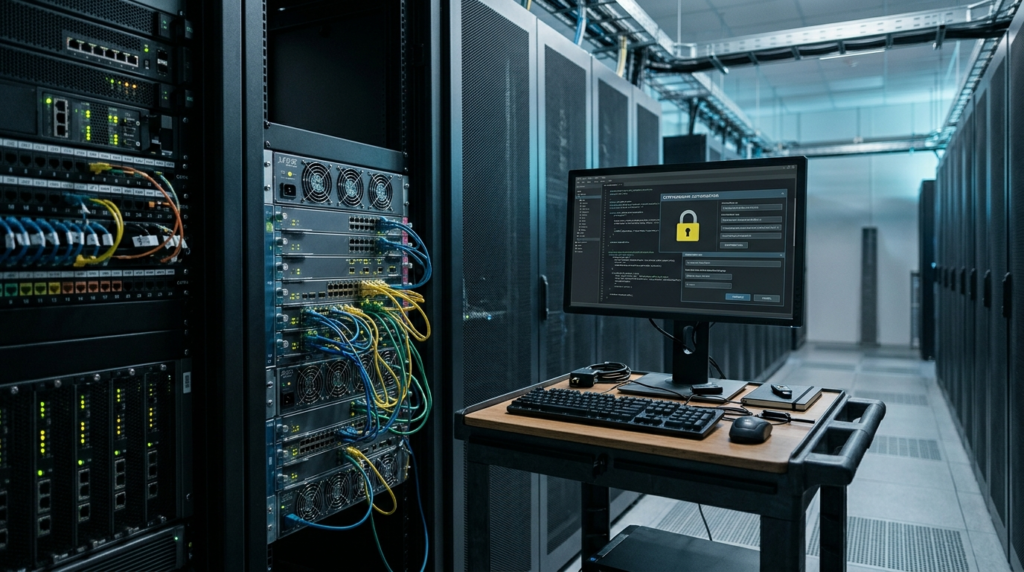
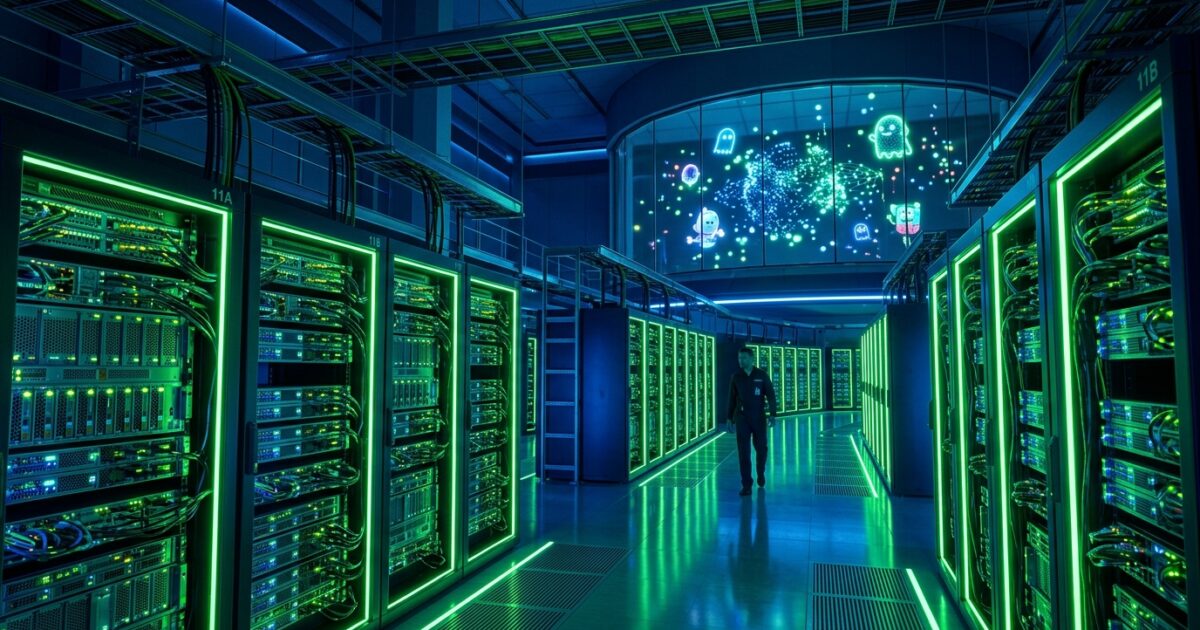
At the core of any modern animated feature lies a robust technological foundation. The production of the Freddy the 13th Movie relies heavily on advanced computational design and massive server clusters to translate its unique visual aesthetic. Unlike traditional live-action horror, which depends on practical effects and camera tricks, animated horror demands rigorous physics simulations, complex shadow mapping, and dynamic volumetric lighting. To achieve the specific “scares and laughs” promised by the studio, animators must meticulously balance the visual darkness with vibrant, expressive character models.
This undertaking necessitates a highly scalable cloud-based rendering environment. When a studio processes petabytes of texture data and geometric meshes, the infrastructure must ensure zero downtime and rapid iteration cycles. The challenge is magnified by the film’s ambitious premise. The story revolves around Freddy VanWinkle, an unlucky character who is the hapless thirteenth son of a thirteenth-born son. When an environment is constructed to reflect his continuous misfortune, the background assets must interact seamlessly with the characters. For instance, creating a spooky, atmospheric scene without making it too terrifying for a PG rating requires nuanced global illumination algorithms. The rendering engines compute the bounce of light in real-time, allowing directors to preview scenes and adjust the “scare factor” on the fly.
The transition of Yehudi Mercado’s 2D graphic novel illustrations into fully realized 3D environments requires a sophisticated data orchestration strategy. The translation of static, stylized comic panels into dynamic, fully rigged 3D models demands an animation pipeline that can handle millions of polygons per frame. Furthermore, the character of Freddy VanWinkle is described as being horror-obsessed long before the supernatural events occur. This character trait must be embedded into his visual design, requiring animators to create custom micro-expressions and unique skeletal rigs that convey his deep-seated anxieties and encyclopedic knowledge of horror tropes. The compute cycles required to simulate realistic cloth physics, hair rendering, and facial nuances across a feature film run into the millions of hours, making this a true test of Paramount Animation’s infrastructural limits.
Dan Trachtenberg, who is co-directing the film alongside graphic novel creator Yehudi Mercado, is bringing a fresh perspective to the animation pipeline. Trachtenberg’s background is steeped in tension-driven, often R-rated narratives. Transitioning from that visceral, live-action environment to a fully digital, family-friendly animated canvas forces a complete recalibration of his directorial toolset. He must rely on the studio’s technical artists and the underlying GPU render farms to manipulate mood through color grading and digital cinematography rather than explicit violence.
Furthermore, the film’s narrative introduces highly dynamic elements that strain standard animation pipelines. After Freddy accidentally kills a legendary slasher monster named Nighty Night, he automatically inherits the monster’s supernatural powers. Animating supernatural powers—whether they involve particle effects, fluid dynamics, or complex energy auras—requires massive parallel processing. Every frame containing these supernatural elements must be rendered with pinpoint accuracy to maintain visual consistency. The technical teams must optimize their asset libraries to handle the rapid onset of these powers, ensuring that the visual effects integrate smoothly with the comedic tone of the film.
Market Impact & Deployment
From an enterprise strategy perspective, the ROI of adapting a proven graphic novel like Yehudi Mercado’s into a mainstream animated feature is profound. By securing the rights and bringing Mercado on board as a co-director, Paramount Animation mitigates the creative risk typically associated with original IPs. The total cost of ownership (TCO) for a project of this scale includes not only the server time and developer hours but also the marketing and distribution logistics. However, targeting a PG-rated audience exponentially scales the potential revenue base. It transforms a niche horror concept into a four-quadrant global product.
The production, spearheaded by Ben Rosenblatt—a frequent collaborator of Trachtenberg—demonstrates a calculated approach to resource management. By leveraging established working relationships, the production can streamline decision-making processes, effectively reducing the latency between creative conception and technical execution. In the fast-paced world of digital animation, saving developer and animator hours through efficient project management directly translates to lower production costs and higher profit margins.
When analyzing the broader cross-industry impact, the deployment of this IP stretches far beyond theatrical release. A successful family-friendly horror franchise provides a blueprint for theme park integrations, interactive video game adaptations, and extensive merchandising lines. The digital assets created during the film’s production—the 3D models of Nighty Night, the rival killers, and the cursed artifacts—can be directly ported into modern game engines for immediate development. This unified asset pipeline drastically reduces the time-to-market for ancillary products, allowing the studio to monetize the cultural conversation across multiple mediums simultaneously.
Moreover, the concept of a “family-friendly slasher” disrupts the traditional market segmentation of consumer media. Horror has historically been siloed away from children’s entertainment. By blending the two, Paramount is effectively cross-pollinating demographics. The storyline, where Freddy is forced to babysit his niece Logan and nephew Lola while on a family vacation, provides natural audience surrogates for younger viewers. Meanwhile, the overarching horror tropes and slasher references cater to older audiences and parents. This dual-layer appeal is a masterclass in market deployment, maximizing the return on the studio’s technical and creative investments.
The introduction of rival killers who try to seize the mantle from Freddy during his journey adds another layer of marketability. It creates opportunities for diverse character designs and expansive universe building. Each rival killer requires unique 3D models, animation rigs, and texture maps, expanding the film’s visual universe. This modular approach to character design not only makes the production pipeline more robust but also lays the groundwork for potential sequels, spin-offs, and interactive media adaptations, ensuring long-term revenue scaling for C-level stakeholders.
The Consumer Translation
For the worldwide public, the technical achievements of the Freddy the 13th Movie will be entirely invisible, yet their impact will be deeply felt. Consumers do not see the cloud orchestration or the rendering nodes; they experience the seamless blend of comedy and suspense. The film’s core premise—a horror-obsessed protagonist suddenly thrust into a real-life supernatural crisis—resonates with universal themes of overcoming adversity and the unexpected burdens of responsibility.
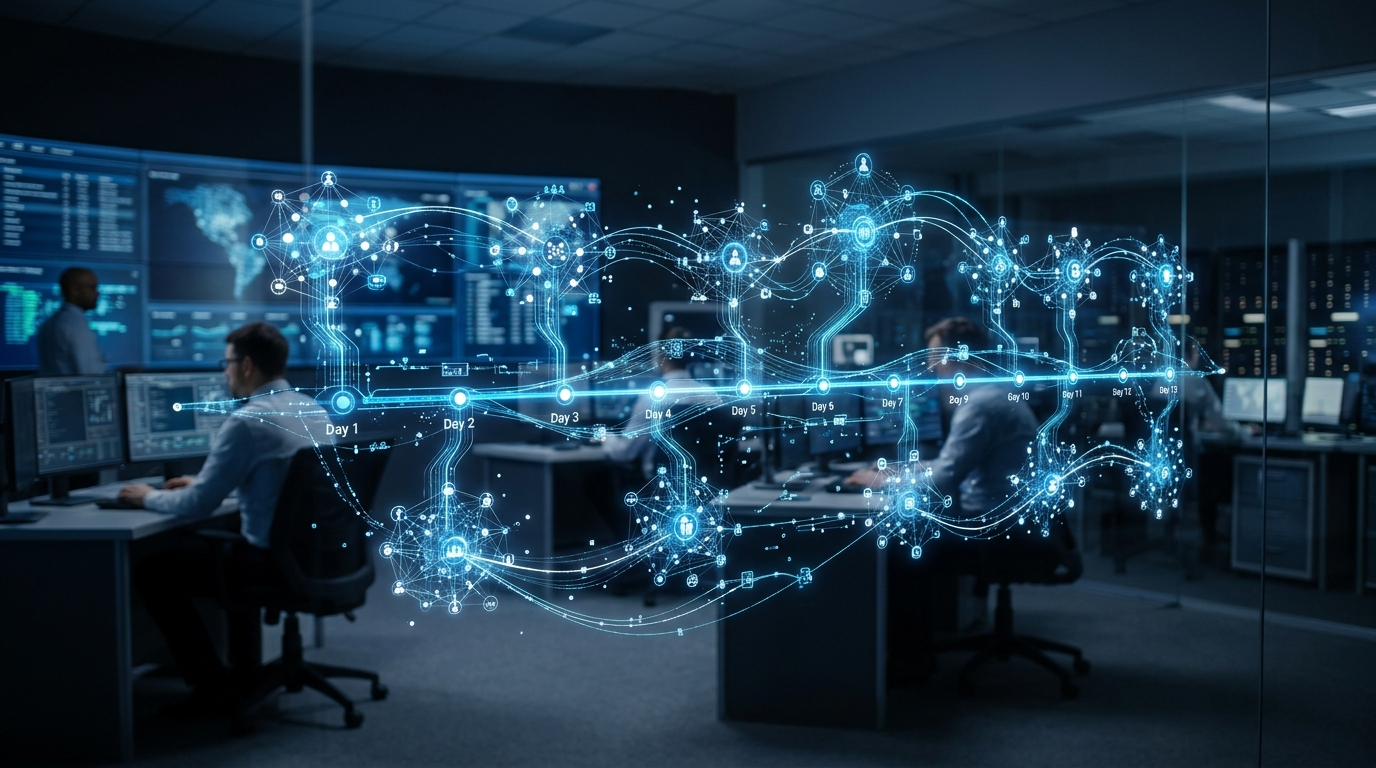
The narrative engine of the film is driven by a strict temporal constraint: Freddy only has thirteen nights to break the curse he has acquired. This countdown mechanism acts as a powerful pacing tool, keeping the audience engaged while providing a structured framework for the escalating comedic and horrific set pieces. As Freddy navigates this 13-night sprint, his interactions with his niece Logan and nephew Lola ground the supernatural chaos in relatable family dynamics. The audience is invited to laugh at the absurdity of a hapless babysitter trying to manage a supernatural curse while keeping two children safe.
Furthermore, the character dynamics present a compelling emotional core. Freddy’s struggle to balance his newfound supernatural abilities with the mundane task of keeping his niece and nephew out of trouble creates a deeply engaging juxtaposition. The audience gets to experience the adrenaline of a monster hunt intercut with the exasperation of childcare. This dual narrative not only keeps the plot moving at a breakneck pace but also provides a masterclass in tension release. Whenever the supernatural threat becomes too intense, a well-timed comedic beat involving Logan and Lola brings the tone back to a safe, PG-rated equilibrium.
This structural analogy is akin to deploying a high-stakes enterprise software update within a strict deadline, all while managing everyday operations. The pressure is immense, the variables are unpredictable, and the consequences of failure are catastrophic—yet, it must be executed with a smile. Trachtenberg’s departure from his typical R-rated horror work allows him to explore this tension in a completely new light. By stripping away the gore, he must rely on timing, anticipation, and visual storytelling—skills that are universally appreciated by consumers across all age groups.
The decision to pitch the feature as a PG-rated animated movie is the ultimate translation of complex technical design into pure consumer joy. It democratizes the horror genre, allowing families to share the thrill of a scare in a safe, controlled environment. The combination of Mercado’s original vision, Trachtenberg’s suspense-building expertise, and Paramount Animation’s technical prowess results in a product that is both innovative and highly accessible. The consumer reality is a movie that delivers genuine scares and laughs, fundamentally altering expectations for what an animated film can achieve.
As the film progresses toward its release, the industry will be watching closely. If successful, the Freddy the 13th Movie will not only validate Paramount Animation’s infrastructural investments but also open the floodgates for a new subgenre of animated entertainment. The seamless integration of dark aesthetics with family-friendly narratives will set a new benchmark, forcing competitors to upgrade their own pipelines and creative strategies to keep pace.
Frequently Asked Questions
Q1: What is the Freddy the 13th Movie about?
A1: It is a PG-rated animated slasher comedy following Freddy VanWinkle, the 13th son of a 13th-born son, who accidentally kills a slasher named Nighty Night and inherits his powers. He has 13 nights to break the curse.
Q2: Who is directing the film?
A2: Dan Trachtenberg is directing the film alongside graphic novel creator Yehudi Mercado, marking a departure from Trachtenberg’s usual R-rated horror work.
Q3: When was the project officially announced?
A3: The film was officially announced in June 2026 at the Annecy International Animation Film Festival.
Q4: Who are the supporting characters in the story?
A4: Freddy is forced to babysit his niece Logan and nephew Lola when the supernatural events occur, and he must also face rival killers attempting to seize the monster mantle.
Q5: Which studio is developing the project?
A5: The film is being developed and produced for Paramount Animation, with Ben Rosenblatt attached as a producer.
TechNode HQ Verdict: Pros, Cons & Usability
- Pro (Engineering): Pushes the boundaries of real-time rendering and global illumination to safely depict horror elements in a PG-rated environment.
- Pro (Consumer): Opens up the suspense and slasher genres to a highly lucrative, cross-generational family demographic.
- Con: The massive scale of custom asset generation for supernatural powers and rival killers could strain standard production budgets.
- Con: Balancing the tone between authentic scares and family comedy presents a severe creative and technical risk.
Enterprise Usability: For competing studios and CTOs, Paramount’s approach demonstrates the ROI of leveraging advanced cloud compute pipelines to adapt niche adult IP for mass-market audiences.
Everyday Usability: For the general public, this represents a unique, must-watch theatrical experience that safely introduces younger viewers to horror tropes without the trauma of R-rated violence.