Key takeaways
- A 12-state coalition is suing to block the $111 billion Paramount-Warner Bros. Discovery merger.
- The WGA filed an antitrust suit, citing suppressed wages and decreased competition for writers.
- Shareholders sued the Ellisons over alleged illegal political concessions to secure regulatory approval.
- Paramount delayed the merger to mid-August 2026, awaiting a federal judge’s ruling.
- A combined entity would merge Max and Paramount+, drastically altering the streaming landscape.
The Architectural Reality of the Paramount-Warner Mega-Merger

The proposed $111 billion Paramount-Warner mega-merger isn’t just a corporate reshuffling of intellectual property—it represents one of the largest infrastructure consolidations in modern entertainment history. Paramount Skydance entered into a definitive agreement to acquire Warner Bros. Discovery in February 2026, at a valuation of $31 per share in cash. From an Enterprise IT perspective, merging these two titans means unifying disparate content delivery networks, massive cloud data silos, and complex global streaming architectures. By combining Max and Paramount+, the new entity aims to drastically reduce the Total Cost of Ownership (TCO) for streaming infrastructure.
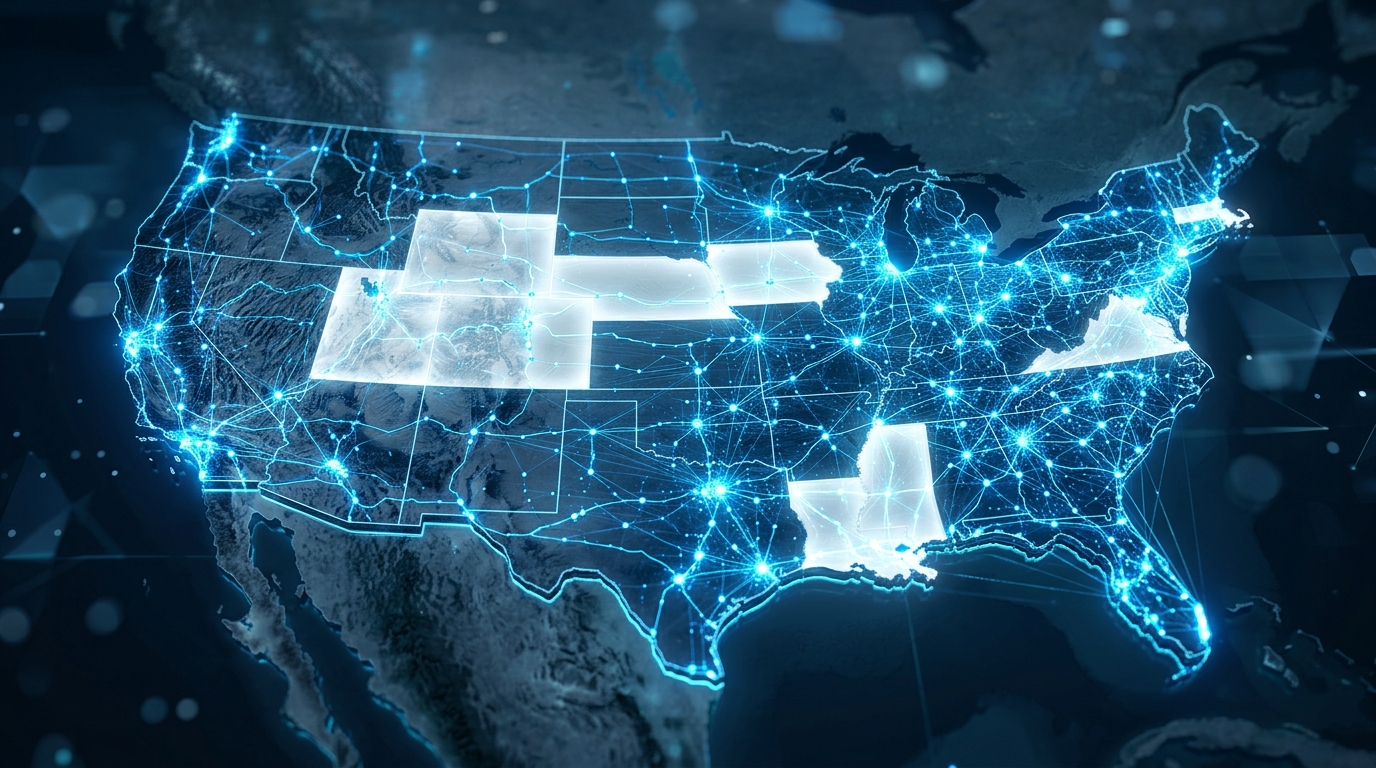
However, the sheer scale of this digital and physical footprint has triggered unprecedented alarm. While the U.S. Department of Justice (DOJ) quietly granted antitrust approval on June 12, 2026, the deal has hit massive roadblocks. A coalition of 12 U.S. states, led by California Attorney General Rob Bonta, has filed a lawsuit alleging the merger violates the Clayton Antitrust Act. These states argue that such a vast consolidation of Networking & Cloud distribution power will inherently stifle competition, leading to higher prices, reduced content quality, and severe harm to movie theaters and traditional cable distributors.
Market Impact & Deployment Delays
The backlash isn’t limited to government regulators. The Writers Guild of America (WGA) has filed its own antitrust lawsuit, aggressively pointing out that the merger will drastically decrease competition for writing services. By forming a near-monopsony employer in the entertainment space, the combined studio structure is poised to place immense downward pressure on compensation. For writers, fewer buyers in the market means fewer opportunities to leverage competitive bids for their scripts and series.
Simultaneously, a derivative action has been initiated by Paramount shareholders in the Delaware Chancery Court against CEO David Ellison and Lawrence Ellison. The plaintiffs allege that the Ellisons made illegal deals and political concessions to the Trump administration—including a $16 million settlement and $20 million in free, pro-conservative advertising—to artificially smooth the runway for regulatory approval. Facing a federal judge in Oakland who is currently considering a temporary restraining order (TRO) to freeze the deal, Paramount Skydance has agreed to a voluntary, temporary delay of the merger until at least mid-August 2026. If Paramount fails to close by September 30, it faces a staggering penalty of $7 million per day paid to investors.
The Consumer Translation & Streaming Monopoly
For the general public, the impact of this corporate maneuvering is stark. Think of this merger like two rival national railway networks fusing into one transcontinental monopoly. While the tracks (streaming platforms) and freight (content) become universally accessible under one ticket, the lack of an alternative route means the operator controls the fare. The merged company would combine major television networks and streaming platforms, bringing together extensive Hollywood studio libraries, including franchises like Batman, Harry Potter, Top Gun, and Game of Thrones.
Yet, this convenience comes at a steep price. Five separate parties of Paramount+ subscribers have already sounded the alarm—their grievances now folded into the federal antitrust case—warning that a merged service will inevitably lead to subscription price hikes and reduced viewing options. While Paramount maintains that the lawsuit is fundamentally flawed and that the merger will create a stronger entity capable of competing against dominant players like Netflix and Disney, the reality of Consumer Tech consolidation is that reduced competition almost always results in higher costs passed down to the end-user.
Frequently Asked Questions
Q1: Why are 12 states suing to block the Paramount-Warner merger?
A1: A coalition led by California AG Rob Bonta alleges the $111 billion merger violates the Clayton Antitrust Act, stifles competition, and harms consumers, movie theaters, and cable distributors.
Q2: What is the Writers Guild of America’s (WGA) concern with the deal?
A2: The WGA contends that combining these two massive studios will increase market concentration, decrease competition for writing services, and put downward pressure on writer compensation.
Q3: Why are Paramount shareholders suing CEO David Ellison?
A3: Shareholders filed a derivative action alleging the Ellisons made illegal deals and political concessions to the Trump administration—including a $16M settlement—to secure regulatory approval.
Q4: When is the merger expected to close?
A4: While the DOJ granted antitrust approval on June 12, 2026, Paramount Skydance has agreed to a voluntary delay until at least mid-August 2026 as a federal judge in Oakland considers a temporary restraining order.
TechNode HQ Verdict: Pros, Cons & Usability
- Pro (Engineering): Massive reduction in cloud computing TCO through the consolidation of redundant streaming delivery architectures.
- Pro (Consumer): A single, unified subscription portal providing access to an unprecedented library of premium IP.
- Con: Near-monopolistic control over the labor market, artificially suppressing wages for writers and creatives.
- Con: Immense legal and regulatory friction threatening massive financial penalties if the deal stalls past September 30.
Enterprise Usability: From an executive standpoint, the merger is a high-risk, high-reward play that requires navigating aggressive antitrust litigation and resolving shareholder lawsuits before the promised infrastructure synergies can be realized.
Everyday Usability: Consumers should brace for inevitable subscription price increases and bundle mandates, as the newly formed giant leverages its combined market power to offset the immense costs of the acquisition.