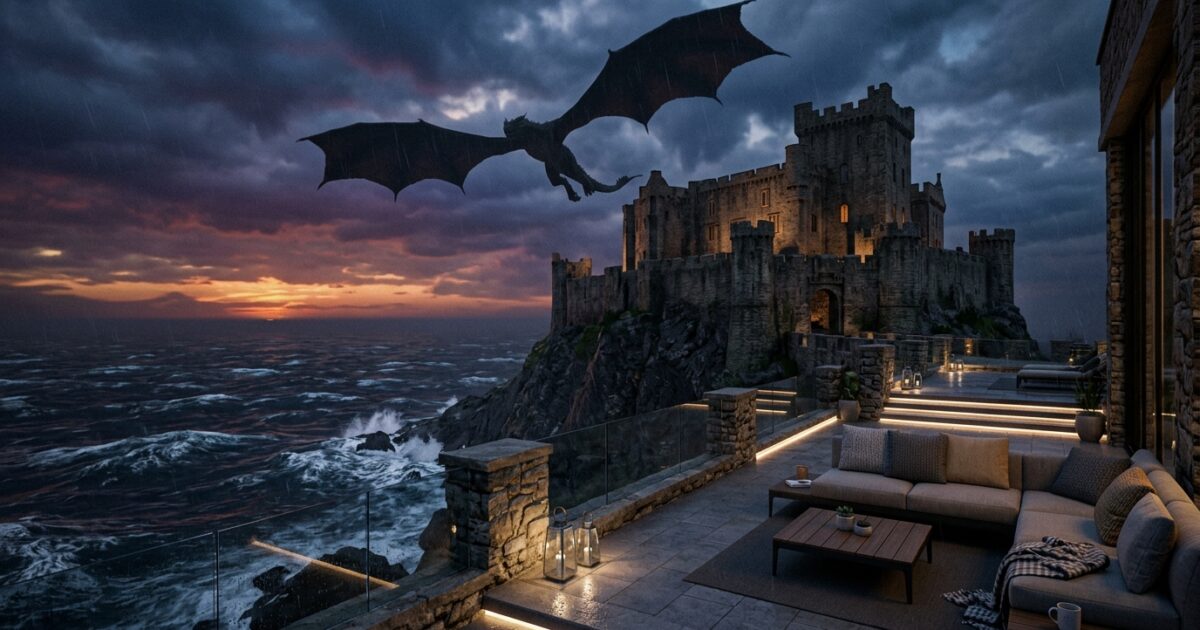
Key takeaways
- House of the Dragon Season 3 exposes the severe vulnerability of deploying biological assets.
- Jacaerys Velaryon’s death underscores the risks of single points of failure in succession planning.
- Traditional “hardware” like crossbows can effectively neutralize high-cost, high-impact aerial systems.
- Rhaenyra’s aggressive pivot mirrors a hostile corporate restructuring following a catastrophic quarterly loss.
- Total Cost of Ownership for dragons includes devastating collateral damage to the consumer base (smallfolk).
House of the Dragon: The Architectural Reality
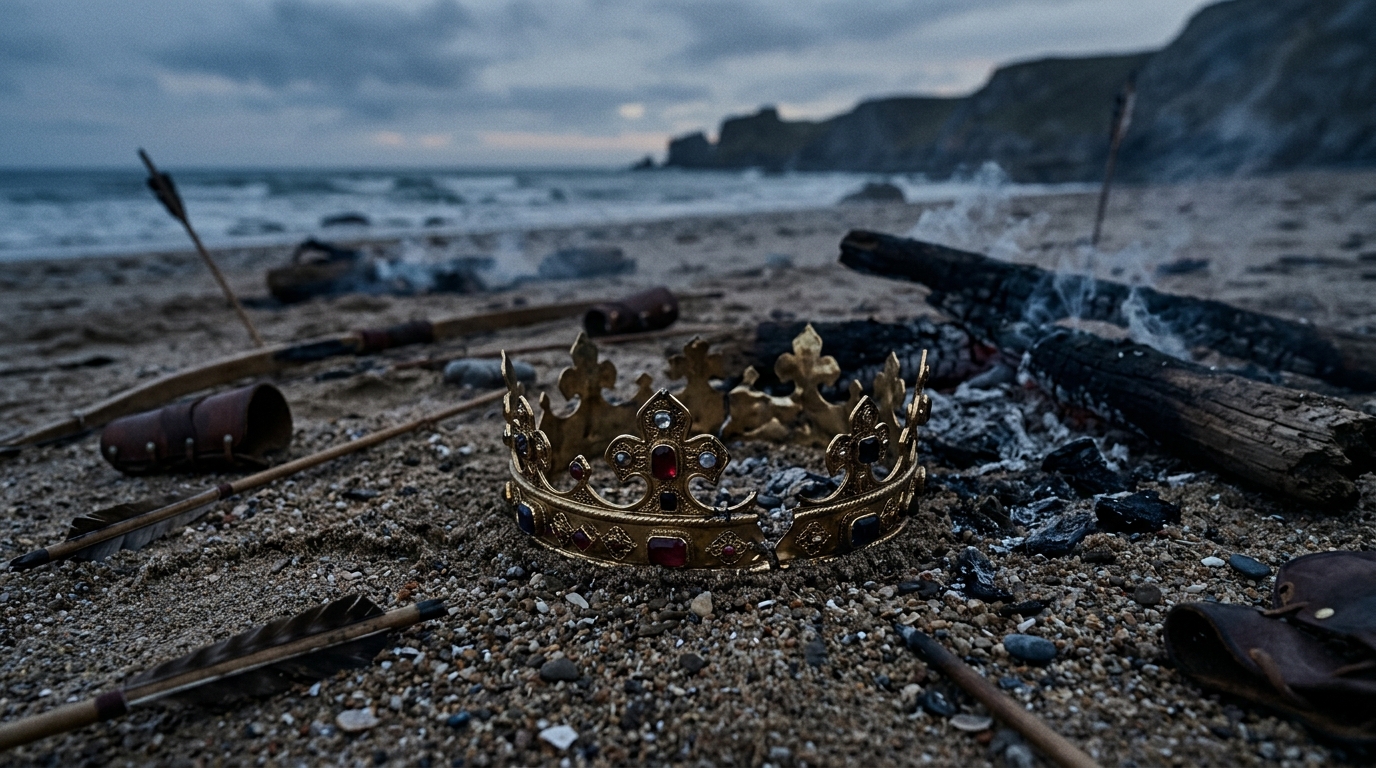
In the highly anticipated season three premiere of House of the Dragon, the narrative takes an unflinching look at what happens when robust legacy systems fail under extreme load. For any veteran Enterprise IT architect analyzing the power structures of Westeros, the “Dance of the Dragons” is more than a civil war; it is a catastrophic collapse of a centralized, vertically integrated infrastructure. The Targaryen dynasty operates on a proprietary platform—dragons—which have historically provided an insurmountable competitive moat. However, the season three premiere underscores a vital lesson in scalability and risk management: great power inevitably brings great operational pain.
The episode picks up immediately in the aftermath of the previous season’s climax, diving straight into the watery, grim consequences of unchecked deployment. Jacaerys “Jace” Velaryon, the designated heir and a critical node in Rhaenyra’s succession planning network, is seen floating lifeless. The destruction of Jace represents a catastrophic single point of failure. In any modern corporate environment, succession planning requires robust redundancy. When the primary successor is deployed directly into a volatile staging environment—in this case, the Battle of the Gullet—without adequate defensive protocols, the entire organizational structure is thrown into chaos. Rhaenyra, acting as the Chief Executive Officer of the “Black” faction, is left grappling with the sudden depreciation of her most vital asset.
Single Points of Failure and the Battle of the Gullet
The Battle of the Gullet serves as a stark case study in the limitations of high-cost Hardware & Silicon equivalents. Jace, desperate to rescue his captured brother Viserys from the Triarchy fleet, deployed his dragon, Vermax, into the heart of a chaotic naval engagement. This hasty deployment lacked proper threat modeling. While dragons are the ultimate strategic deterrent, they are not immune to low-level brute-force attacks. Vermax was struck by conventional, low-tech Myrish crossbows and scorpions—a testament to how a sufficiently motivated adversary can neutralize premium technology using readily available, open-source-equivalent weaponry. After Vermax was compromised, Jace was forced to dismount into the sea, where he subsequently drowned after being struck by multiple arrows.
This incident is heavily criticized by fans and analysts alike, with many on platforms like Reddit questioning the showrunners’ handling of Jace’s character arc. From a purely architectural standpoint, it highlights a critical flaw in Targaryen deployment methodology: placing the system’s most valuable personnel in high-risk zones without sufficient armor or backup. The haunting cinematography of Baela Targaryen retrieving Jace’s body perfectly captures the grim reality of a failed deployment. It is a visually arresting reminder that no matter how powerful the core processing unit (the dragon) might be, the overall system is only as durable as its most fragile component—the human rider.
Market Impact & Deployment
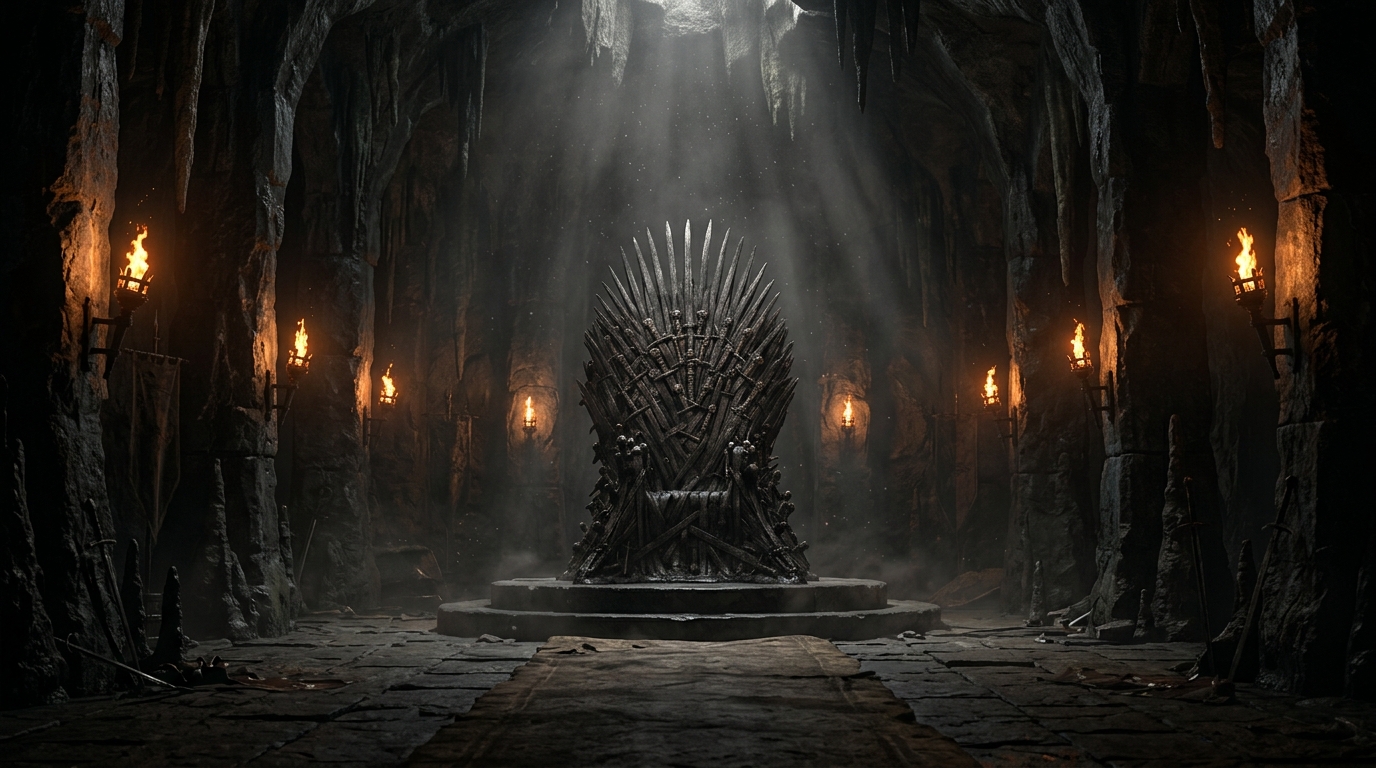
The market impact of Jace’s death on the Targaryen civil war cannot be overstated. Following the Battle of the Gullet, Rhaenyra’s governance model undergoes a radical restructuring. Reviews have universally praised Emma D’Arcy’s performance as she navigates this intense grief, portraying a leader who is pushed past the point of diplomacy. The loss acts as a direct catalyst, accelerating her timeline for a hostile takeover of King’s Landing. This is no longer a phased rollout of power; it is an aggressive, nihilistic sprint toward total market domination, disregarding the previously established rules of engagement.
Meanwhile, on the opposing side, Alicent Hightower is frantically attempting to maintain stability in a crumbling organizational structure. With Aegon fleeing alongside Larys Strong—an act akin to a high-level data exfiltration event—and Aemond deploying Vhagar on unsanctioned missions to Harrenhal, the “Green” faction’s command-and-control hierarchy is severely degraded. Alicent is left trying to negotiate terms of surrender and internal stability with the Lord Commander of the City Watch, Ser Luthor Largent. Her attempts to streamline operations and mitigate damage mirror a desperate C-suite executive trying to stem the bleeding after a disastrous quarterly earnings report, only to find that the board has already lost faith.
Total Cost of Ownership in the Westerosi Ecosystem
When analyzing the deployment of dragons, one must strictly calculate the Total Cost of Ownership (TCO). Dragons require massive logistical support, constant feeding, and highly specialized handlers. When deployed in combat, the collateral damage they inflict heavily drives up the hidden costs of warfare. The ruins of High Tide and the smoldering beaches of the Gullet represent immense capital losses. Lord Corlys Velaryon, surveying the destruction, poignantly notes the pyrrhic nature of such victories. The return on investment for dragon warfare is increasingly negative, leading to a destabilized economy and a workforce (the army and smallfolk) that is rapidly losing morale and resources.
Furthermore, the introduction of the Dragonseeds—uncertified third-party contractors like Ulf and Hugh—introduces massive compliance and security risks. Daemon Targaryen, acting as the Chief Operating Officer, explicitly warns them not to “engage in thinking, or making decisions, or having ideas.” Integrating untested nodes into a highly sensitive Networking & Cloud infrastructure of warfare almost guarantees future latency and rogue executions. The governance required to manage these wildcards significantly increases the administrative overhead for Team Black.
Security Vulnerabilities in Legacy Protocols
King’s Landing itself, the central hub of Westerosi power, demonstrates fatal security vulnerabilities. When Rhaenyra and Daemon finally breach the Red Keep, they face shockingly little resistance. Alicent’s previous orders to stand down, combined with the defection of the City Watch, illustrate how quickly physical security protocols can collapse when the internal culture turns toxic. The Red Keep’s firewall was breached not just by dragons, but by deep-seated institutional rot and shifting allegiances.
Deprecating Otto Hightower
The climax of this hostile takeover is the execution of Otto Hightower. Found tucked away in the black cells, Otto represents the ultimate legacy system—manipulative, deeply ingrained, and fundamentally incompatible with Rhaenyra’s new, ruthless operating system. His beheading in the throne room is a gruesome but necessary system purge. By allowing Daemon to assist in the execution, Rhaenyra permanently deprecates the old ways of political maneuvering, signaling to all remaining stakeholders that the new regime operates on a policy of zero tolerance for subversion. It is a bloody, definitive end to a prolonged period of technical debt.
The Consumer Translation
While executives and royals play their high-stakes game of thrones, the “consumers”—the smallfolk of Westeros—bear the brunt of this technological warfare. For the average citizen, a dragon is not a strategic asset; it is an apocalyptic natural disaster. The deployment of Syrax, Caraxes, and Vhagar causes widespread terror, infrastructure collapse, and severe disruption to daily life. The smallfolk are the end-users suffering from an update they never requested, forced to navigate a burning city while the ruling class disputes ownership of the Iron Throne.
Collateral Damage and Infrastructure Collapse
The Dance of the Dragons effectively halts all productive commerce. Supply chains are severed by the Triarchy blockade, civic infrastructure is immolated, and the general populace is left starving and fearful. When Ser Simon Strong is casually run through by Aemond at Harrenhal, it perfectly encapsulates the disregard the powerful hold for the mid-level management and civilian populations. To put it in modern terms: the C-suite is deploying unpatched, experimental AI models directly into the public sphere, and the resulting algorithmic hallucinations are leaving actual bodies in their wake. The consumer reality of Westeros is one of absolute powerlessness in the face of rapidly scaling, highly destructive technology.
Frequently Asked Questions
Q1: What is the primary cause of system failure in the House of the Dragon Season 3 premiere?
A1: The primary failure occurs when Jacaerys Velaryon’s dragon, Vermax, is neutralized by conventional Myrish crossbows during the Battle of the Gullet, exposing the vulnerability of high-value aerial assets to low-tech security measures.
Q2: How does Rhaenyra respond to the loss of her heir?
A2: Rhaenyra responds with a highly aggressive, nihilistic restructuring of her strategy, pivoting from measured negotiation to a violent, decisive move to retake King’s Landing.
Q3: Why is Otto Hightower’s execution significant?
A3: Otto Hightower’s execution represents the ultimate deprecation of a legacy system; his removal signals a shift away from traditional, manipulative governance toward ruthless, immediate power consolidation.
Q4: What are the consumer implications of the Dance of the Dragons?
A4: The “consumers” or smallfolk face devastating collateral damage, as the high-level power struggle and deployment of dragons result in widespread destruction of civic infrastructure and loss of life.
TechNode HQ Verdict: Pros, Cons & Usability
- Pro (Engineering): The sheer destructive capability of dragons provides an unparalleled, immediate strategic advantage that bypasses traditional sieges.
- Pro (Consumer): For the ruling class, deploying dragon-riders significantly accelerates conflict resolution timelines.
- Con: Single points of failure; biological assets like dragons and their riders are vulnerable to low-tech, asymmetric warfare tactics (e.g., crossbows).
- Con: Massive Total Cost of Ownership and catastrophic collateral damage to local infrastructure and the consumer base.
Enterprise Usability: For a modern CTO analyzing this conflict, the deployment of dragons is a cautionary tale against relying on proprietary, monolithic architecture without adequate redundancy. Diversifying defensive assets and securing the supply chain is critical.
Everyday Usability: For the public, the technology of dragons is entirely hostile. There is no positive consumer usability; the average citizen should prioritize immediate evacuation protocols when aerial assets are deployed in their sector.