Key takeaways
- Over 850 active Canadian fires are blanketing the US with hazardous particulate matter.
- A strengthening El Niño and central US heat dome trap the smoke at ground level.
- Over 115 million Americans across 20+ states are under severe air quality alerts.
- Enterprise infrastructure must adapt HVAC and remote work policies for smoke events.
- Residents should stay indoors, use N95 masks, and set AC to recirculate.
The Architectural Reality of Canadian Wildfire Smoke
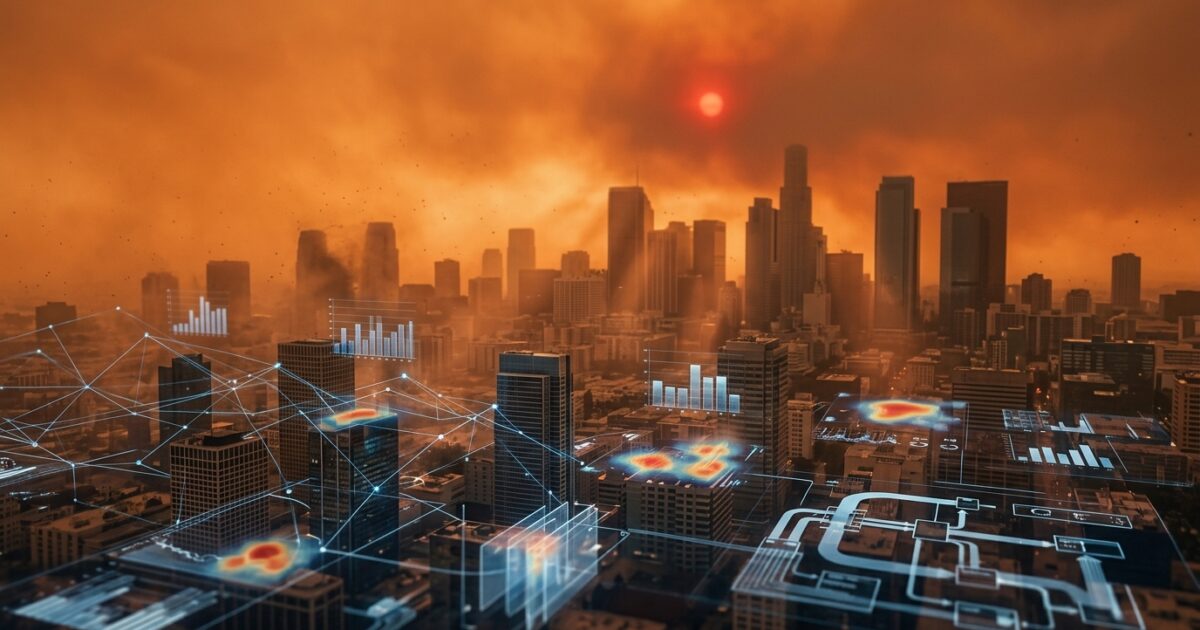
As of July 2026, the United States is facing an unprecedented atmospheric event. The Canadian Wildfire Smoke crisis has rapidly escalated, with over 850 active fires burning across Canada—725 of which are completely out of control. This massive combustion event is sending gigatons of particulate matter (PM2.5) across the border, profoundly affecting both human health and Enterprise IT operations.
The meteorological architecture driving this phenomenon operates like a high-speed data pipe. A rapidly strengthening El Niño has shifted the jet stream, establishing an atmospheric conveyor belt that routes smoke directly from the Northwest Territories, Quebec, and Ontario into the eastern United States. Simultaneously, a persistent heat dome over the central U.S. acts as a firewall, trapping the wildfire smoke near the ground and preventing it from dispersing into the upper atmosphere. This dual-layered system has pushed air quality to hazardous levels, with Detroit temporarily recording the worst air quality in the world, closely followed by Toronto and Minneapolis.
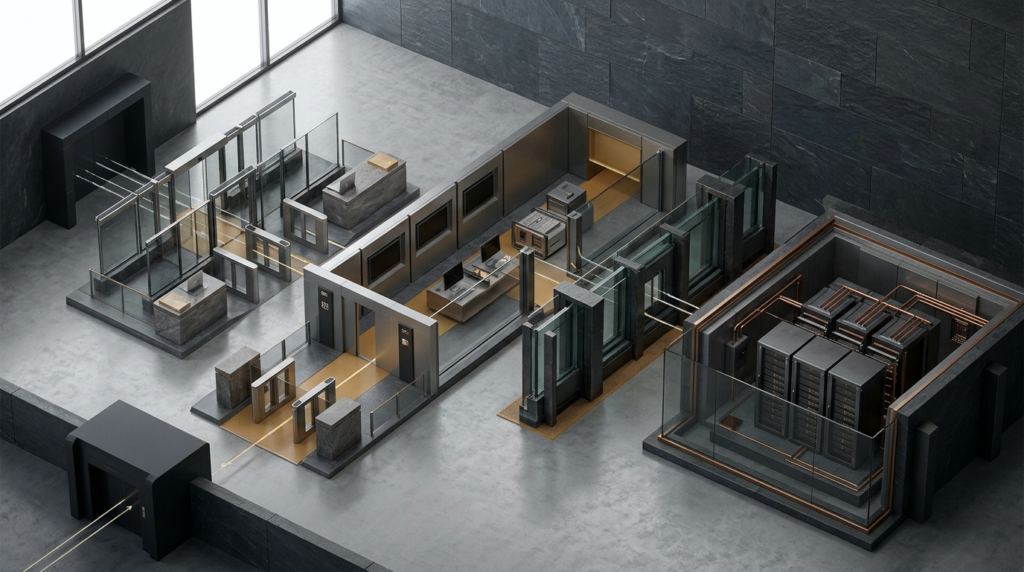
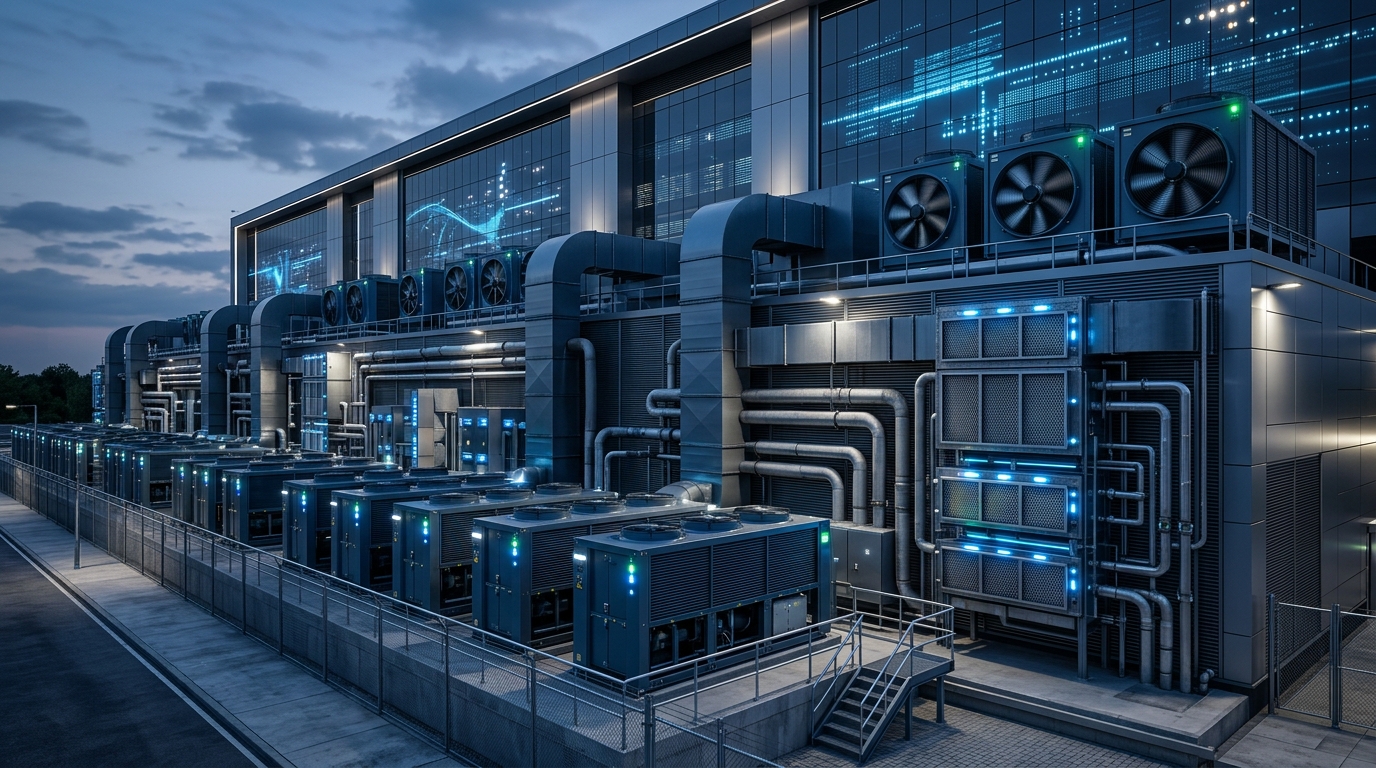
For organizations relying on physical infrastructure, the dense concentration of particulates necessitates an immediate re-evaluation of facility management. Data centers and corporate campuses must rely on advanced HVAC filtration to prevent microscopic soot from compromising servers, routing equipment, and other delicate Hardware & Silicon. Without proper HEPA integration, the influx of particulate matter can lead to thermal throttling and hardware degradation.
Market Impact & Deployment Challenges

The economic and operational footprint of this environmental disaster is staggering. Currently, more than 115 million people across over 20 states—spanning from Minnesota and Michigan to New York, New Jersey, and North Carolina—are under severe air quality alerts. The immediate requirement to keep personnel indoors is causing a sudden spike in remote work, severely stress-testing Networking & Cloud infrastructure across the affected regions.
From a Total Cost of Ownership (TCO) perspective, enterprises must now factor in the cost of enhanced building filtration and the productivity losses associated with widespread respiratory distress. The Joint North American Seasonal Fire Assessment indicates that regional precipitation deficits and nationwide warmth in Canada will sustain extreme fire danger through the end of July. Consequently, businesses cannot treat this as a transient anomaly; it requires sustained investment in business continuity protocols and resilient supply chains.
The Consumer Translation: Living Under the Plume
For the general public, the highly technical shifts in atmospheric pressure translate into a grim everyday reality. Residents across the Midwest, Great Lakes, and Northeast are waking up to hazy skies, orange-tinted sunrises, and the ubiquitous smell of campfire smoke. Major metropolitan areas including Chicago, Cleveland, Philadelphia, and Boston are enduring unhealthy to hazardous conditions that pose severe risks to cardiovascular and respiratory health.
Authorities have mandated strict public health protocols. Individuals are strongly urged to limit, reduce, or completely reschedule strenuous outdoor activities. To maintain a safe indoor environment, residents must keep windows and doors tightly sealed while ensuring that their air conditioning units are set to ‘recirculate’ mode. For those whose commutes or essential duties require outdoor exposure, the use of N95 masks is not just recommended—it is a critical requirement to filter out dangerous fine particulate matter.
Future Outlook and Mitigation Strategies
Forecasters predict that the most severe conditions will persist through at least Friday, July 17, 2026. While shifting winds are anticipated to help disperse some of the smoke over the weekend, the relief may be fleeting. As long as the primary ignition sources in Canada remain active, intermittent returns of dense smoke are highly probable. Conditions can shift rapidly depending on micro-meteorological wind patterns, making real-time monitoring crucial for both individuals and enterprises.
This reality underscores the need for robust environmental monitoring and adaptive civic infrastructure. As climate change continues to usher in an era of smoke-choked summers, adapting to this new normal will require a blend of advanced forecasting models, dynamic HVAC systems, and flexible workforce deployments.
Frequently Asked Questions
Q1: Why is Canadian Wildfire Smoke so severe in the US right now?
A1: A rapidly strengthening El Niño has shifted the jet stream, creating an atmospheric conveyor belt that funnels smoke from over 850 active Canadian fires into the US. Additionally, a central US heat dome is trapping this particulate matter near the ground.
Q2: Which areas are most affected by the air quality alerts?
A2: More than 20 states are under alerts, with the most severe impacts concentrated in the Midwest, Great Lakes, Northeast, and Mid-Atlantic. Cities like Detroit, Minneapolis, Chicago, and New York City are experiencing unhealthy to hazardous air quality.
Q3: How long will the hazardous air quality last?
A3: The poor air quality is expected to persist through at least Friday, July 17, 2026. While shifting winds may help disperse the smoke over the weekend, intermittent returns of smoke are likely as the wildfires remain active.
Q4: What should individuals do to protect themselves?
A4: Officials strongly urge residents to stay inside with windows closed and set air conditioning to recirculate mode. If outdoor exposure is unavoidable, wearing an N95 mask is highly recommended to filter out fine particulate matter.
TechNode HQ Verdict: Pros, Cons & Usability
- Pro (Engineering): Accelerates enterprise adoption of advanced HVAC HEPA filtration and resilient edge network architecture for remote work.
- Pro (Consumer): Raises mass awareness regarding indoor air quality monitoring and standardizes the deployment of consumer-grade purification systems.
- Con: Massive unpredictable spikes in VPN and cloud infrastructure load due to sudden mandates for 115 million people to stay indoors.
- Con: Hardware degradation in older data centers lacking modernized filtration systems, as PM2.5 particulates bypass legacy cooling intakes.
Enterprise Usability: CTOs and Facilities Managers must immediately audit their data center intake systems and shift to recirculated, HEPA-filtered air to prevent hardware failure. Furthermore, network administrators must aggressively scale remote access capacities to accommodate the sudden, sustained shift to hybrid work across the Eastern seaboard and Midwest.