Key takeaways
- U.S. Senate race between Susan Collins and Troy Jackson.
- A survey conducted by UMass Lowell and YouGov indicates 76 percent of Maine residents oppose hosting data centers in their communities over grid capacity and water usage concerns.
- Despite state legislative approval of a temporary moratorium on facilities exceeding 20 megawatts, Governor Janet Mills vetoed the measure, shifting battles to local town ballots.
- Tech executives and AI-aligned political action committees have injected record sums into the contest, making it the most expensive per-capita Senate race in national history.
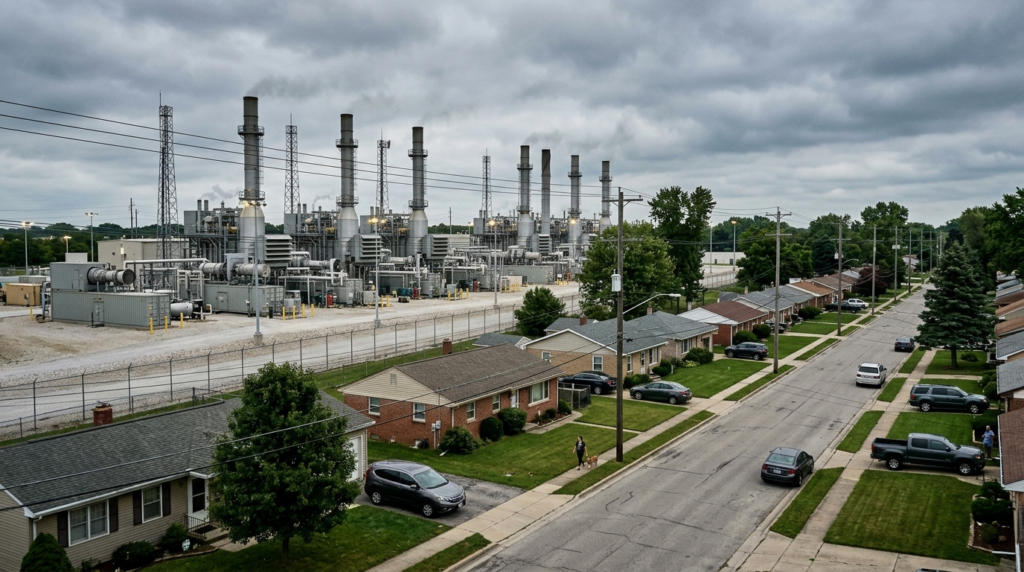
The rapid expansion of AI data centers across rural communities has become a defining battleground in Maine’s 2026 U.S. Senate race between incumbent Republican Senator Susan Collins and Democratic challenger Troy Jackson. Tech developers targeting former paper mill towns for massive server campuses are colliding with widespread local resistance over electric grid strain, water depletion, and surging utility rates. In a contest that could determine control of the Senate, tech executives and political action committees have poured tens of millions of dollars into campaign coffers, transforming local zoning pushback into a national referendum on federal artificial intelligence infrastructure policy.
Rural Pushback and the Legislative Moratorium
Public anxiety over hyperscale computing infrastructure boiled over during the final debate of the Maine midterms, when an audience member interrupted Senator Susan Collins to protest the climate and water pollution risks of data center expansion. The disruption underscored an issue that has rapidly escalated into one of the state’s most contentious political disputes.
In April 2026, the Maine Legislature passed LD 307, which would have established the nation’s first statewide temporary moratorium on large-scale facilities requiring 20 megawatts or more of electrical capacity. The pause aimed to allow state regulators to evaluate grid reliability, water usage, and ratepayer cost impacts. However, Democratic Governor Janet Mills vetoed the measure ten days later, warning against blanket bans. In response, municipal governments across Maine began enacting local ordinances or placing moratorium referendums directly onto November town ballots.
A survey by UMass Lowell and YouGov found that 76 percent of Maine respondents oppose building a data center in their community, with 58 percent strongly opposed. The pushback reflects voter frustration in a state where residential consumers already face elevated electricity rates and record heating oil expenses this autumn.
Infrastructure Costs, Resource Drain, and the Employment Gap
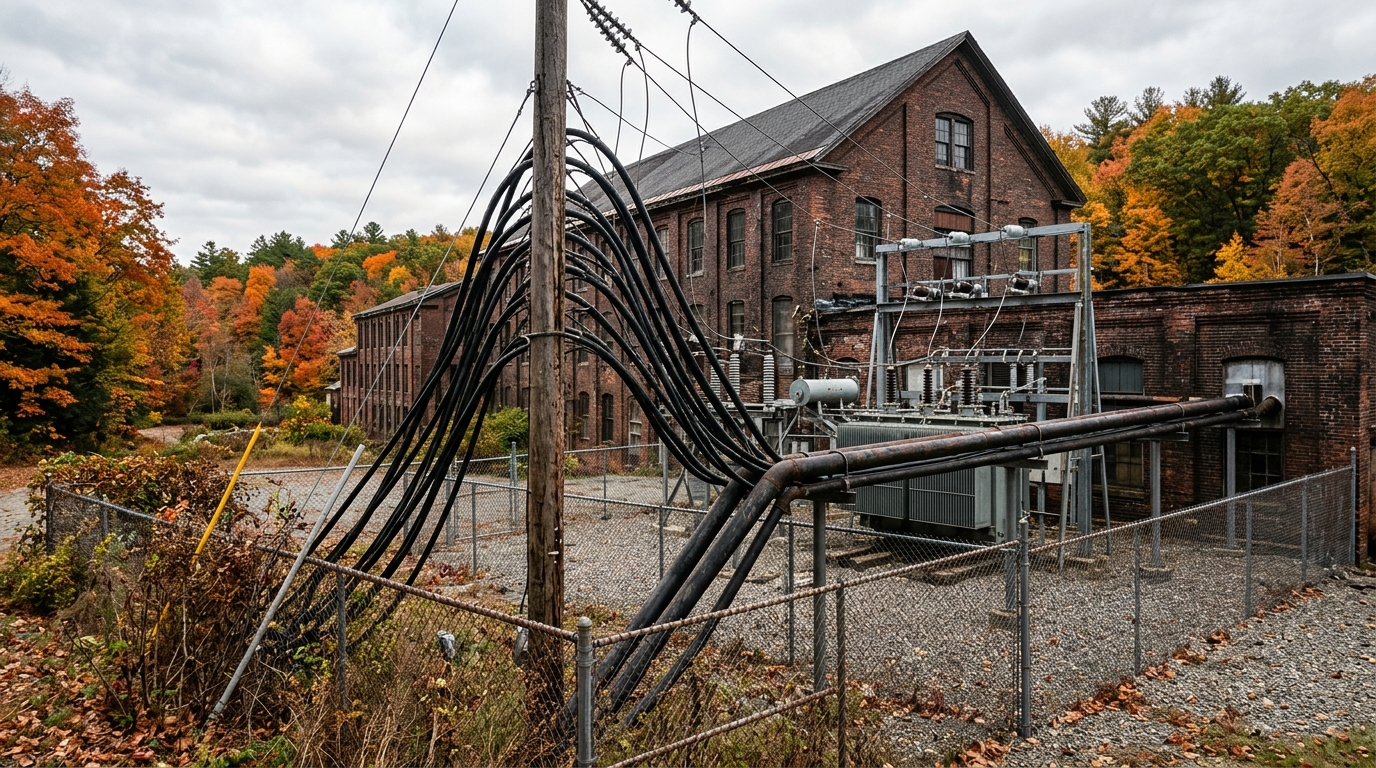
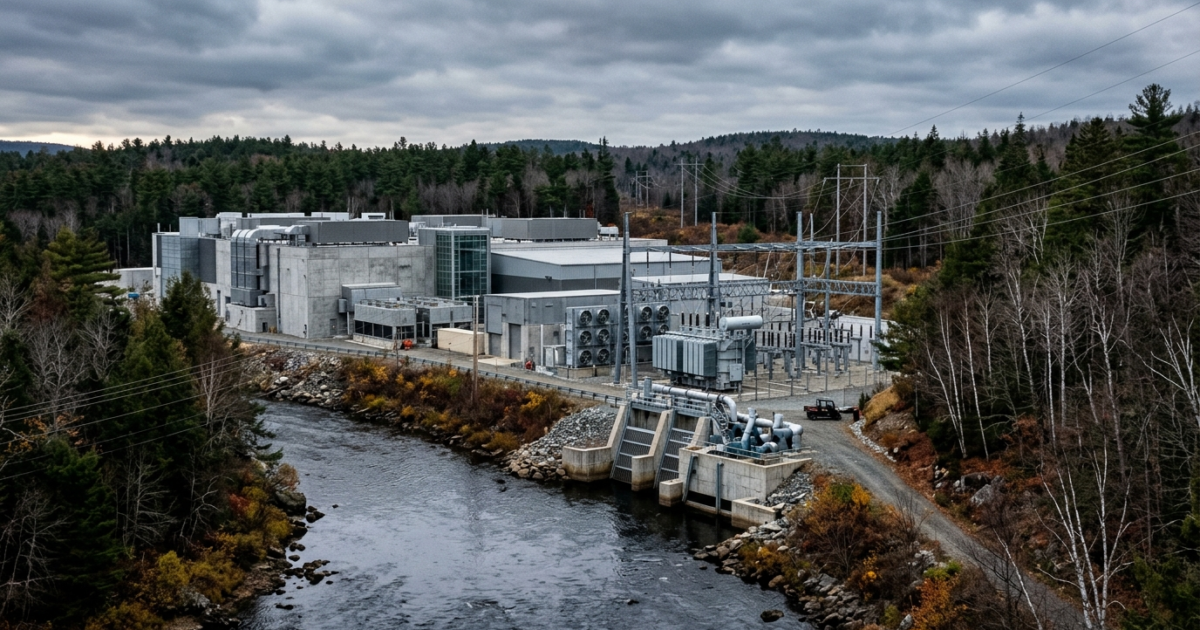
Maine offers digital infrastructure firms cheap industrial land, freshwater river access for cooling, and legacy power infrastructure at shuttered paper mills. Historically, the forest products sector sustained rural payrolls, contributing $8.3 billion to Maine’s economy in 2024 before tariffs and operating overhead forced mill closures. While developers pitch server farms as an engine to rebuild local tax bases, economic research shows completed facilities provide virtually no net employment.
University of Maine political science chair Mark Brewer emphasized that unlike paper mills that once employed shifts of 1,000 workers, automated data centers require minimal staffing. Colby College Public Policy Lab director Nicholas Jacobs noted that rural voters increasingly perceive hyperscale facilities as an extractive model—drawing on community energy and water reserves while exporting profits out of state.
| Candidate | Data Center Policy Position | Campaign & Super PAC Financing | Disclosed Assets & Sector Holdings |
|---|---|---|---|
| Susan Collins (R) | Advocates case-by-case project reviews; secured $6.2 million in federal appropriations for a central Maine high-performance computing facility. | Supported by $42 million from Senate Leadership Fund and $29.1 million from Pine Tree Results PAC; individual contributions from tech and venture capital leaders. | Disclosed household assets valued at $4 million to $10 million; holds an estimated $300,000 to $800,000 in AI and data center holdings via spouse. |
| Troy Jackson (D) | Proposes statutory operational guardrails, ratepayer protections, independent environmental reviews, and union labor requirements. | Part of a projected $81 million Democratic campaign spending effort; no documented financial support from tech or digital infrastructure PACs. | Disclosed household assets valued between $147,000 and $430,000; former logger and state Senate leader with no tech equity holdings. |
Silicon Valley Campaign Financing and Political Action Committees
Projected campaign spending has reached $114 million for Republicans and $81 million for Democrats, making the contest the most expensive per-capita Senate race in U.S. history.
As chair of the Senate Appropriations Committee, Collins secured $6.2 million in federal funding for a central Maine computing hub. Campaign records show individual donations to Collins from Palantir CEO Alex Karp, Andreessen Horowitz partners Marc Andreessen and Ben Horowitz, and executives across Microsoft, Meta, and Google. Tech Influence Watch identified $325,644 in direct contributions to Collins from tech and crypto donors, alongside backing from nearly 100 billionaires.
The Republican Senate Leadership Fund deployed nearly $42 million into Maine advertising. Elon Musk donated $158 million to the federal Senate Leadership Fund and directed $2.1 million to Maine through America PAC. These outlays coincide with industry maneuvering as tech giants navigate capital bottlenecks and power constraints across AI data center debt markets. Musk’s SpaceX corporate PAC and Blackstone CEO Stephen Schwarzman also contributed directly to Pine Tree Results PAC, which spent $29.1 million backing Collins.
Official disclosures show Collins and her husband, Thomas Daffron, hold assets worth $4 million to $10 million, including an estimated $300,000 to $800,000 in AI and data center investments. Daffron received consulting fees from the lobbying firm of Scott Reed, who chairs Pine Tree Results PAC and previously represented a Maine data center developer. Challenger Troy Jackson reported assets between $147,000 and $430,000, with no tech holdings, while campaigning on union labor standards and strict grid safeguards.
What happens next
The Senate race will determine committee gavels in the next Congress, deciding whether federal policy accelerates data center subsidies or imposes national grid and environmental oversight. In Maine, November ballot votes on municipal moratoria will establish immediate precedents for rural zoning boards facing hyperscale AI infrastructure demands.