Key takeaways
-
- Ascend Performance Materials verified its cyber recovery architecture under live threat conditions ahead of an approaching Florida hurricane, ensuring manufacturing plants and decades of process records can be restored in isolation.
- The manufacturer transitioned from a node-based Rubrik backup architecture to Dell PowerProtect Data Domain to halt escalating node-scaling costs, reduce datacenter power draw, and eliminate storage footprint sprawl.
- Dell pre-configured, racked, and validated the hardware prior to delivery, enabling Ascend to reliably complete nightly backups and isolate both modern enterprise systems and legacy operational technologies.
- Resolving data management bottlenecks shifted Ascend’s IT focus from manual storage maintenance to data availability and pipeline governance, establishing the operational foundation for enterprise AI deployment.
Industrial materials manufacturer Ascend Performance Materials LLC has overhauled its enterprise cyber recovery and data protection infrastructure, migrating from scale-out node appliances to pre-validated Dell PowerProtect systems. The deployment was validated during a recent Florida hurricane threat, confirming that plant operations and decades of process data can be isolated, backed up, and restored without disruption. By resolving backup bottlenecks and eliminating storage sprawl across distributed facilities, Ascend is establishing the resilient data foundation required to support enterprise AI initiatives across complex manufacturing environments.
Operational resilience tested under storm conditions
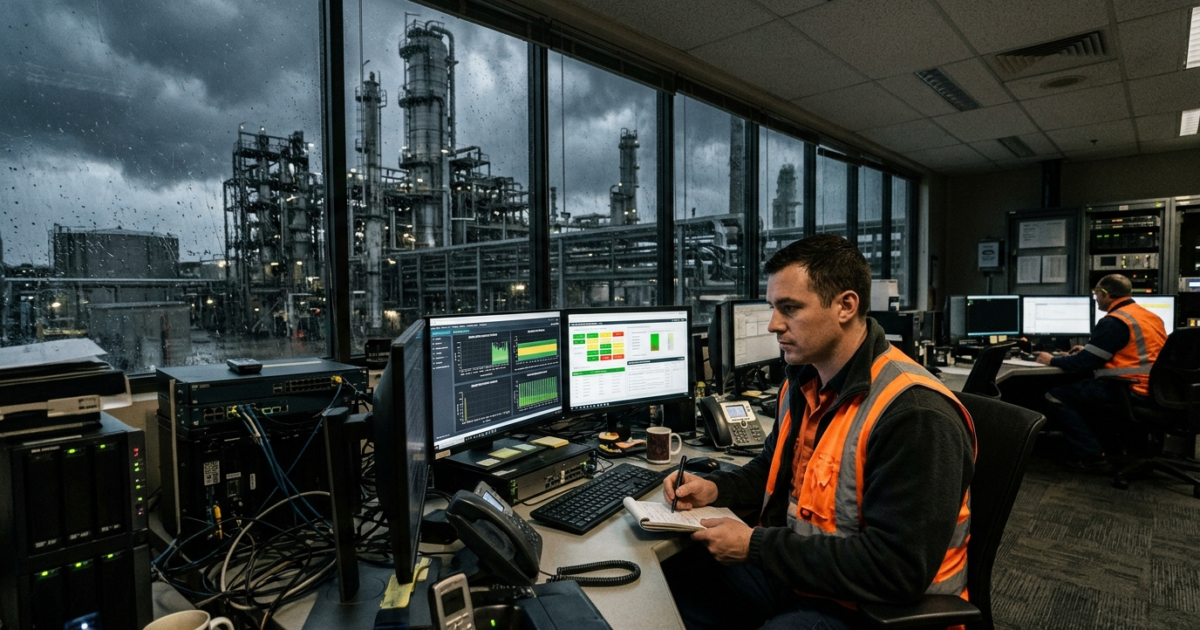
For industrial chemical and specialty materials manufacturers, operational resilience is directly tied to plant safety and production continuity. Ascend operates large-scale, continuous-process manufacturing plants that generate decades of critical telemetry, formulation records, and process-control data. Unplanned downtime or data corruption does not simply delay administrative workflows; it risks halting chemical production lines and compromising physical plant operations.
When a hurricane recently tracked toward one of Ascend’s primary manufacturing facilities in Florida, the company’s IT leadership initiated a live verification of its disaster recovery protocols. The objective was to confirm that on-site systems could maintain localized control while critical data was fully backed up, replicated off-site, and capable of being restored in an isolated environment.
Speaking with Krista Case of theCUBE Research during SiliconANGLE’s AI Cybersecurity and Resilience Summit, Xiong Xiong, vice president of information technology at Ascend, explained that the real-world test validated their recovery readiness. “This is the stuff that helps me sleep at night and helps me go back to my executive leadership and the board and say: ‘Look, we have the resilience in place and we’ve double-checked, triple-checked, and we have the right partner helping us,'” Xiong stated. “We just put it to test literally last week.”
Migrating from node sprawl to isolated recovery
The successful disaster recovery drill capped a deliberate shift away from Ascend’s prior backup architecture. Previously, Ascend utilized a scale-out, node-based backup environment from Rubrik. While that system supported initial expansion, the continuous growth of manufacturing records triggered what enterprise infrastructure planners describe as the “scale-out backup boomerang”: each capacity expansion required adding compute-heavy nodes, driving up hardware acquisition costs, rack space, power consumption, and operational overhead in the datacenter.
Beyond hardware sprawl, Ascend faced operational bottlenecks during nightly backup cycles. IT teams struggled to complete high-volume data transfers, verify backup integrity, and synchronize data to secondary recovery sites within allocated maintenance windows. Compounding this challenge was Ascend’s diverse infrastructure, which blends modern enterprise applications with legacy operational technology (OT) systems essential to manufacturing execution.
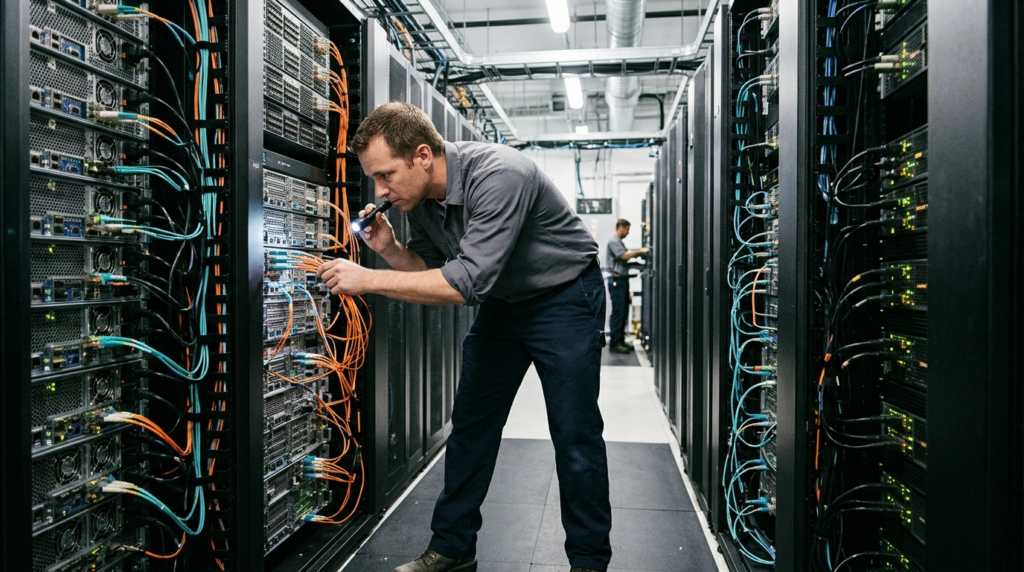
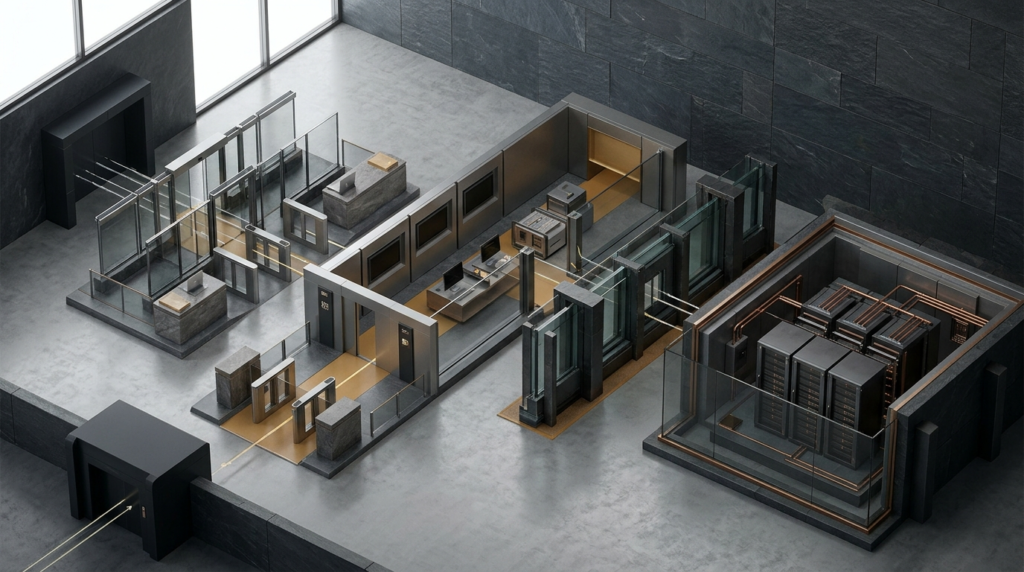
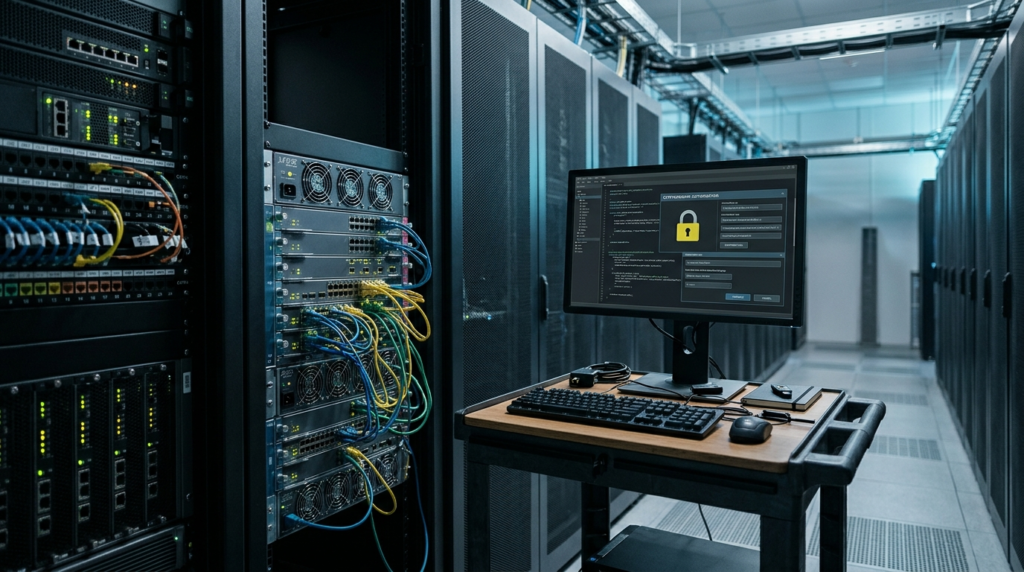
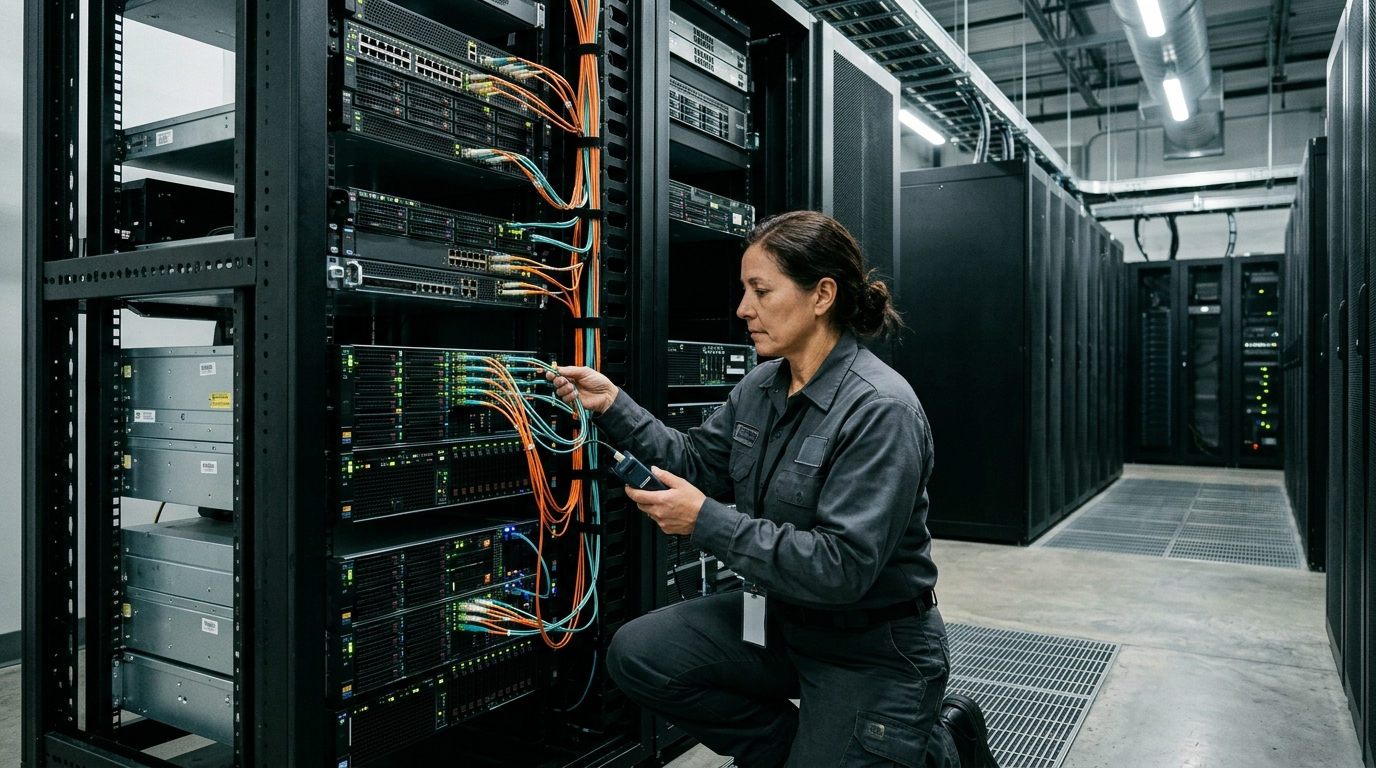
To resolve these constraints, Ascend migrated its backup architecture to Dell PowerProtect Data Domain. Dell racked, configured, and validated the hardware appliances before handing them over to Ascend’s engineering team for deployment. During validation, Ascend confirmed that backups completed locally, moved securely to an off-site recovery vault, and could be restored in complete isolation. Crucially, the isolated recovery environment successfully booted both modern workloads and older, specialized operational systems that had historically resisted automated recovery workflows.
| Operational Dimension | Previous Node-Based Environment | Dell PowerProtect Architecture |
|---|---|---|
| Datacenter Footprint | Escalating node additions increased physical rack space and power draw | Consolidated target storage footprint with reduced power and cooling demands |
| Nightly Backup Windows | Prolonged backup windows with manual integrity verification bottlenecks | Automated high-speed deduplication and consistent off-site replication |
| Legacy Plant Support | Inconsistent recovery testing for aging operational technology systems | Validated isolated recovery for both legacy industrial systems and modern stacks |
Turning protected operational data into AI readiness
For Ascend, securing its data protection pipeline represents more than defensive insurance against storms or cyberattacks; it is a prerequisite for operationalizing enterprise artificial intelligence. Industrial manufacturing environments accumulate massive quantities of sensor readings, production histories, and quality control logs, yet extracting value from these assets has historically been constrained by infrastructure friction.
“We’re very, very data-rich [and] information-poor, and we’re changing that,” Xiong observed during the summit. Eliminating the manual overhead of managing storage consumption across sites freed IT personnel to concentrate on data curation, pipeline integrity, and governance. With verified, clean recovery points established, Ascend can confidently expose historical and real-time operational data to analytical and machine learning workloads without risking production stability.
At the same time, the integration of AI into industrial environments introduces new security considerations. Xiong emphasized that Ascend now expects technology vendors to embed native AI defenses directly into their platforms to counter increasingly sophisticated, automated threats. As enterprises adopt agentic workflows and automated data processing, understanding how autonomous agents can introduce security risks makes resilient, verified recovery points essential to prevent poisoned pipelines or unauthorized manipulation of operational models.
What happens next
The convergence of cyber resilience and AI preparation at Ascend reflects a wider movement across industrial enterprises. As organizations transition from experimentation to production AI, maintaining reliable, isolated recovery copies of proprietary data is becoming a board-level operational requirement.
To address this demand, enterprise infrastructure providers are expanding recovery automation beyond traditional storage targets. Dell Technologies has expanded cyber resilience features across AI environments, introducing automated recovery capabilities for foundational identity directories including Microsoft Active Directory, Microsoft Entra ID, and Okta. Because enterprise AI models and data pipelines depend strictly on identity permissions for data access, protecting identity infrastructure ensures that data restoration cannot be undermined by compromised access controls.
For enterprise IT directors and infrastructure leaders, Ascend’s deployment demonstrates that AI readiness cannot be separated from fundamental storage hygiene. Organizations evaluating AI initiatives should first audit whether their backup architectures can reliably complete nightly cycles, isolate legacy operational technology, and verify recovery without downtime before introducing advanced analytical layers onto legacy data foundations.
Sources
- Security infrastructure helps Ascend unlock its data for AI – SiliconANGLE
- The Scale-Out Backup Boomerang: Why Node-Based Architectures Get Expensive | Dell USA
- Dell Technologies Strengthens Cybersecurity and Resilience Across AI Environments, Identity and Infrastructure :: Dell Technologies, Inc. (DELL)
- Dell Technologies Strengthens Cybersecurity and Resilience Across AI Environments, Identity and Infrastructure