Key takeaways
- employees in Germany, completing its first live payroll run in July 2026 without operational disruption.
- DACHSER retains its proprietary transport and warehouse management systems developed in-house since the 1980s, using SAP Business Technology Platform (BTP) and SAP Integration Suite to broker data flow between logistics and cloud ledgers.
- Under its ‘SAP First’ strategy, DACHSER rolls out standardized SAP finance and HCM platforms in newly acquired companies before deploying its proprietary road freight software.
- Following the HCM cloud transition, DACHSER plans to evaluate moving its financial ledger to RISE with SAP once its three-year Microsoft Azure hosting agreement concludes.
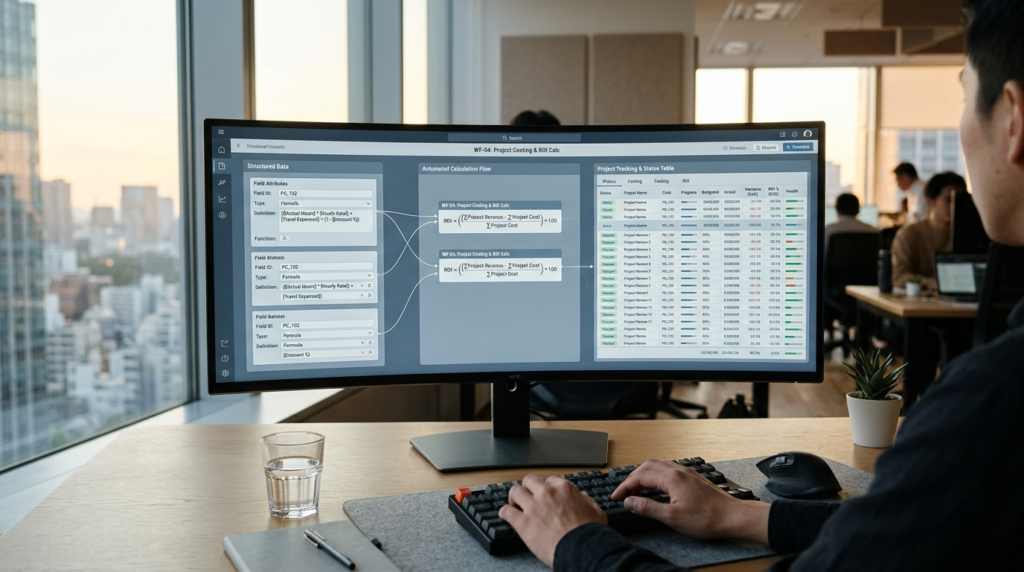
DACHSER has completed the migration of its human capital management (HCM) environment to SAP S/4HANA Cloud through the RISE with SAP managed service model, transitioning payroll and time management systems for approximately 19,000 employees in Germany to the cloud. The transition, announced on October 14, 2026, marks the culmination of an eight-month collaborative engineering effort with SAP. The project represents a critical modernization milestone in the logistics provider’s long-term strategy to establish a unified digital operating environment across its worldwide freight and warehousing network by 2030 while maintaining coexistence with specialized proprietary transport platforms.
Migration Scope and HCM Workload Transition
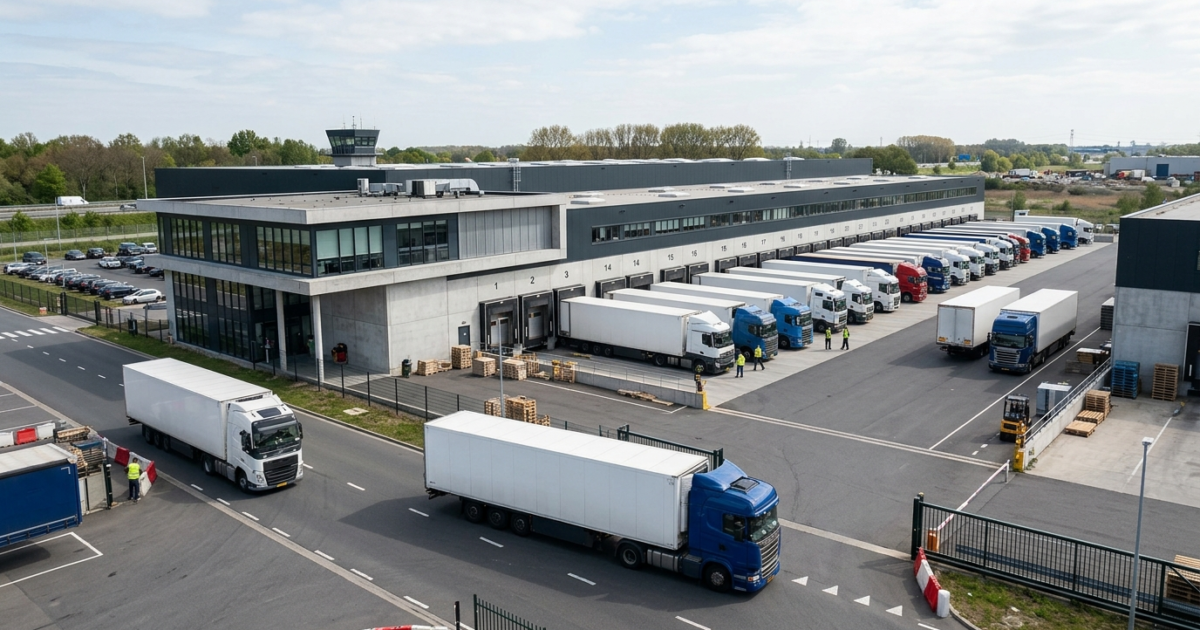
The eight-month project focused on shifting core personnel administration, workforce time management, and domestic payroll execution off legacy infrastructure and into SAP’s managed cloud infrastructure. Headquartered in Kempten, Germany, the family-owned logistics company employs roughly 37,500 personnel worldwide across 427 branches in 43 countries, with Germany accounting for approximately 19,000 staff members across freight forwarding, warehouse logistics, and corporate administration.
The technical cutover occurred in June 2026, followed by the first live, production-scale payroll run in July 2026, which completed on schedule without operational disruption. Following cutover, the implementation team conducted a four-week hypercare monitoring period to stabilize payroll workflows, resolve interface anomalies, and verify data reconciliation before handing over operational maintenance to permanent enterprise support teams in August 2026.
Herbert Egner, head of the IT Products Finance/HR division at DACHSER, noted that while the organization evaluated cloud-based HCM options three years ago, the vendor’s managed offering had not reached the operational maturity required for DACHSER’s enterprise workforce constraints at that time. With the S/4HANA foundation now in production, the logistics operator intends to use the standardized cloud architecture to deploy advanced talent and workforce management capabilities within the SAP SuccessFactors HCM Suite.
Hybrid Architecture and Coexistence with Proprietary Systems
DACHSER’s enterprise IT strategy diverges notably from standard greenfield enterprise resource planning (ERP) deployments. While the company has relied on SAP software for financial management since 2009, it retains proprietary software systems developed in-house since the 1980s for core road transport logistics and warehouse management. These specialized in-house systems continue to handle complex dispatching, consignment tracking, and terminal operations because off-the-shelf ERP platforms historically lacked the specific functional depth required for European overland freight networks.
To support this hybrid IT environment, DACHSER licensed the SAP Business Technology Platform (SAP BTP) in 2024. Enterprise integration relies on SAP Integration Suite to broker data exchanges between custom dispatching platforms and cloud accounting ledgers. Additionally, operational teams use BTP low-code development tools to digitize distributed frontline tasks, such as replacing paper inspection forms and clipboards with tablet-based digital damage logging across vehicle terminals.
| Enterprise Domain | Software Platform | Deployment Model & Operational Role |
|---|---|---|
| Road & Warehouse Operations | Proprietary logistics systems | On-premise core developed since the 1980s managing road freight and terminal logistics. |
| Financial Management | SAP ERP Central Component (ECC) / HANA | Migrated to Microsoft Azure in October 2024 under a three-year cloud hosting contract. |
| Human Capital Management | SAP S/4HANA Cloud (RISE with SAP) | Cloud-hosted payroll and time management live for 19,000 German employees as of June 2026. |
| Workflow & Integration Layer | SAP BTP & Integration Suite | Connects custom logistics platforms with SAP finance; hosts low-code mobile field apps. |
The enterprise infrastructure footprint remains intentionally split across cloud providers. In October 2024, DACHSER migrated its financial software from on-premise SAP ECC and SAP HANA environments to Microsoft Azure. According to Egner, once the existing three-year Azure hosting commitment reaches expiration, DACHSER plans to evaluate whether transitioning the financial ledger to RISE with SAP offers architectural and licensing advantages over standalone hyperscaler hosting.
M&A Integration and Global License Governance

As DACHSER expands its global footprint—which generated €8.3 billion in revenue in 2025—the company enforces a standardized “SAP First” deployment sequence for corporate acquisitions. When integrating newly acquired logistics providers that maintain disparate local IT environments, DACHSER rolls out standardized SAP finance and HCM modules prior to deploying its proprietary warehouse and road freight platforms. This sequencing was recently executed for acquired operations in Italy and is currently being deployed across newly integrated business entities in the Iberia region.
A primary friction point in logistics M&A stems from inherited software licensing. Acquired entities frequently operate under separate, regional software contracts with varied maintenance terms. DACHSER is establishing a semi-automated workflow to consolidate disparate regional licenses into a centralized global enterprise agreement with SAP, eliminating administrative overhead and establishing consistent license governance regardless of where subsidiary systems operate.
This licensing rationalization accompanied commercial discussions surrounding DACHSER’s broader contract conversion from legacy SAP ECC to SAP S/4HANA. Egner emphasized that navigating the migration required structured realignment between vendor and customer, noting that long-term enterprise modernization depends on balancing vendor-recommended cloud architectures against specific organizational customization requirements.
What happens next
Following the stabilization of German payroll operations, enterprise IT decision-makers and infrastructure leaders can observe several near-term milestones across DACHSER’s digital transition:
- SuccessFactors Feature Rollout: HR technology teams will begin implementing expanded capabilities within the SAP SuccessFactors suite, building upon the clean S/4HANA foundation established during the German payroll cutover.
- Finance Cloud Contract Evaluation: Enterprise architects will monitor performance on Microsoft Azure ahead of the contract expiration, evaluating whether to unify financial ledgers under RISE with SAP alongside the HCM environment.
- Iberian M&A Deployment: IT integration teams will execute the “SAP First” roadmap across recent logistics acquisitions in Spain and Portugal, establishing financial and personnel baselines before introducing proprietary transport software.
- Automated License Consolidation: Procurement and software asset management teams will operationalize the semi-automated licensing workflow to ensure incoming corporate acquisitions adhere to DACHSER’s global SAP enterprise agreement.