Key takeaways
- Dementia prevention vaccines act as critical infrastructure updates, reducing Alzheimer’s risk significantly.
- The recombinant shingles vaccine is associated with a 20% reduction in dementia risk.
- RSV vaccines like Arexvy show a 29% reduction in dementia risk over 18 months.
- Routine pneumococcal vaccines can lower Alzheimer’s risk by up to 63% for adults over 65.
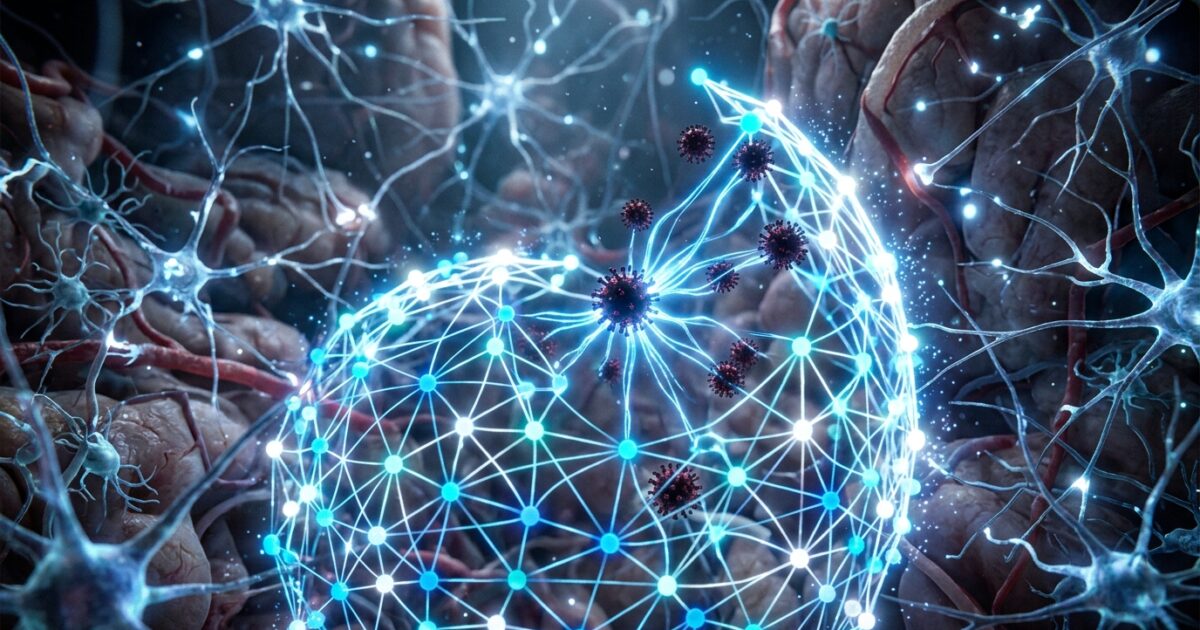
- Adjuvants in modern vaccines stimulate specific immune cells to protect neural pathways from inflammatory damage.
In the rapidly evolving landscape of healthcare infrastructure and human longevity, dementia prevention vaccines have emerged not just as a medical breakthrough, but as a critical defense protocol for the aging global workforce. For decades, the biomedical and enterprise health sectors have viewed cognitive decline primarily as an unavoidable hardware degradation issue—a gradual decay of the brain’s neural pathways driven by rogue proteins like amyloid beta and tau. However, a massive paradigm shift is currently underway. Modern epidemiological data and advanced bio-analytics suggest that dementia is heavily influenced by external pathogen intrusion and systemic inflammation. In this context, routine adult immunizations act as essential firmware updates, patching vulnerabilities and upgrading the body’s internal firewall to protect the most complex data processing center in existence: the human brain.
Recent research provides a staggering look into how routine inoculations—traditionally designed to prevent acute respiratory and viral infections—are inadvertently serving as long-term neuroprotective agents. As the world faces an aging population, with millions currently living with Alzheimer’s disease and that number projected to double by mid-century, understanding the mechanics behind these protective effects is paramount. This deep-dive explores the hard data, the biological engineering, and the macroeconomic impact of leveraging vaccines to secure cognitive health, translating complex virology into actionable enterprise and consumer insights.
The Architectural Reality of Dementia Prevention Vaccines
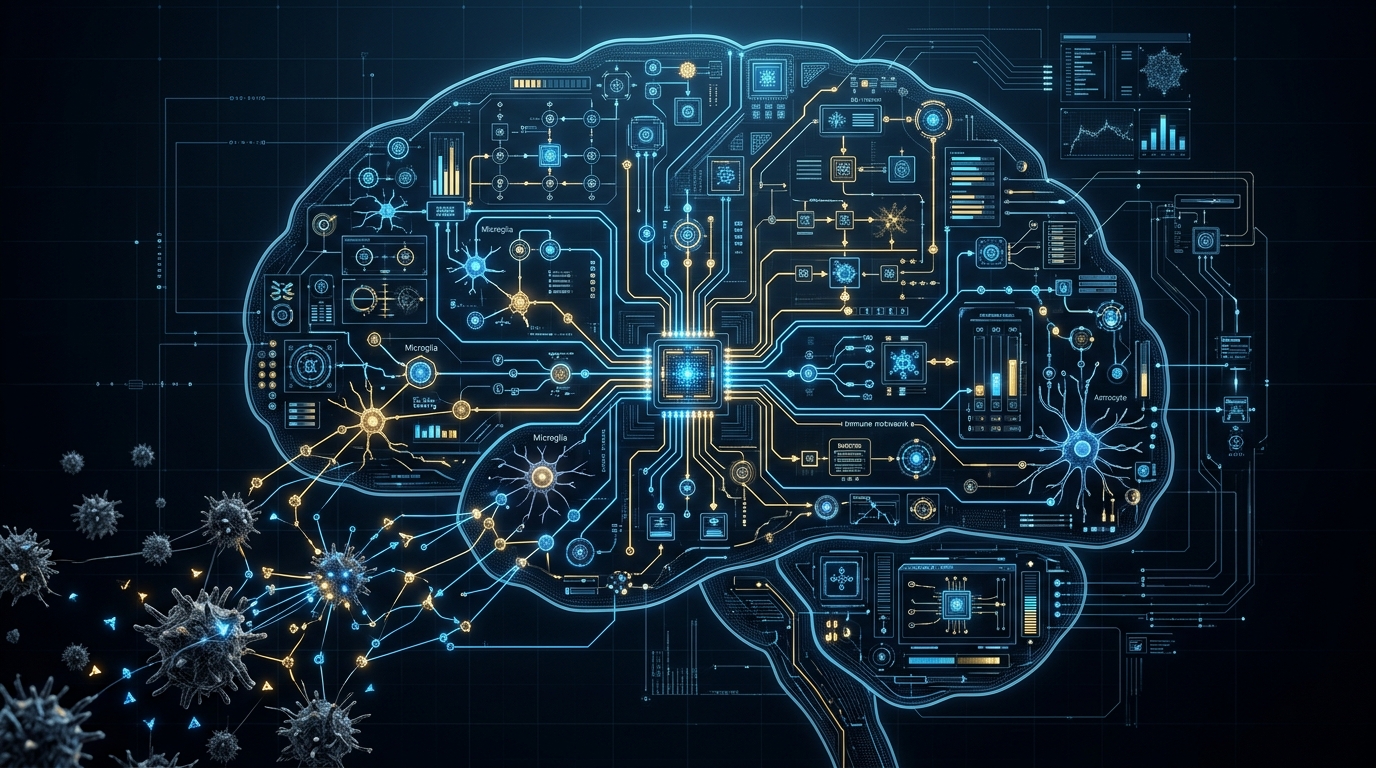
To fully grasp the mechanics of dementia prevention vaccines, one must first view the human central nervous system (CNS) through the lens of Enterprise IT architecture. The brain has historically been considered an “immune-privileged” environment, separated from the rest of the body by the blood-brain barrier—a strict perimeter firewall designed to keep unauthorized biological agents out. However, viruses such as the Herpes Simplex Virus (HSV) and the Varicella Zoster Virus (VZV), which causes chickenpox and shingles, are highly sophisticated “malware.” Following an initial infection, these viruses can lie dormant within the peripheral nervous system for decades, effectively bypassing the perimeter defenses and waiting for the host’s immune system to weaken before reactivating.
When VZV reactivates as shingles, it is not merely a localized skin issue; it is a systemic breach. VZV is uniquely capable of replicating inside cerebral arteries, triggering massive neuroinflammation and increasing the risk of transient ischemic attacks and strokes. Stroke is a well-established risk factor for vascular dementia. Furthermore, emerging neurobiological theories suggest that amyloid beta and tau—the proteins historically blamed as the root cause of Alzheimer’s—may actually serve as antimicrobial peptides. In this model, these proteins aggregate to trap invading pathogens. While this defense mechanism works in the short term, chronic viral reactivation leads to excessive protein buildup, eventually destroying the very neural networks they were meant to protect.
This is where vaccines execute their primary function. By inoculating the host, vaccines update the immune system’s threat signatures. They prime T-cells and adaptive immune responses, effectively deploying Endpoint Detection and Response (EDR) agents throughout the body. When a virus attempts to reactivate, a primed immune system neutralizes the threat before it can trigger the cascading inflammatory responses that lead to amyloid plaque accumulation. Furthermore, modern inoculations like the recombinant shingles vaccine (Shingrix) utilize advanced adjuvants. These adjuvants act as immune system amplifiers, stimulating specific immune cells that help protect the brain from the harmful inflammatory processes underlying dementia. By preventing severe infections, vaccines drastically reduce the collateral inflammatory damage to the brain, preserving cognitive function and neural integrity.
Market Impact & Deployment: The Data Behind the Defense

The statistical evidence supporting the efficacy of these neuroprotective updates is both robust and accelerating, driven by massive datasets and rigorous regression analyses. Recent research suggests a highly promising link between routine adult vaccinations and a reduced risk of developing dementia. The data clearly shows that staying up to date with shingles, influenza, pneumonia, and Respiratory Syncytial Virus (RSV) vaccines may significantly help protect cognitive health in adults aged 50 and older.
A landmark study conducted by researchers from Brown University and the University of Delaware utilized a regression discontinuity design to analyze nursing home residents. They found that residents who received the shingles vaccination were significantly less likely to be diagnosed with dementia over a four-year span compared to their unvaccinated counterparts. Zooming in on the specifics, significant evidence links the recombinant shingles vaccine to a dementia risk reduction of approximately 20% compared to those who did not receive the vaccine. This is a massive statistical advantage, rivaling or exceeding the efficacy of many highly expensive, specialized anti-amyloid pharmacological treatments currently hitting the market.
But the neuroprotective benefits are not limited to shingles. A recent study published in npj Vaccines found that the RSV vaccine (Arexvy) was associated with a remarkable 29% reduction in dementia risk in the 18 months following vaccination. Furthermore, routine vaccinations against influenza (the flu) have been consistently associated with a lower risk of dementia across various systematic reviews and meta-analyses. Individuals who receive at least one flu vaccine may experience a 17% lower risk of developing Alzheimer’s disease, and crucial longitudinal data suggests that this protective effect is even more pronounced when routine influenza vaccination begins at a younger age.
The data surrounding the pneumococcal (pneumonia) vaccine is perhaps the most striking. Research has noted Alzheimer’s risk reductions ranging from 25% to 40% when individuals received the pneumococcal vaccine between the ages of 65 and 75. Even more profoundly, one comprehensive study estimated a reduction in Alzheimer’s disease risk by as much as 63% for adults aged 65 and older who receive the pneumococcal vaccine. Additionally, routine vaccinations against Tdap (tetanus, diphtheria, and pertussis) have also been associated with a lower risk of dementia, further cementing the hypothesis that general immune system training provides broad-spectrum cognitive protection.
Skeptics in the epidemiological community rightly point out the potential for a “healthy user bias”—the idea that individuals who proactively stay up-to-date with their vaccinations are also more likely to exercise, eat well, and engage in other healthy lifestyle habits that naturally lower dementia risk. However, modern research methodologies actively adjust for this bias. The sheer consistency of these findings across different vaccines, distinct geographic populations, and varying study designs strongly suggests that the vaccination itself plays a direct and meaningful role in dementia risk reduction.
The Consumer Translation: Real-World ROI & Preventative Maintenance
Translating these highly technical biomedical findings into everyday reality reveals a massive return on investment (ROI) for general consumers and the global healthcare apparatus. Dementia is one of the most financially and emotionally devastating conditions in modern society. The direct medical costs, combined with the unquantifiable burden placed on family caregivers, create a macroeconomic drag that strains public health systems to their breaking point. If a routine series of over-the-counter immunizations can delay the onset of dementia by even a few years, the compound savings in healthcare logistics are astronomical.
For the average consumer, this research completely reframes the value proposition of the annual flu shot or the milestone shingles vaccine. These are no longer just preventative measures against a week of fever, coughing, or painful rashes; they are vital preventative maintenance for the brain. Severe infections, particularly respiratory illnesses like influenza and pneumonia, cause acute systemic inflammation that has now been shown to accelerate cognitive decline. By preventing these severe infections, individuals are actively protecting their cognitive bandwidth and ensuring the longevity of their personal neurological hardware.
Furthermore, this data empowers consumers to take a proactive stance against cognitive aging. The realization that vaccinations “train” the immune system, resulting in a broader beneficial effect that helps prevent brain cell dysfunction, democratizes dementia prevention. It shifts the narrative from a fatalistic wait-and-see approach regarding genetic predispositions to an actionable, highly accessible protocol. A trip to the local pharmacy for a Tdap or Shingrix shot is effectively a localized firmware update that yields decades of systemic stability.
The Future of Cognitive Security and Data Analytics
As we look to the horizon, the intersection of immunology and cognitive health will increasingly rely on advanced data orchestration and AI and machine learning. The current wave of observational studies relies heavily on vast lakes of electronic health records and medical claims data. However, as the pharmaceutical industry—including giants like GSK—launches large-scale clinical trials to definitively test the causal relationship between vaccines and dementia prevention, the volume of biological data generated will require unprecedented computational power to parse.
We are entering an era where Networking & Cloud infrastructure will be tasked with tracking longitudinal immune profiles across millions of patients. Predictive analytics will soon be able to identify individuals whose immune systems are aging prematurely, triggering automated alerts for targeted vaccine interventions before neuroinflammation can initiate cognitive decline. The Alzheimer’s Pathobiome Initiative and similar consortiums are already working to standardize the detection of elusive intracellular pathogens. As these detection tools become more sophisticated, we can expect the development of bespoke vaccines designed specifically to target the neuro-invasive viruses most heavily correlated with Alzheimer’s disease.
Ultimately, the discovery that common vaccines can prevent dementia is a testament to the interconnected nature of human biology. It proves that securing the network perimeter against conventional threats is the most effective way to protect the central processing unit. As research progresses, the medical community’s approach to cognitive decline will likely pivot from reactive chemical interventions to proactive, lifelong immunological patch management.
Frequently Asked Questions
Q1: How do dementia prevention vaccines actually protect the brain?
A1: Vaccines train the immune system to fight off severe infections, which in turn reduces systemic inflammation. By preventing inflammatory damage to the brain and stopping pathogens from crossing the blood-brain barrier, vaccines help maintain cognitive health.
Q2: Which specific vaccines have been linked to a reduced risk of dementia?
A2: Research shows that staying up to date with the recombinant shingles vaccine, influenza (flu) vaccine, pneumococcal (pneumonia) vaccine, RSV vaccine (Arexvy), and the Tdap vaccine is associated with a lower risk of developing dementia.
Q3: How much does the shingles vaccine reduce the risk of dementia?
A3: Significant evidence links the recombinant shingles vaccine (Shingrix) to a dementia risk reduction of approximately 20% compared to individuals who did not receive the vaccine.
Q4: Does the age at which I get vaccinated matter for Alzheimer’s prevention?
A4: Yes, studies suggest that the protective effect of vaccines like the flu shot against Alzheimer’s disease is more pronounced when routine vaccination begins at a younger age.
Q5: Is the reduced dementia risk just because vaccinated people are generally healthier?
A5: While a “healthy user bias” does exist—where vaccinated individuals often engage in other healthy habits—researchers consistently adjust for this in studies. The massive consistency of findings suggests the vaccinations themselves play a meaningful role in dementia risk reduction.
TechNode HQ Verdict: Pros, Cons & Usability
- Pro (Engineering): Leverages existing, highly tested immunological delivery systems to inadvertently patch critical CNS vulnerabilities and reduce neuroinflammation.
- Pro (Consumer): Provides an accessible, low-cost, and easily deployable protocol to proactively protect against devastating long-term cognitive decline.
- Con: Reliance on observational data means the exact causal biological mechanisms (e.g., specific T-cell interactions) remain partially obscured pending ongoing clinical trials.
- Con: Widespread deployment requires overcoming global vaccine hesitancy and ensuring equitable access to newer, more expensive recombinant vaccines like Shingrix and Arexvy.
Enterprise Usability: For corporate healthcare planners and enterprise HR executives, heavily subsidizing and promoting routine adult vaccinations (Flu, RSV, Shingles) is a massive ROI play. It directly reduces long-term Total Cost of Care (TCOC) and preserves the cognitive capital of an aging executive workforce.
Everyday Usability: The public should immediately integrate these findings into their long-term health planning. Ensuring you are up-to-date on all adult vaccinations is no longer just about avoiding a week of sickness; it is a critical, empirically backed step in preserving lifelong brain health and independence.