Key takeaways
- The $6B CHPE line officially entered commercial operation on June 1, 2026.
- July 2026 heat waves exposed severe vulnerabilities, knocking the 339-mile transmission line offline.
- New York canceled the $11B Clean Path project, magnifying reliance on the CHPE system.
- Quebec’s three-year drought threatens the fundamental long-term hydropower supply required for this grid.
- Aging fossil fuel plants are retiring while new infrastructure struggles with immense deployment bottlenecks.
The Architectural Reality of the Champlain Hudson Power Express
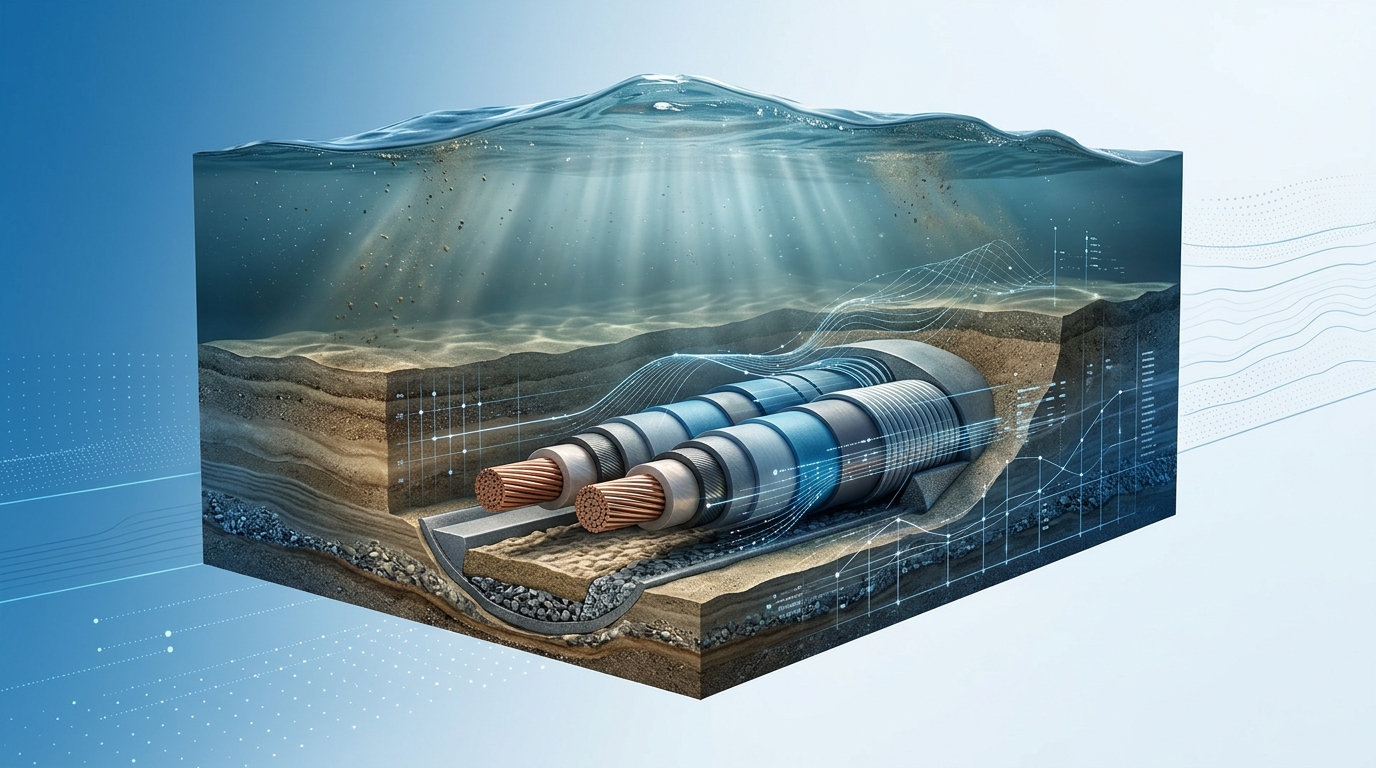
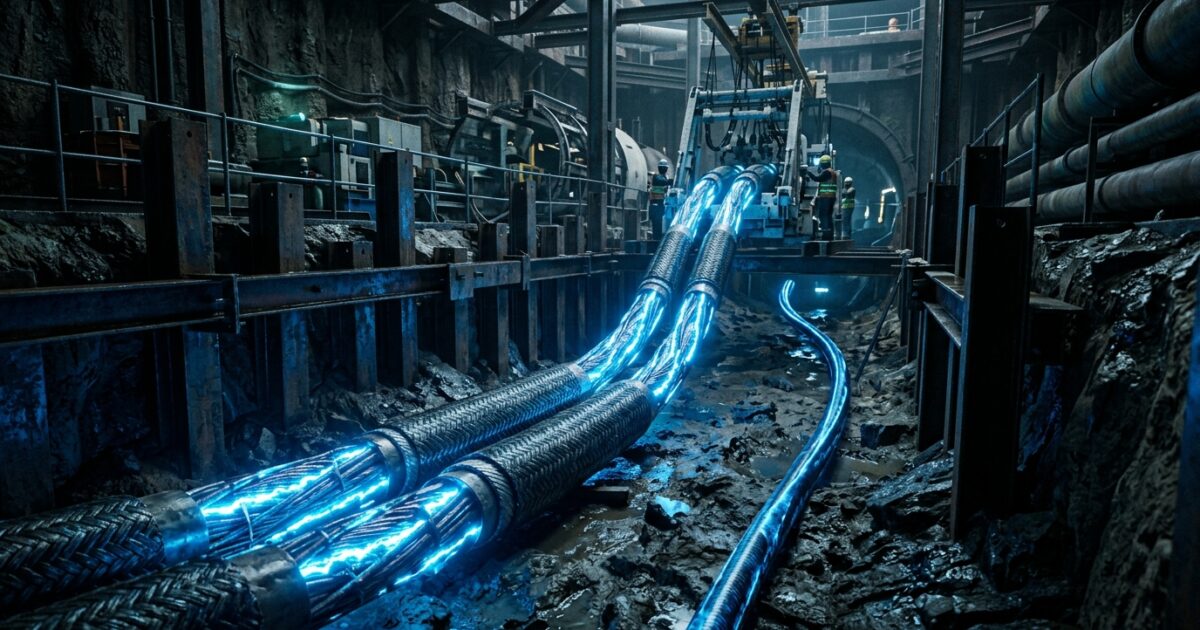
The Champlain Hudson Power Express officially entered commercial operation on June 1, 2026, promising a monumental shift in how metropolitan areas handle high-density energy demands. Spanning 339 miles from Quebec to Queens, this $6 billion infrastructure initiative is officially the longest underground transmission line in North America. Designed to carry 1,250 MW of clean hydropower and wind energy, the system utilizes a bundled pair of five-inch high-voltage direct-current cables. Submerging these conduits deep beneath the Hudson River required specialized water-jet trenching, showcasing an unprecedented level of civil engineering.
Funded privately by Transmission Developers—a subsidiary of Blackstone—and Hydro-Québec, the architecture essentially acts as a massive extension cord for the city. Much like global logistics networks reroute physical goods to prevent supply chain bottlenecks, modern grid interconnectivity dynamically reroutes electrons to balance loads across vast geographies. By seamlessly linking regional power pools, this grid interconnection network can ideally supply up to 20% of New York City’s daily electricity requirement, drastically accelerating the state’s transition away from carbon-intensive generation.
Market Impact and Deployment Challenges

Despite the sophisticated engineering, the financial and operational realities of mega-scale transmission projects remain deeply volatile. Overcoming notoriously slow permitting processes and high infrastructure upgrade costs are key hurdles for connecting renewable energy in New York. Early performance metrics have exposed critical fragility. As a brutal heat wave swept the region in early July 2026, the grid imported 52 gigawatt-hours of electricity from Canada on July 3, but the Champlain Hudson Power Express itself was plagued by cascading failures. An initial outage on July 1 was triggered by a converter trip in Canada, immediately followed by a more severe disruption on July 4 due to a damaged cable segment on the US border. Late July 2026 reports from the New York City Comptroller’s Office confirmed the line remained offline for weeks, forcing emergency repairs.
This localized failure underscores a much broader crisis in infrastructure planning. The CHPE is not operating in a vacuum. In late 2024, the $11 billion Clean Path New York (CPNY) project—a 175-mile transmission line intended to bolster downstate renewable delivery—was abruptly canceled by developers EnergyRe and Invenergy due to spiraling costs. A subsequent petition by the New York Power Authority (NYPA) to take over and expedite CPNY was decisively rejected by the New York Public Service Commission in August 2025, with officials claiming the secondary line might not be required until after 2033. Consequently, New York’s grid faces compounded physical constraints in moving upstate wind and solar energy into high-demand urban centers, leaving virtually zero margin for error on the CHPE system.
The Consumer Translation: Heat Waves and Outages
For the average consumer and everyday enterprise, the stakes of this technical bottleneck are incredibly high. New York’s aggressive CLCPA climate legislation strictly prohibits the construction of new fossil fuel plants, while legacy, aging plants are simultaneously being forced into retirement. As generating capacity shrinks internally, the reliance on external lifelines skyrockets. During the July 2026 heat waves, localized outages rippled through neighborhoods, and the state was forced to implement emergency conservation measures to prevent widespread blackouts.
The situation is further complicated by environmental realities on the supply side. Over 99% of Quebec’s electricity is derived from renewable sources, primarily hydropower. However, the region has suffered from an intense, three-year drought, drastically eating into the critical water reserves required to spin the turbines. Even if the transmission hardware operates flawlessly, the fundamental power source remains at the mercy of shifting climate patterns. While the New York Independent System Operator (NYISO) wisely avoided relying on CHPE for baseline reliability this summer, the long-term vision necessitates these lines functioning flawlessly.
Frequently Asked Questions
Q1: When did the Champlain Hudson Power Express enter operation?
A1: The Champlain Hudson Power Express officially entered commercial operation on June 1, 2026, delivering renewable energy to New York City.
Q2: Why did the CHPE line go offline in July 2026?
A2: The initial outage on July 1 was triggered by a converter trip in Canada, while a subsequent July 4 outage resulted from a damaged cable section on the US side.
Q3: What happened to the Clean Path New York project?
A3: Private developers canceled the $11 billion Clean Path New York project in late 2024 due to rising costs, and a state takeover bid by NYPA was rejected by the Public Service Commission in 2025.
Q4: How does drought affect the CHPE power supply?
A4: Because CHPE relies heavily on hydropower from Quebec, a severe three-year drought in the region threatens the water reserves needed to maintain consistent electricity generation.
Q5: What are the primary goals of the CHPE project?
A5: The privately funded project aims to deliver 1,250 MW of clean hydropower and wind energy, satisfying up to 20% of New York City’s total electricity demand.
TechNode HQ Verdict: Pros, Cons & Usability
- Pro (Engineering): Capable of delivering 1,250 MW of clean power over a highly protected, 339-mile underground/underwater HVDC route.
- Pro (Consumer): Significantly accelerates the decarbonization of New York City by substituting legacy fossil fuel generation with renewable hydropower.
- Con: Immensely fragile in its early operational stages, susceptible to localized hardware failures and prolonged repair times.
- Con: Highly dependent on cross-border weather conditions; prolonged droughts in Quebec can drastically curtail the actual energy supply available for export.
Enterprise Usability: For utility executives and CTOs managing large-scale infrastructure, the CHPE highlights the severe risks of single-point-of-failure mega-projects. Total Cost of Ownership (TCO) models must increasingly account for prolonged downtime and the necessity of redundant regional interconnects.
Everyday Usability: For the general public, the promise of a green grid is becoming a reality, but the transition period will be marked by localized fragility. Residents should prepare for occasional emergency conservation requests during peak summer loads as this multi-billion-dollar hardware gets stress-tested in the real world.