Key takeaways
- Keep pull requests under 400 lines to ensure comprehensive review and rapid turnaround times.
- Limit manual code review sessions to 60 minutes to combat reviewer fatigue and maintain high standards.
- Automate style checks with linters to reserve human intellect for complex architectural consistency.
- Aim for a 24-hour maximum review turnaround to sustain development momentum in enterprise environments.
- Effective code reviews reduce long-term technical debt and prevent highly expensive production outages.
The Architectural Reality Of Effective Code Reviews
For decades, the software development life cycle has treated the code review as a mere formality—a final, often begrudging checkpoint before pushing code into the master branch. However, in modern Enterprise IT environments handling millions of transactions, effective code reviews represent the fundamental backbone of software architecture. They are not simply a gatekeeping exercise or a tedious hunt for missing semicolons; they are a critical risk mitigation strategy designed to prevent expensive production bugs, reinforce engineering standards, and naturally disseminate domain knowledge across distributed teams.
The architectural reality is that the vast majority of software engineering failures do not stem from a lack of coding ability, but from a breakdown in architectural consistency. When developers submit monolithic pull requests spanning thousands of lines, they inadvertently sabotage the review process. Data strongly indicates that engineering teams should aim for fewer than 400 lines of code per review. Smaller, atomic changes are exponentially easier to review thoroughly. When a reviewer is faced with a massive changeset, cognitive fatigue sets in rapidly, leading to the dangerous “Looks Good To Me” (LGTM) anti-pattern where critical systemic flaws are approved blindly just to clear the queue.
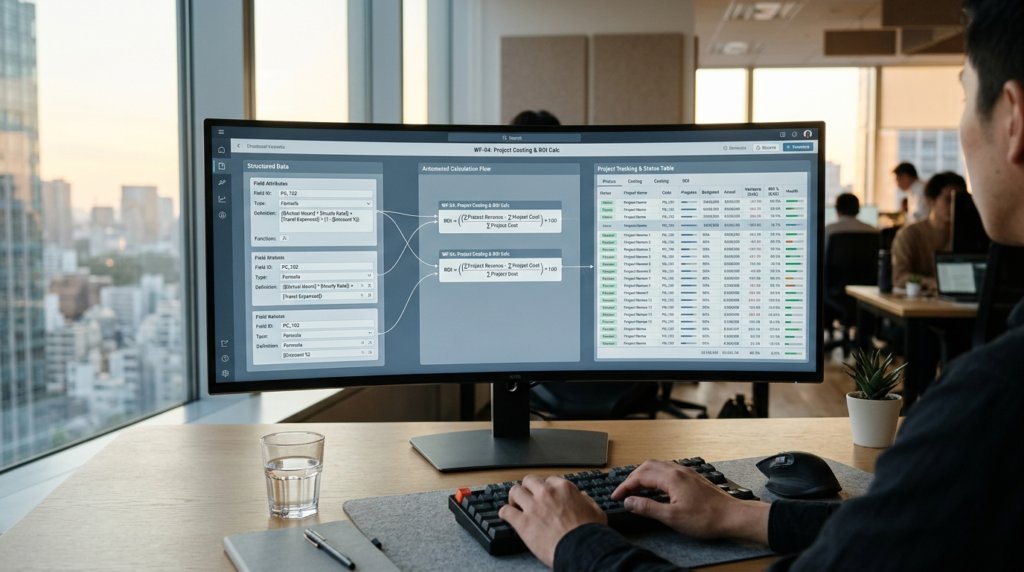
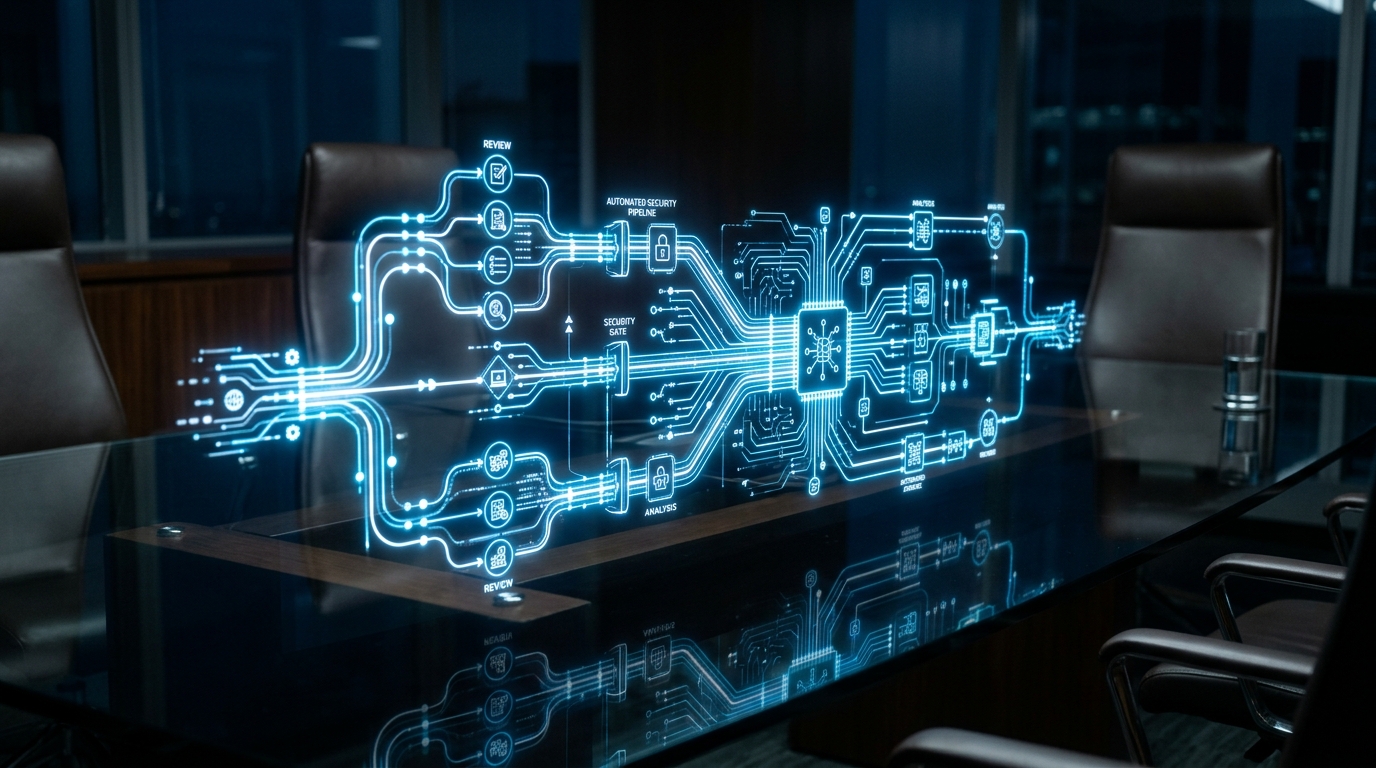
Furthermore, human capital should never be wasted on tasks that machines can execute flawlessly. The architectural baseline of any serious engineering organization must include the rigorous deployment of automated pipelines. By using linters, static analysis tools, and automated test suites to automatically handle stylistic, formatting, and basic functional checks, human reviewers are freed to focus their mental energy on what truly matters: high-level design, security implications, and long-term maintainability. Automating these stylistic checks allows human intelligence to remain focused on the overarching system architecture rather than debating the merits of spaces versus tabs.
Before an author even requests a review, strict self-discipline is required. Engineers must always run their own localized tests and perform a preliminary self-review of their code before submitting it to the broader team. Catching your own obvious mistakes early through a self-review sets a highly professional tone before asking for feedback from peers. By ensuring that the code compiles, the automated tests pass, and the stylistic guidelines are met via Networking & Cloud pipelines, the reviewer can immediately dive into evaluating the intent behind the implementation.
Market Impact & Deployment Strategies for CI/CD

From a macroeconomic and Total Cost of Ownership (TCO) perspective, the financial implications of poorly executed code reviews are staggering. When a defect escapes into a production environment, the cost to remediate that issue is often exponentially higher than if it had been caught during the peer review phase. The market impact of effective code reviews translates directly into raw capital preservation. By catching architectural misalignments and logic errors early, companies avoid catastrophic downtime, data breaches, and the massive labor costs associated with emergency patch deployments.
To maximize this ROI, organizations must implement strict timeboxing protocols. Empirical data suggests that engineers should not review code for more than 60 minutes at a time. The human brain’s ability to identify complex logical anomalies drops significantly after an hour of concentrated effort. By mandating shorter, highly focused review sessions, enterprises ensure that the feedback remains incredibly sharp and high-impact. Reviewers should prioritize overall design, maintainability, and architectural consistency over achieving an abstract notion of “perfect” code. A reviewer’s primary goal is to ensure the codebase improves iteratively over time, not to halt deployment over minor subjective disagreements.
Speed is also a critical factor in market deployment. Development momentum is a fragile asset. Organizations must aim for highly timely reviews, establishing an internal Service Level Agreement (SLA) of turnaround within 24 hours. When pull requests languish for days, merge conflicts multiply, context is lost, and the delivery pipeline stalls. This 24-hour turnaround is non-negotiable for teams operating on continuous delivery models. To achieve this, teams must agree on exactly what constitutes a “good” review and what criteria are mandatory for approval. Using a shared, standardized checklist during code reviews can massively reduce organizational friction and prevent repeated mistakes across the engineering floor.
Code reviews also act as a powerful mentorship engine, reducing the dreaded “bus factor” where critical system knowledge is siloed within a single senior developer. By utilizing the review process to mentor junior members and share intricate domain knowledge across the team, organizations organically flatten their knowledge hierarchies. When framed correctly, code reviews should be viewed as a collaborative team effort to elevate codebase health rather than an adversarial bug-hunt. This psychological safety encourages innovation and dramatically accelerates the onboarding process for new hires.
The Consumer Translation: Better Code, Better Products
While the mechanics of pull requests, linters, and CI/CD pipelines are deeply technical, their ultimate output directly impacts the everyday consumer. Think of effective code reviews like the rigorous safety inspections performed in aerospace manufacturing. The passenger on a commercial flight doesn’t need to understand the metallurgical properties of the engine turbines; they simply expect the plane to operate flawlessly. Similarly, the end-user of a mobile banking application or a global streaming service doesn’t care about static analysis—they care about speed, reliability, and security.
When an enterprise adopts highly rigorous code review standards, the consumer experiences a dramatic reduction in application crashes, data leaks, and frustrating UI bugs. Features are delivered faster, and the software ecosystem they rely upon feels substantially more robust. Because the development team is no longer bogged down in fighting fires caused by technical debt, they can allocate resources toward building cutting-edge capabilities powered by AI & Machine Learning, directly enhancing the user experience.
Furthermore, the tone of these internal reviews indirectly shapes the final product. When engineers view comments in code reviews as opportunities to learn and improve the product rather than personal attacks, the resulting software is inherently more thoughtful. If a developer disagrees with a code review comment, utilizing hard data or established design principles to justify their approach—rather than taking it personally—results in logically sound, highly optimized code. Reviewers must use open-ended questions instead of making authoritative, opinionated statements. Framing feedback as a collaborative suggestion for improvement creates a culture of psychological safety, and happy, collaborative engineers consistently build superior consumer products.
Ultimately, a developer must always think like the future maintainer. Software spends significantly more time being maintained than it does being written initially. Optimizing for readability usually provides far greater long-term value than overly clever, cryptic implementations. By ensuring that future developers will understand the architectural decisions made today, enterprises guarantee that their products will remain agile, secure, and user-friendly for years to come.
Frequently Asked Questions
Q1: How long should a developer spend reviewing code?
A1: Developers should not review code for more than 60 minutes at a time. Research indicates that cognitive effectiveness and attention to detail drop significantly after an hour of concentrated effort.
Q2: What is the ideal size for a pull request?
A2: Teams should aim for pull requests with fewer than 400 lines of code. Smaller changes are significantly easier to review thoroughly, drastically reducing the risk of introducing bugs and accelerating turnaround times.
Q3: How fast should code reviews be completed?
A3: Teams should aim for timely reviews, ideally within a 24-hour window. This keeps development momentum high and prevents blocking other critical path tasks.
Q4: What should be automated in the review process?
A4: You should use linters, static analysis tools, and automated test suites to automatically handle stylistic and basic functional checks. This allows human reviewers to focus strictly on business logic and architecture.
Q5: How can a developer prepare their code for review?
A5: Developers must always run their own tests and perform a preliminary self-review before submitting code. Catching your own mistakes early sets a professional tone and minimizes friction.
TechNode HQ Verdict: Pros, Cons & Usability
- Pro (Engineering): Radically reduces technical debt and prevents catastrophic production deployments by catching logical and architectural flaws early.
- Pro (Consumer): Results in highly stable, performant, and secure end-user applications with significantly fewer disruptive bugs.
- Con: Requires extreme cultural discipline to prevent reviews from becoming toxic, nitpicky gatekeeping exercises.
- Con: Strict adherence to smaller pull requests can temporarily slow initial development velocity if CI/CD pipelines are not fully optimized.
Enterprise Usability: CTOs must immediately mandate automated stylistic linters and enforce strict PR size limits (sub-400 lines). Implementing a maximum 24-hour turnaround SLA and training senior engineers to prioritize architectural feedback over syntax debates is crucial for scaling development teams effectively.
Everyday Usability: While not a consumer-facing technology, the end result of this methodology is deeply beneficial to the public. Consumers should actively favor digital services from companies known for rigorous, modern software engineering cultures, as their data and user experience will be vastly more secure and reliable.