Key takeaways
- The Sonos Era 300 remains the definitive choice for audiophile-grade Dolby Atmos spatial audio.
- Generative AI integrations like Google’s Gemini and Amazon’s Alexa+ are shifting computing to the cloud.
- Consumers are increasingly delaying hardware upgrades as new AI features don’t require new physical devices.
- OpenAI is aggressively developing a GPT-Live humanlike smart speaker aimed at a 2026-2027 launch.
- Emerging markets in Asia-Pacific and Latin America are driving the sector’s current global growth.
Best Smart Speakers 2026: The Architectural Reality
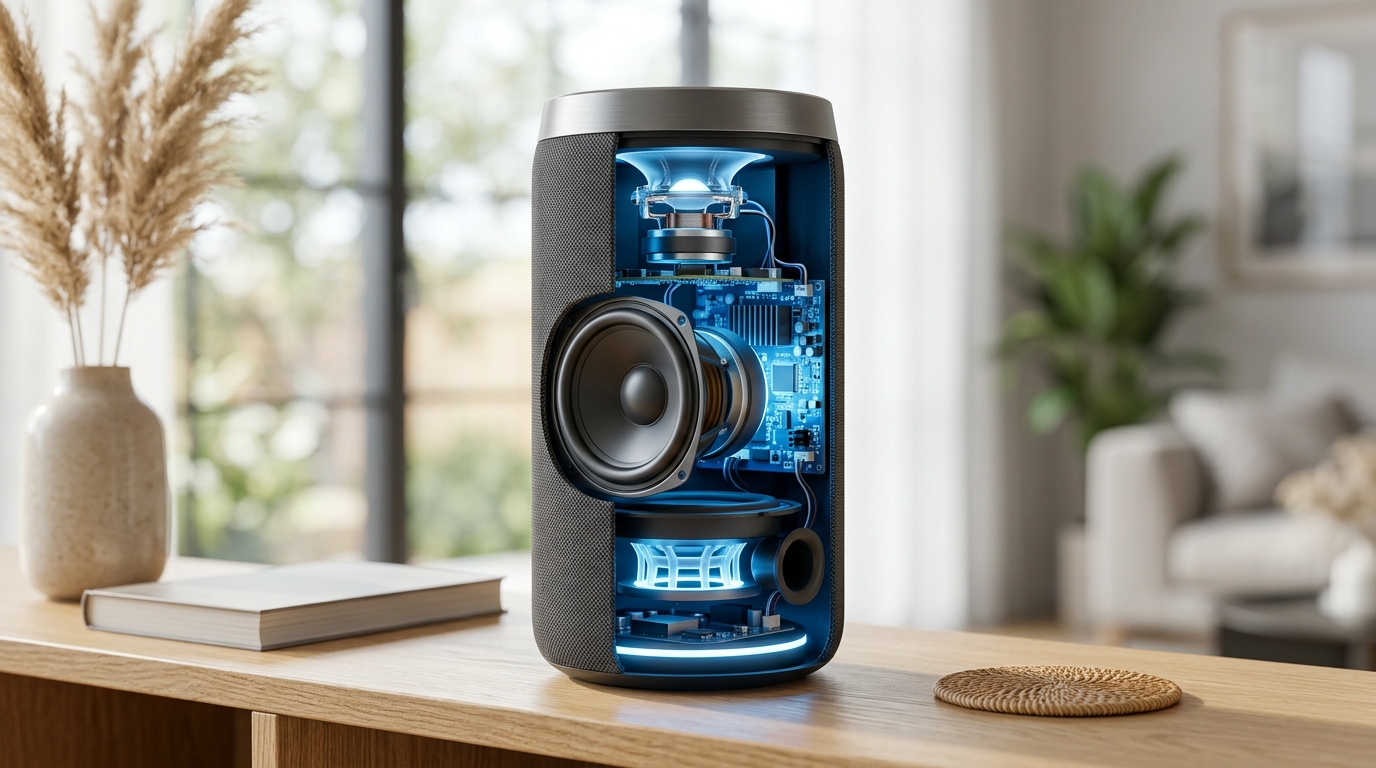
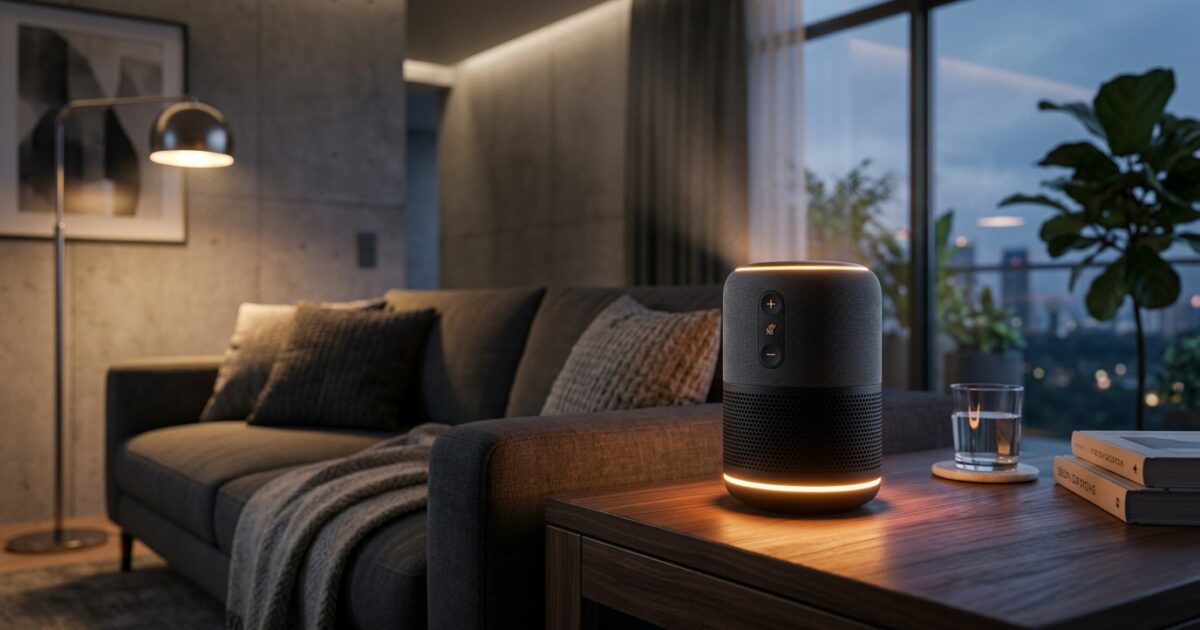
When evaluating the Best Smart Speakers 2026 has to offer, the conversation has fundamentally shifted from sheer acoustic power to ambient computing intelligence. While the physical hardware footprint still matters enormously for fidelity—evidenced by the Sonos Era 300’s flagship spatial audio and Dolby Atmos support, which makes it widely regarded as the best overall smart speaker for audiophiles—the true differentiation now lies in cloud-based orchestration. The Amazon Echo Studio, priced at $220, leads the pack for everyday utility, utilizing a robust 3.75-inch high-excursion woofer alongside three full-range drivers. However, beneath the surface of this premium acoustic hardware, a massive architectural transition is occurring. Generative AI is replacing legacy rigid voice command trees.
Google’s aggressive entry into this new era, the Google Home Speaker (2026) launched at $99.99, is built entirely around Google’s Gemini AI. This allows the device to understand natural language without the strict, robotic syntax formerly required by Google Assistant. On the premium end of the spectrum, Apple’s HomePod (2nd Generation) remains the go-to choice for Apple users, offering high-end spatial audio, deep computational bass, and seamless Apple device integration. Meanwhile, the Apple HomePod mini continues to be praised for its compact size, surprisingly rich sound quality, and excellent HomeKit integration. To bridge rival ecosystems, the JBL Authentics 500 stands out as a unique premium choice offering simultaneous support for both Amazon Alexa and Google Assistant, breaking the traditional vendor lock-in that has characterized the industry for a decade.
Think of the 2026 smart speaker ecosystem as the transition from rigid railway tracks to autonomous vehicles. Instead of following predetermined, hard-coded logic paths, the modern smart speaker dynamically navigates human intent in real-time, parsing complex multi-step instructions effortlessly. For those seeking cutting-edge Wi-Fi 6 connectivity alongside robust multi-room audio, the Sonos Era 100 offers a balance of rich stereo sound, making it a top premium all-rounder that satisfies both the audiophile and the smart home enthusiast.
Diving deeper into the physical engineering, modern smart speakers are leveraging advanced materials to achieve unprecedented sound profiles in compact form factors. The Wiim Sound, tailored specifically for streaming aficionados, boasts high-quality silk-dome dual tweeters and a 4-inch paper-cone woofer. This internal geometry ensures that the mid-range vocals remain crystal clear while delivering a tight, controlled bass response that defies the physical dimensions of the chassis. Furthermore, the integration of dedicated Neural Processing Units (NPUs) within the silicon of these devices allows for localized acoustic calibration. The speaker continuously maps the acoustic reflections of the room it inhabits, adjusting its EQ profile dynamically to compensate for furniture placement, wall density, and ambient noise levels.
Market Impact & Deployment
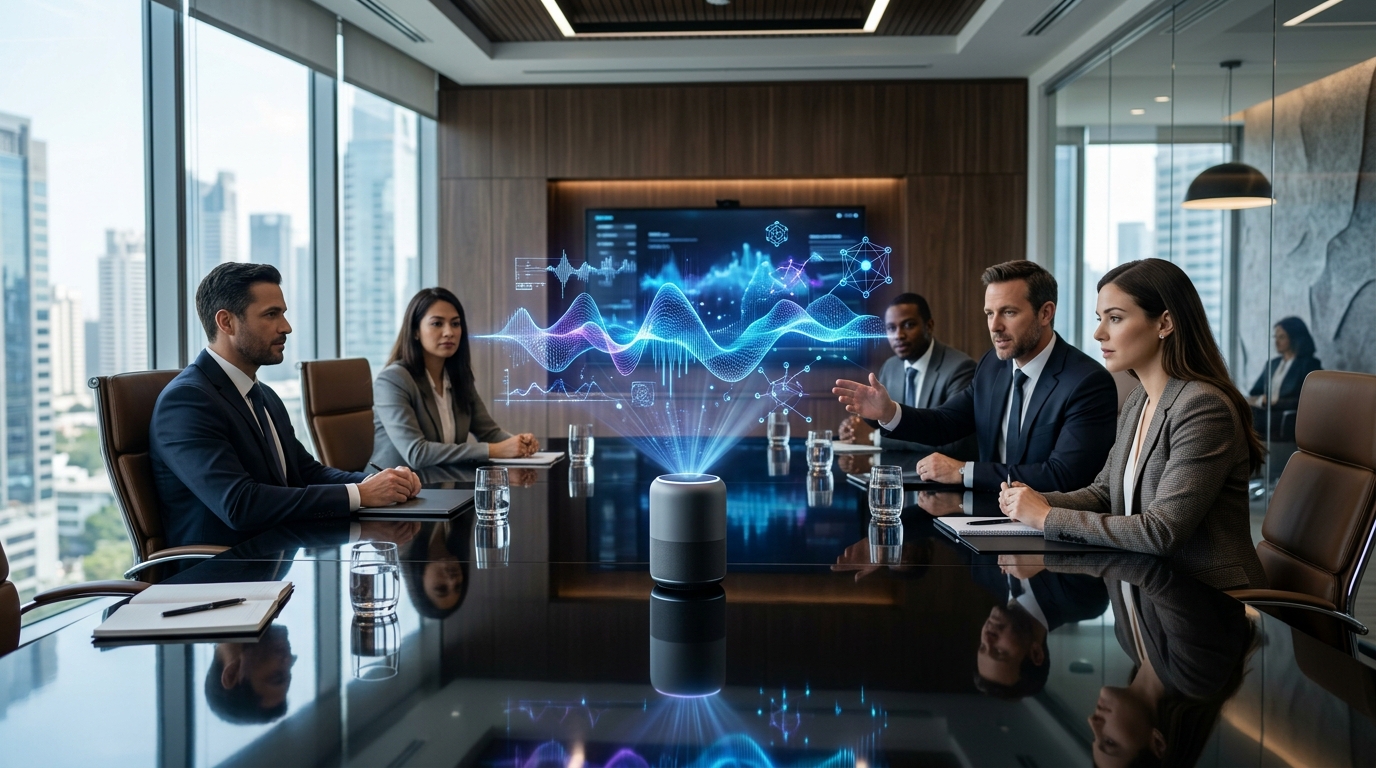
The enterprise and consumer market dynamics are currently experiencing a fascinating paradox. While the technology is more capable and intelligent than ever, consumers are actually delaying hardware upgrades. The primary reason is that the latest groundbreaking AI features are heavily cloud-based, reducing the immediate necessity for new physical devices. In mature markets like North America, this has led to a noticeable slowdown in hardware sales, as users realize their existing 2022-era devices can still tap into the latest Large Language Models (LLMs) via over-the-air firmware updates. Conversely, the smart speaker market is experiencing rapid, unprecedented growth in emerging regions like Asia-Pacific and Latin America, where smart home adoption is currently hitting critical mass.
Amazon Alexa currently offers the broadest smart home device compatibility and extensive model variety, maintaining a massive footprint in the global market. In regions like India, the Amazon Echo (4th Gen) is a standout performer due to its excellent Hindi language support, 360-degree Dolby audio, and built-in temperature sensors. For buyers on a strict budget, the Amazon Echo Pop is highlighted in 2026 as the best budget-friendly and compact smart speaker option, while the Amazon Echo Dot Max is frequently cited as the most well-rounded Alexa speaker of the year. Furthermore, Amazon has aggressively introduced Alexa+, a generative AI-powered version of its assistant engineered for complex and conversational interactions, which can be bundled via a premium subscription model.
The impending disruption of this landscape is heavily anticipated by industry analysts. OpenAI is reportedly working on a humanlike smart speaker, targeted for a late 2026 reveal or early 2027 launch, utilizing their proprietary GPT-Live technology. This will directly challenge the established ecosystems and force a rapid acceleration in smart home innovation. By bypassing traditional search engines and linking directly to OpenAI’s vast neural networks, this upcoming device threatens to completely re-architect the Total Cost of Ownership (TCO) models that Amazon, Google, and Apple have relied upon.
From an enterprise deployment perspective, the shift from hardware-centric revenue to Software as a Service (SaaS) subscription models represents a fundamental change in the smart device economy. Features like Amazon’s Alexa Emergency Assist, which leverages the speaker’s microphone to detect breaking glass or smoke alarms and automatically contacts emergency services, are now locked behind monthly paywalls. This allows hardware manufacturers to subsidize the initial cost of the device, knowing they will recoup their investment through recurring operational expenditures (OpEx) generated by the consumer over the device’s lifecycle.
The Consumer Translation
For the average consumer, the integration of generative AI means the decisive end of frustrating “I didn’t quite catch that” responses. The new breed of voice assistants can maintain context across multiple turns of conversation, parse complex commands featuring multiple distinct intents, and even adopt varying personas based on user preference. The Wiim Sound, at $299, caters specifically to streaming enthusiasts, focusing heavily on a pure Spotify and high-fidelity streaming experience, while completely abandoning the attempt to be a jack-of-all-trades digital assistant. Yet, for all this power, consumers must navigate a new landscape of subscriptions. The hardware is increasingly becoming a subsidized vessel for recurring software revenue.
This paradigm shift effectively transforms the smart speaker from a simple audio output device into an active household manager. Cross-industry impacts are already being felt in healthcare, where these devices serve as ambient patient monitoring tools capable of detecting coughing fits or breathing irregularities. In the hospitality sector, smart speakers act as in-room generative concierges, capable of booking spa appointments, ordering room service, and providing personalized local itineraries in dozens of languages simultaneously.
Furthermore, the integration of smart home protocols like Matter and Thread directly into devices like the Apple HomePod mini and Amazon Echo Studio ensures that consumers are no longer trapped in walled gardens. A consumer can now effortlessly bridge a Google Nest thermostat with an Apple HomePod and Ring security cameras, all communicating seamlessly over a localized, low-latency mesh network. This interoperability significantly lowers the barrier to entry for the average homeowner, democratizing smart home automation and paving the way for truly autonomous living spaces.
Frequently Asked Questions
Q1: What are the best smart speakers for 2026?
A1: The Sonos Era 300 dominates for large rooms and audiophiles, while the Amazon Echo Studio offers the best overall value. The Google Home Speaker (2026) is the top pick for those seeking advanced Gemini AI integration.
Q2: Do I need to buy a new smart speaker to get generative AI?
A2: Not necessarily. Because generative AI features like Alexa+ and Gemini are heavily cloud-based, many consumers are delaying hardware upgrades since the intelligent processing occurs remotely.
Q3: When will OpenAI release a smart speaker?
A3: OpenAI is reportedly developing a humanlike smart speaker powered by GPT-Live technology, with a targeted reveal in late 2026 or early 2027.
Q4: Which smart speaker is best for Apple users?
A4: The Apple HomePod (2nd Gen) is the premium choice for spatial audio and deep bass, while the HomePod mini is excellent for compact spaces and flawless HomeKit integration.
Q5: Are there speakers that support both Alexa and Google Assistant?
A5: Yes, the JBL Authentics 500 stands out as a premium choice offering simultaneous support for both Amazon Alexa and Google Assistant.
TechNode HQ Verdict: Pros, Cons & Usability
- Pro (Engineering): Cloud-based LLMs allow for continuous cognitive upgrades without necessitating hardware replacement or silicon upgrades.
- Pro (Consumer): Natural language understanding completely eliminates the need to memorize rigid command syntax.
- Con: A heavy shift towards subscription-gated features (e.g., Alexa Plus, Gemini Advanced) masks the true Total Cost of Ownership.
- Con: Legacy voice assistants have historically struggled with privacy optics, and always-on LLM microphones amplify these concerns significantly.
Enterprise Usability: CTOs should view the 2026 smart speaker ecosystem as an accessible entry point for ambient computing and voice-activated workflow orchestration in corporate environments. Devices with robust, platform-agnostic support, such as the JBL Authentics 500, offer the lowest friction for integration into existing enterprise IT stacks.
Everyday Usability: Consumers should prioritize their existing ecosystem (Apple, Amazon, or Google) when purchasing new hardware, but can confidently buy now knowing that the upcoming generative AI capabilities will largely be delivered via cloud updates rather than requiring an immediate physical device replacement cycle.