Key takeaways
- Studio Bones faced intense human capital constraints due to the extreme technical complexity of the initial project architecture.
- Global streaming scalability and 10th-anniversary US theatrical deployments decisively validated long-term enterprise ROI.
- Yuzuru Tachikawa’s architectural leadership transformed a high-risk venture into a decade-defining cultural and commercial success.
- Strategic talent retention methodologies proved critical in sustaining long-term franchise viability and continuous audience engagement.
- The project successfully leveraged distributed multi-cloud streaming platforms to achieve unparalleled worldwide market penetration.
The Architectural Reality

When analyzing the lifecycle of any major digital or entertainment rollout, the core metric of success often boils down to the underlying infrastructure and the human capital required to sustain it. The Mob Psycho 100 Production pipeline represents a fascinating case study in enterprise-scale creative deployment. Originally launched in 2016 by Studio Bones—an animation powerhouse operating much like a Tier-1 silicon vendor pushing the boundaries of visual computation—the series was not initially perceived as a guaranteed operational success. In the highly competitive and resource-intensive sector of modern Japanese animation, launching a new intellectual property often mirrors the deployment of untested Enterprise IT solutions: high initial capital expenditure, significant technical risk, and profound uncertainty regarding market adoption.
Director Yuzuru Tachikawa served as the chief systems architect for this undertaking. The initial phases of development required the assembly of a highly specialized team capable of rendering the wildly imaginative, fluid, and often chaotic visual aesthetic conceived by original creator ONE. To recruit this specialized labor force, Studio Bones deployed a promotional video (PV)—essentially a proof-of-concept demonstration or beta release intended to attract top-tier animators and technical staff. However, the sheer density and complexity of the animation protocols showcased in the PV had an unintended effect: a severe talent bottleneck. Much like developers hesitating to adopt an overly complex, undocumented programming framework, many industry professionals looked at the prototype and deemed it excessively challenging. They recognized that the rendering workflows and manual animation requirements would push their operational capacities to the breaking point.
This early recruitment friction highlights a fundamental truth in both technology and high-end creative industries: ambitious architecture demands specialized operators. The “hard-fought battle to exist” during the first season required the core team to act as a localized startup within a larger corporate structure, optimizing their creative pipelines, streamlining their production frameworks, and carefully managing their technical debt. The result, however, was a remarkably optimized first release that effectively disrupted market expectations. By the time the operational framework was scaled up for Season 2, the product had achieved sufficient market penetration and critical acclaim that the initial talent shortage completely reversed. What was once viewed as a high-risk liability had transformed into a highly coveted portfolio asset, drastically reducing the friction in subsequent recruitment cycles.
Market Impact & Deployment
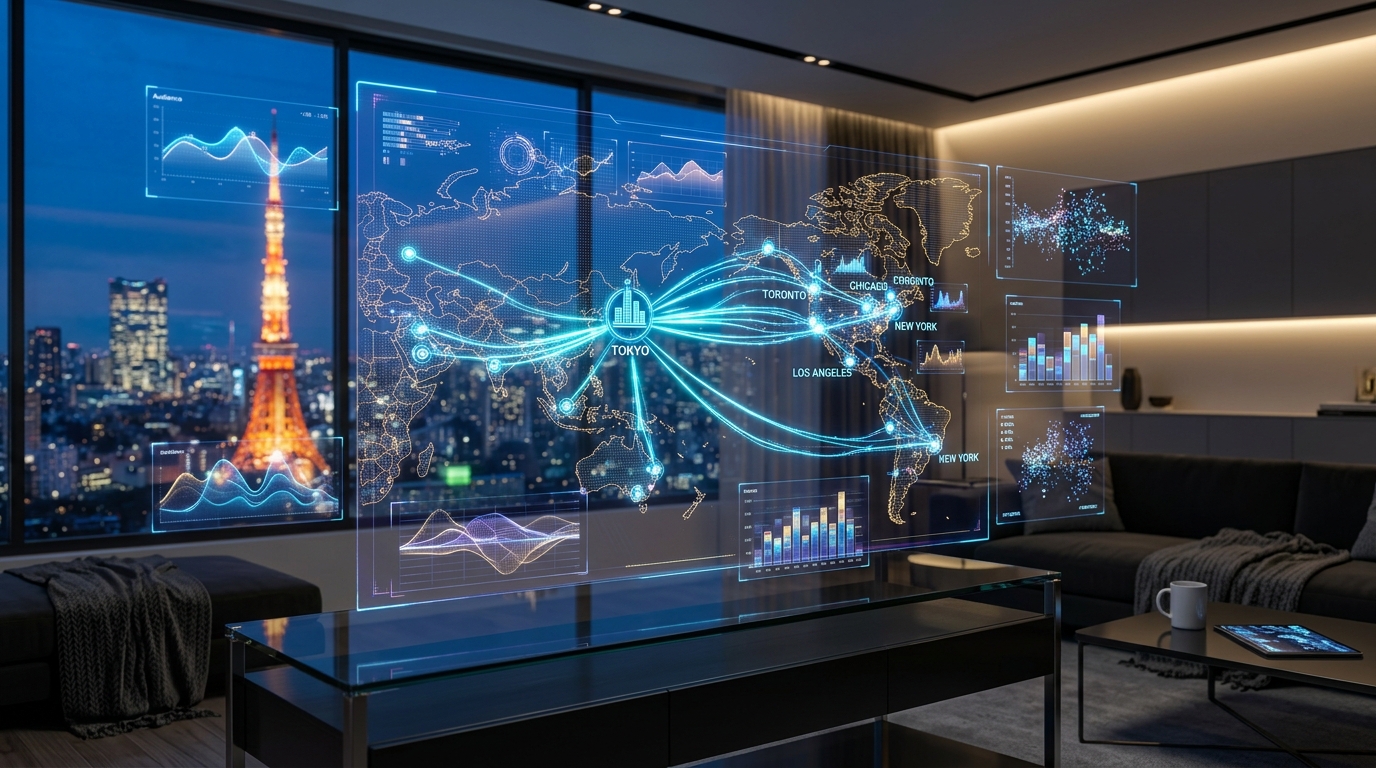
Understanding the Total Cost of Ownership (TCO) in a production environment like Studio Bones requires analyzing both the upfront development costs and the long-term revenue streams generated through global deployment. Once the localized production pipeline for the Mob Psycho 100 Production stabilized, the next critical phase was horizontal scaling across global markets. The distribution strategy leveraged multiple high-availability content delivery platforms—specifically Crunchyroll, Hulu, and Netflix. By utilizing this multi-platform approach, the franchise achieved a resilient, fault-tolerant presence in the highly volatile Consumer Tech entertainment space. If one platform experienced regional licensing issues or algorithmic deprioritization, the other nodes in the network ensured uninterrupted end-user access.
The return on investment (ROI) for this robust deployment strategy is perhaps best illustrated by the franchise’s enduring longevity. Over a decade after its initial inception, the property continues to generate monthly merchandise rollouts, sustaining a continuous revenue pipeline that offsets the initial intensive capital required for its production. Furthermore, the strategic decision to host a 10th-anniversary theatrical event on July 20, 2026, across the United States and Canada represents a highly sophisticated cross-regional deployment. By screening five fan-selected episodes in theatrical environments, the stakeholders effectively monetized existing legacy assets without incurring the massive overhead of new content generation. This is the entertainment equivalent of repackaging mature, stable software for an enterprise legacy support tier—maximizing profit margins on proven architectures.
Director Tachikawa and the executive team successfully transitioned the franchise from a risky, resource-heavy startup venture into a stable, cash-flow-positive enterprise asset. The ability to command international convention stages, such as the July 2026 Anime Expo panel, underscores the brand’s transition from a niche offering to a cornerstone of modern digital culture. The continuous lifecycle management of the series, concluding its primary operational run precisely and cleanly in 2023, avoided the common industry pitfall of endless feature creep. As Tachikawa noted in his reflections with Kotaku, ending the series effectively preserved its structural integrity, ensuring that its legacy value remained untarnished for future monetization cycles.
The Consumer Translation
Transitioning from the backend production mechanics to the frontend user experience reveals why this specific intellectual property resonated so profoundly. The end-user interface of any entertainment product is the emotional and thematic resonance it achieves with its audience. From a consumer perspective, the technical brilliance of the animation would be rendered moot without highly optimized narrative data structures. The series operates effectively as a masterwork of accessible, resonant design, heavily praised for its nuanced portrayal of neurodivergence, emotional regulation, and the universal friction of coming into one’s own identity.
The human capital driving this frontend success cannot be overstated. Setsuo Ito, the Japanese voice actor for the protagonist Shigeo “Mob” Kageyama, represents a fascinating case of talent retention. Prior to this deployment, Ito had not secured a major, recognizable role in the industry, and the lack of career traction was pushing him toward abandoning the profession entirely. His integration into the project not only provided the franchise with a perfectly calibrated vocal asset but also literally sustained his career trajectory. His performance became the emotional anchor of the series, demonstrating that even in highly technical, visually overwhelming productions, the human element remains the primary driver of user engagement. Similarly, veteran actor Takahiro Sakurai, voicing the mentor figure Reigen Arataka, noted how deeply the script’s parameters aligned with his own emotional logic, creating a highly authentic output that resonated instantly with the global user base.
This authentic engagement resulted in massive organic marketing, drastically reducing the franchise’s customer acquisition cost. The series generated viral, community-driven phenomena—most notably the christening of Reigen Arataka as a “Tumblr Sexyman” and the resulting fan-driven content engines that propelled the brand across social media networks. This decentralized, user-generated promotional framework allowed the Mob Psycho 100 Production to achieve cultural ubiquity, penetrating demographics far outside the traditional anime consumer base. The product’s ability to maintain high engagement metrics across diverse audiences for an entire decade is a testament to the unparalleled quality of its initial design specifications.
Cross-Industry Disruption and Ecosystem Synergies
The operational success of this franchise has not existed in a vacuum; it has created significant ripple effects across the broader digital entertainment and media ecosystems. By proving that audiences will aggressively support idiosyncratic, highly stylized, and technically demanding visual products, Studio Bones effectively lowered the risk threshold for other studios considering similarly ambitious architectures. This paradigm shift can be likened to the broader technology sector’s transition toward Networking & Cloud infrastructure—once an industry leader successfully demonstrates the viability and profitability of a complex new model, the entire sector rapidly pivots to adopt those protocols.
Furthermore, the franchise’s seamless integration into the digital streaming ecosystem has provided valuable data regarding user retention and binge-consumption metrics. Streaming providers rely heavily on “sticky” content to minimize subscriber churn, and properties with high re-watchability and deep thematic density serve as anchor tenants within their vast content libraries. The international theatrical releases and constant merchandise pipelines have also established a robust blueprint for cross-channel monetization, demonstrating to stakeholders that digital-first properties can successfully migrate into physical retail and localized experiential events.
Ultimately, the retrospective panels at Anime Expo 2026 serve as more than mere celebrations; they are post-mortem analyses of a highly successful enterprise deployment. The creative risks taken by the staff, the initial labor shortages, the eventual stabilization of the production pipeline, and the sustained global ROI all map perfectly onto the lifecycle of a transformative technological product. For the next generation of creators and engineers observing this trajectory, the lesson is clear: massive technical challenges, when managed with architectural precision and a focus on authentic user experience, can yield unparalleled long-term dividends.
Frequently Asked Questions
Q1: When did the Mob Psycho 100 anime initially premiere and conclude?
A1: The series premiered in 2016, recently celebrated its 10th anniversary at Anime Expo 2026, and successfully concluded its core operational run in 2023.
Q2: Who were the key architects behind the anime’s production?
A2: Director Yuzuru Tachikawa led the project at Studio Bones, collaborating heavily with Setsuo Ito, who voices Shigeo “Mob” Kageyama, and Takahiro Sakurai, who voices Reigen Arataka.
Q3: Why was it difficult to recruit engineering and creative staff for the first season?
A3: The initial promotional video showcased highly complex, idiosyncratic animation techniques, leading many industry professionals to evaluate the project as too technically challenging and resource-intensive.
Q4: What specific events marked the franchise’s 10th anniversary?
A4: The 10th-anniversary celebration included a major panel at Anime Expo 2026 and a highly anticipated special theatrical event held across the U.S. and Canada on July 20, 2026.
Q5: Where is the series currently deployed for global streaming access?
A5: The entire series is currently streaming on major platforms including Crunchyroll, Hulu, and Netflix, ensuring robust content delivery across diverse markets.
TechNode HQ Verdict: Pros, Cons & Usability
- Pro (Engineering): The highly complex, specialized animation pipeline pushed industry rendering techniques forward, proving that resource-intensive creative risks can yield massive long-term stability and peer recognition.
- Pro (Consumer): Exceptional narrative architecture provides deep emotional resonance, offering a highly accessible interface for discussions surrounding neurodivergence and personal growth.
- Con: The intense initial technical requirements created severe early-stage labor bottlenecks, heavily increasing the risk of project failure during the prototype phase.
- Con: Maintaining brand momentum globally required complex, multi-platform licensing agreements across fragmented international streaming ecosystems.
Enterprise Usability: For production executives and media CTOs, this deployment proves that heavy upfront investment in unique, high-fidelity creative infrastructure will ultimately lower long-term talent acquisition costs and drive sustained merchandise ROI.
Everyday Usability: For the general consumer, this remains a mandatory, top-tier entertainment product that consistently delivers high performance in both visual fidelity and narrative satisfaction.