Key takeaways
- Photobiomodulation triggers cellular repair using highly precise, targeted light wavelengths.
- Irradiance (power density) is the critical metric for evaluating true clinical efficacy.
- Red light (630-660nm) stimulates collagen; NIR (830nm) reaches deep tissue repair.
- The CurrentBody Skin Series 2 delivers the best overall consistent therapeutic output.
- Medical-grade silicon integration aggressively shifts clinical care to decentralized home use.
The Architectural Reality of the best LED face masks
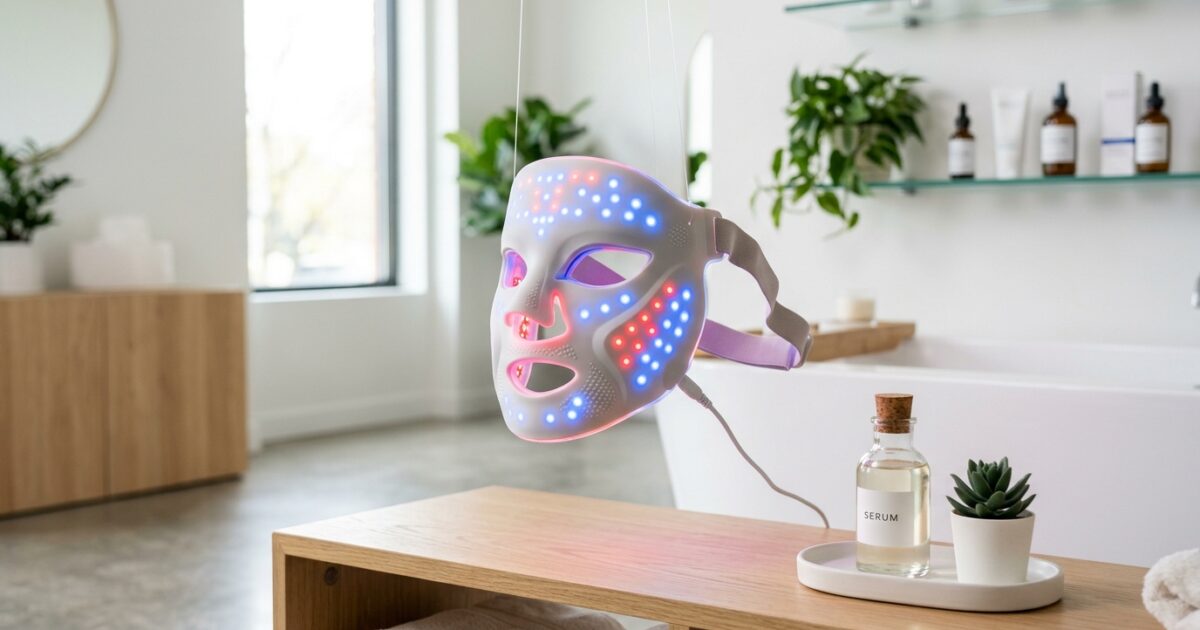
In the rapidly accelerating convergence of consumer electronics and clinical dermatology, the market for the best LED face masks represents a fundamental shift in decentralized healthcare. At its core, the technology driving these clinical wearables relies on the precise, verifiable science of photobiomodulation. Photobiomodulation is the biophysical process by which specific wavelengths of light trigger biological changes in skin cells, essentially acting as an energetic catalyst for cellular metabolism. When evaluating these devices from a structural engineering perspective, the hardware architecture is deceptively complex. Manufacturers must aggressively balance the thermal load of hundreds of densely packed micro-LEDs against the strict necessity for flexible, biocompatible materials—such as medical-grade silicone—that contour perfectly to the varying topography of the human face.
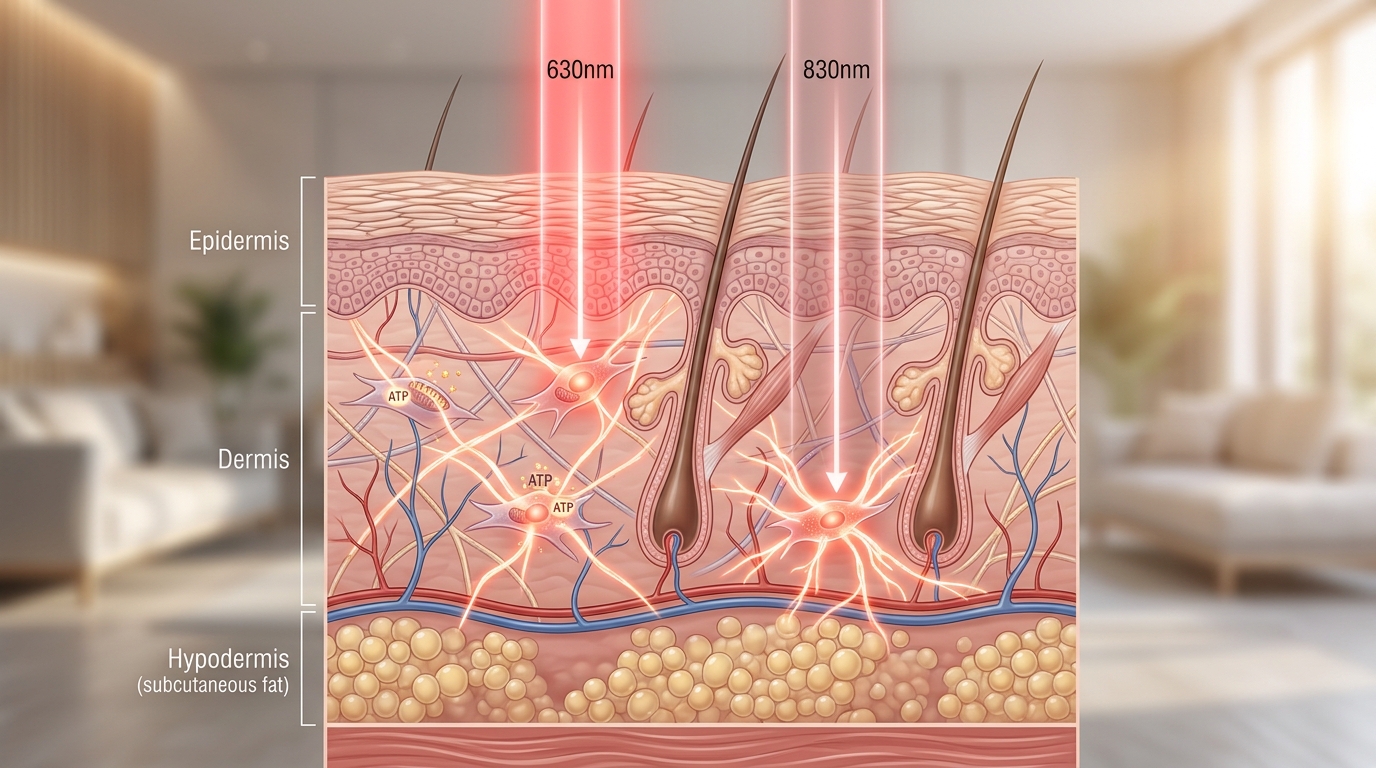
The efficacy of any light therapy device is fundamentally tied to its spectral emission profile. Grounding research confirms that red light at a highly specific 630-660nm wavelength targets the epidermal layer to stimulate collagen production, which dramatically improves skin firmness and elasticity over time. Meanwhile, near-infrared (NIR) light operating at exactly 830nm penetrates significantly deeper into the dermis. This deeper penetration supports overall skin rejuvenation, structural tissue repair, and the systemic reduction of sub-dermal inflammation. In advanced edge-case configurations—such as the Evenskyn Mirage Pro—we see five different wavelengths deployed simultaneously, including a remarkable 1072nm deep near-infrared beam engineered specifically for mature skin care and maximum depth tissue penetration. For targeted antibacterial applications, blue light at the 415nm wavelength is highly effective for managing mild-to-moderate breakouts by obliterating the cell walls of acne-causing bacteria. These precise nanometer tolerances require rigorous quality control in diode manufacturing, a challenge typically reserved for specialized hardware and silicon fabricators operating strictly within enterprise manufacturing pipelines.
The integration of pulse-width modulation (PWM) within the internal micro-controllers of these masks allows the devices to pulse the light at specific frequencies, a technique that advanced clinical studies suggest may prevent cellular photo-adaptation and maximize the biological absorption of the incoming photons. When the optical window of the skin (roughly 600nm to 900nm) is targeted, the photons are absorbed by cytochrome c oxidase within the cellular mitochondria. This absorption cascade aggressively upregulates the production of adenosine triphosphate (ATP), effectively exponentially increasing the energy reserves of the cell and promoting accelerated mitosis and tissue regeneration. The rigorous calibration of these exact output frequencies is what distinguishes a true clinical wearable from a mass-market toy.
Think of photobiomodulation like an automated server patching protocol executed across a vast, decentralized server farm. Just as a zero-downtime script securely repairs fragmented database sectors in the background without halting core network operations or causing systemic downtime, these precise 630nm and 830nm light wavelengths penetrate the dermal layer to trigger cellular repair and continuous collagen synthesis without inflicting the invasive, destructive physical damage typically associated with chemical peels or micro-needling.
Market Impact & Deployment
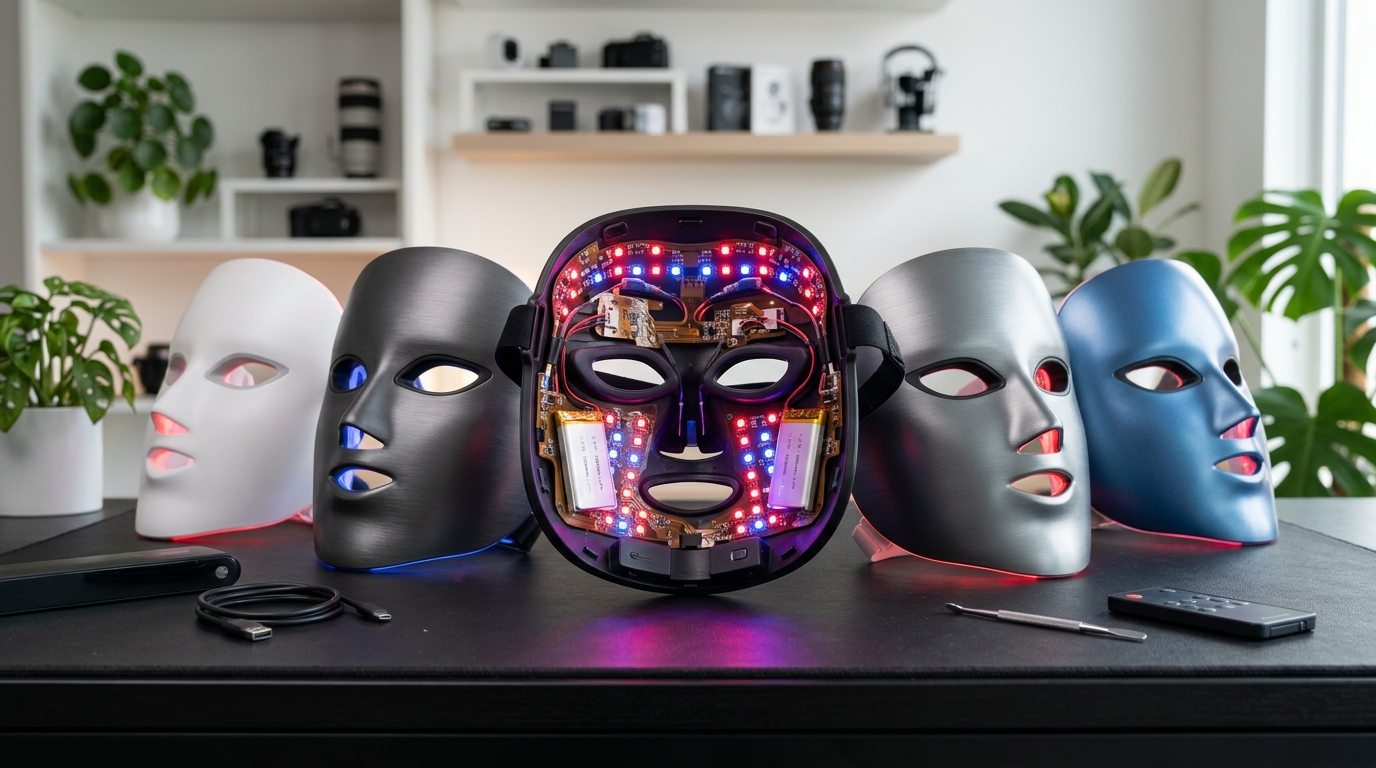
From an enterprise economics perspective, the proliferation of FDA-cleared at-home LED therapy devices represents a massive, calculated disruption to the Total Cost of Ownership (TCO) model previously dominated exclusively by high-end dermatological clinics and elite med-spas. Historically, patients were required to book recurring, highly expensive appointments to sit passively beneath heavy, commercial-grade LED arrays. Today, the deployment of consumer-ready devices drastically decentralizes this clinical treatment model. By physically moving the hardware directly to the edge—into the patient’s home network—the medical industry is inadvertently cannibalizing its own service revenue while simultaneously democratizing global access to advanced preventative skincare.
To quantify the precise ROI for the average consumer: a standard clinical photobiomodulation session utilizing a commercial-grade LED array such as the Celluma or Dermalux panels can easily cost anywhere from $50 to $150 per 20-minute appointment. Given the clinical consensus that optimal therapeutic efficacy requires a baseline frequency of three to five sessions per week, the annualized cost of in-clinic treatment rapidly scales into the tens of thousands of dollars. Conversely, purchasing a Tier-1 FDA-cleared home device requires a singular, upfront CapEx investment. Once procured, the marginal OpEx cost per treatment plummets to the negligible fractions of a cent required to recharge the internal lithium-ion battery array. This aggressive unit economics model completely democratizes advanced dermatological care, permanently shifting the locus of control from the specialized medical practitioner directly to the informed consumer.
Extensive market analysis and independent reviews and comparisons reveal a clear, strict hierarchy of premium deployment options. The CurrentBody Skin LED Light Therapy Mask (Series 2) is widely considered the Best Overall for consistent light therapy, offering an optimal, carefully engineered balance of flexibility, power output, and a precise mixture of red and near-infrared diodes. For deployments requiring rapid throughput, the Dr. Dennis Gross DRx SpectraLite FaceWare Pro offers an aggressive 3-minute treatment time to address both aging and acne, essentially maximizing hardware utilization rates for busy professionals who cannot dedicate extensive periods to their skincare regimens.
Furthermore, dermatologists strictly advise choosing an FDA-cleared device to ensure the hardware explicitly meets verified efficacy and safety standards. Non-cleared, white-labeled hardware sourced directly from unverified global supply chains frequently suffers from massive irradiance drop-offs, completely inconsistent spectral output, and potentially dangerous thermal anomalies. The FDA regulatory clearance acts as a vital, non-negotiable quality assurance layer, authenticating the therapeutic claims and ensuring that the internal circuitry and battery arrays pose absolutely zero thermal or UV risk to the end user.
The Consumer Translation
Translating these highly complex biophysical mechanisms into everyday consumer reality requires a militant focus on user experience, clinical compliance, and seamless lifestyle integration. The absolute best hardware on the market is entirely useless if the end user consistently experiences friction during deployment. This is precisely why multitasking capability and ergonomic design have become the primary, defining differentiators in the consumer tech space. For instance, the Therabody TheraFace Mask is definitively recognized as the best option for multitasking, successfully integrating multiple skincare features and allowing users to seamlessly continue their daily operations—whether working remotely, analyzing data, or relaxing—without being physically tethered to a wall outlet or blinded by poorly shielded internal diodes.
Hardware innovation in this space also successfully bridges the gap between drastically different modalities of clinical treatment. The Shark CryoGlow LED Face Mask is a masterclass example of this hybrid approach, seamlessly combining traditional red light therapy with advanced localized cryotherapy for a unique cooling effect. This specifically targets under-eye puffiness alongside full-face cellular rejuvenation. This multi-threaded, parallel processing approach to skincare allows consumers to efficiently consolidate multiple clinical devices into a single, highly unified hardware platform.
Furthermore, the imminent integration of smart-home connectivity and mobile application tracking in the next generation of these devices is anticipated to aggressively close the gap on patient compliance. By utilizing Bluetooth Low Energy (BLE) to continuously sync treatment logs, push over-the-air firmware updates, and deploy personalized irradiance profiles directly to a user’s smartphone, manufacturers are engineering a seamless, gamified digital feedback loop. This digital integration fundamentally transforms a static piece of hardware into an active, interconnected node within the broader ecosystem of quantified-self health tracking.
It is paramount, however, that consumers accurately manage their expectations regarding the operational timeline of photobiomodulation. Skin improvements from LED therapy are heavily cumulative, necessitating regular, long-term use rather than offering a quick, overnight aesthetic fix. Clinical data universally dictates that for the absolute best therapeutic results, it is required to use LED face masks consistently 3 to 5 times per week. Consistent and regular use of LED masks has been conclusively shown to improve overall skin tone, aggressively reduce sub-dermal inflammation, and predictably restore a youthful radiance. Compliance remains the ultimate system bottleneck; thus, the form factor, wireless capability, and battery efficiency of the mask are just as critical as its precise spectral output.
Red Team Audit and Cross-Industry Impact
Conducting a severe Red Team audit on the current marketing landscape surrounding LED face masks exposes significant, glaring discrepancies between manufacturer claims and actual hardware capabilities. The predominant marketing fluff heavily centers on the total number of LED diodes embedded within the mask chassis. However, an over-abundance of low-quality, cheap diodes does not mathematically equal therapeutic efficacy. The true, hidden bottleneck is irradiance. Many heavily advertised, highly aesthetic masks deliver power densities so remarkably low that they fundamentally fail to breach the stratum corneum with enough photonic energy to successfully stimulate the cellular mitochondria. An LED count of 500 is completely irrelevant if the power density (mW/cm²) falls below the clinical baseline.
Furthermore, flexible silicone masks—while vastly superior for user comfort and critical for reducing the inverse-square law of light degradation by sitting completely flush against the skin—often suffer from microscopic micro-tears in the internal wiring over extended, rigorous use, ultimately leading to therapeutic dead zones across the facial matrix.
Despite these engineering and marketing hurdles, the cross-industry impact of FDA-cleared photobiomodulation is undeniably profound. First, it is aggressively disrupting the multi-billion dollar traditional cosmetic chemistry sector; as consumers shift their capital allocation toward permanent hardware solutions, the historical reliance on consumable, highly volatile chemical serums is actively decreasing. Second, it is dramatically impacting global health logistics by serving as a highly successful proof-of-concept for the total decentralization of preventative medical care. By pushing clinical-grade therapeutic hardware directly to the edge of the network (the consumer’s physical home), the immense systemic burden on centralized physical medical infrastructure is alleviated. Finally, the massive surge in demand for hyper-specific 630nm, 830nm, and 415nm diodes is permanently reshaping specialized semiconductor manufacturing, forcing global fabricators to heavily scale up the production of medical-grade micro-LEDs to meet insatiable consumer tech demands.
Frequently Asked Questions
Q1: What are the best LED face masks for anti-aging?
A1: The best LED face masks for anti-aging, such as the CurrentBody Skin Series 2 and Omnilux Contour Face, utilize 630-660nm red light to stimulate collagen production and 830nm near-infrared light for deep tissue repair. FDA-cleared devices ensure clinically verified efficacy for reducing fine lines.
Q2: How often should you use an LED light therapy mask?
A2: For optimal therapeutic results, dermatologists recommend using the best LED face masks consistently 3 to 5 times per week. The physiological improvements from photobiomodulation are cumulative and require regular, long-term application.
Q3: Does blue light therapy actually work for acne?
A3: Yes, blue light operating at a precise 415nm wavelength is highly effective for managing mild-to-moderate breakouts by destroying acne-causing bacteria. Devices like the Dr. Dennis Gross DRx SpectraLite effectively target these bacteria during accelerated 3-minute sessions.
Q4: What is irradiance and why does it matter?
A4: Irradiance, or power density (measured in mW/cm²), indicates the true therapeutic light dose your skin receives. Even if a mask boasts hundreds of LEDs, a low irradiance means the treatment will fundamentally fail to reach the necessary clinical thresholds to trigger cellular repair.
Q5: Are at-home LED face masks safe to use?
A5: Yes, provided you explicitly choose an FDA-cleared device. These devices rigorously meet verified efficacy and safety standards, ensuring the light emitted provides therapeutic benefits without causing destructive thermal damage or harmful UV exposure.
TechNode HQ Verdict: Pros, Cons & Usability
- Pro (Engineering): Precise nanometer wavelength targeting (630nm/830nm) directly and aggressively triggers mitochondrial ATP production and raw collagen synthesis without causing any invasive chemical or physical cellular disruption.
- Pro (Consumer): Represents a massive, permanent reduction in the Total Cost of Ownership (TCO) for premium skincare, efficiently replacing recurring clinical visit fees with a singular, high-yield CapEx hardware investment.
- Con: Widespread, unchecked marketing deception regarding raw LED diode count versus actual therapeutic irradiance (power density), frequently leading to underpowered, ineffective treatments from unverified, white-label brands.
- Con: Strict, unwavering patient compliance is mandatory; achieving scalable cumulative results absolutely requires a disciplined operational cadence of 3-5 sessions per week over a period of several months.
Enterprise Usability: For clinical operators and med-spa owners, integrating premium, FDA-cleared at-home LED masks into mandatory patient aftercare programs represents a highly lucrative, zero-overhead operational method to relentlessly maintain patient engagement, significantly extend the therapeutic window between in-patient procedures, and drive massive secondary retail hardware revenue.
Everyday Usability: Consumers should absolutely view this hardware not as a luxury, but as a mandatory, foundational infrastructural upgrade to their daily wellness routine. By decisively investing in a high-irradiance, FDA-cleared model such as the CurrentBody Series 2 or the Shark CryoGlow, users achieve scalable, professional-grade cellular skin rejuvenation directly at the edge of their own home.