Key takeaways
- The Qatar-gifted Air Force One (VC-25B Bridge) fills a critical gap until 2028.
- Retrofitting the $400M Qatari VIP jet for military standards cost approximately $1 billion.
- The aircraft integrates Starlink high-speed satellite internet and multi-layered secure communications.
- It lacks mid-air refueling capabilities but features advanced defensive countermeasures and shielding.
- The aircraft debuted its new red, white, dark blue, and gold livery in June 2026.
The introduction of the new Qatar-gifted Air Force One marks a pivotal transition in the history of presidential airlift, blending geopolitical diplomacy with an unprecedented aerospace engineering sprint. Officially designated as the VC-25B Bridge, this heavily modified Boeing 747-8i serves as a critical interim solution for the United States government. With the permanent Boeing VC-25B program facing severe delays and cost overruns that have pushed delivery to the 2027-2028 timeframe, the Air Force determined that an interim capability was an absolute imperative to replace the aging VC-25A fleet. What followed was a highly compressed, billion-dollar retrofit program that transformed a luxurious royal transport into a flying military command post.
This deep dive explores the underlying architecture, the immense technical challenges of the retrofit, the integration of next-generation connectivity like Starlink, and the broader Total Cost of Ownership (TCO) implications for enterprise-scale defense procurement. By examining the aircraft through the lens of modern IT infrastructure and aerospace security, we can cut through the political noise and understand the true operational value of this unique platform.
The Architectural Reality: From VVIP Jet to Flying Command Post
The base airframe for the Bridge program is a Boeing 747-8i, originally delivered to the Qatar Amiri Flight in April 2012. Built as a Boeing Business Jet for the Qatari royal family (House of Thani), the aircraft featured a highly luxurious VVIP layout. President Trump has noted that the new aircraft is significantly larger than the old VC-25A, accurately describing it as “virtually double the size” in terms of usable interior volume and modernized payload capacity. However, transitioning a civilian luxury airliner into a military-grade asset required a total architectural overhaul beneath the surface.
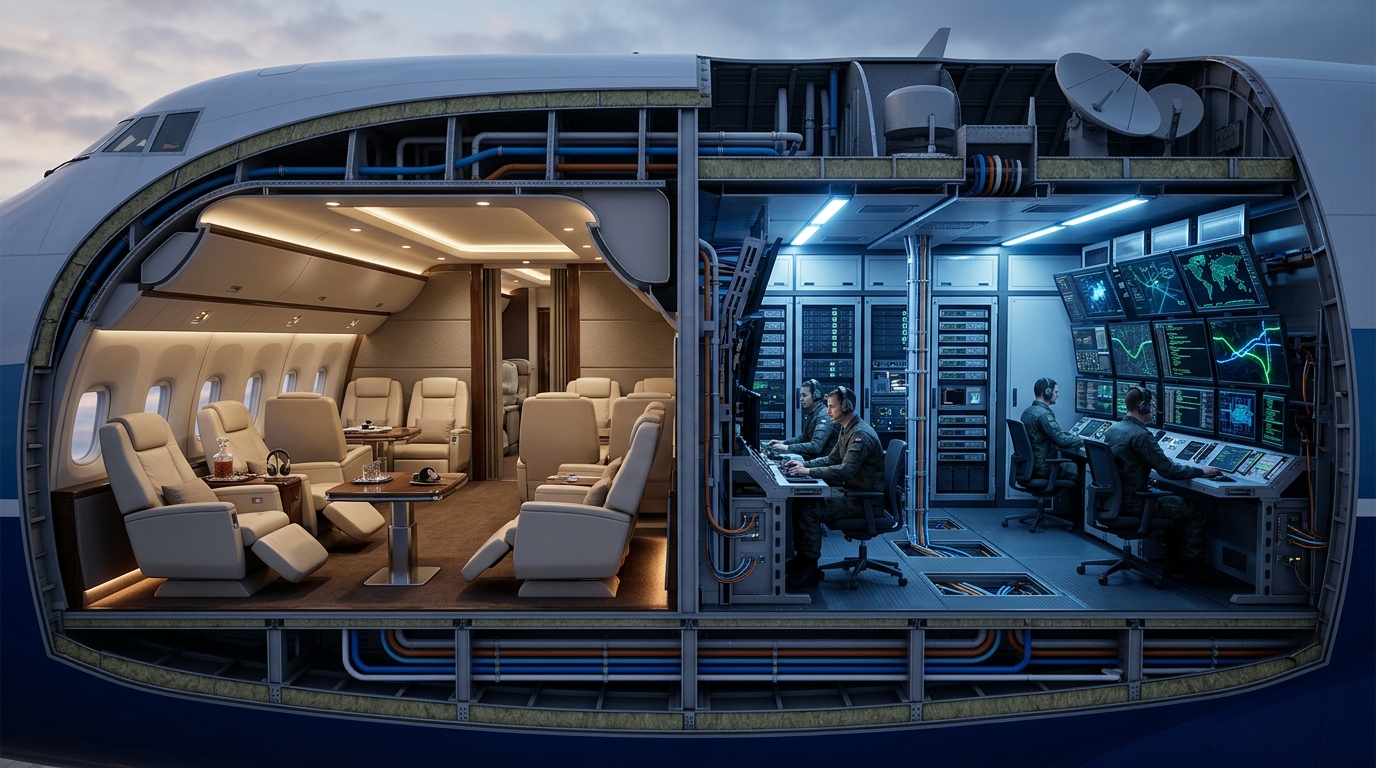
Following the official donation of the jet to the United States in May 2025 and the signing of a Memorandum of Understanding (MoU) on July 7, 2025, the aircraft was sent to L3Harris facilities in Waco and Greenville, Texas. The engineering mandate was clear: strip the underlying civilian avionics and install the necessary hardware & silicon required to support the Commander in Chief during a global crisis. While the Qatari royal family’s leather chairs and contemporary artwork largely remained to preserve the luxurious aesthetic, the structural voids were filled with shielded cabling, dedicated server racks, and encryption modules.
A primary concern was ensuring the aircraft could function as a survivable command post. This required the integration of advanced defensive countermeasures and shielding. While open-source intelligence on the exact specifications of the electromagnetic pulse (EMP) shielding remains classified, defense analysts have observed the installation of modular units attached in a canoe to the bottom of the aircraft. These units house a Directional Infrared Counter Measures (DIRCM) setup designed to repel shoulder-fired heat-seeking missiles. The integration of these systems into a commercial 747-8i airframe without disrupting its aerodynamic profile represents a significant engineering achievement by L3Harris.
Communications and Connectivity: The Starlink Integration
The most critical upgrade to the Qatar-gifted Air Force One is its multi-layered secure communication system. The primary function of Air Force One is not just transportation, but ensuring uninterrupted, continuous command and control over the U.S. nuclear arsenal and military forces worldwide. The legacy VC-25A relied on a complex array of outdated satellite uplinks and radio frequencies that suffered from bandwidth bottlenecks and high latency.
To modernize the platform, the Bridge aircraft has been outfitted with top-secret communications gear that leverages modern networking & cloud architectures. A standout feature of this upgrade is the integration of high-speed satellite internet, specifically Starlink. By mounting advanced phased array antennas on the fuselage, the aircraft can maintain low-latency, high-bandwidth connections globally. This allows the executive staff to stream high-definition video feeds, conduct secure VoIP conferencing, and access cloud-based intelligence databases seamlessly at 40,000 feet.
This network topology effectively turns the aircraft into a highly secure, mobile edge computing node. The internal network is air-gapped from the public internet, utilizing military-grade encryption and Zero Trust architecture principles. The challenge for the engineering team was not only installing the hardware but ensuring that the thermal architecture of the aircraft could adequately cool the concentrated server racks within a pressurized, high-altitude environment. The successful deployment of these systems ensures that the President has the same, if not better, situational awareness in the sky as in the Situation Room.
Market Impact & Deployment: Total Cost of Ownership
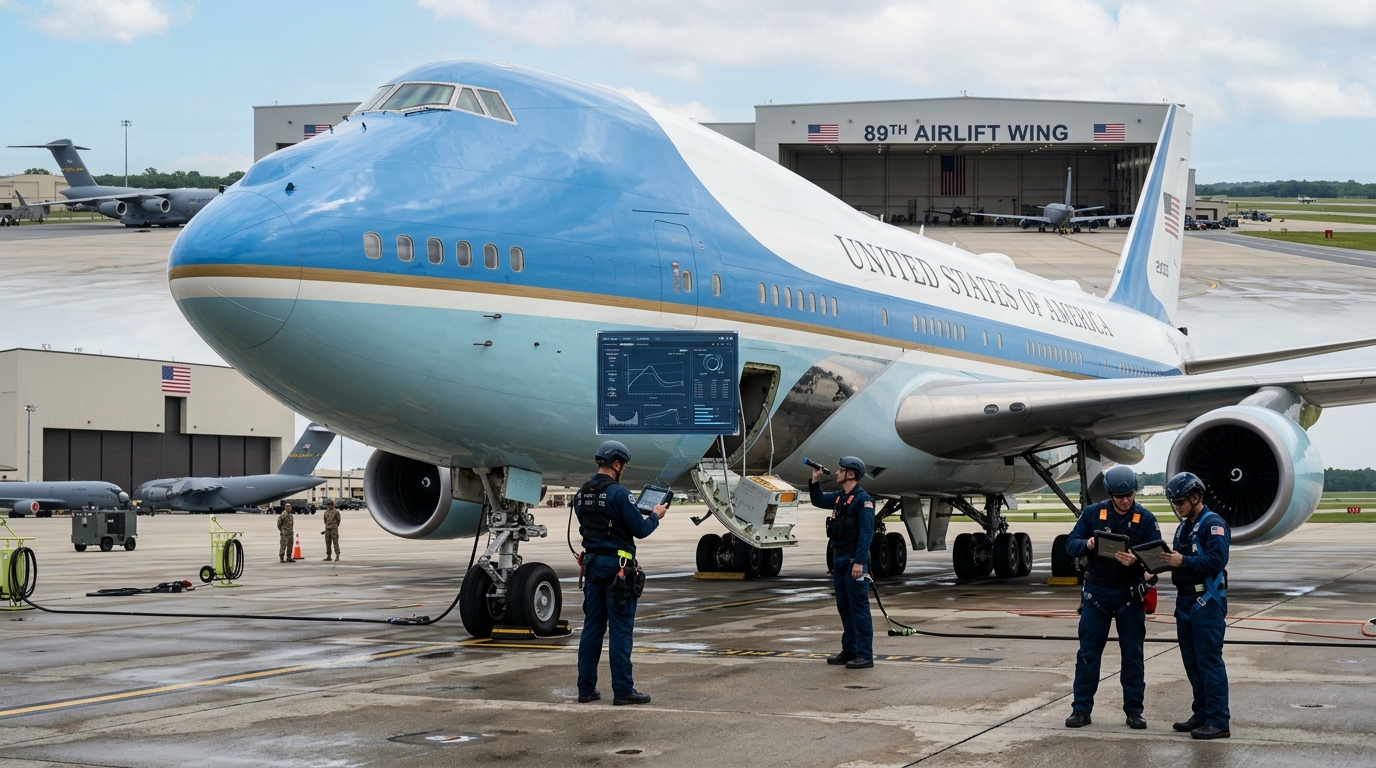
From an enterprise perspective, the acquisition and modification of the Qatar-gifted Air Force One is a fascinating case study in Total Cost of Ownership (TCO) and adaptive procurement. The original deal struck with Boeing for two custom-built VC-25B aircraft was quoted at $3.9 billion. However, as delays compounded and maintenance costs for the aging VC-25A fleet skyrocketed, the opportunity cost of waiting became untenable.
The Qatari jet, valued at approximately $400 million, was provided as a gift, sparking intense debate over the Constitution’s emoluments clause. Critics argued the acquisition bypassed standard procurement protocols, while the administration staunchly defended it as a necessary cost-saving measure for taxpayers. The financial reality of the retrofit, however, reveals the true cost of militarizing a commercial platform. Retrofitting the gifted jet to meet the exacting military and security standards cost approximately $1 billion. Although initially, some officials stated the cost for the retrofit would be less than $400 million, the complexities of installing defense systems and secure communications rapidly inflated the budget.
Despite the $1 billion price tag, the TCO equation still favors the Bridge program as an interim measure. By deploying this aircraft, the Air Force mitigates the astronomical maintenance overhead of keeping the VC-25A airborne and provides the necessary command capabilities immediately, rather than waiting until 2028. This agile procurement strategy mirrors trends in enterprise IT, where organizations opt for rapid deployment of modular, off-the-shelf solutions to bridge capability gaps while waiting for bespoke, long-term infrastructure to mature.
The Consumer Translation: What This Means for Global Security
For the general public, the nuances of encrypted satellite uplinks and EMP shielding can seem abstract. To understand the Qatar-gifted Air Force One, imagine the global logistics network of a major shipping company. If the central routing hub goes offline, the entire supply chain paralyzes. Similarly, Air Force One is the central routing hub for the U.S. military apparatus. By upgrading the “router” with modern hardware and Starlink connectivity, the entire network becomes more resilient, responsive, and capable of handling complex data streams during a crisis.
However, this interim aircraft does come with functional compromises. Most notably, the new Air Force One cannot refuel in midair. While this limitation has generated headlines, it is not unique to the Qatar-gifted plane. The decision to eschew mid-air refueling was made back in 2017 to reduce the astronomical costs of the permanent VC-25B program. Aviation experts have noted that mid-air refueling a 747 is incredibly complex, places immense stress on the airframe, and often induces severe motion sickness for the pilots. Given the vast range of the 747-8i, the strategic necessity of infinite flight time has been deemed a lower priority than cost containment and platform reliability.
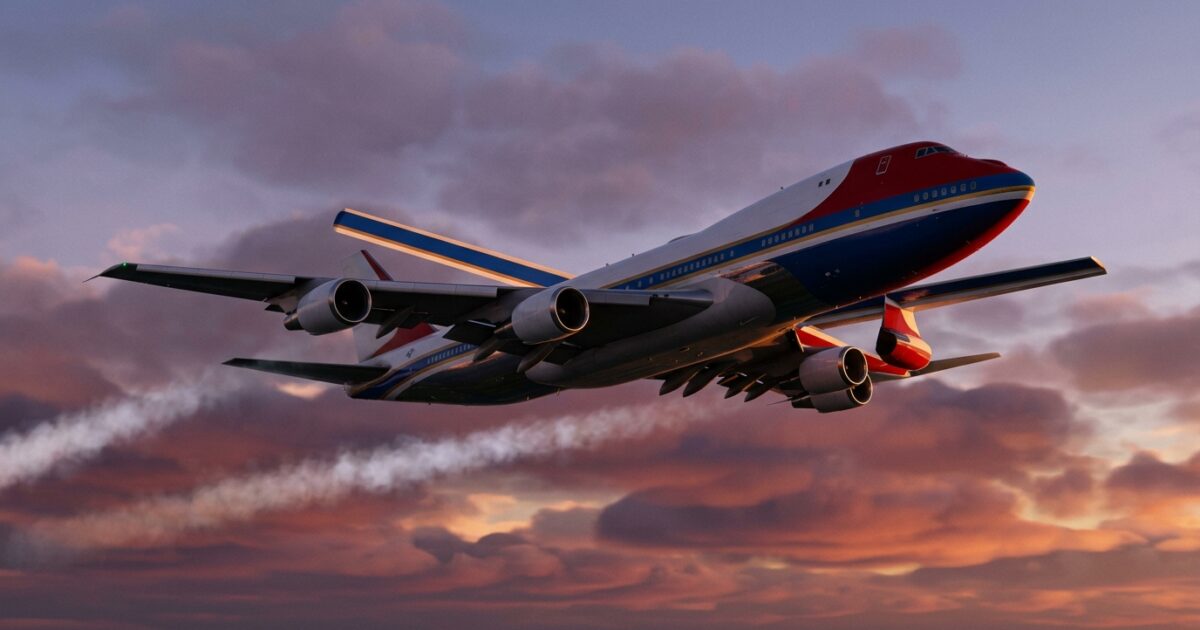
Visually, the public will notice a stark departure from tradition. The aircraft sports a new livery of red, white, dark blue, and gold, replacing the iconic robin’s egg blue design introduced by Raymond Loewy during the Kennedy administration. Unveiled at Joint Base Andrews on June 19, 2026, after completing all modifications and flight testing in May 2026, the new paint scheme reflects a modernization of the executive brand, mirroring the technological leap occurring inside the cabin.
Frequently Asked Questions
Q1: Why is the United States using a Qatar-gifted plane for Air Force One?
A1: Delays and cost overruns in the permanent Boeing VC-25B program forced the Air Force to find an interim solution. The gifted Boeing 747-8i, designated the VC-25B Bridge, fills the gap until the custom-built aircraft arrive around 2027-2028.
Q2: How much did the new Qatar-gifted Air Force One cost the taxpayers?
A2: While the base aircraft was a gift valued at $400 million, retrofitting it to meet military and security standards at L3Harris facilities cost the U.S. government approximately $1 billion.
Q3: Does the new Air Force One have mid-air refueling capabilities?
A3: No, the decision to eschew mid-air refueling was made in 2017 to reduce costs, and this limitation applies to both the Bridge aircraft and the future VC-25B planes.
Q4: What defensive capabilities does the interim Air Force One have?
A4: The aircraft has been heavily modified with advanced defensive countermeasures, including shielding to serve as a command post and Directional Infrared Counter Measures (DIRCM) to repel heat-seeking missiles.
Q5: When did the Qatar-gifted Air Force One make its debut?
A5: Following the completion of all modifications and flight testing in May 2026, the aircraft was officially unveiled at Joint Base Andrews on June 19, 2026.
TechNode HQ Verdict: Pros, Cons & Usability
- Pro (Engineering): Integration of Starlink and modern server architecture provides unparalleled, low-latency global connectivity for command systems.
- Pro (Consumer): The acquisition resolves an urgent national security capability gap without waiting until 2028 for the delayed VC-25B program.
- Con: The $1 billion retrofit vastly exceeded initial estimates of sub-$400 million, highlighting the hidden costs of militarizing commercial airframes.
- Con: Lack of mid-air refueling limits the theoretical infinite endurance of the platform during an apocalyptic scenario.
Enterprise Usability: For defense procurement officials, the VC-25B Bridge demonstrates the viability of “bridge programs”—leveraging modified commercial-off-the-shelf (COTS) assets to bypass bureaucratic bottlenecks and deliver rapid capability deployments.
Everyday Usability: For the American public, the aircraft ensures continuous, secure governance during transit, providing a modernized, technologically resilient platform for the Commander in Chief.