Key takeaways
- Sunscreen misinformation makes up only 6% of TikTok videos but dominates platform engagement metrics.
- Fear-based claims about sunscreen toxicity drastically outperform factual medical advice.
- Algorithm-driven platforms inherently favor contrarian, provocative health content over scientific consensus.
- The ‘misinfodemic’ is causing a measurable decline in sunscreen usage among Gen Z users.
- Pro-sunscreen messaging fails by focusing predominantly on cosmetic benefits rather than cancer prevention.
The Architectural Reality of Sunscreen Misinformation
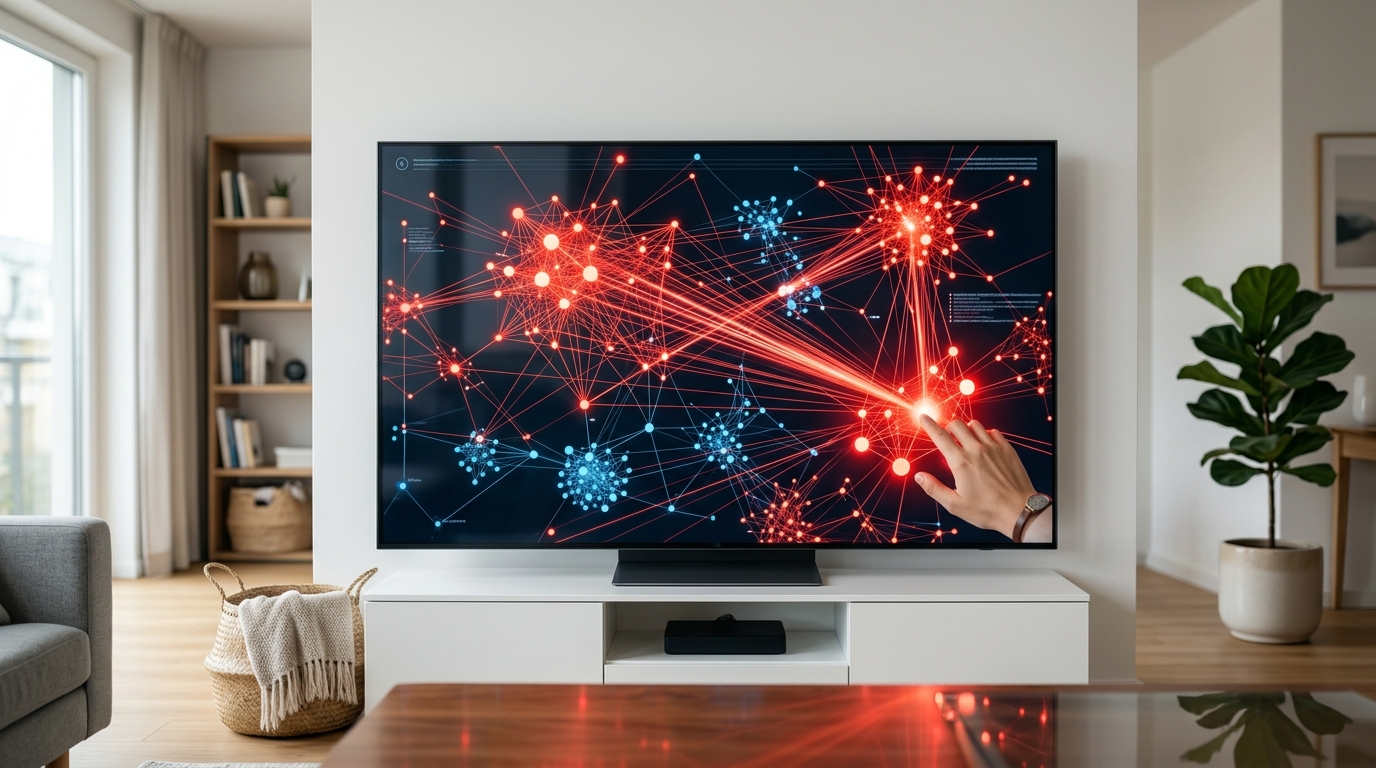
The digital ecosystem is currently facing a systemic anomaly where the velocity of Sunscreen Misinformation vastly outpaces the propagation of peer-reviewed scientific consensus. When examining the underlying infrastructure of modern social platforms, particularly the recommendation algorithms powering platforms like TikTok, it becomes evident that engagement-driven architectures inherently favor high-arousal, contrarian content over factual accuracy. According to a comprehensive study published in the journal PLOS Digital Health on June 18, 2026, researchers have rigorously quantified this disparity, revealing that misinformation about sunscreen receives disproportionately higher audience engagement on TikTok compared to scientifically accurate, pro-sunscreen content.
Led by Alessandro Marcon at the University of Alberta, the research team conducted an exhaustive analysis of 971 highly viewed TikTok videos. These videos were categorized under five popular hashtags, including #sunscreen, #spf, and #sunscreenviral, which collectively amassed a staggering 2.4 billion views across the platform. The data orchestration behind this content delivery reveals a fascinating, albeit alarming, structural reality. An overwhelming 86.8% of the analyzed TikTok videos actively promoted sunscreen use. Conversely, only about 6% of the analyzed videos contained health-related critiques or explicit misinformation, with a mere 1.5% specifically claiming that sunscreen caused direct harm to human health. Yet, despite being a statistical minority in the vast content pool, these misinformative videos captured an outsized and dominant share of audience attention.
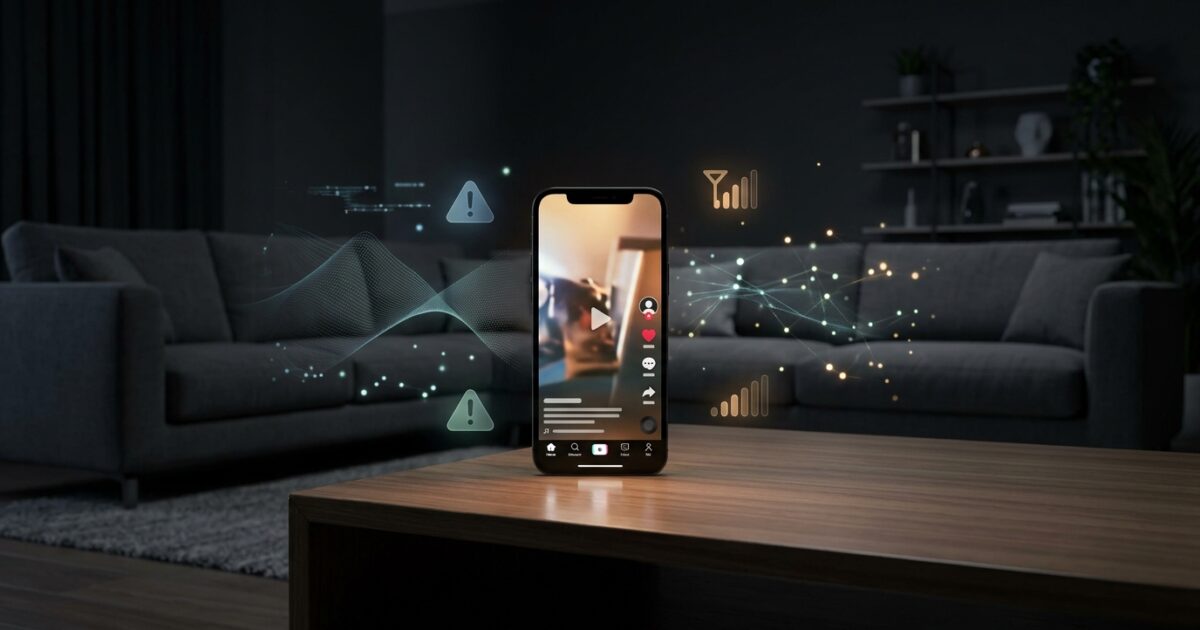
To fundamentally understand this phenomenon, one must look at the mechanics of AI & Machine Learning algorithms that govern automated feed curation. These systems are aggressively optimized for session retention, utilizing deep neural networks to predict exactly which videos will keep users swiping on the platform longest. The machine learning models analyze micro-interactions—pauses, rewinds, and completion rates. Content that triggers immediate emotional responses, specifically fear, anxiety, and outrage, naturally retains human attention longer than neutral, informative content. When a user pauses on a video claiming a common sunscreen ingredient causes cellular damage, the system records this high-intensity interaction and subsequently clusters this user with millions of others, creating a rapidly expanding distribution matrix. Anti-sunscreen messaging gains massive traction because it relies precisely on this fear factor, propagating false claims that sunscreen is toxic, causes cancer, or completely prevents Vitamin D absorption.
The algorithm does not parse empirical truth; it exclusively parses engagement probability. Consequently, a video featuring a charismatic, uncredentialed influencer warning about the “hidden toxins” in SPF products generates significantly more watch time, shares, and comments than a board-certified dermatologist meticulously explaining the safety profile of FDA-approved UV filters. This dynamic essentially transforms public health discourse into an adversarial environment where medical professionals are forced to compete against algorithmic virality. The researchers correctly conclude that TikTok is not inherently ‘flooded’ with sunscreen misinformation in terms of raw upload volume; rather, the algorithm-driven content delivery mechanisms heavily favor and systematically amplify contrarian posts. This generates a dangerous illusion of widespread scientific debate where none actually exists, exploiting cognitive biases and shifting public perception at a massive scale.
Market Impact & Deployment of Health Data

The Total Cost of Ownership (TCO) for this algorithmic vulnerability extends far beyond the server compute cycles or platform engineering budgets of social media giants; it is ultimately paid by global healthcare systems and the dermatology industry. The rampant, unchecked spread of health-related falsehoods online has given rise to what public health experts now term a ‘misinfodemic.’ This crisis is largely driven by wellness influencers who lack any formal medical credentials but possess a deep, intuitive understanding of platform optimization. For the enterprise sector, particularly pharmaceutical conglomerates and cosmetic manufacturers, this presents a severe deployment challenge. Brands are increasingly forced to allocate significant marketing and crisis-management resources to counteract viral myths that possess the capability to decimate product lines and brand reputation overnight.
The financial implications for global health logistics are staggering. Preventive care, such as the regular application of broad-spectrum SPF, is orders of magnitude cheaper and less resource-intensive than the complex oncological treatments required for advanced melanomas. By systematically reducing the adoption of preventive health measures through algorithmic bias, these platforms are indirectly inducing billions of dollars in future healthcare liabilities. Furthermore, Enterprise IT and digital trust stakeholders are facing mounting regulatory pressure over AI ethics and the societal cost of engagement-optimized content moderation frameworks.
Moreover, the University of Alberta study highlighted a critical, systemic vulnerability in the current pro-sunscreen messaging strategy deployed by brands and health advocates. While a large volume of content successfully promotes sunscreen, the research found that many promotional videos focused primarily on superficial cosmetic and beauty benefits rather than the critical, life-saving imperative of skin cancer prevention. Shockingly, only 6% of the pro-sunscreen content explicitly mentioned cancer risk reduction. This strategic misalignment means that while dermatologists are fighting an existential war on health and data integrity, commercial messaging remains stubbornly optimized for aesthetics. When fear-based misinformation attacks a product as “toxic,” a corporate defense based purely on preventing wrinkles and uneven skin tone utterly fails to address the consumer’s underlying health anxieties.
User engagement on social media is often entirely unrelated to the educational quality, scientific rigor, or factual accuracy of the content. This reality forces public health officials and product manufacturers to fundamentally reevaluate their digital deployment strategies. Instead of relying on traditional, lecture-style educational campaigns or sterile clinical data dumps, medical professionals must adapt to the medium. This requires producing high-quality, scientifically accurate content that is reverse-engineered to satisfy algorithmic engagement parameters without compromising factual integrity. The market impact dictates that truth alone is insufficient; truth must be packaged in a format that mathematically out-competes misinformation in a high-velocity digital marketplace.
The Consumer Translation: Gen Z and the Misinfodemic
Translating this highly technical algorithmic bias into everyday consumer reality reveals a chilling public health trajectory. The most profound and immediate impact of this digital phenomenon is the drastic behavioral change among younger demographics. Recent surveys indicate a significant number of consumers, particularly within the Gen Z cohort, have reduced or completely stopped using sunscreen due directly to the influence of these viral online myths. When an algorithm consistently feeds a vulnerable user content suggesting that sun protection is a corporate scam or a deadly chemical hazard, it actively and aggressively alters their real-world risk assessment.
This behavioral shift is occurring against a backdrop of alarming, incontrovertible medical statistics: skin cancer rates are rising globally, making sunscreen an essential, non-negotiable tool for cancer prevention. The stark disconnect between the clinical reality of rising melanoma rates and the digital reality of anti-sunscreen virality vividly illustrates the profound power of modern Consumer Tech platforms to dictate real-world public health outcomes. Younger users, who increasingly utilize platforms like TikTok as their primary search engines and ultimate sources of truth, are particularly susceptible to the authoritative, confident tone adopted by uncredentialed wellness influencers.
These rogue influencers brilliantly exploit a broader cultural movement leaning toward “clean beauty” and naturalism, weaponizing a latent public distrust of synthetic ingredients to drive their own engagement metrics and, frequently, to sell alternative, unverified, and highly lucrative proprietary products. The psychological impact on the consumer cannot be overstated. The insidious nature of this misinfodemic lies in its psychological framing: it successfully positions the rejection of established medical science as a courageous act of personal empowerment and anti-corporate rebellion. When an influencer claims to have “uncovered the hidden truth” that dermatologists are purportedly suppressing, it leverages classic conspiratorial thinking.
The consumer translation is simple but devastating: the optimization of code for user retention is inadvertently optimizing society for increased skin cancer risk. When individuals are misled into believing that avoiding sunscreen allows for better Vitamin D absorption or protects them from imaginary bloodstream toxins, they voluntarily expose themselves to cumulative, irreversible UV radiation damage. This not only diminishes the use of vital sun protection but erodes foundational, societal trust in the medical establishment as a whole, paving a dangerous path for the further rejection of evidence-based health practices across countless other medical domains. It is the ultimate downstream consequence of an algorithmic architecture that entirely fails to weigh the qualitative accuracy of the data it relentlessly amplifies.
Combating the Surge: Strategic Countermeasures
To effectively mitigate the compounding effects of this misinfodemic, a multifaceted, aggressive approach is required, seamlessly combining technical intervention with highly optimized communication strategies. From a strict engineering perspective, platforms must urgently iterate on their content moderation and recommendation models to better identify, flag, and throttle health-related misinformation before it achieves viral escape velocity. However, given the immense complexities of free speech debates and the sheer, overwhelming volume of daily uploaded content, algorithmic moderation alone will remain an insufficient safeguard.
Medical professionals, scientists, and public health advocates must actively adopt the engagement tactics of their algorithmic adversaries. This necessitates embracing short-form, high-retention video formats, utilizing clear, jargon-free language, and directly addressing the specific fears propagated by misinformation without appearing condescending or dismissive. When a patient or viewer expresses genuine concern about chemical UV filters penetrating the skin barrier, experts should calmly present the clinical evidence and offer immediate, actionable alternatives—such as mineral-based, zinc oxide, or fragrance-free formulas—rather than simply issuing authoritative, paternalistic commands that often backfire.
The countermeasures must be structurally integrated into the digital ecosystem. Public health institutions must establish direct operational pipelines with platform engineers to develop robust ‘data provenance’ frameworks, ensuring that viral claims regarding human biology are automatically cross-referenced against established, peer-reviewed medical databases. Furthermore, the educational curriculum for medical professionals must evolve to include digital communication strategy and algorithm optimization. A modern doctor’s ability to save lives is increasingly dependent on their ability to navigate the complex SEO taxonomies and opaque recommendation algorithms of platforms like TikTok.
Simultaneously, sunscreen manufacturers must execute a massive pivot in their marketing narratives. While the cosmetic and anti-aging benefits of daily sun protection are valid and commercially appealing, the core, unapologetic message of cancer prevention must be reinstated at the absolute forefront of all digital campaigns. Brands must fund massive, decentralized educational initiatives, actively partnering with diverse, credible creators to flood the algorithmic zone with scientifically accurate, aesthetically appealing, and highly engaging pro-sunscreen content. By demystifying complex terminology like “broad-spectrum” and transparently discussing chemical ingredient profiles, the industry can begin to build a resilient digital presence capable of withstanding the inevitable, mathematically-driven waves of algorithmic misinformation. The battle for public health in the digital age will not be won through peer-reviewed journals hidden behind paywalls, but through the strategic orchestration of undeniable, highly engaging data on the exact platforms where consumers reside.
Frequently Asked Questions
Q1: How much sunscreen content on TikTok is actually misinformation?
According to a recent study in PLOS Digital Health, only about 6% of the analyzed videos contained health-related critiques or misinformation. However, this small fraction receives disproportionately higher engagement due to its provocative nature.
Q2: Why do anti-sunscreen videos perform so well on social platforms?
Anti-sunscreen messaging gains traction because it relies on fear, making false claims that sunscreen is toxic or causes cancer. The algorithms reward this emotional manipulation, causing it to spread much faster than calm, scientific explanations.
Q3: What are the real-world consequences of this viral misinformation?
Recent surveys indicate a significant number of consumers, particularly Gen Z, have reduced or stopped using sunscreen due to online myths. This behavioral shift is deeply concerning given that skin cancer rates are rising globally.
Q4: Are pro-sunscreen videos effectively countering these myths?
Not entirely. The research found that while 86.8% of videos promoted sunscreen, the vast majority focused primarily on cosmetic benefits, with only 6% mentioning skin cancer risk reduction.
Q5: Who is responsible for spreading these false health claims?
The spread is largely driven by wellness influencers who lack medical credentials, creating what experts are calling an online ‘misinfodemic’.
TechNode HQ Verdict: Pros, Cons & Usability
- Pro (Engineering): The algorithmic architecture of modern social platforms is highly efficient at identifying and scaling high-retention content formats, providing unparalleled distribution for engaging creators.
- Pro (Consumer): Access to diverse, global communities allows consumers to discover a wide array of personal care routines and product recommendations seamlessly.
- Con: The fundamental disconnect between engagement metrics and factual accuracy creates a systemic vulnerability, allowing dangerous health misinformation to outpace scientific consensus.
- Con: The deployment challenge for public health officials is immense, requiring them to counteract sophisticated, algorithmically-amplified fear campaigns without comparable technical resources.
Enterprise Usability: Social media platforms and digital health organizations must urgently implement stronger data orchestration and algorithmic safeguards to identify and throttle health misinformation. Simultaneously, brands must invest heavily in verifiable, expert-led content marketing to defend product integrity and public health against viral falsehoods.
Everyday Usability: Consumers must actively and critically evaluate health advice encountered on short-form video platforms. Medical decisions, including sun protection strategies, should be based entirely on consultations with board-certified dermatologists rather than the unverified claims of wellness influencers optimizing for algorithmic engagement.