Key takeaways
- The IKEA PS 2026 collection features 44 hybrid pieces engineered for adaptable home workspaces.
- Innovative material science replaces metal reinforcements with reversed-grain pine for maximum sustainability and durability.
- Analog mechanical features provide highly reliable, zero-latency adjustability for rapid spatial reconfiguration.
- Lex Pott’s modular lighting design enables dynamic illumination scaling for high-performance home offices.
- Multi-functional furniture reduces total cost of ownership while maximizing urban residential square footage.
The Architectural Reality of the IKEA PS 2026 Collection
In an era where the lines between residential sanctuaries and high-throughput corporate workstations have permanently blurred, the infrastructure we deploy within our homes demands a radical re-engineering. Enter the IKEA PS 2026 collection, officially rolling out to physical storefronts on May 14 and scaling globally online by May 22. This 10th iteration of the iconic Post Scriptum (PS) lineage is not merely a catalog of aesthetically pleasing furnishings; it is a masterclass in what the Swedish design giant calls “playful functionality.” Featuring a robust array of 44 modular pieces, the collection aims to address the spatial and ergonomic bottlenecks of the modern home office.
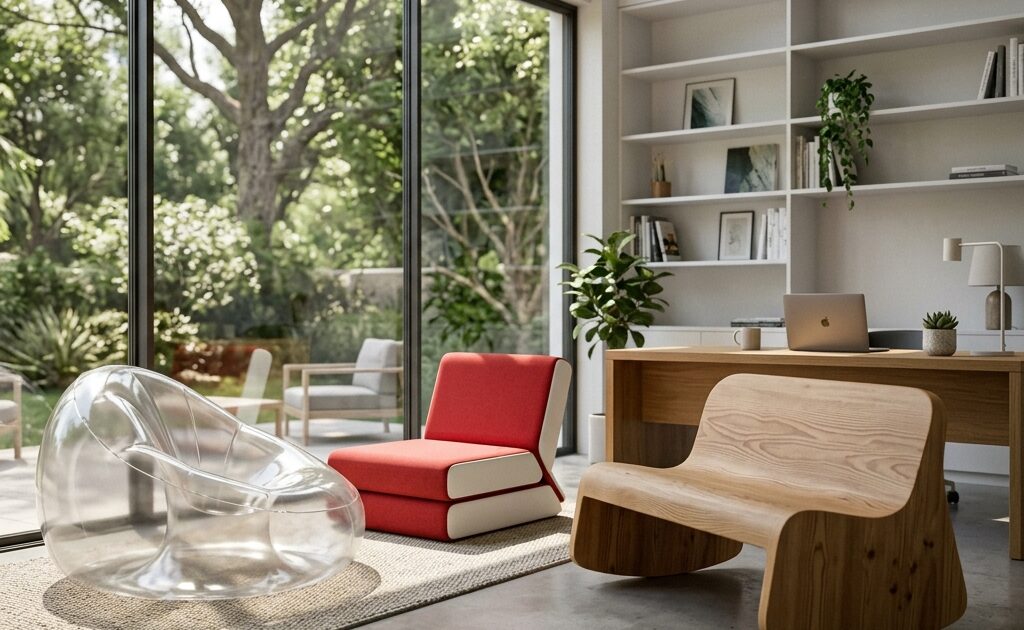
To truly understand the value of these new assets, we must strip away the marketing veneer and analyze the hardware mechanics. Take, for instance, the solid pine rocking bench designed by Marta Krupińska. Early stress tests revealed catastrophic failures when subjecting traditional wooden iterations to adult weight loads. An initial pivot to metal reinforcement compromised the product’s end-of-life recyclability—a critical compliance metric in modern manufacturing. The ultimate engineering solution? A complex materials science approach involving splitting the wooden beams and adhering them back together with the grain reversed on itself. This structural manipulation yielded a load-bearing capacity that surpassed the metal-enhanced prototypes, proving that bio-based engineering can outpace synthetic reinforcement when applied correctly.
This same devotion to mechanical ingenuity is evident in Mikael Axelsson’s height-adjustable stool. Eschewing complex pneumatic cylinders that are prone to mechanical failure over time, Axelsson deployed a low-tech, ratchet-toothed construction inspired by legacy woodworking tools. This unapologetically analog mechanism provides users with tactile, zero-latency adjustability. For the broader ecosystem of Enterprise IT professionals working remotely, having hardware that simply works without continuous maintenance or recalibration is an essential operational requirement.
Market Impact & Deployment Economics

From a deployment perspective, the Total Cost of Ownership (TCO) for establishing a fully functional remote workspace has historically been a friction point for both consumers and corporate finance departments. The IKEA PS 2026 collection disrupts this by offering extreme multi-functionality. The line introduces two dynamic sleeping solutions designed to seamlessly transition a workspace into guest quarters. Matilda Lindstam Nilsson’s chair-bed transitions flawlessly from an upright task seat to a recliner, and finally to a full-length bed fortified with pocket springs. For environments demanding broader scalability, Ola Wihlborg’s two-person sofa-bed offers similar “mattress-level support” utilizing high-density foam and spring architecture.
Much like a hypervisor dynamically allocating compute resources to virtual machines based on immediate demand, these furnishings allow users to dynamically allocate their physical floor plans. By converging the footprint of an office chair and a guest bed into a single unit, the spatial economics of urban apartments are vastly improved. When evaluating Consumer Tech and lifestyle upgrades, maximizing return on square footage is just as critical as maximizing return on investment.
Furthering the theme of scalable infrastructure, the collection features a four-seater folding table by Wihlborg. Built robustly enough for continuous daily enterprise use, it features signature oversized red wing screws that allow the entire chassis to collapse flat in seconds. This allows a room to instantly revert to a primary living space at the end of the work day, effectively hard-partitioning work life from personal life through intelligent physical design.
The Consumer Translation and Usability
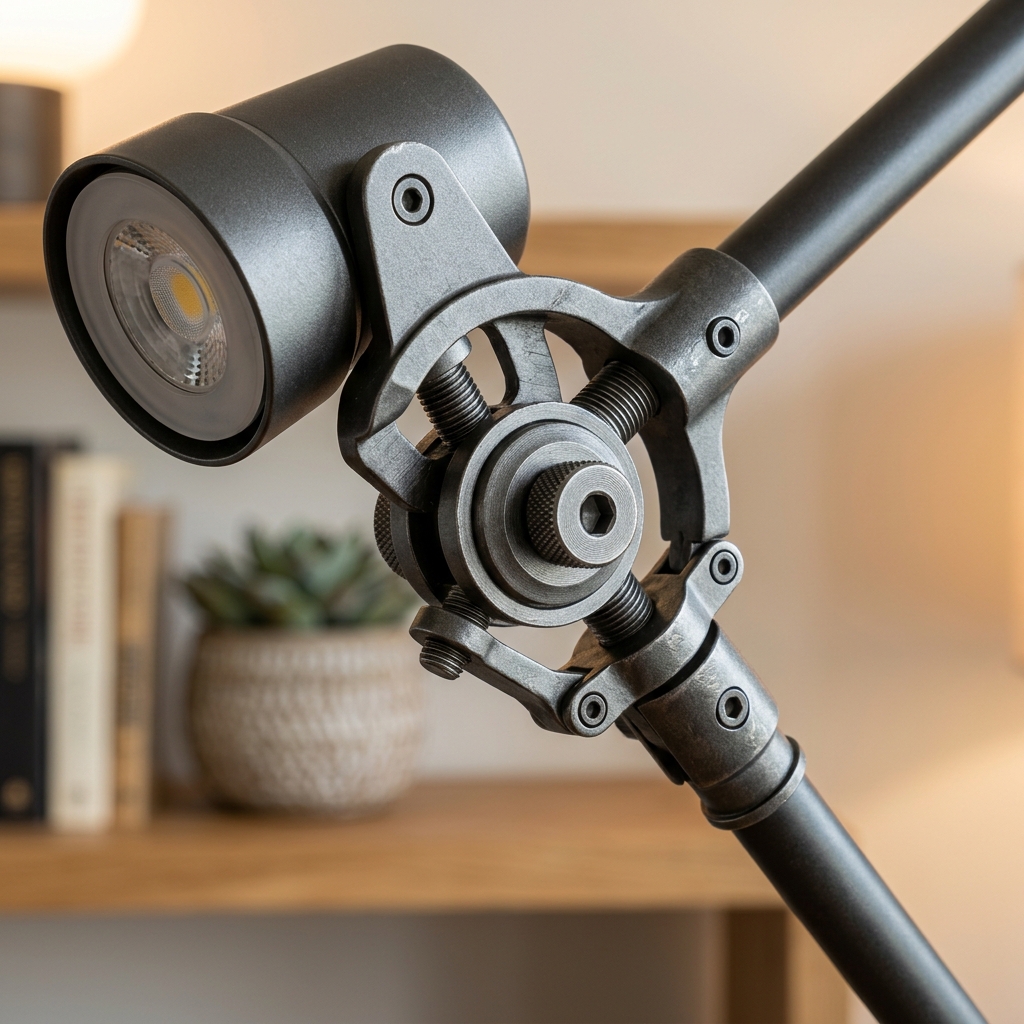
While the architectural mechanics and spatial economics appeal heavily to system designers and efficiency maximizers, the real-world consumer translation of this technology is highly approachable. The collection features functional storage and unique lighting solutions that integrate effortlessly into modern decor. Lex Pott’s flexible floor lamp stands as a prime example of this synthesis. By integrating precision 45-degree swivel joints into the metal stand, the luminaire transitions effortlessly from an ambient uplighter to an intense directional spotlight, or a focused reading lamp. It is a highly adaptable hardware peripheral that requires no software interface to operate.
Similarly, storage solutions have been heavily optimized. Wihlborg’s whimsical pine bedside table features a birdhouse-inspired aperture that acts as a stealth handle for a fold-down door, concealing substantial storage volumes. For more intensive operational needs, his pink metal mesh cabinet incorporates adjustable leveling feet, dedicated cable routing channels for integrated lighting, and lockable handles to secure sensitive corporate documents or expensive hardware peripherals. It pairs exceptionally well with Pott’s powder-coated organization trolley, which features color-matched casters for seamless mobility across the workstation environment.
When stacked against other products in our reviews and comparisons database, the PS 2026 collection stands out precisely because it does not attempt to digitize what is fundamentally physical. Instead of integrating unnecessary screens or IoT sensors, the collection relies on brilliant analog engineering, bold aesthetics, and multi-purpose adaptability to solve modern workflow constraints.
Frequently Asked Questions
Q1: What is the IKEA PS 2026 collection?
A1: Released in May 2026, the IKEA PS 2026 collection features over 40 pieces centered around “playful functionality” to elevate home workspaces. It blends retro, modern, and high-tech utility.
Q2: Does the collection feature sleepover capabilities?
A2: Yes, it includes a stylish chair-bed by Matilda Lindstam Nilsson and a larger sofa-bed by Ola Wihlborg, both built with premium pocket springs.
Q3: How durable is the solid pine rocking bench?
A3: By utilizing a complex method of splitting and gluing wood beams with reversed grains, the rocking bench achieved far greater structural strength than metal-reinforced prototypes.
Q4: What makes the lighting options in this collection unique?
A4: The range features functional storage and unique lighting, such as a flexible floor lamp with 45-degree swivel points that transforms from an uplighter to a spotlight, as well as a handmade pendant lamp shade.
Q5: Why is the collection relevant for remote workers?
A5: The PS 2026 collection is designed to offer flexible, high-quality furniture that adapts to modern living spaces, making it a highly modular and popular choice for furnishing a hybrid home office.
TechNode HQ Verdict: Pros, Cons & Usability
- Pro (Engineering): The implementation of reversed-grain split-wood beam construction offers unprecedented durability while maintaining 100% recyclability.
- Pro (Consumer): Multi-functional infrastructure, such as the pocket-sprung chair-bed and collapsing work desks, provides exceptional spatial economy for high-density urban living.
- Con: The highly viral inflatable Easy Chair poses long-term durability and puncture risks in households with pets or sharp objects.
- Con: The bold industrial aesthetic of raw metal mesh and oversized red wing screws may clash heavily with traditional or minimalist residential interior designs.
Enterprise Usability: For forward-thinking HR and IT departments managing a remote-first workforce, providing stipends for robust, ergonomic, and space-saving hardware like the PS 2026 folding desk or multi-directional lighting yields a direct, tangible boost to employee productivity and workflow organization.
Everyday Usability: Consumers battling limited square footage should consider these dual-purpose seating and storage solutions as essential investments. The analog reliability and transformable nature of the collection make it a highly practical upgrade for any modern hybrid lifestyle.