Key takeaways
- New York enacted the nation’s first statewide data center moratorium in July 2026, pausing environmental reviews for facilities over 50 megawatts.
- A stricter omnibus bill awaiting Governor Hochul’s signature would lower the threshold to 20 megawatts and mandate comprehensive DEC reviews.
- Polling shows 63 percent of New York voters and 75 percent of Democrats oppose local hyperscale data center construction post-moratorium.
- Gubernatorial candidates across at least 16 states have called for data center pauses, transforming power and water demands into a major political issue.
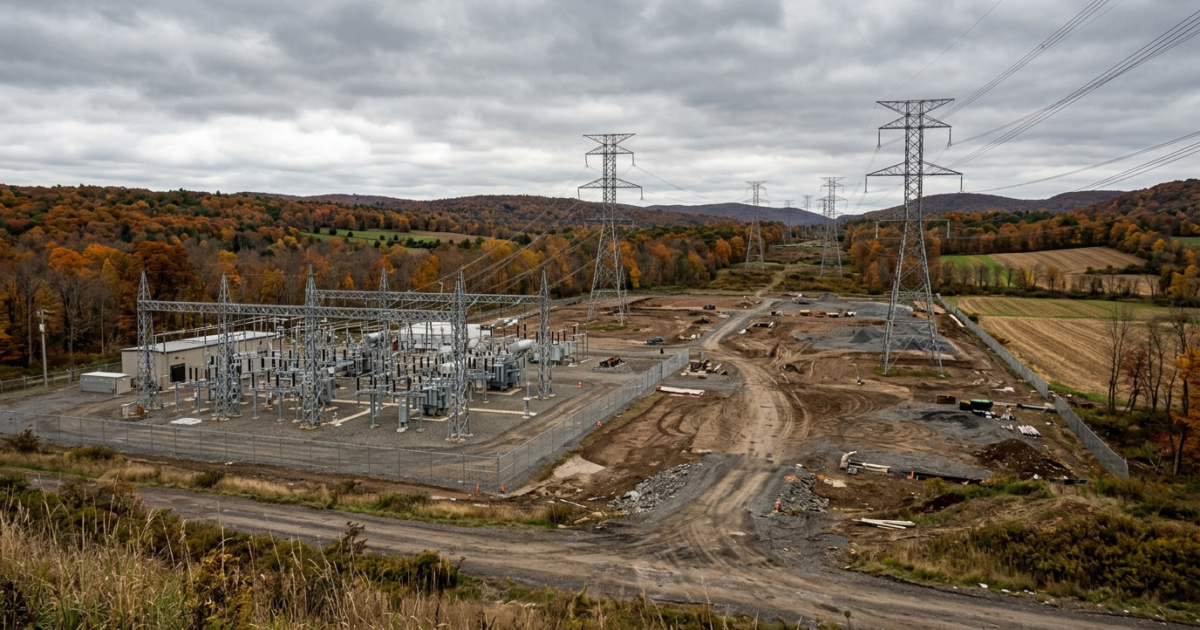
A statewide data center moratorium in New York has established a one-year pause on environmental reviews for new facilities consuming more than 50 megawatts, marking the first executive action of its kind in the United States. Enacted by Governor Kathy Hochul in July 2026, the order responds to mounting public resistance against large-scale artificial intelligence infrastructure, grid strain, and escalating electricity rates. The pause emerged as a compromise after the state legislature passed a stricter omnibus bill targeting projects starting at 20 megawatts with mandatory environmental impact studies. As public backlash spreads across sixteen states, New York’s regulatory stance reflects how municipal energy demands and community pushback are altering enterprise infrastructure planning.
Executive pause and legislative compromise
The executive order followed months of shifting political calculations in Albany. In May 2026, Governor Hochul had publicly dismissed calls for a moratorium. However, as the state faced 30 pending facility applications threatening to overwhelm local utilities, the administration pivoted toward formal intervention. In July 2026, Hochul signed the order to freeze state-level environmental reviews for facilities exceeding 50 megawatts, as detailed by reporting in WIRED.
The executive pause represents a narrower remedy than legislation passed by the New York State Legislature. State Senator Kristen Gonzalez sponsored an omnibus measure establishing a lower 20-megawatt qualification threshold and requiring the Department of Environmental Conservation to conduct comprehensive regional impact studies on air emissions, noise, and watershed loads. While Gonzalez has publicly supported the executive pause as an interim measure, Hochul retains the option to sign or veto the broader legislative proposal before the end of the year.
| Policy Mechanism | Executive Order (July 2026) | Legislative Omnibus Bill |
|---|---|---|
| Power Threshold | Facilities exceeding 50 megawatts | Facilities exceeding 20 megawatts |
| Environmental Review | One-year pause on state approvals | Mandatory DEC comprehensive environmental study |
| Tax Incentives | Proposed elimination of state subsidies | Structured limits on local industrial development agency breaks |
| Current Legal Status | Enacted and active statewide | Passed legislature; awaiting executive action |
Grid strain, utility costs, and community opposition
Grassroots pushback against hyper-scale development has intensified across upstate New York. In western Genesee County, community organizers have spent two years resisting a proposed 600-megawatt complex situated adjacent to the Tonawanda Seneca Nation reservation and the Iroquois National Wildlife Refuge. Residents argue that mega-watt loads threaten local aquifers, impose constant acoustic disturbances from cooling chillers, and drive up retail electrical rates for households that derive little direct benefit from high-density server halls.
Those concerns align with broader economic assessments of the data sector. Academic research published in The Conversation highlights that while high-performance compute facilities generate short-term construction activity and modest long-term employment in warehousing and transport logistics, they create almost no secondary job growth in local commerce, dining, or municipal retail services. At the same time, hyperscale reliance on natural-gas-fired generation has introduced broader commodity cost risks, as reflected in Anthropic’s financial disclosures citing fuel price volatility as a material operational threat.
Electoral fallout and bipartisan pushback
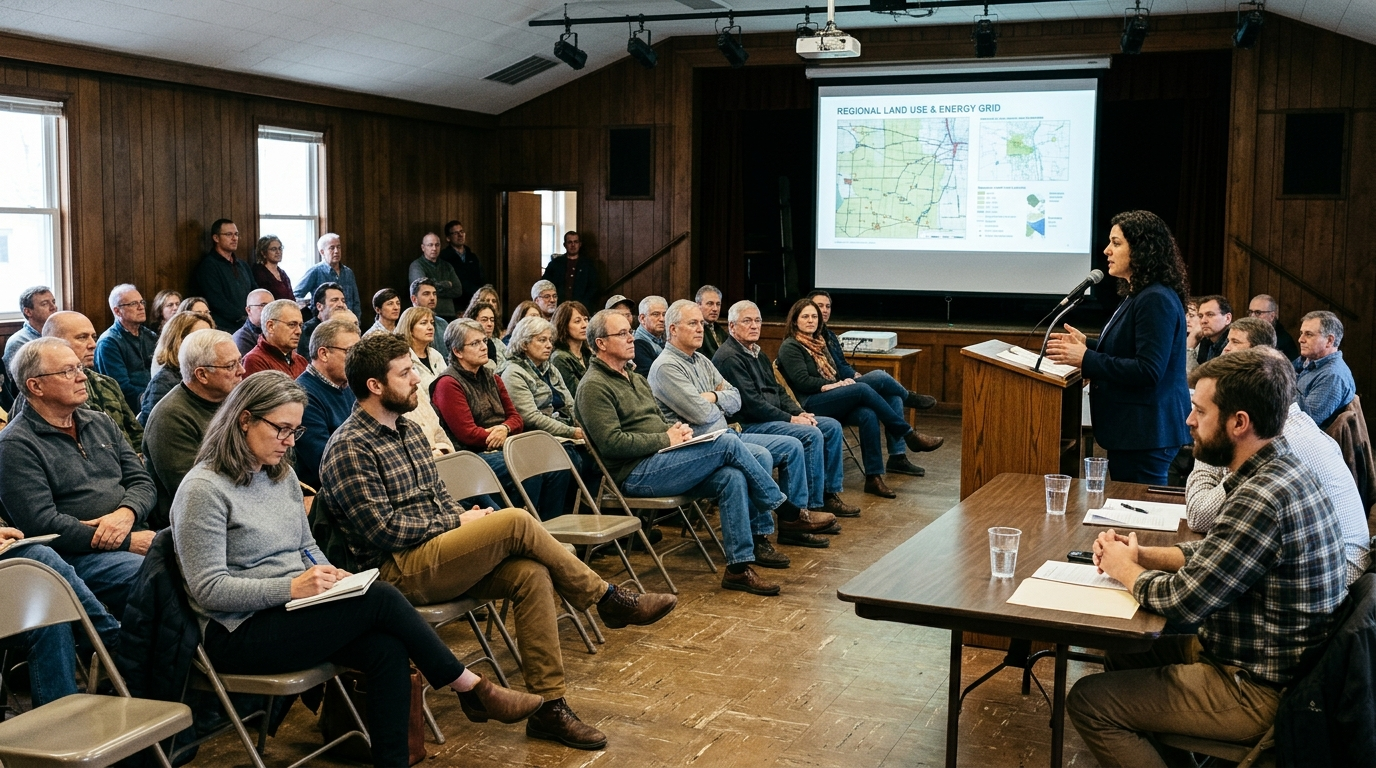
Public dissatisfaction has turned infrastructure siting into a defining campaign issue. A September 2026 Quinnipiac University poll revealed that 53 percent of New York likely voters trust Governor Hochul to manage AI data center expansion, compared to 31 percent favoring Republican challenger Bruce Blakeman, who described the moratorium as counterproductive. More significantly, a subsequent survey from the Siena Research Institute found that 63 percent of likely New York voters—including 75 percent of Democrats—remain opposed to new large-scale data center construction even after the current moratorium expires.
The political dynamic extends well beyond New York. An analysis by MultiState showed gubernatorial candidates across at least 16 states advocating for moratoriums or heightened regulatory oversight during the 2026 campaign cycle, while fewer than 10 candidates nationwide offered unconditional backing for unconstrained data center development. Even governors historically welcoming to data campus construction, such as Greg Abbott in Texas and Josh Shapiro in Pennsylvania, have signaled tighter scrutiny over power allocations. The issue has driven substantial political spending, with the Pew Research Center tracking 12 million dollars spent on campaign advertisements highlighting data centers in the ninety days preceding the midterms, paralleling similar battles such as the data center pushback in Maine.
What happens next
Enterprise operators and regional grid planners face a sharply constrained permitting environment entering 2027. Governor Hochul has until December 31 to determine whether to sign the legislative omnibus bill, which would codify a lower 20-megawatt review threshold into state law and mandate formal Department of Environmental Conservation oversight. During an October roundtable in the Hudson Valley alongside Representative Alexandria Ocasio-Cortez and Senator Gonzalez, Hochul signaled an intention to pursue additional statutory restrictions, specifically targeting the elimination of state tax incentives for hyperscale facilities.
When newly elected and returning governors assume office in January, they will confront organized local coalitions determined to enforce moratorium promises. Enterprise IT directors and cloud infrastructure architects can no longer rely on routine municipal zoning approvals and standard power purchase agreements. Future facility deployments will require transparent capacity planning, documented off-grid or captive energy solutions, and early stakeholder engagement to navigate community opposition and tightening state regulations.
Sources
- New York Governor Signs First Statewide Data Center Moratorium | WIRED
- Gov. Hochul once resisted a data center pause. Now it’s central to her campaign. | WXXI News
- 9/23/26 – NY Governor’s Race: Hochul Up 19 Points Over Blakeman With The Cost Of Living & Economy Top Of Voters’ Minds, Quinnipiac University New York State Poll Finds; Senator Chuck Schumer’s Job Approval: 36% | Quinnipiac University Poll
- Siena Poll Of Likely New York State Voters: Hochul 50%, Blakeman 41% (Hochul 49-39% in August) – Siena Research Institute
- Gubernatorial Data Center Policy: 2026 Race Positions | MultiState
- What Democrats Can Learn From New York’s Data Center Moratorium | WIRED
- These Midterm Races Will Decide Data Centers’ Political Fate | WIRED